













We all know that feeling – waking up tired, dragging through the day, trying to push your brain and body when it feels like someone pulled out the plug. Chronic fatigue is not just about being “lazy” or “unfit.” It’s that deep exhaustion that doesn’t go away even after rest. For many people, it becomes a daily background noise – quietly killing productivity, mood, and joy.
People try everything – more coffee, more sleep, random vitamins from the internet – but still the same tired face in the mirror. That’s why supplements to boost energy have become a big topic. But are they really the fix? Or just another shiny bottle promising energy?
Let’s look at what science actually says about the best energy supplements for chronic fatigue – what might help, what probably won’t, and how to choose safely.
Understanding the Root Causes of Chronic Fatigue
Before running to buy any “energy booster,” one thing needs to be clear – fatigue is not a single problem. It’s a symptom.
And if you don’t find the cause, no supplement can fully fix it.
Fatigue can come from:
- Low nutrients – low iron, low vitamin B12, low folate can make you feel like your body’s on airplane mode.
- Hormone imbalance – thyroid issues, adrenal issues can drain your battery even when you’re resting.
- Bad sleep – either insomnia or sleep apnea.
- Long-term sickness– infections, autoimmune disorders, diabetes.
- Mitochondrial dysfunction – when your cells’ powerhouses start working slow.
Research in conditions like ME/CFS (Myalgic Encephalomyelitis/Chronic Fatigue Syndrome) shows that mitochondrial problems are real – the energy factories in our cells fail to make enough ATP (adenosine triphosphate, the body’s fuel). So if fatigue is long-term, this could be a root factor.
That’s why supplements that support mitochondria, nutrients, and energy metabolism (how the body converts food to energy) have gained interest – not to “boost” artificially like caffeine, but to support how your body makes real energy.
Read More: Always Tired? Uncover the 11 Hidden Causes Behind Your Fatigue!
Research-Backed Supplements for Energy and Fatigue
Let’s break down what the evidence actually supports – not hype.
1. Coenzyme Q10 (CoQ10): The Mitochondria’s Helper

If fatigue was a car problem, CoQ10 would be the engine oil.
It’s a natural compound your body makes to help cells produce ATP – the energy molecule.
When levels go low (with age, illness, or stress), you might feel that slow-battery feeling.
What research says:
Several studies have shown that CoQ10 can reduce fatigue, especially in conditions like chronic fatigue syndrome and fibromyalgia (a condition that causes widespread pain and tiredness/fatigue). It’s not magic, but many people report better stamina and less “crash.”
Typical dose: Around 100–300 mg daily (usually with food, since it’s fat-soluble).
Safety: Generally safe, but can interact with blood thinners.
If you take statins (for cholesterol), CoQ10 can also help offset the fatigue side effect – since statins lower CoQ10 levels in the body.
Read More: Health Benefits of CoQ10: Should You Be Taking This Antioxidant Supplement?
2. B Vitamins: The Spark Plugs of Energy Metabolism
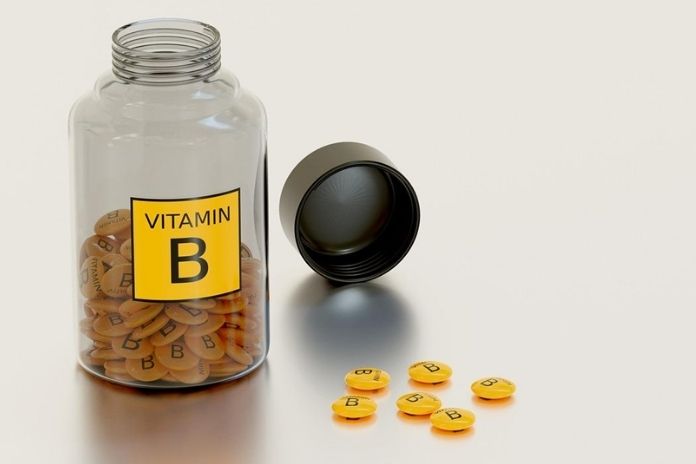
Every time your body converts food into fuel, B vitamins silently work to facilitate the process — particularly vitamin B12, B6, and thiamine (B1). They help your enzymes function properly.
Without them, the “energy machinery” doesn’t turn properly.
Evidence:
Supplements of B vitamins for fatigue – help only if you’re deficient. For people with normal levels, popping extra Bs won’t give you a burst of energy.
Still, many people with fatigue unknowingly have low B12 or folate, especially vegetarians or those with digestive issues.
Safety tip:
Avoid mega doses if your doctor has not prescribed it. For instance, too much B6 can even cause nerve tingling.
For most, a balanced B-complex is sufficient.
Read More:Vitamin B12 Benefits And Side Effects
3. Iron: Oxygen Carrier, Not Just for Women

When your iron levels are low, the oxygen available to your body cells from the blood is also low, so you feel tired.
Even a mild deficiency without full anemia can still drain your energy.
What research shows:
Supplementing iron helps if your iron or ferritin (iron storage protein) levels are low – it can literally transform how you feel within weeks.
But if your iron is normal, extra iron-deficiency fatigue supplements can backfire – causing constipation or even organ stress.
So, check your iron levels first.
If low, your doctor will guide you on dose and duration (usually 30–65 mg elemental iron/day).
Read More: Pediatric Anemia Solutions: 5 Child-Friendly Supplements for Iron Deficiency
4. Adaptogens: Nature’s “Energy Whisperers”
This is the category people either swear by or completely ignore – adaptogens like Rhodiola rosea, Ashwagandha, and Ginseng.
They don’t force energy like caffeine; they help the body handle stress better – physical, mental, and emotional.
- Rhodiola rosea – study shows that it (400 mg daily for 8 weeks) may improve mental alertness and reduce fatigue under stress.
- Ashwagandha – may help lower cortisol (stress hormone) and help handle stress better.
- Ginseng – old energy herb. But works for some, so, mixed results.
What to remember:
Adaptogen herbs for fatigue don’t “wake you up” instantly. They slowly balance stress systems (HPA axis), so the benefit is more steady.
However, herbs can interact with medications – thyroid drugs, antidepressants, etc. So use it under guidance.
Read More: Why More People Are Turning to Ashwagandha Gummies for Stress Relief
5. Other Emerging Supplements: L-Carnitine, D-Ribose, NAD+ Precursors
There’s a growing interest in nutrients that feed into the mitochondrial pathway directly.
- L-Carnitine – helps move fat into cells’ mitochondria to make energy. Some studies say it helps with long-term tiredness or post-viral fatigue.
- D-Ribose – sugar used for ATP (energy); small studies show it may lower fatigue in ME/CFS or fibromyalgia.
- Magnesium – Not glamorous, but vital for hundreds of enzyme reactions, including ATP production. Low magnesium = poor energy.
- NAD+ boosters (like nicotinamide riboside) – newer idea for better mitochondrial function, but not much long-term proof yet.
These are still early research, not mainstream. But it looks a little promising for fatigue from mitochondrial problems.
Read More: L-Carnitine for Weight Loss: Benefits, Side Effects, and Best Dosage
How to Choose and Use Supplements Safely
Here’s where most people mess up – buying everything they read about.
Start simple.
Choose one supplement to support chronic fatigue at a time so you can see what’s actually working.
Give it 4–6 weeks before deciding.
Tips that matter:
- Better to pick items that are third-party tested (USP, NSF, Informed Choice). It’s not just marketing – it means the label matches what’s inside.
- Go with real research doses, not what influencers say.
- Talk to your doctor first, especially if you take medicines or have health issues.
- Track side effects – fatigue is often multi-layered, so changes can be subtle.
And yes, fatigue-fighting supplements are support, not replacement.
If your sleep is messed up, stress is high, or meals are irregular – even the best capsule can’t beat that.
Fix the base first; then supplements can do their part.
When Supplements Might Not Be Enough
If you’ve been tired for more than 3 months, even after improving sleep, diet, and hydration – it’s time for a medical evaluation.
Watch out for signs like:
- Sudden weight change for no reason
- Hair loss or fast heartbeat (possible thyroid issue)
- Pale skin or weak nails (possible anemia)
- Brain fog, memory issues, feeling dizzy
- Unrefreshing sleep even after long hours
In such cases, chronic conditions like ME/CFS, long COVID, or thyroid disorders might be in play. These need more than over-the-counter help – sometimes a mix of medical, nutritional, and lifestyle approaches.
Key Takeaway
There’s no “energy pill” that works for everyone.
But some supplements have decent science behind them – especially if your fatigue has a nutritional or mitochondrial root.
- CoQ10, B vitamins, and iron – if you’re low, fixing it can help a lot.
- Adaptogens and L-carnitine – might help with energy and handling stress.
- Lifestyle balance – still the foundation. Without this, even the best supplement feels like putting perfume on tiredness.
Supplements are just helpers, never heroes.
Real energy comes only when you fix the leakage – sleep, food, stress, movement – and then give the body the raw materials it needs to do its job.
Final Word
Chronic fatigue is not a character flaw. It’s biology, often complex and layered.
Supplements can be a useful bridge – helping your body rebuild its natural rhythm – but only when used thoughtfully.
So, never chase quick fixes.
Check your nutrients, support your mitochondria, manage your stress, and rest properly.
Then let science-backed supplements do their quiet work – no drama, no false promises, just slow rebuilding from the inside out.
FAQs
1. Which supplement is best if I have tiredness all the time?
If fatigue is from nutrient deficiency, then iron or B12 might help.
And if it’s from stress and burnout, then adaptogens like Rhodiola or Ashwagandha may fit better.
No single “best” – depends on your cause.
2. Can I take multiple energy supplements for fatigue together?
Possible, but start one by one. If you mix too many altogether, then it can confuse your body and make it difficult to know which one is helping or harming.
3. How long do these supplements take to work?
Usually 4–8 weeks. Iron and B12 can show their effect faster (2–3 weeks), while adaptogens need consistent use for a month or more.
4. Are herbal energy supplements safe if I’m on medications?
Not always. Herbs like ginseng or ashwagandha can interact with blood pressure, thyroid, or antidepressant drugs. Always confirm with your doctor.
5. Does caffeine count as an energy supplement for chronic fatigue?
Technically, yes – but it’s more of a short-term stimulant, not a repair tool. If you’re relying on caffeine to feel “normal,” that’s a red flag.
References
- https://www.mdpi.com/1422-0067/25/1/574
- https://pubmed.ncbi.nlm.nih.gov/36091835/
- https://www.mdpi.com/2072-6643/12/1/228
- https://pubmed.ncbi.nlm.nih.gov/29626044/
- https://karger.com/cmr/article/24/1/46/67709/Rhodiola-rosea-in-Subjects-with-Prolonged-or
- https://www.frontiersin.org/journals/endocrinology/articles/10.3389/fendo.2024.1358404/full
- https://clinicaltrials.gov/study/NCT01108549
In this Article