












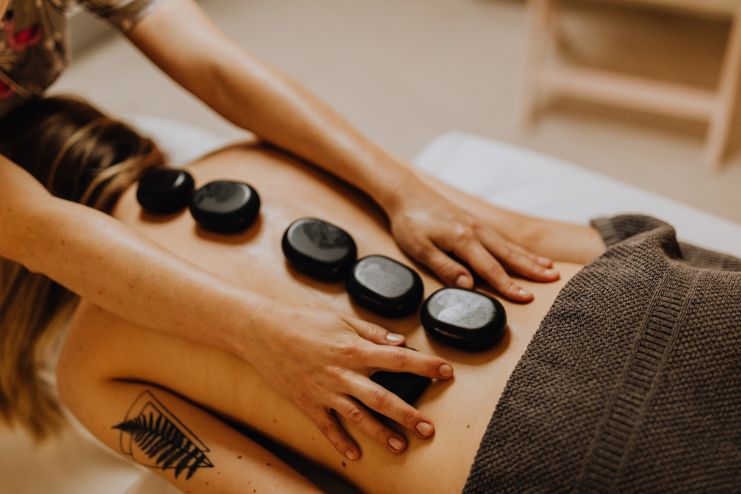
Hot stone massage represents one of the most popular and therapeutic forms of massage therapy available today, combining the ancient healing power of heated stones with modern massage techniques.
“Hot stone massage therapy is a massage protocol designed with the therapist holding the hot stones as he or she performs a Swedish or therapeutic massage. The heated basalt stones become one with the massage therapist’s hands to give the most relaxing massage possible,” explains Patricia Mayrhofer, president of Nature Stones Inc. in Churchville, Pennsylvania.
This comprehensive article explores the evidence-based benefits, safety considerations, and practical information you need to know about hot stone massage therapy.
Read More: The Healing Power of Color Therapy: Balancing Energy with Chromotherapy
What Is Hot Stone Massage?
Hot stone massage integrates traditional massage techniques with the therapeutic application of heated stones.
Professional massage therapists place smooth, heated basalt stones on specific points of the body to help relax muscles and improve circulation. The stones are typically heated to temperatures between 110-130°F (43-54°C) and serve dual purposes as both stationary heat sources and active massage tools.
The practice utilizes volcanic basalt stones, which are chosen for their ability to retain heat effectively and their naturally smooth surface that glides comfortably across the skin. These stones are strategically placed along the spine, in the palms of hands, between toes, and on other key energy points throughout the body.
The therapist also uses heated stones as extensions of their hands, performing long, flowing strokes that penetrate deeper into muscle tissue than traditional massage alone.
This ancient practice traces its therapeutic roots to various cultures, including Native American healing traditions, Chinese medicine, Hawaiian lomilomi techniques, and Indian Ayurvedic practices, where heated stones were used for healing and spiritual cleansing purposes.
Modern hot stone massage therapy has evolved to incorporate these time-tested traditional techniques with contemporary massage science and safety protocols.
The Science Behind Heat Therapy
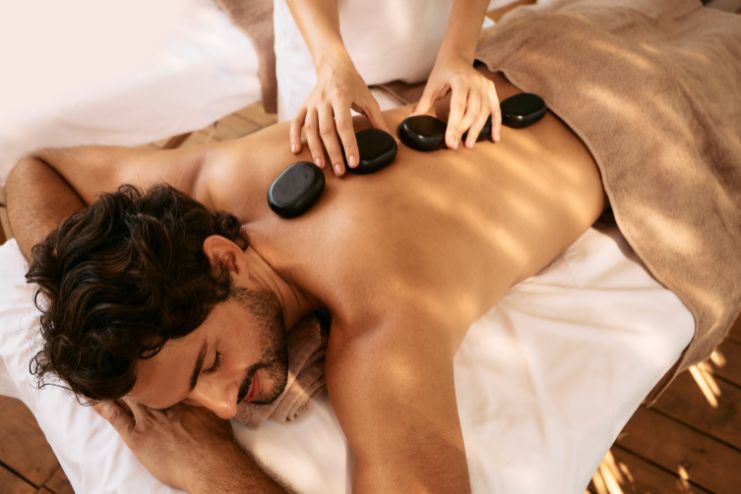
The therapeutic benefits of hot stone massage stem from the physiological effects of heat on human tissue. When heated stones are applied to the body, several important biological processes occur simultaneously. The heat causes vasodilation, expanding blood vessels and increasing circulation to the treated areas.
This enhanced blood flow delivers more oxygen and essential nutrients to tissues while simultaneously helping to remove metabolic waste products and toxins.
Heat also has a direct effect on muscle fibers, causing them to relax more completely than they would through manual manipulation alone. This muscle relaxation allows therapists to work more effectively on deeper layers of tissue without causing discomfort to the client.
Additionally, heat stimulates thermoreceptors in the skin, which can help block pain signals to the brain through a process known as the gate control theory of pain management.
Read More: Mud Therapy: Can Clay Heal Your Skin & Detox Your Body?
Evidence-Based Benefits of Hot Stone Massage

1. Muscle Tension and Pain Relief
Hot stone massage can effectively relieve pain and tension in muscles due to the combination of massage therapy and heat. Clinical studies have demonstrated that the therapeutic application of heat increases tissue elasticity, making muscles more pliable and responsive to therapeutic touch. The benefits include:
- Increased blood flow to affected areas, promoting faster healing
- Deeper muscle relaxation than traditional massage techniques
- Reduced muscle spasms and chronic stiffness
- Enhanced effectiveness of manual massage techniques
- Improved range of motion in joints and surrounding tissues
Research published in complementary medicine journals indicates that clients receiving hot stone massage report significantly greater pain reduction compared to those receiving traditional massage therapy alone, particularly for chronic musculoskeletal conditions.
2. Improved Sleep Quality and Insomnia Relief
Research has shown that hot stone massage can significantly improve sleep quality in various patient populations. A randomized controlled trial involving participants with chronic insomnia found that those receiving hot stone massage therapy experienced measurable improvements in sleep duration, sleep onset time, and overall sleep quality ratings.
The sleep-promoting effects appear to result from multiple mechanisms: the deep relaxation response triggered by heat therapy, the reduction in stress hormones like cortisol, and the release of endorphins and serotonin that promote feelings of well-being and drowsiness.
Many clients report feeling deeply relaxed and ready for sleep immediately following treatment sessions.
Read More: Best PEMF Therapy Devices for Pain Relief & Cellular Recovery
3. Stress and Anxiety Reduction

The combination of heat therapy and therapeutic touch creates a powerful stress-reduction experience that goes beyond simple relaxation. Hot stone massage promotes the release of endorphins, the body’s natural “feel-good” chemicals, while simultaneously reducing levels of stress hormones. This neurochemical response leads to:
- Decreased cortisol levels (primary stress hormone)
- Reduced anxiety symptoms and worry patterns
- Enhanced overall sense of well-being and emotional balance
- Improved mood regulation and emotional resilience
- Lower blood pressure and heart rate in many individuals
Studies measuring physiological stress markers before and after hot stone massage sessions consistently show significant improvements in stress-related biomarkers, suggesting genuine therapeutic benefits beyond subjective feelings of relaxation.
4. Enhanced Circulation and Cardiovascular Health
The thermal effects of hot stone massage cause significant improvements in circulation throughout the body. The heat from the stones causes blood vessels to expand (vasodilation), improving blood flow and lymphatic drainage. This enhanced circulation provides numerous health benefits:
- More efficient delivery of oxygen and nutrients to tissues
- Accelerated removal of metabolic waste products and toxins
- Reduced inflammation in affected areas through improved lymphatic drainage
- Support for the body’s natural healing and recovery processes
- Potential improvements in blood pressure regulation
For individuals with circulation problems or those recovering from injuries, the circulatory benefits of hot stone massage can be particularly pronounced and therapeutic.
Read More: Can You Train Your Nose to Smell Again? The Science of Smell Therapy
5. Management of Chronic Pain Conditions
Studies suggest that hot stone massage may offer significant relief for conditions like fibromyalgia, with patients experiencing fewer pain trigger points and reduced levels of pain-related substances. Current research is investigating its effectiveness for chronic musculoskeletal pain through multicenter randomized controlled trials.
Clinical observations indicate that hot stone massage may be particularly beneficial for:
- Fibromyalgia syndrome and widespread pain conditions
- Chronic lower back pain and sciatica
- Arthritis-related joint stiffness and discomfort
- Tension headaches and cervical spine dysfunction
- Post-surgical rehabilitation and scar tissue management
The heat therapy component appears to provide longer-lasting pain relief compared to traditional massage, with many clients reporting reduced pain levels for several days following treatment.
6. Mental Health and Emotional Well-being
Beyond physical benefits, hot stone massage therapy can have profound effects on mental and emotional health. The treatment environment, combined with the therapeutic touch and heat application, creates a meditative experience that can help individuals:
- Process emotional stress and tension stored in the body
- Develop better body awareness and mindfulness
- Experience genuine relaxation in our high-stress modern world
- Reconnect with their physical selves in a positive way
- Build resilience against future stress and anxiety
Many therapists report that clients often experience emotional releases during hot stone massage sessions, suggesting deep therapeutic benefits that extend well beyond physical muscle relaxation.
Read More: Color Walk Therapy: How Walking with Colors Can Boost Your Mood and Creativity
What to Expect During Your Hot Stone Massage Treatment
Pre-Treatment Preparation
24 Hours Before Your Session:
- Avoid excessive alcohol consumption
- Stay well-hydrated by drinking plenty of water
- Get adequate sleep to maximize treatment benefits
- Avoid intense physical exercise immediately before treatment
Day of Treatment:
- Eat a light meal 2-3 hours before your appointment
- Avoid caffeine and stimulants that might interfere with relaxation
- Arrive 10-15 minutes early to complete intake forms and health questionnaires
- Communicate any health concerns, medications, or recent changes in your condition
- Wear comfortable, loose-fitting clothing that’s easy to remove
The Treatment Process
- Initial Consultation and Assessment: Your qualified massage therapist will conduct a thorough review of your health history, current symptoms, and treatment goals. This consultation is crucial for identifying any contraindications and customizing the treatment to your specific needs.
- Preparation Phase: You’ll be given privacy to undress to your comfort level and position yourself on a professional massage table covered with clean linens. Most clients undress completely, but you’ll remain appropriately draped throughout the session.
- Stone Preparation and Placement: The therapist will test the temperature of heated stones before application. Smooth, heated basalt stones are then strategically placed on key anatomical points, including your spine, chest, stomach, face, palms, and between your toes.
- Active Massage Phase: Using additional heated stones as massage tools, the therapist performs various massage techniques, including long, flowing strokes, circular motions, and targeted pressure point work. The stones glide smoothly across your skin, penetrating heat deep into muscle tissue.
- Cool-Down and Integration: Toward the end of the session, stones are gradually removed, and the therapist may use cooler stones or traditional hands-on techniques to help your body temperature normalize.
Treatment sessions typically last between 60-90 minutes, depending on your specific therapeutic needs and the treatment plan developed with your therapist.
Read More: The LED Face Mask Trend: Do Light Therapy Masks Actually Work for Your Skin?
Post-Treatment Care
After your hot stone massage, it’s important to:
- Drink plenty of water to support the detoxification process
- Avoid strenuous activities for the remainder of the day
- Take a warm (not hot) bath if desired, avoiding extreme temperatures
- Pay attention to how your body feels and any changes in pain or tension levels
- Schedule follow-up appointments as recommended by your therapist
Safety Guidelines and Important Contraindications

Who Should Avoid Hot Stone Massage
Absolute Contraindications (Do Not Receive Treatment):
- Active fever, cold, flu, or other acute illness symptoms
- Open wounds, cuts, burns, or skin infections at potential treatment sites
- Severe cardiovascular disease without explicit physician clearance
- Blood clotting disorders or current use of anticoagulant medications
- Recent major surgery (within 6 weeks without medical approval)
- During Pregnancy
- Active cancer treatment involving chemotherapy or radiation
Conditions Requiring Medical Clearance:
- Controlled high blood pressure, diabetes, heart disease, or varicose veins
- Peripheral neuropathy or significantly decreased sensation
- Severe osteoporosis with fracture risk
- Autoimmune conditions during active flare periods
- Mental health conditions requiring medication management
- Any condition affecting your ability to sense temperature or communicate discomfort
Critical Safety Considerations
The American Burn Association notes that 130-degree Fahrenheit water can burn human tissue within one minute, making proper temperature control absolutely essential for client safety. Professional therapists must:
- Use calibrated digital thermometers to monitor stone temperature continuously
- Test stones on their own skin before any client application
- Maintain stones at safe therapeutic temperatures (110-125°F for direct skin contact)
- Remove stones immediately if clients report any discomfort or excessive heat
- Use protective barriers or towels when working with higher-temperature stones
- Maintain proper stone sanitization protocols between clients
Choosing the Right Qualified Practitioner
Essential Qualifications to Verify
- Current Licensed Massage Therapist (LMT) certification in your state
- Specific advanced training and certification in hot stone massage techniques
- Professional liability insurance coverage
- Clean, professionally maintained treatment facility
- Proper stone heating equipment and sanitization procedures
- Clear intake procedures and comprehensive health screening protocols
Important Questions to Ask Potential Therapists
- What specific training and ongoing education do you have in hot stone massage?
- How do you ensure safe stone temperatures throughout treatment?
- What sanitization and hygiene procedures do you follow?
- How do you modify treatments for clients with health conditions?
- Can you provide references from other healthcare providers?
- What should I realistically expect during and after treatment?
Read More: Best Red & Near-Infrared Therapy Panels for Skin & Healing
Conclusion and Future Outlook
Hot stone massage therapy represents a powerful integration of ancient healing wisdom with modern therapeutic understanding.
As we advance through 2025, ongoing research continues to validate many of the traditional claims about hot stone massage while providing new insights into its mechanisms of action and optimal applications.
The key to maximizing therapeutic benefits while minimizing any potential risks lies in careful practitioner selection, thorough health screening, and strict adherence to established safety protocols. Current evidence strongly supports hot stone massage as a safe and effective complementary therapy when performed by qualified professionals within appropriate clinical guidelines.
As healthcare continues to embrace integrative approaches that address both physical and emotional well-being, hot stone massage therapy is likely to play an increasingly important role in comprehensive wellness programs.
Whether you’re seeking relief from chronic pain, stress management, improved sleep quality, or simply a deeply relaxing therapeutic experience, hot stone massage offers a unique and scientifically supported approach to healing.
As with any therapeutic intervention, individuals should consult with their healthcare providers before beginning hot stone massage therapy, especially if they have underlying health conditions or are taking medications that might affect their response to treatment.
When approached thoughtfully and performed professionally, hot stone massage can be a valuable addition to your overall health and wellness strategy.
References
- https://www.webmd.com/balance/what-to-know-about-hot-stone-massage
- https://www.ncbi.nlm.nih.gov/pmc/articles/PMC6734672/
- https://www.vitalclinicandspa.com/hot-stone-massage-benefits-is-it-worth-it/
- https://www.ncbi.nlm.nih.gov/pmc/articles/PMC10466406/
- https://spaworldhouston.com/what-should-you-know-about-hot-stone-massage/
- https://ceinstitute.com/blogs/news/hot-stone-massage-protocol-safety-updates
- https://mblexguide.com/massage-contraindications-therapists-should-know/
- https://www.medicalnewstoday.com/articles/317675
- https://www.healthline.com/health/hot-stone-massage
- https://www.amtamassage.org/publications/massage-therapy-journal/hot-stone-massage/
- https://www.5starclinicltd.com/hot-stone-massage-what-to-expect-and-how-it-benefits-your-body/
- https://www.sheknows.com/health-and-wellness/articles/811960/ahhhh-hot-stone-massage-therapy/
In this Article