












A common misconception about autoimmune diseases is that they result from a weakened immune system. In reality, the opposite often occurs—an overactive immune system mistakenly attacks the body’s own tissues.
According to a recent study, approximately 10% of people suffer from an autoimmune condition, with the prevalence of autoimmune diseases rising by 3-12% annually.
More than around three-quarters of Americans use supplements in their daily life, with yearly spending reaching $50 billion. Research indicates that a significant number of autoimmune disease patients frequently take complementary and alternative therapies without informing their doctors.
The immune system is an intricate network of cells, mechanisms, and chemicals that protects the body from invasive infections, including bacteria, viruses, and toxins. Maintaining a balanced immune system is essential for preventing illness while avoiding overactivation that can lead to autoimmune responses.
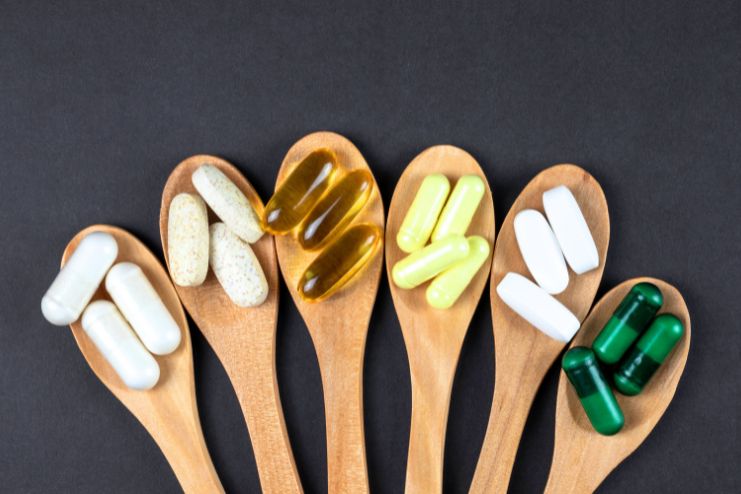
Some studies suggest that supplementing with specific vitamins, minerals, and herbs may help regulate immune function and reduce inflammation associated with autoimmune conditions.
Read More: Managing Autoimmune Diseases: The Role of Diet and Exercise
Key Autoimmune-Friendly Supplements for Immune Regulation
1. Vitamin D:
Vitamin D deficiency is becoming increasingly recognized worldwide. While experts once primarily recognized it for its role in bone health, they now highlight its numerous benefits for the skin, brain, and immune system, particularly in regulating autoimmune diseases.
Although we can produce vitamin D from sunlight, it undergoes several conversions before your body can utilize it effectively, making it challenging to obtain adequate active vitamin D from sun exposure alone. Vitamin D regulates certain gene expressions, inflammatory markers, and immune cells—all of which are intimately involved in the autoimmune cascade.
Vitamin D reduces inflammation, supports immune response, and enhances the ability of monocytes and macrophages—two types of white blood cells that are crucial components of your immune system—to combat pathogens.
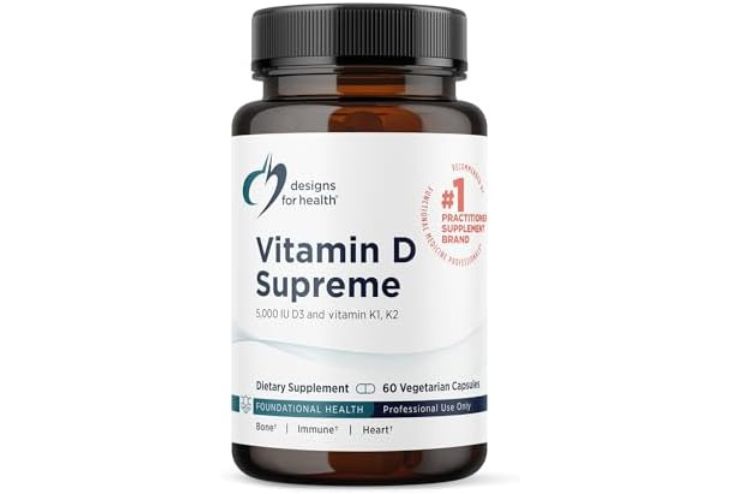
Product: Designs for Health Vitamin D Supreme
A single daily tablet delivers a potent combination of vitamin D3 (5000 IU), vitamin K1, vitamin K2 (MK-4), and GG to promote healthy aging, cardiovascular health, immune balance, and bone strength.
Key Benefits:
- Promotes calcium absorption and healthy bones.
- Supports the health of the heart and arteries.
- Improves the equilibrium of the immunological system.
- It contains GG to promote healthy aging.
2. Omega-3 Fatty Acids (EPA/DHA):
Omega-3 fatty acids are polyunsaturated fats, often referred to as “healthy fats,” that the body cannot produce independently—they must be obtained through diet or supplementation. They provide energy, support cellular structure throughout the body, and maintain proper function of the heart, lungs, blood vessels, and immune system.
Research suggests that omega-3 fatty acids found in fish and fish oil supplements may help alleviate symptoms of several autoimmune diseases, including Crohn’s disease, lupus, and rheumatoid arthritis. However, further research is needed to fully understand their mechanisms and optimal dosing.
Kristin Kirkpatrick, a registered dietitian in the Cleveland Clinic’s Department of Wellness & Preventive Medicine, emphasizes caution when choosing omega-3 supplements. She recommends that supplementation be paired with a nutrient-rich diet, quality sleep, stress control, and an active lifestyle.
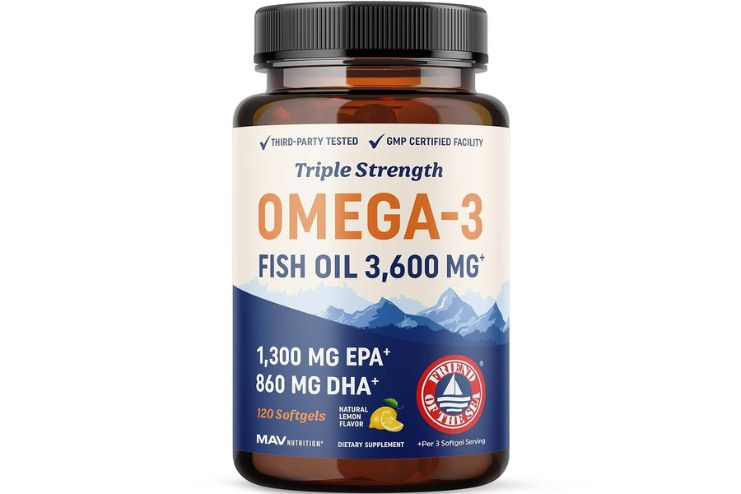
Product: Triple Strength DHA Omega-3 Fish Oil – 3600 mg
Rich in 1300 mg EPA and 860 mg DHA, each serving of this premium, burpless fish oil supplement has 3600 mg of ultra-refined omega-3s for immunological, heart, brain, and eye health.
Key Benefits:
- It supports the well-being of heart, brain, and vision.
- Delivers a strong dose, containing 1300 mg of EPA and 860 mg of DHA.
- Purified by molecular distillation.
- Derived from sustainable, wild seafood.
Read More: Exploring Autoimmune Triggers for Type 1 Diabetes
3. Magnesium
Magnesium is a crucial mineral that participates in over 300 enzymatic processes within the body, playing a role in various functions including immune system modulation, DNA synthesis, and energy production. Recent research suggests that magnesium deficiency may be associated with the development and progression of autoimmune conditions.
Magnesium levels are typically assessed through blood tests, with red blood cell (RBC) magnesium levels generally providing a better indicator of magnesium status than serum magnesium levels. Other assessment methods include oral magnesium loading tests, hair mineral testing, urine testing, and muscle biopsies.
Adequate magnesium is crucial for maintaining a balanced immune response. Magnesium directly impacts cytokine production, helping to regulate inflammation. Additionally, magnesium serves as a cofactor for several enzymes involved in immune regulation, supporting both innate and adaptive immune system processes.
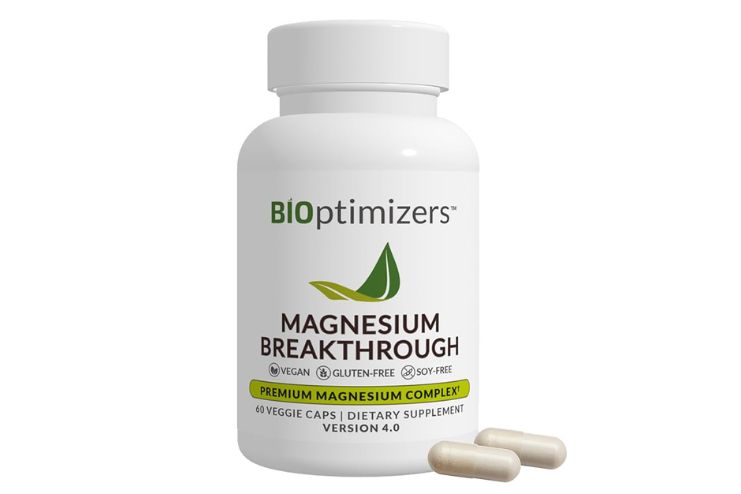
Product: BIOptimizers Magnesium Breakthrough Supplement 4.0
Glycinate, malate, citrate, and seven other highly absorbable forms comprise this comprehensive magnesium complex, designed to promote improved mood, sleep, cognitive function, muscular recovery, and overall relaxation.
Key Benefits:
- Combines magnesium in seven forms.
- Encourages tranquility and sound sleep.
- Supports both mental and emotional health.
- It helps with metabolism and muscle repair.
4. Curcumin (Turmeric Extract)
Turmeric’s primary active ingredient is curcumin. It possesses strong anti-inflammatory properties, and research suggests that it may enhance the immune system. The most well-known qualities of this herb are its anti-inflammatory qualities and its significant contribution to the inhibition of two main inflammatory pathways in autoimmunity.
Curcumin significantly impacts the immune system by bolstering and regulating the reaction of immune cells to foreign invaders. Research has indicated positive results in reducing the symptoms of lupus nephritis and rheumatoid arthritis, including pain, hematuria, proteinuria, and blood pressure.
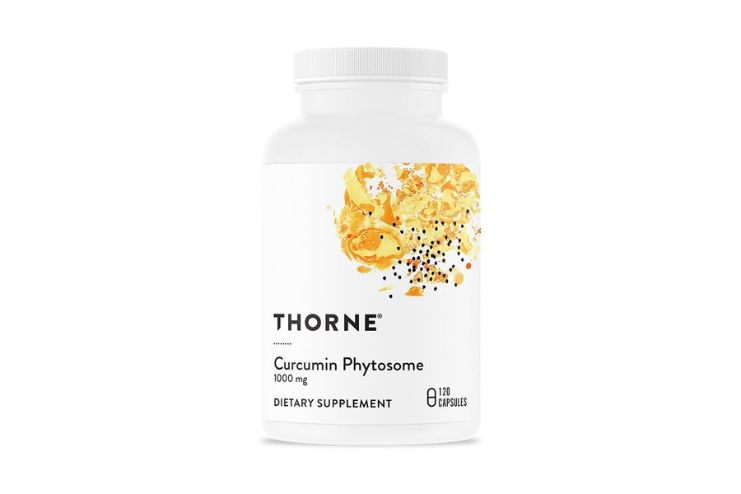
Product: THORNE Curcumin Phytosome 1000 mg (Meriva)
Athletes, professionals, and wellness experts worldwide trust this professionally researched, high-absorption curcumin supplement, which utilizes Meriva phytosome to promote joint, muscle, liver, brain, and gastrointestinal health.
Key Benefits:
- Decreases the stiffness of joints.
- Reduces aching muscles.
- Promotes GI, liver, and brain health.
5. L-Glutamine
L-glutamine is a precursor to glutathione, your body’s most potent antioxidant, which plays a crucial role in detoxification by binding to and eliminating toxins. While your body naturally produces some glutathione, chronic stress, illness, prescription medications, and poor diet can quickly deplete it, exacerbating inflammatory responses.
Chronic inflammation is frequently a direct contributor to autoimmune disorders like Crohn’s disease and rheumatoid arthritis. Insufficient glutathione production impairs your body’s ability to detoxify effectively, causing toxins to accumulate and be stored in tissues. This places additional stress on your immune system, potentially resulting in illness.
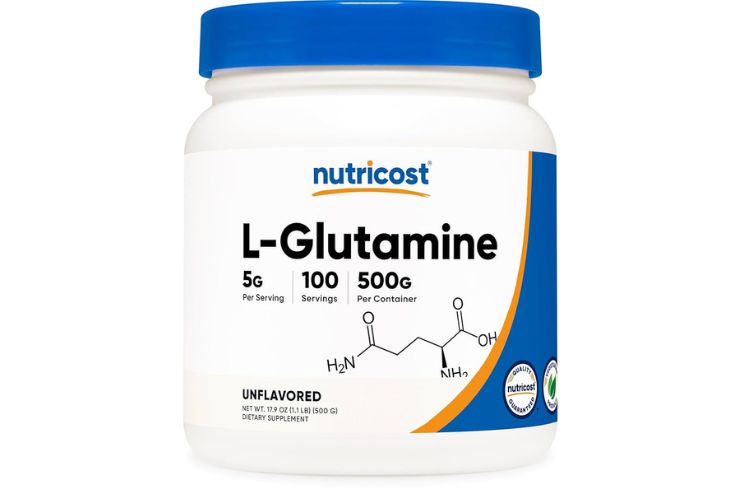
Product: Nutricost L-Glutamine Powder (500g)
5000 mg of pure, unflavored L-glutamine powder per dose, perfect for immune system function, gastrointestinal support, and muscle recovery. Gluten-free, non-GMO, and produced in a facility with GMP certification.
Key Benefits:
- Each serving contains 5000 mg L-glutamine.
- Aids in the healing of muscles
- Supports immunological and intestinal health
Read More: New Evidence Finds Why Women Are More Prone To Autoimmune Diseases Than Men
6. Probiotics (Strain-Specific)
Since gut health and autoimmune illness are closely connected, and the gut contains a significant portion of our immune system, probiotics benefit both immune function and gut health, helping to reduce autoimmune disease symptoms.
Research has demonstrated that probiotics can improve health outcomes for people with Crohn’s disease, multiple sclerosis, ulcerative colitis, rheumatoid arthritis, and systemic lupus erythematosus.
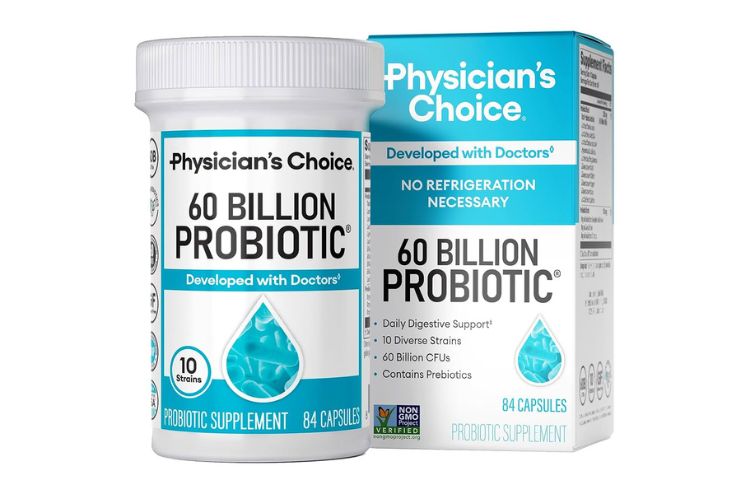
Product: Physician’s Choice Probiotics – 60 Billion CFU
Designed for both men and women, this high-potency probiotic contains ten strains and organic prebiotics to support gut, immunological, and digestive health. The manufacturer designed it to colonize and survive successfully.
Key Benefits:
- Promotes immunological, digestive, and intestinal health.
- Aids in bloating, irregularity, and gas relief.
- Capsules that are shelf-stable and resistant to acid.
7. Adaptogens (Ashwagandha, Rhodiola, Reishi – With Caution)
Approximately 47% of Americans report increased stress levels since the pandemic began, leading many to seek stress reduction methods.
“Eastern remedies, particularly adaptogens, are gaining renewed interest and popularity,” notes Dana Ellis Hunnes, PhD, MPH, RD, a senior dietitian at UCLA Health. “These type of natural substances are believed to help our body better manage stress and enhance resilience.”
Adaptogens, found in herbs, roots, and plant-based sources like mushrooms, are known for supporting the body in restoring balance after facing physical or emotional stressors. People use adaptogens as herbal supplements in the form of capsules, teas, or powders, and they often add them to soups, smoothies, and other dishes.
Stress of any kind, hormonal, emotional, physical, or related to food and drink, impacts the body’s systems. The hypothalamic-pituitary-adrenal (HPA) axis, which initiates the body’s stress response and is crucial for maintaining bodily balance, is believed to interact with adaptogens, according to experts.
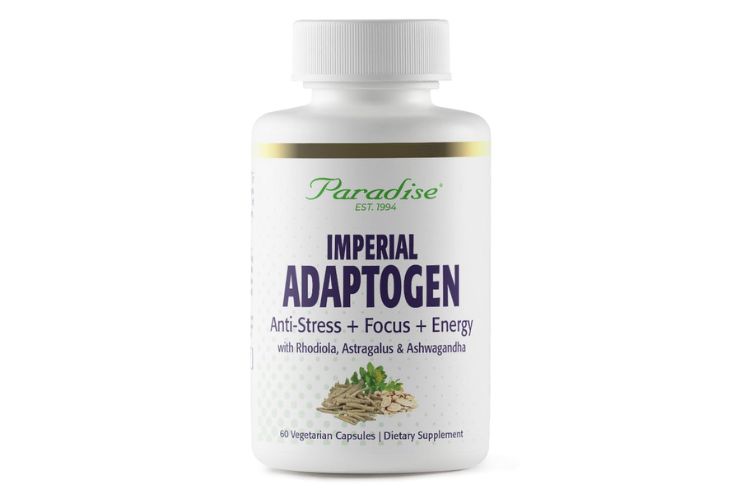
Product: Paradise Herbs Imperial Adaptogens
This potent adaptogenic combination, which includes Rhodiola, astragalus, ashwagandha, and other herbs, is crafted using a clean, full-spectrum extraction method that is free from harsh chemicals to support energy, focus, and stress resilience.
Key Benefits:
- Promotes balance and stress resilience.
- Increases vitality and concentration.
- Includes substantial 10:1 herbal extracts.
Read More: Building Blocks of Health: Top 10 Amino Acid Supplements for Optimal Wellness
What to Avoid: Immune-Stimulating Supplements That May Worsen Symptoms
Individuals with autoimmune illnesses should avoid certain herbal remedies and supplements, as they may be dangerous for those with these conditions.
Echinacea: People with autoimmune illnesses should avoid echinacea because it may stimulate the immune system and trigger autoimmune reactions. While popular for preventing or treating infections and strengthening the immune system, echinacea can promote the development of specific immune cells and proteins that might worsen autoimmune diseases.
Elderberry: Frequently used as a home remedy to strengthen the immune system and reduce flu and cold symptoms, elderberry can boost immune function and potentially exacerbate autoimmune symptoms, making it problematic for individuals with autoimmune diseases.
Olive Leaf: Despite its potential anti-inflammatory and antioxidant properties and long history in herbal medicine, there is limited scientific evidence regarding its effectiveness and safety in patients with autoimmune diseases.
High-Dose Vitamin C: This may surprise many, especially those taking large amounts. High vitamin C intake should be avoided by individuals with autoimmune illnesses, as it may exacerbate their condition by stimulating the immune system. Additionally, high vitamin C doses can cause gastrointestinal problems, including cramps, nausea, and diarrhea.
How to Build a Safe Supplement Routine for Autoimmune Support
Developing a safe and effective supplement regimen for autoimmune support requires careful planning and professional guidance.
Always Check for Drug Interactions: Supplements can interact with prescription medications, particularly steroids or immunosuppressants. Consult your physician or pharmacist before starting any new supplement regimen.
Start Low and Go Slow: Begin with the lowest effective dose and increase gradually as tolerated. This approach reduces the possibility of triggering flare-ups and helps monitor how your body responds.
Read More: Daily Supplements for Heart Health: Vitamins and Minerals to Manage Cholesterol
Conclusion
Supplements can be effective tools for managing autoimmune diseases when used correctly. The key is selecting products that facilitate immune balance rather than stimulation, aiming to reduce inflammation and restore equilibrium without overstimulating the immune system.
While it’s easy to assume that “immune-boosting” is always beneficial, with autoimmunity, a personalized, subtle approach is far safer and more effective. Science-backed, custom-formulated supplements can help meet individual requirements without toxic or overstimulating ingredients.
However, supplements represent only part of the healing equation. Long-term management and improvement require an anti-inflammatory diet consisting of whole foods, stress reduction techniques, quality sleep, and regular clinical management with knowledgeable healthcare practitioners.
References
- https://rheumatologistoncall.com/3-best-supplements-for-autoimmune-diseases-guide/
- https://www.healthline.com/nutrition/immune-boosting-supplements
- https://www.webmd.com/healthy-aging/omega-3-fatty-acids-fact-sheet
- https://www.medicalnewstoday.com/articles/omega-3-supplements-vitamin-d-more-effective-preventing-autoimmune-diseases#How-should-I-choose-vitamin-D-or-omega-3-supplements
- https://autoimmunesisters.com/magnesium-autoimmune-disease/
- https://cure4pain.in/magnesium-deficiency-and-autoimmune-diseases-a-comprehensive-overview/
- https://pmc.ncbi.nlm.nih.gov/articles/PMC6278270/
- https://www.uclahealth.org/news/article/what-are-adaptogens-and-should-you-be-taking-them
- https://www.mollyroberson.com/post/supplements-to-avoid-with-autoimmune-disease
In this Article