















Winter clothing has changed quietly in the last 15–20 years. Earlier, people mostly wore wool, cotton layers, maybe a thick sweater, and that was it. Now, winter wardrobes are filled with “performance” fabrics, thermal base layers, fleece, stretch jackets, quick-dry innerwear, and even insulated techwear.
This actually sounds good: it keeps you warm, wicks sweat, is breathable, lightweight, and easy to wash.
But many people notice something very odd after wearing these clothes regularly: skin starts itching for no reason, you feel sweaty but also cold, rashes appear only in winter, your body feels just uncomfortable indoors, and some fabrics smell bad quickly, even after washing.
This is not just “sensitive skin” or “winter dryness.” There are hidden health and comfort issues in modern synthetic winter fabrics that are not well-known.
This article isn’t about anti-techwear. It simply explains what happens when synthetic fabric, sweat, skin, and cold air interact in real life.
The “Breathability” Paradox of Winter Techwear
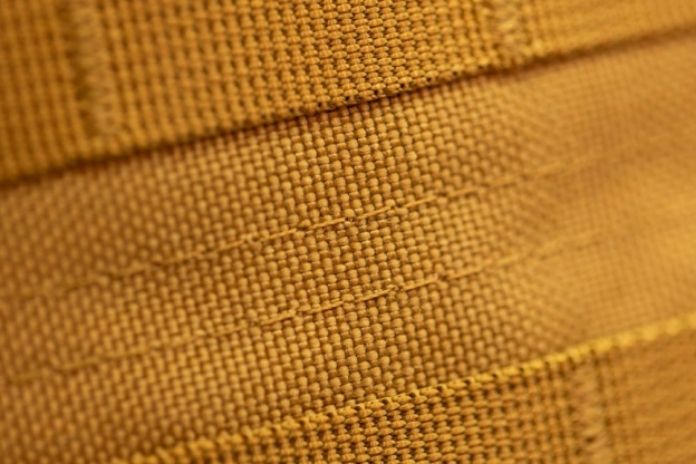
Most winter tech fabrics are marketed as breathable. But breathability in winter works differently than in summer.
1. Why Synthetic Fibers Fail at Moisture Control
Synthetic fibers like polyester do not absorb water. They move moisture across the surface. As many textile experts point out, “Technical fabrics made from man-made fibers—wick away the sweat from your body, which makes sure you don’t get damp and cold,” says Mohit Oberoi, athlete and owner of Adventure 18.
That is exactly what you want in winter. The idea is simple: move sweat away from the skin so it can evaporate quickly.
But here is where winter physiology complicates things.
- Sweat does not soak in
- It stays trapped between skin and fabric
- The fabric dries fast, but your skin remains damp
Natural fibers behave differently. Cotton and wool absorb some moisture inside the fiber, which reduces that sticky sweaty layer on the skin.
In winter, just a small amount of trapped sweat can become a problem itself because cold air turns that moisture into chill very quickly.
So you may feel sweaty inside, cold outside, and itchy everywhere. It is not always “poor layering.” Sometimes it is fabric behavior.
2. The Microclimate Problem
Every winter outfit creates a microclimate, the tiny environment between your skin and clothing. With synthetic fabrics, this microclimate becomes unstable:
- Heat builds up quickly
- Sweat starts earlier
- Moisture cannot settle properly
- Airflow is blocked by tight weaves
This is why some people feel uncomfortable even in expensive winter jackets. The body is overheating and cooling in cycles. Your skin likes stable conditions. Tech fabrics often create constant fluctuation.
3. The Chilling Effect After Activity
This is one of the most under-discussed issues. You walk fast, climb stairs, and do some work outside. You sweat slightly. Then you stop.
Suddenly, you feel cold immediately.
This happens because synthetic fabrics hold sweat close to the skin surface. When activity stops, evaporation begins, and evaporation steals heat.
So the same “quick-dry” feature can become a cooling mechanism at the wrong time.
This is why people sometimes feel colder after wearing “high-performance” winter base layers compared to old-school wool.
The Hidden Health Effects of Synthetic Winter Fabrics
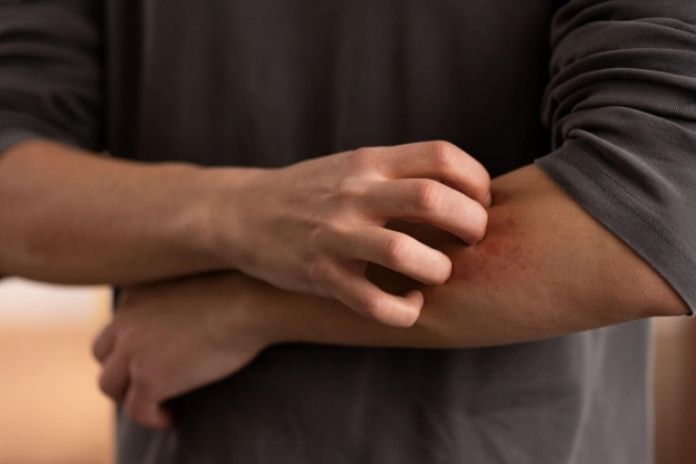
The comfort issues are on one side. But there are also skin and health effects that are not openly discussed.
1. Textile Contact Dermatitis
Textile dermatitis is not always caused by the fabric itself. Often, it is caused by what is inside the fabric: dyes, finishing chemicals, anti-odour coatings, formaldehyde resins, and softeners.
Winter clothing has more treatments because brands want stretch, water resistance, odor control, and durability. The skin reacts slowly.
Dr. Sunita Naik, a dermatologist, explains, “In winter, people wear rough fabrics or tight nightwear or thermals that trap heat and can trigger itching.”
This combination of friction, trapped warmth, and chemical exposure increases the risk of textile irritation.
Common signs include:
- Itching around the neck, waist, and underarms
- Red patches after wearing thermals
- Irritation that disappears in summer
Many people blame “dry skin,” but the trigger is sometimes the fabric system itself.
2. The “Sweat-Leach” Effect
Here is something rarely mentioned. When you sweat in synthetic winter clothes, sweat does not just contain water. It contains salts, urea, skin oils, trace metals, and residues from soaps and lotions.
Synthetic fibers do not absorb these well. They hold them on the surface. Now add fabric chemicals and dyes. Sweat acts like a solvent. So you get a sweat with a chemical mixture sitting on the skin for hours.
This can worsen eczema, fungal irritation, acne on the body, and heat rashes in winter. It is not sweat alone. It is sweat interacting with synthetic finishes.
3. Disruption of the Skin Microbiome
Your skin has its own microbiome, healthy bacteria that protect you. Synthetic fabrics can disturb this balance because they create the following:
- More humidity
- Less airflow
- Faster bacterial overgrowth
That is why polyester winter layers often smell quickly even after washing. Smell is not just unpleasant. It signals microbial imbalance on the skin.
Over time, some people develop recurring irritation, folliculitis, and winter flare-ups of dermatitis.
This is still an under-researched area. But many dermatologists agree that clothing affects skin ecology more than we realize.
4. Respiratory and Systemic Concerns
This is not about fear. It is about exposure. Synthetic winter clothes shed microfibers. Every wash and wear releases tiny particles into the air and the environment.
Indoors, in closed winter rooms, this matters more. Some concerns being studied include:
- Inhalation of textile microfibers
- Chemical off-gassing from waterproof coatings
- Sensitivity in asthma-prone individuals
The research is still developing, but the gap is clear: We regulate food packaging heavily, but clothing exposure is barely discussed.
Winter clothing is worn close to the skin for long hours. It deserves more attention.
Smart Alternatives for Warmth Without the Triggers
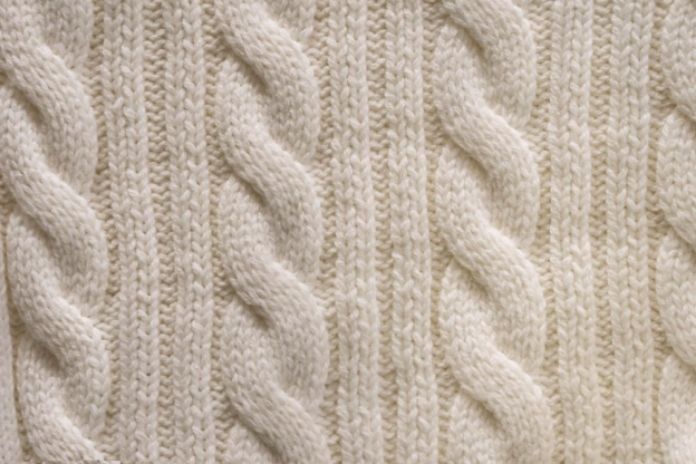
The solution is not “throw all polyester.” It is choosing smarter combinations.
1. Natural and Bio-Based Blends
The best winter layers often are blends, not extremes.
Look for merino wool with cotton, wool with silk, cotton with modal, and bamboo blends (with caution).
Merino is especially useful because it:
- Insulates even when damp
- Reduces odor
- Feels softer than traditional wool
Natural fibers stabilize the microclimate better.
2. Grid Fleece and Bio-Synthetics
Not all synthetics behave the same. Grid fleece is designed with air pockets, so it traps warmth without trapping sweat heavily.
Some newer bio-based synthetics also reduce harsh chemical finishing. If you want performance wear, choose fabrics with fewer coatings, simpler construction, and minimal odor-control chemicals.
Odor-control treatments often cause irritation in sensitive skin.
3. Watch the Elastane Ratio
Stretch is comfortable, but elastane (spandex) changes airflow. Higher elastane means a tighter fit, resulting in the trapping of more sweat and causing additional friction.
For base layers, try keeping elastane below 5–8%.
Many cheap thermals go above 15%, which can worsen itching and tight-sweat issues.
Read More: Cold-Weather Immunity: Zinc, Vitamin D, Sleep, What Actually Helps
Building a Health-Focused Winter Layering System
Instead of buying random “thermal wear,” build layers based on skin comfort. A simple health-first system:
1. Inner layer (skin contact)
- Merino wool
- Soft cotton-modal
- Minimal dye, no anti-odor finish
2. Mid layer (insulation)
- Wool sweater
- Grid fleece
- Breathable down vest
3. Outer layer (weather protection)
- Windbreaker
- Water-resistant shell (not worn directly on skin)
The biggest mistake is wearing heavy synthetics directly on the skin for 8–10 hours.
Read More: How to Stop a Cold When You Feel It Coming On
When to See a Dermatologist

Do not ignore repeated winter skin reactions. See a dermatologist if you have:
- Rashes every winter in the same areas
- Itching that does not improve with moisturiser
- Eczema flare-ups after wearing thermals
- Suspected textile allergy
- Persistent folliculitis or body acne
Patch testing can identify textile chemical sensitivities. Sometimes the solution is as simple as changing innerwear fabric.
Read More: Is It Normal to Feel Cold All the Time? Thyroid, Iron, and Circulation Explained
Final Thoughts
Winter tech fabrics are not evil. They are just designed for a specific purpose: short-term performance, not long-term skin harmony.
The problem is that many people now wear synthetic winter layers daily, indoors and outdoors, for months.
The skin is not a machine. It reacts to heat, friction, moisture, chemicals, and airflow. Warmth is not only about insulation. Comfort is about microclimate stability.
Sometimes the “old boring wool layer” works better than the most advanced thermal layer marketed online.
- Winter discomfort is often caused by moisture trapping, not lack of warmth.
- Synthetic fabrics change skin microclimate more aggressively than natural fibers
- Sweat in techwear can interact with dyes and finishes, increasing irritation risk.
- Skin microbiome disruption from synthetic humidity is an emerging concern.
- Research gap: long-term daily exposure to textile chemical coatings in winter clothing is still poorly studied compared to food or cosmetics.
FAQs
1. Why do thermals make me itchy even if they feel soft?
Because itching is often due to dyes, chemical finishes, or sweat trapping, not texture alone.
2. Is polyester always bad for winter?
Not always. It works well as an outer or mid-layer, but prolonged skin contact can trigger irritation in some people.
3. Does merino wool really help compared to synthetic base layers?
Yes, merino stabilizes moisture and reduces odor, making it better for sensitive skin.
4. What winter fabric is safest for eczema-prone skin?
Soft cotton-modal blends or even untreated merino are usually better than coated synthetics.
5. Are anti-odour winter clothes harmful?
They can be irritating because anti-odour treatments involve antimicrobial chemicals that may affect skin balance.
References
- Broadhead, R., Craeye, L., & Callewaert, C. (2021). The Future of Functional Clothing for an Improved Skin and Textile Microbiome Relationship. Microorganisms, 9(6), 1192.
- Hatch, K. L., & Maibach, H. I. (1995). Textile dye dermatitis. Journal of the American Academy of Dermatology, 32(4), 631–639.
- Sfameni, S., Lawnick, T., Rando, G., Visco, A., Textor, T., & Plutino, M. R. (2023). Super-Hydrophobicity of Polyester Fabrics Driven by Functional Sustainable Fluorine-Free Silane-Based Coatings. Gels, 9(2), 109.
In this Article