














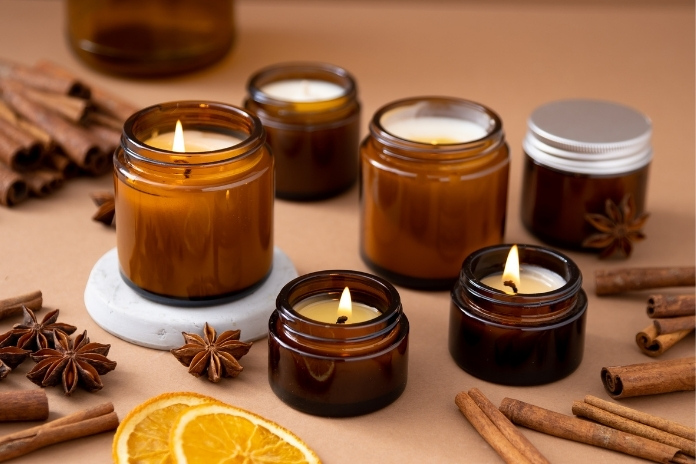
After a long day, nothing calms the atmosphere like a lovely candle. The flicker of a flame, the tawny glow, and a light scent all instill an immediate feeling of relaxation and comfort.
The scents in your candle, which may consist of sandalwood, lavender, and jasmine, can be both invigorating and relaxing. Often, when people decorate a place for the holidays, they consider it happier and more festive if it also smells like pine, gingerbread, or cinnamon.
Many of us use our candles to create a cozy and festive atmosphere inside our homes, especially during the winter months. Sadly, most of the store-bought scented candles can reduce the quality of air inside our homes. Even when not burning, the average scented candle can emit toxins into the air from the wax, wick, and fragrance.
With these thoughts in mind, we take the next logical step: Are scented candles safe mood enhancers, or do we need to worry about other effects? Let’s examine the facts and determine whether our beloved candles are as safe as they appear.
Read More: Prevent Asthma Flare-Ups with These 10 Simple Indoor Air Quality Solutions
What’s in a Scented Candle?
A scented candle may appear straightforward at first, but it is actually a mixture of elements that affect how it burns and what it emits into the atmosphere.
Fragrances are frequently used in the making of candles in the United States. In the United States, around 75–80% of candles sold are scented. Candle makers collaborate with fragrance companies to craft scents that are both appealing and burn safely.
When you light a scented candle, the solid wax and heated wax pool release their fragrance as they evaporate, spreading the perfume. Well-made scented candles burn similarly to unscented ones, releasing primarily carbon dioxide and water vapor. The sole distinction is that scented candles also produce a smell.
What Constitutes Candle Wax?
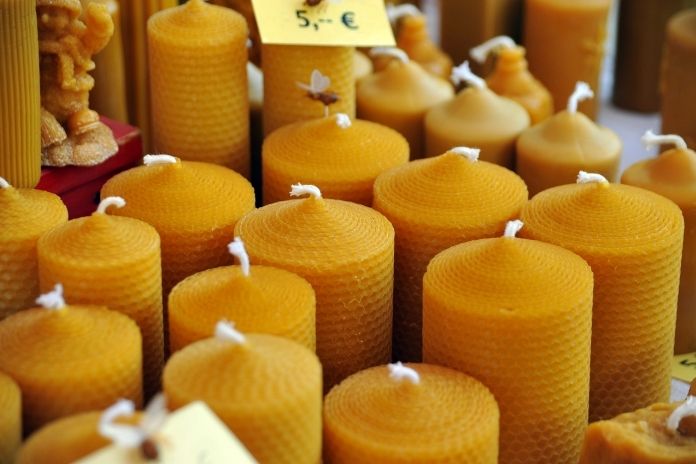
Paraffin: The most common basis for candles, particularly in less expensive goods, is paraffin. Paraffin, a by-product of the oil industry, is extracted from the earth in a process that is highly wasteful and also unsustainable.
Palm Candles: Although they may appear to be a more environmentally responsible option, candles made from palm oil can have drawbacks. Large-scale deforestation is necessary for the growth of palm oil trees, and ethical certifications aren’t always reliable. Although this option may initially seem more compassionate, it is definitely worth investigating further.
Soy and Rapeseed: For plant-based consumers, a blend of soy and rapeseed wax is ideal because it is entirely vegan. We also choose rapeseed for its minimal carbon impact, and we use non-genetically engineered soy. This combination is excellent for safeguarding the environment and its inhabitants.
Scented candles are appealing due to their fragrance. While some candles utilize essential oils for a more delicate, natural scent, many employ synthetic fragrance oils to offer a range of aromas that last longer. But when exposed to extreme heat, essential oils might not always withstand it as well.
These elements work together to influence the candle’s impact on indoor air quality and its scent.
Read More: Useful Plants to Improve Indoor Air Quality
How Candles Affect Indoor Air Quality
Although burning candles can contribute to indoor air pollution, scientists and medical experts disagree on whether the small amounts of emissions they produce can significantly affect health.
Given all the available research, Pulmonologist Dr. Renee Dixon, MD, says she isn’t concerned for people who choose to light them up (in a well-ventilated space, at least).
Burning candles may alter the air quality in your home, despite their association with coziness and relaxation. Sadly, over time, all candles—particularly those made from paraffin wax and synthetic fragrances—can negatively affect indoor air quality.
The primary issue with these materials is the increased production of soot, which the EPA claims may contain lead, phthalates, and volatile organic compounds (VOCs) such as toluene and benzene. Airborne soot can exacerbate respiratory issues and trigger symptoms of asthma or allergies. Soot may eventually accumulate on house ventilation systems and air filters, reducing the air quality.
Toluene is frequently found in adhesives and paint thinners. Exposure to toluene can irritate your skin, nose, throat, and eyes if there is inadequate ventilation. Additionally, it may result in headaches, lightheadedness, disorientation, and anxiety.
Benzene is emitted by volcanoes, the combustion of coal or oil, and forest fires. Although industries and medicine mainly use benzene, smoking causes 90% of all benzene exposures. Studies show that benzene increases the risk of leukemia and other blood cancers, making it a carcinogen.
According to the EPA, there is no concrete evidence showing that burning candles indoors poses a health risk. Instead, you should always be cognizant of any irritation that may come from a specific candle.
Potential Health Risks of Scented Candles

The possibility of lead exposure is the most significant health risk associated with candles. People first inserted metal into wicks to keep them straight as the candle burned. Most candle manufacturers voluntarily stopped using lead wicks in the 1970s, following the publication of studies that showed they increased lead levels in indoor air when burned.
U.S. law requires manufacturers to use lead-free candle wicks, but other countries do not always follow this rule. A tiny percentage of candles imported into the United States have lead in the wicks, according to research organizations and consumer protection organizations.
“It’s very clear cut, when you think about it,” says Dr. Karen Bartlett, a professor at the University of British Columbia who specializes in inhalation toxicology. “When a candle burns, it produces particulate matter: solids in a tiny size range of 2.5 microns or less that are invisible and can travel deep into the lungs.
Picture a candle that’s been burning for several hours; it’s now three or four inches shorter. All of that doesn’t vanish—it goes into the atmosphere, and you can breathe it in.”
Are Natural or “Clean” Candles Safer?
Many individuals are using “natural” or “clean” candles as a purportedly healthier alternative, as indoor air quality becomes a growing concern. Select unscented or organically scented candles made of the following to reduce any adverse effects of scented candles:
- Soy-based wax
- Palm oil wax and beeswax
- Wax made from vegetables
- Wax from coconuts
These candles have a longer and cleaner burn. Generally speaking, unscented candles have a light and organic scent. As an alternative, homes can experiment with DIY natural air fresheners, essential oil diffusers, and wax melts.
Read More: Can Hay Fever Make You Dizzy? Surprising Symptoms of Seasonal Allergies
Safer Ways to Use Candles at Home
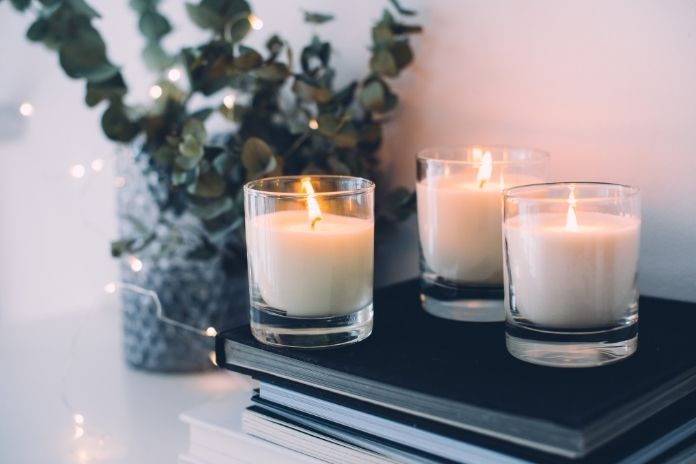
There are a few simple steps that can help reduce hazards while allowing you to enjoy and create the glow you love. If you want the atmosphere that candles create but are concerned about indoor air quality, these steps can help.
- Choose candles with a single wick that are crafted from 100% cotton.
- Before lighting, trim the wick to ¼ inch to help ensure an even burn.
- Only light candles in a well-ventilated area. Open a window or use a fan to help prevent smoke and volatile organic compounds from accumulating in the air.
- Long burning times increase the amount of chemicals released into the air, as well as soot. After burning for a few hours, extinguish the candle, allow it to cool, and then re-light if desired.
- If your candles leave excessive soot on the container, wax, or surrounding area, discontinue use.
- Select unscented or lightly scented dolls if you have a history of headaches, allergies, or asthma to minimize irritation.
- Consider beeswax candles for a cleaner-burning candle, essential oil diffusers for scent without smoke, or candles that use an air filter to minimize pollution.
- Only burn candles for 1-2 hours.
Candle Substitutes
Consider these options if you’d like to forgo candles altogether but want the ambience of a burning candle in your house:
- Like diyas used in many Indian subcontinental religions, ghee and oil lamps emit no smoke and cause less harm to the air than incense or candles.
- Although they are undoubtedly not as good as the diya, flameless candles pose no fire hazard.
- Wax melts might be a good alternative to scented candles if you purchase them for the aroma. Dr. Dixon says the low temperatures used in wax melting result in fewer combustion byproducts.
Read More: Top 5 Viral Infections Mistaken for Allergies (And How to Spot the Difference)
Conclusion
While scented candles contribute warmth, comfort, and atmosphere to our homes, their use can also influence the air quality within our homes. For generally healthy people, using candles occasionally is unlikely to trigger immediate health issues. However, frequent use, especially in poorly ventilated rooms, may contribute to breathing discomfort, headaches, or irritation, and possibly exacerbate other underlying conditions, particularly for those with sensitivities.
As such, moderation and conscious decision-making are essential. For example, consider using other, safer fuel sources, like soy or beeswax candles with cotton wicks, which typically release fewer pollutants than paraffin candles.
This way, you will enjoy the ambience of a relaxing space without the health concerns.
References
- https://www.iqair.com/us/newsroom/hidden-dangers-scented-candles
- https://theconversation.com/how-home-fragrances-can-impact-indoor-air-quality-and-your-health-244221
- https://health.clevelandclinic.org/are-candles-bad-for-you
- https://providers.clevelandclinic.org/provider/renee-dixon/4940668
- https://www.aireserv.com/about/blog/2022/may/are-candles-bad-for-indoor-air-quality-/
- https://candles.org/elements-of-a-candle/fragrance/
- https://ucfhealth.com/health-tips/scented-candles-bad-health/
- https://www.vchri.ca/researchers/karen-bartlett
In this Article