









Picture this: you’re hungry between meals, you spot a bag of rice cakes in the pantry, grab one because it feels light and crunchy, and nobody’s going to judge a rice cake.
The label says “diet friendly,” “low-calorie,” “perfect for weight loss.” But here’s the question: does that label mean “healthy” in the deeper sense? Or is it just smart marketing?
Rice cakes can indeed fit into a balanced diet. They’re often low in calories and feel like a good snack option. But their health value depends heavily on which type you choose, what you pair them with, and how you use them (a quick fix snack or part of a nutrient-rich habit). Without those qualifiers, “rice cake” may simply equal “quick carb” and not much more.
In this article, we’ll break down the full picture: we’ll look at what rice cakes are made of, their nutrition profile, their benefits and downsides, their role in weight-loss or blood-sugar management, ways to make them more nutritious, and smarter snack or alternative picks. The goal: you’ll leave knowing exactly whether rice cakes deserve that “healthy snack” badge in your diet.
Quick Summary
- A typical plain rice cake(~9 grams) delivers around 35–40 calories, ~7–8 g carbs, <1 g protein, 0–0.5 g fiber, and very little fat.
- If you’re using rice cakes for weight loss or as a gluten-free snack, they offer convenience, but by themselves, they lack fiber and protein, and have a high glycemic index.
- You can improve their value by choosing brown-rice or whole-grain versions and pairing with high-protein or high-fiber toppings.
- Flavored rice cakes often introduce sugar and sodium, reducing health benefits.
- For people managing diabetes or blood sugar, rice cakes can fit, but only when combined with protein/fat/fiber to blunt the glycemic spike.
Now, let’s dig deeper.
What Are Rice Cakes Made Of?
Here’s the thing: rice cakes look simple, but there’s a real process behind them.
Manufacturers take rice, expose it to high heat and pressure, and the grains expand and fuse into that familiar crunchy disk. Many plain versions stick to a single ingredient, but plenty of brands add salt, sugar, seasonings, or mix in other grains to tweak texture and flavour.
The type of rice matters too. White rice cakes come from refined grains with the bran removed, while brown rice cakes keep the whole grain intact and usually carry a bit more fiber and micronutrients. Even then, the nutritional differences aren’t always dramatic, because some products use highly processed grains or tiny amounts of whole grain that don’t move the needle much.
Flavoured varieties change the story entirely. Caramel, chocolate drizzle, cheddar seasoning, or multigrain blends can bump up sodium, sugar, and calories fast. A single caramel cake can hit roughly 50 calories with noticeable added sugar, which is very different from the bare-bones version people imagine when they think “healthy snack.”
So the real takeaway is simple: rice cakes aren’t all created equal. What you see on the ingredient list and nutrition label tells you far more than the name on the package.
Rice Cakes Nutrition Facts (Per One Plain Cake)
Here’s a typical nutritional profile for one plain rice cake (~9 g):
- Calories: ~35–40 kcal
- Total Carbohydrates: ~7–8 g
- Protein: < 1 g
- Fat: 0 g (or very low)
- Fiber: ~0–0.5 g
- Sodium: Plain ~0–30 mg; flavored versions are much higher.
They’re low-calorie and low in fat, but also low in satiety-boosting nutrients like fiber and protein. Without those, they may leave you feeling hungry soon after.
Are Rice Cakes Healthy? The Pros and Cons
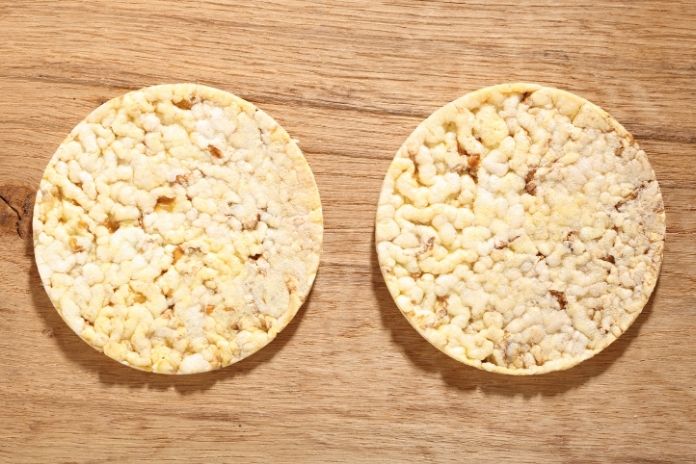
According to Christa Brown, MS, RDN, LD, rice cakes are a simple, allergen-friendly snack suitable for vegans, vegetarians, and those with dietary restrictions, but because they are low in calories, fiber, and nutrients, they are best enjoyed paired with protein, fiber, or healthy fat-rich toppings to make a more balanced snack.
They’re low in calories, easy to use, and fit into different diets, but they don’t deliver much staying power on their own. Once you understand both sides, it becomes easier to decide when they fit your goals.
Potential Benefits
- Low in calories: Rice cakes are naturally light, which makes them convenient for calorie control. One plain cake usually lands around 35 calories, so you can build a snack that feels substantial without overshooting daily intake.
- Gluten-free option: Most plain varieties contain nothing but rice, which means they’re naturally gluten-free. For people avoiding gluten, they can be an easy, accessible swap, as long as cross-contamination isn’t a concern.
- Convenient and versatile: They travel well, last long, and pair easily with nutritious toppings. Nut butter, fruit slices, hummus, cottage cheese, the real value of a rice cake is how well it carries foods that actually nourish you.
- Lower fat and sugar (if plain): Stick with unflavored versions, and you avoid the additives that sneak into many packaged snacks. Compared to chips or sweetened crackers, plain rice cakes are a cleaner, simpler base.
Possible Downsides
- High glycemic index: Because they’re mostly refined carbs with little fiber or protein, rice cakes digest fast and can spike blood sugar. A GI around 70–80 means you’ll likely feel hungry again soon if you eat them alone.
- Low nutrient density: They offer minimal fiber, few vitamins, and almost no protein. As a standalone snack, they don’t keep you full, which can work against goals like weight control or stable energy.
- Flavoured versions add sugar and sodium: Once you enter caramel, chocolate, cheddar, or multigrain territory, the nutritional profile shifts. Extra sugar, salt, and processed flavourings drive up calories and move the snack away from its healthier reputation.
- Not ideal solo for people managing blood sugar: Because they hit the bloodstream quickly and don’t slow digestion, rice cakes on their own aren’t great for diabetics or people prone to crashes. Pairing them with protein or healthy fats helps, but relying on them solo isn’t the best strategy.
If you want, I can also break this down into a clean comparison chart or a simple yes/no guide for easy reference.;
Rice Cakes and Weight Loss: Helpful or Hype?
On the surface, rice cakes feel like a dream snack for weight loss: low-calorie, crunchy, light. But because they lack fiber and protein, the risk is that you’ll eat one, still feel hungry, then reach for another snack, or overeat later. That undermines the calorie-control benefit.
Eating rice cakes doesn’t harm you, according to Kelly Pritchett, Ph.D., RD, CSSD. Just pay attention to how many you may be eating and whether they are fulfilling your calorie and nutrition needs for the snack. Rice cakes aren’t nutrient-dense when eaten plain, so it all depends on what you pair with them.
Read More: The Benefits of Eating Fermented Rice (A Forgotten Superfood)
How to Make Rice Cakes Healthier
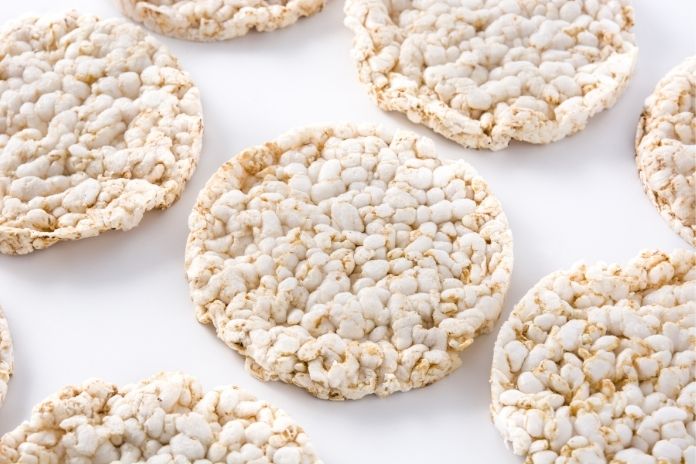
Here’s a simple way to think about improving rice cakes: treat them as a base, not the meal. On their own, they’re too light to keep you full or steady your blood sugar. But with the right add-ons, they can turn into a balanced, satisfying snack that actually supports your goals.
What this really means is that you’re upgrading the structure of the snack, adding protein, fiber, and healthy fats so your body gets something meaningful. These tweaks don’t take extra effort; they just make each bite work harder for you.
So: yes, rice cakes can fit into a weight-loss or calorie-controlled plan, but they’re not a magic bullet. The toppings and context matter a lot.
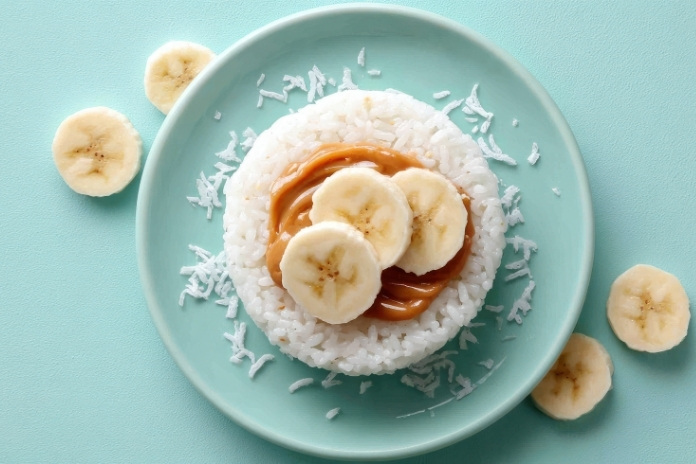
- Pair with protein and fiber: Add toppings that deliver staying power. Almond butter with banana, hummus with cucumber, cottage cheese with tomato, or smoked salmon with avocado all shift rice cakes from a quick carb hit to something steadier and more nutritious.
- Add healthy fats and produce: Healthy fats slow digestion, and fruits or veggies add fiber. Avocado smashed with a boiled egg or sautéed mushrooms with a sprinkle of seeds will keep you full longer than any plain cake ever could.
- Choose brown rice or whole-grain varieties: Whole-grain versions offer slightly more fiber and micronutrients than white-rice cakes. They’re not a nutrient bomb, but they’re a better choice when you’re aiming for balanced eating.
- Watch portion size: It’s easy to keep stacking cakes because they feel light. Two well-topped cakes are usually enough. More than that, and you end up with quick carbs that don’t actually satisfy.
- Skip flavoured or sweetened versions: Caramel, cheddar, chocolate, or highly seasoned cakes might taste fun, but they usually bring sugar, sodium, and additives. Sticking to plain varieties gives you control over what you’re actually eating.
Here’s a quick ranking table of snack types:
| Type | Health Rating | Why |
| Brown-rice plain cakes | ★★★★ | Higher fiber/micronutrients, still light |
| Multigrain/plain white rice cakes | ★★★ | Moderate benefit, still low fiber |
| Plain white rice cakes | ★★ | Low nutrients, high GI |
| Flavored/sweetened rice cakes | ★ | Added sugars/sodium, minimal benefit |
Healthy Topping Ideas for Rice Cakes
- For weight loss: mashed avocado + boiled egg + chili flakes
- For energy boost: almond butter + banana slices + chia seeds
- For protein support: hummus + cucumber + smoked salmon
- For sweet craving: peanut butter + dark chocolate chips + sea salt
- For kids: cream cheese + strawberry slices + drizzle of honey
These topping ideas turn the rice cake into a balanced mini-meal rather than just a crunchy filler.
Are Rice Cakes Good for Diabetics or Heart Health?
Many people reach for rice cakes thinking they’re automatically a “healthy” choice, but the real answer depends on how you eat them. On their own, they’re mostly quick carbs. With the right tweaks, though, they can fit into blood-sugar management and heart-supportive eating without causing trouble.
- For Diabetics: Rice cakes digest fast, which means blood sugar can rise quickly if you eat them plain. A smarter approach is to keep the portion to one cake, pick brown-rice or whole-grain versions, and add protein, healthy fat, or fiber on top. This slows digestion and keeps glucose levels steadier.
A study in non‑human primates tested gluten-free rice cakes with added plant proteins (pea, soy, rice). The cake with 15% pea protein had a very low glycemic index (GI ~29) and produced a significantly lower post-meal glucose area under the curve (IAUC).
- For Heart Health: Plain, unsalted, whole-grain rice cakes sit on the better side of the snack spectrum compared to chips or sugary treats. Flavoured versions are less ideal because they often hide extra sodium, sugar, or additives. Brown-rice cakes offer more fiber and nutrients than white-rice ones, making them the stronger choice for cardiovascular wellbeing.
Read More: The Magic of Red Rice: Why Nutritionists Recommend It for Fat Loss and Metabolic Health
Conclusion
Rice cakes can absolutely have a place in a balanced routine. They’re light, low in calories, easy to carry around, and usually gluten-free, which makes them convenient when you want something simple.
The catch is that they’re not bringing much to the table on their own. You’re getting fast-digesting carbs with very little protein, fiber, or meaningful nutrition, so they won’t keep you full or help stabilize blood sugar if you eat them plain.
What this really means is that rice cakes work best as a base, not the whole snack. Pick plain or whole-grain versions, keep the portion modest, and add toppings that actually do the heavy lifting: protein, healthy fats, and fiber. That’s when they stop acting like a quick hit of carbs and start behaving like something more balanced.
If you think of rice cakes as a tool rather than a magic fix, you’ll make better choices. Skip the sugary or highly flavoured varieties, build them into smarter combinations, and use them when they make sense, not because the package makes them look like a health shortcut.
FAQs
Are rice cakes good for weight loss?
They can fit into a weight-loss plan because they’re low in calories and easy to portion. The catch is that they don’t keep you full on their own. To make them actually useful, pair them with something that brings protein or fiber. That combo slows digestion and keeps cravings in check. Think of rice cakes as a base, not the whole meal.
Do rice cakes spike blood sugar?
They can, since they’re mostly refined carbs with almost no fiber or protein to slow absorption. Their glycemic index is high, which means a quick rise in blood sugar if eaten plain. Pairing them with fats or protein steadies the response. Nut butter, cheese, or hummus all help. It’s the pairing that makes the difference.
Are brown rice cakes healthier than white rice cakes?
Usually, yes, brown rice has more fiber and micronutrients. But many brown rice cakes still contain very little actual fiber, so the health boost isn’t dramatic. It’s smart to check the label instead of assuming. If you want whole-grain benefits, look for cakes with recognisable whole-grain content. Some brands do this better than others.
Can I eat rice cakes on a low-carb or keto diet?
Probably only in tiny amounts. Each cake has around 7–8 grams of carbs, which adds up fast on strict keto. If you use one, pair it with something very low-carb and high-fat to stay within limits. Many people skip them entirely because they’re not filling. It depends on how strict your carb cap is.
Are rice cakes a good post-workout snack?
They can be, but not alone. After exercise, your body needs protein to repair muscle and carbs to replenish energy. A rice cake gives you quick carbs but no real recovery power. Add yogurt, peanut butter, or a protein shake on the side. That turns a light snack into something that actually supports recovery.
References
- https://www.eatingwell.com/article/7893145/are-rice-cakes-healthy/
- https://www.webmd.com/diet/what-to-know-rice-cake-nutrition
- https://www.health.com/nutrition/are-rice-cakes-healthy
- https://www.urmc.rochester.edu/encyclopedia/content
- https://foodstruct.com/food/rice-cakes
- https://www.mayoclinic.org/diseases-conditions/diabetes/in-depth/diabetes-diet/art-20044295
- https://www.hsph.harvard.edu/nutritionsource/carbohydrates/carbohydrates-and-blood-sugar/
- https://www.ncbi.nlm.nih.gov/pmc/articles/PMC4855044/
- https://www.vinmec.com/eng/blog/is-rice-cake-good-for-health-nutrition-calories-of-rice-cakes-en
- https://glycemic-index.net/rice-cake/
- https://doi.org/10.9734/cjast/2024/v43i94431
- https://journalajfrn.com/index.php/AJFRN/article/view/145
- https://www.verywellfit.com/are-rice-cakes-a-healthy-snack-4176849
- https://tap.health/best-rice-cakes-for-diabetics-a-comprehensive-guide-to-healthy-options/
In this Article