















Hybrid fruits—are they natural, safe, and, most importantly, healthier than normal fruits?
Let us set the record straight: hybrid fruits are not GMOs. GMOs are Genetically Modified Organisms. They refer to a plant, animal, or microbe whose DNA has been altered in a laboratory to introduce traits like pest resistance, longer shelf life, or chemical tolerance, usually incorporating genes from another species. It is not the same as natural breeding or hybridization.
Hybridization is a centuries-old practice that involves cross-pollinating plants to create improved varieties. GMOs, in contrast, include altering DNA in a lab setting.
This article breaks down what hybrid fruits are, how they are nutritionally similar or different, and if they should have a place in your shopping cart.
Read More: Fruit Juice Or Whole Fruits? Difference and Advantages!
What Are Hybrid Fruits?
Hybridization is the process of crossbreeding two different plant varieties to produce offspring with desired traits. These qualities include better taste, higher yield, or disease resistance. This can occur naturally (via bees and wind) or be done by humans through controlled cross-pollination.
Common Hybrid Fruits are:
- Pluots: Plum + Apricot.
- Tangelos: Tangerine + Pomelo.
- Tayberry: Red Raspberry + Blackberry.
- Tangor: Tangerine + Orange.
As per SAGE University, hybrid seeds are commonly created to thrive in particular climatic conditions. These seed variants also help repel native pests, thus proving to be agriculturally effective.
Nutritional Profile of Hybrid Fruits

Are Hybrid Fruits More Nutrient-Dense?
Hybrid fruits are not necessarily less nutritious than their conventional counterparts. In most cases, they retain or increase the vitamin and mineral content of the parent fruits.
The Pluot, for instance, is high in vitamin C, vitamin A, and dietary fiber. The hybridization process preserves or enhances nutrients, particularly antioxidants.
Do Hybrid Fruits Have More Sugar?
Yes, some hybrid fruits are cultivated to be sweet, which might result in higher natural sugar content. This can impact individuals managing blood sugar or following a low-sugar diet. However, sugar content differs across hybrid fruits. Certain fruits, like tangelos or kiwifruit hybrids, contain moderate sugar levels but also offer significant fiber, which can help reduce glucose absorption.
Are Hybrid Fruits Easier to Digest?
In some cases, yes. Hybrids may be designed to be less acidic or have softer textures, making them easy to digest. However, people with allergies or sensitivities should approach new hybrids cautiously, as unfamiliar proteins can occasionally trigger mild reactions.
Read More: Lack Of Fruits And Vegetables In The Diet Can Impose Risks Of Heart Health
Hybrid Fruits vs. Genetically Modified Organisms (GMOs)
Key Differences Between Hybridization and Genetic Modification:
We must understand that hybridization and genetic modification are two different processes.
- Hybridization = crossing two plants from the same or closely related species.
- GMO = adding new genes from different species into the DNA of a plant in the laboratory.
Are Hybrid Fruits Safer than GMOs?
Certain hybrid fruits, such as pluots, are developed using conventional breeding techniques, possibly without the intervention of sophisticated biotechnology.
As per Biofortified, hybrids are usually regarded as non-GMO and safe for consumption, with no side effects. GMO foods, however, are subject to greater regulation and labeling in most countries.
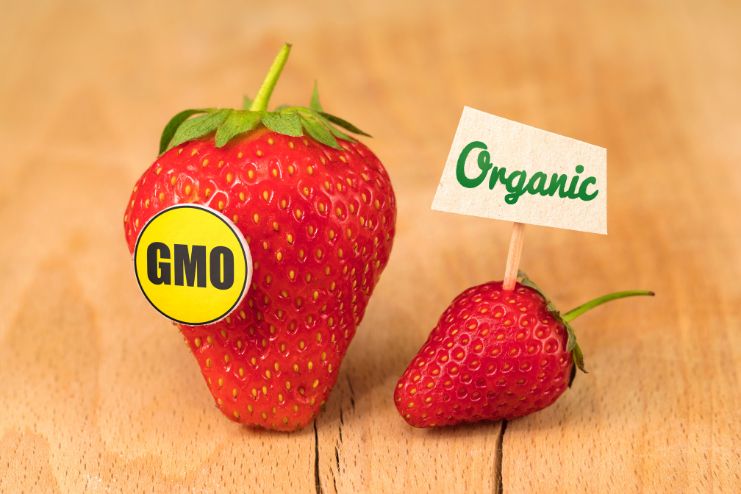
Based on a peer-reviewed study, hybrid fruits are safe for consumption. They’re created through natural cross-pollination, and not genetic modification. Hybridization tends to merge the most desirable qualities of their parent fruit. The review points out that hybrid fruits can increase flavor, nutritional value, and health benefits.
Regulatory Considerations and Labeling Differences
Hybrid fruits and GMOs have different regulatory rules and labeling requirements.
Here’s how these differ:
Hybrid Fruits: Hybrid fruits are the result of natural cross-breeding between similar plant varieties. Since this process does not include genetic modification, hybrids are not considered GMOs. Consequently, they are not subjected to the same stringent regulatory standards.
Hybrid regulations generally pertain to plant variety registration, quality assurance, and cultivar purity. In terms of labeling, hybrids generally do not need special disclosure—they can be labeled by variety (e.g., “pluot”) but not “hybrid.”
Genetically Modified Organisms (GMOs): GMOs are created in a laboratory to alter DNA in ways that do not occur naturally. Due to this, GMOs are thoroughly tested for safety and are strictly regulated for their impact on health, the environment, and biodiversity.
Labeling regulations in most nations, including the U.S., require transparent disclosure for GMO ingredients—typically through terms such as “bioengineered” or “genetically modified.”
Potential Benefits of Hybrid Fruits

Why Choose Hybrid Produce?
Hybrid fruits are the result of carefully selected crossbreeding, designed not only for agricultural efficiency but also for improved nutrition, taste, and digestion.
Here’s why these fruits are gaining popularity:
- Enhanced Flavor and Texture: One of the significant benefits of hybrid fruits is their enhanced taste profile. Breeders tend to choose parent varieties that yield:
- Sweeter fruit with less acidity (perfect for kids or individuals with delicate stomachs).
- Juicier and softer textures that are less difficult to chew and digest.
- Milder flavors that suit a broader palate (e.g., Grapples or Cotton Candy Grapes).
This makes hybrids attractive for people who feel that some conventional fruits are too tart, fibrous, or bland.
- Fewer Pesticides Required: Some hybrid fruits are developed specifically for greater pest resistance. This natural resistance means:
- Less chemical input is required in cultivation.
- There is less chance of pesticide residue on the skin of the fruit.
- Agriculture has become more sustainable and eco-friendly.
According to Slurrp, hybrids are resistant to prevalent pests such as aphids or fungal diseases and need fewer treatments, reducing environmental impact.
- Longer Shelf Life: Hybrid fruits tend to have heavier skins or more sluggish oxidation rates, which:
- Increases storage and transit freshness.
- Preserves vitamins and phytonutrients for a long time.
- Reduces consumer and retailer waste.
The pluot (apricot-plum hybrid), for instance, has a more rigid texture that withstands shipping without getting mushy.
- Nutrient Optimization: Hybrid fruits aren’t just about appearance—they’re also designed for better nutritional density. Depending on the parent plants used, hybrids may:
- Have greater amounts of antioxidants, including anthocyanins or carotenoids.
- Provide a more equal proportion of vitamins and fiber.
- Maintain or even improve micronutrient bioavailability, particularly when crossbreeding nutrient-dense varieties.
Read More: Fruits For Weight Loss: 18 Fruits That Shed Off Unwanted Fats
Healthiest Hybrid Fruits for Gut Health
The gut is nourished by fiber-rich, water-dense, prebiotic-rich fruits. Several hybrid options check all these boxes. They are:
- Pluots (Plum + Apricot):

A pluot is a plum-apricot hybrid stone fruit that tastes and has the same texture as a plum. Here’s how it helps:
- High in fiber, which facilitates healthy digestion and encourages regularity.
- Packed with antioxidants and vitamin C to help fight off inflammation and encourage a healthy gut and immune system.
- Naturally sweet and less acidic than certain stone fruits, so gentler on a sensitive stomach.
Pluots combine the benefits of plum and apricot into a delicious, gut-friendly fruit.
- Tangelos (Tangerine + Pomelo/Grapefruit):

A tangelo is a hybrid citrus fruit, usually the product of a cross between a grapefruit or pomelo and a mandarin orange or tangerine. Here’s how it helps:
- The fruit includes soluble fiber (pectin), which helps with regular bowel movements and calms the gut lining.
- It is rich in vitamin C, which reduces gut inflammation.
The citrus acidity of many tangelos is gentler than that of regular grapefruits, which makes it easier on delicate stomachs.
- Jostaberry (Blackcurrant + European Gooseberry):
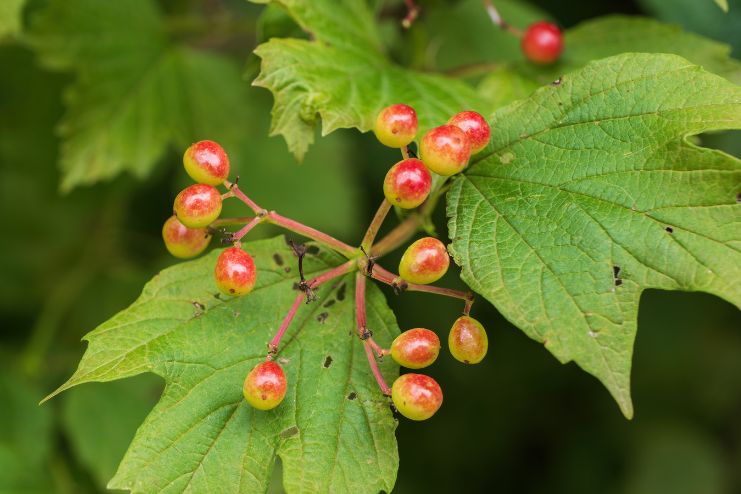
A jostaberry is a hybrid fruit, developed by mating blackcurrants with European and American gooseberries. Here’s how it works:
- It blends the rich flavor of blackcurrants with the larger size of gooseberries, making it tasty and filling at the same time.
- It is thornless and naturally disease-resistant, and is easy to grow in home gardens and low-maintenance landscapes.
- The fruit is loaded with antioxidants and vitamin C, and promotes immunity while reducing inflammation.
Its gentle tartness and nutrient density make it a valuable addition to a gut-friendly diet.
Read More: The Best and Worst Fruits For Diabetics
Potential Drawbacks of Hybrid Fruits

While hybrid fruits offer many advantages, they’re not without caveats.
- Higher Sugar Content: As discussed, sweetness is usually a breeding objective. However, certain hybrids contain higher fructose, making them less suitable for individuals with diabetes or those monitoring their carbohydrate intake.
- Possible Allergenic Reactions: Hybridization can present new protein structures, which could produce unforeseen allergies in sensitive users, particularly those with pre-existing fruit allergies.
3. Biodiversity Concerns: According to the Institute of Horticulture Technology, hybrid farming can limit genetic diversity over time, which may reduce crop resilience and increase dependency on specific seed suppliers.
How to Choose the Healthiest Hybrid Fruits

Hybrid fruits can be certified organic when cultivated without synthetic pesticides and fertilizers.
Here’s a comparison between organic hybrid fruits vs. conventionally grown hybrid fruits.
Organic Hybrid Fruits:
These hybrid fruits are bred through cross-breeding various varieties, but are produced using organic cultivation. They are grown without artificial pesticides, herbicides, or fertilizers, and no GMOs are permitted. Organic farming uses compost, crop rotation, and biological pest control. The outcome is a fruit that has desirable traits such as improved taste or resistance to disease, yet it is chemical-free and eco-friendly.
Conventionally Grown Hybrid Fruits:
Conventionally grown hybrid fruits are also bred through cross-pollination. These hybrids are cultivated with traditional methods that can involve synthetic chemicals and GMOs. These methods assist in enhancing yield, shelf life, and pest resistance. Despite being cheaper and more accessible, they can have traces of synthetic residues.
Check for:
- Non-GMO labeling (for added reassurance).
- Low-spray or pesticide-free certifications.
- Seasonal production tends to ensure fresher and more nutritious fruits.
- Buy products that display the USDA Organic seal or an alternative third-party certification.
How to Incorporate Hybrids into a Balanced Diet:
- Include jostaberries in tarts, pies, salads, or even cakes for vitamin C and antioxidant content.
- Use tangelos or pluots as a moderate snack for vitamin C intake.
- Use tayberries in salads for a sweet and aromatic kick.
Final Thoughts

If chosen wisely, hybrid fruits can be a nutritious addition to a well-balanced diet. They’re generally quite tasty and, in most cases, easier to digest than their conventional counterparts. Since some hybrids are cultivated for pest resistance, they also need fewer chemical inputs, helping promote cleaner farming with less exposure to pesticides. Their longer shelf life also translates into less spoilage and food waste, which is good news for consumers and the environment.
It’s important to be mindful of potential downsides. Some hybrids are intentionally bred to be sweeter, which can mean a higher natural sugar content—something to watch if you’re managing blood sugar. And though rare, hybridization can introduce new proteins that may trigger allergic responses in sensitive individuals.
So are hybrid fruits nutritious? Yes—provided you select organically grown, minimally processed ones. They’re not genetically altered, and most contain fantastic nutritional profiles. The catch is balance and vigilance.
If you’re confused between hybrid, heirloom, or wild types, there is no absolute answer. However, hybrid fruit is a practical middle ground. It’s easy to find, usually tastes great, and still provides solid nutrition. All have their advantages. Heirloom fruit has lots of flavor and genetic variety, but is sometimes more tender and insect-susceptible. Wild types are generally the most nutritionally dense but more difficult to obtain.
The bottom line: embrace variety. Opt for organic when possible, diversify your fruit intake, and don’t shy away from the hybrid label. Hybrid fruits might just bring you the best of both worlds.
References
- https://sageuniversity.edu.in/blogs/hybrid-seeds-and-vegetables
- https://www.eatright.org/food/food-groups/fruits/10-must-know-hybrid-fruits
- https://www.sciencedirect.com/science/article/pii/S2468014124001675
- https://pmc.ncbi.nlm.nih.gov/articles/PMC10814314/
- https://www.researchgate.net/publication/377324376_Hybrid_Fruits_for_Improving_Health-A_Comprehensive_Review
- https://www.mdpi.com/2304-8158/13/2/219
- https://study.com/academy/lesson/hybrid-plants-definition-examples.html
- https://www.slurrp.com/article/hybrid-fruits-and-vegetables-are-they-safe-to-eat-1658725201301
- https://www.sciencedirect.com/science/article/abs/pii/S1360138524000281
In this Article