












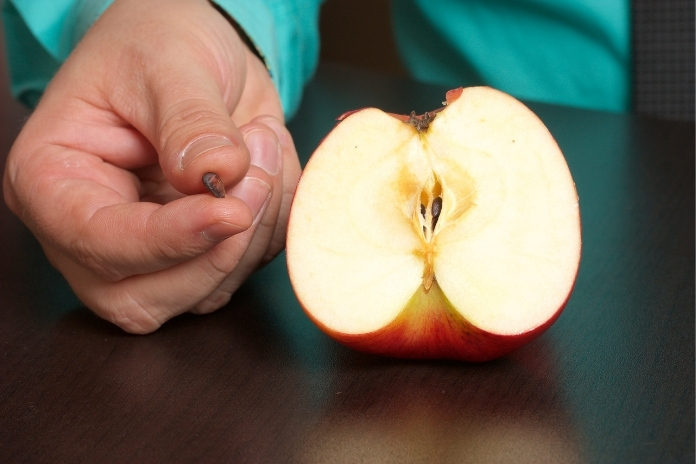
We all love apples, at least most of us do. But how many of us have gulped or eaten apple seeds by mistake? Apple seeds are poisonous. How true is this?
Well, chances are, you’ve been warned about something like this by a parent, teacher, or friend at some point. The idea that something so small could be subtly poisonous in some way is creepy. Especially since apples themselves are one of the healthiest fruits you can eat. But is there any truth to the argument, or is this yet another overblown food myth?
Science has the answer. Apple seeds do contain a compound that will release cyanide, a popular type of poison, when chewed and digested. However, the real risk arises from the amount consumed, the preparation of the seeds, and the body’s inherent detoxification mechanisms for metabolizing small amounts of toxins.
In this article, we’ll understand what’s inside apple seeds, how the body processes them, how many would actually be toxic, symptoms to look out for, and expert advice on safe apple consumption. By the end, you’ll know exactly whether apple seeds are something to fear or simply a misunderstood part of the fruit.
Read More: 7-Day Apple Diet Plan And How It Helps in Weight Loss
What’s Inside Apple Seeds?
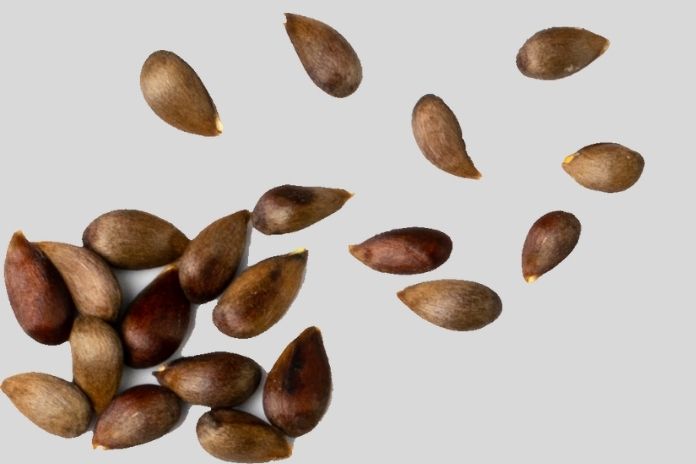
At the center of the controversy is a naturally occurring plant compound known as amygdalin. Occurring in apple seeds (and the cores of other fruits like apricots, peaches, and cherries), amygdalin is part of a class of chemicals called cyanogenic glycosides.
When seeds containing amygdalin are crushed or chewed, digestive enzymes can hydrolyze it into hydrogen cyanide, a substance that, if taken in excess, is toxic to humans. Cyanide interferes with the body’s ability to use oxygen at the cellular level, effectively strangling cells from the inside out.
It sounds scary, but here’s the point: the tough outer shell of the seed keeps most of this compound contained. If you swallow seeds whole, they’ll pass right through the body whole, without releasing any cyanide at all.
This means that the danger lies only in consuming large quantities of seeds together, not in swallowing a single seed while eating an apple.
How Toxic Are Apple Seeds Actually?
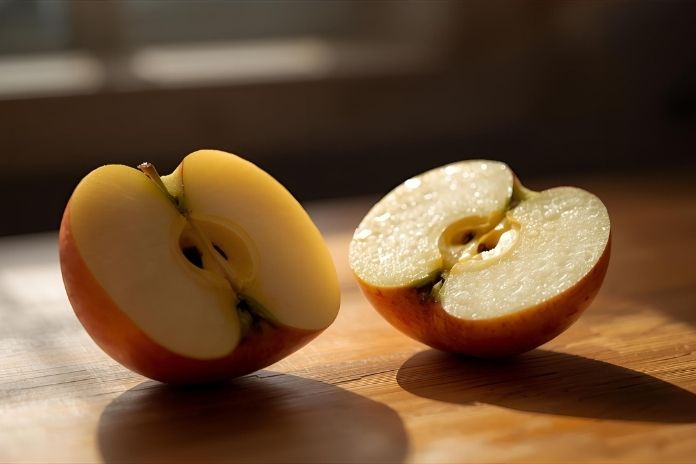
So, what happens if you consume apple seeds? The good news: for most people, nothing.
Each apple contains 5–8 seeds, depending on the type. If you accidentally swallow a few without chewing, they pass through without harm. Even if you chew some seeds, your system contains detoxifying mechanisms. We largely thank the liver, which destroys small amounts of cyanide.
To become ill, you would need to chew and consume dozens of seeds in a single sitting, which is far from a typical meal. Scientists believe that the human body can tolerate small or minimal amounts of cyanide because enzymes break it down into less harmful compounds, which are then excreted from the body.
Perspective:
- Eating one apple with seeds won’t kill you.
- Even seed chewing from an apple won’t hurt you.
- A toxic dose involves seeds from an enormous quantity of apples eaten in one sitting, and the average person simply doesn’t eat apples in that way.
In short, harm only occurs if a person intentionally chews and swallows massive amounts of seeds, ruling out ordinary consumption of apples.
How Many Apple Seeds Would Be Toxic?
This is the question everyone would like to know: how many poisonous apple seeds?
Toxicologists generally estimate that a lethal dose of cyanide is of the order 0.5–3.5 mg/kg body weight. Apple seeds contain about 1–4 milligrams of amygdalin in each seed, though not necessarily all of that is cyanide in the body.
That can be equal to:
A 150-pound (68 kg) adult would need approximately a minimum of 150 crushed apple seeds (the seeds on 15–20 apples) taken at one time to have a potentially toxic dose.
Children, because they are small, are more at risk, but consuming a few seeds won’t cause poisoning.
It’s important to note that not all seeds do not release cyanide equally. The degree of danger depends on the type of apple, whether the seeds are properly chewed, and the person’s metabolism.
Because of this, toxicologists and doctors note that the occasional ingestion of a few apple seeds is completely harmless. Side effects will occur only if you overeat.
Read More: 5 Healthy Breakfast Bowls to Kick-start Your Morning
Symptoms of Cyanide Poisoning
While cyanide poisoning from apple seeds is extremely unlikely, it’s good to know the signs in case. Cyanide prevents the body from utilizing oxygen, resulting in symptoms similar to those of oxygen deprivation.
Early signs are:
- Headache
- Dizziness
- Nausea or vomiting
- Racing breath or shortness of breath
- Anxiety or confusion
Severe signs (in extremely high quantities):
- Seizures
- Loss of consciousness
- Abnormal heart rhythms
- Coma or death (in extreme poisoning)
Remember, these symptoms are highly unlikely to occur from apple consumption under normal conditions. Cyanide poisonings reported from apple seeds in research are virtually non-existent since toxic levels are so improbable.
That stated, if one accidentally takes a large quantity of ground-up seeds and starts to show these symptoms, they need to go see a doctor immediately.
Are There Any Benefits to Apple Seeds?
With the risk factor in mind, the burning question on everyone’s lips is: are apple seeds safe to eat, and do they have any benefits?
The apple seed contains a tiny amount of protein, fiber, and antioxidants, just like most plant seeds. Some research has found small amounts of beneficial fatty acids and polyphenols in the seed oil.
But these benefits are so less that they are not worth the potential risk from amygdalin and cyanide release. Apple seeds are not a recommended component of the diet, unlike flaxseeds or chia seeds.
The real nutritional gold is found in the apple’s flesh and peel, packed with fiber, vitamin C, quercetin, and other antioxidants that support heart health and digestion. So while apple seeds may not be deadly in small amounts, there’s no strong reason to eat them on purpose either.
Read More: How Can You Prevent Food Poisoning?
What Experts and Doctors Say

Health experts consistently emphasize the same point: Apple seeds are not dangerous in the small amounts you’d encounter by accident.
According to studies, the body can detoxify tiny amounts of cyanide without harm. That’s why one or two seeds, or even those from a single apple, pose no threat.
However, it is not advisable to crush large numbers of seeds, such as when making homemade apple juice, smoothies, or extracts. Grinding them sends more amygdalin into the bloodstream, promoting the risk of cyanide ingestion.
Doctors also suggest that if you’ve swallowed a seed, there’s no need to worry. However, it’s a good practice to remove them when cooking or juicing. It’s not that they are highly toxic, but safety prevents unnecessary risks.
Dr. Raj Dasgupta, Chief Medical Advisor for Sleepopolis, says, “Swallowing a couple of seeds here and there isn’t harmful. The problem would only come from eating a large number of seeds at once, which could release enough cyanide to be dangerous.”
The bottom line:
- Unintentional swallowing? No issue.
- Eating large quantities of ground seeds? Not recommended.
- Ideal practice? Eat the fruit, spare the seeds.
Safer Ways to Enjoy Apples

Thankfully, it is simple to eat apples safely. Try these tips:
- Eat the skin, as most of the apple’s antioxidant and polyphenol content exists in the skin. Wash thoroughly and eat apples whole rather than peeling them.
- Stick to the flesh. The fiber and vitamin C-containing juicy pulp is excellent for digestion and immune function.
- Choose processed apple products wisely. Commercial apple juice and cider are safe due to filtering and processing that remove or inactivate seed compounds.
- Apple cider vinegar, a fermented apple product, is another safe way to have the fruit without the concern of seeds.
By focusing on the edible parts of the apple, you’ll get maximum nutrition with none of the seed-related worries.
FAQs
- Can apple seed oil be toxic?
Apple seed oil, often used in cosmetics, is refined in a manner that eliminates the risk of cyanide. Consuming it directly isn’t common, and commercial products are considered safe.
- Are other fruit seeds poisonous (cherries, apricots, peaches)?
Yes, pits on their seed contain amygdalin as well. Like apple seeds, accidentally swallowing them is harmless, but chewing large amounts at the same time can release cyanide.
- Do children have to completely avoid apple seeds?
Yes, seed removal is most recommended in children because of their size, which makes them more vulnerable. But accidentally swallowing one seed will not kill them.
- Are organic apples any different?
No. Organic apples may avoid pesticide residues, but the amygdalin in seeds is natural and not dependent upon agricultural methods.
Conclusion
Are apple seeds toxic, then? It’s sort of a complicated answer. Apple seeds contain amygdalin, which releases cyanide when chewed and digested. But the amount needed to harm is astronomically small. This is far more than anyone would accidentally consume.
Accidentally swallowing a few seeds is absolutely safe. Even chewing the seeds of an individual apple will not make anyone sick. Intentional excessive consumption of dozens or hundreds of ground seeds might be harmful, though.
The bottom line? Enjoy plenty of apples for their several health advantages, but don’t go out of your way to consume the seeds. When in question, toss them and enjoy only the fruit’s tasty and nutritious flesh and peel. Do not stop eating apples, just throw away the seeds! And, in case you consume a few by mistake, don’t worry!
References
- https://pmc.ncbi.nlm.nih.gov/articles/PMC8069783
- https://www.usatoday.com/story/news/factcheck/2020/08/20/fact-check-apple-seeds-have-cyanide-but-not-enough-kill/3359754001
- https://www.britannica.com/story/can-apple-seeds-kill-you
- https://www.sciencedirect.com/science/article/abs/pii/S0308814614013077
In this Article