













- Strict clean eating can slow metabolism and increase cravings.
- Food pleasure (“Vitamin P”) supports digestion, satiety, and hormone balance.
- A flexible, enjoyable diet is more sustainable and prevents binge-restrict cycles.
“Clean eating” is one of the most popular ways to live a healthy life. It promises better health, weight control, and more energy by focusing on whole, unprocessed foods. There are clear benefits to this strategy, but strict adherence can sometimes have unexpected effects, especially when it becomes a strict rule.
At this point, the idea of “Vitamin P” (pleasure) comes into play. New research shows that food pleasure, enjoyment, and psychological reactions have a big effect on digestion, long-term metabolic health, and clean eating metabolism.
In this article, we will explore what clean eating metabolism really means, examine whether restrictive dieting slows metabolism, understand the science behind food pleasure, digestion, and metabolism, and uncover how cephalic phase digestion and dopamine and appetite regulation influence overall health.
Read More: Why Your Body Temperature Drops at Night, and How It Affects Sleep & Metabolism
What People Mean by “Clean Eating”—and Where It Can Become Restrictive
Common Principles of Clean Eating
Clean eating can take many forms, but in general, it means consuming foods as close to their natural state as possible. It motivates us to prepare our meals from scratch to make them as “clean” as possible. The health advantages of eating nutrient-dense, unprocessed foods straight from the ground are the primary motivation for adopting a clean diet.
The majority of Americans consume a diet high in highly processed foods made with artificial ingredients and loaded with chemicals, fat, sugar, sodium, preservatives, food color, and other additives that your body may not know how to handle. These extra things could harm your overall health and well-being.
The following are the principles of clean eating:
Cut Back On Salt and Sugar: The recommended daily amount is only six teaspoons for women and nine for men, but the average American consumes twenty-three teaspoons. Just one Coke contains eight tablespoons of sugar. Additionally, Americans consume more than 1,000 mg of sodium, exceeding the recommended limit.
Drink Less Alcohol and More Water: to stay hydrated and maintain your body’s fluid balance. To help you feel full and eat less, try replacing your soda with a glass of water and drinking a half-glass before a meal. Conversely, alcohol can cause dehydration.
Consume Heart-Healthy Fats: Fish, nuts, seeds, olive, canola, and coconut oils are good sources of heart-healthy monounsaturated and polyunsaturated fats. Reduce your intake of saturated fat, which is found in dairy and meat. Avoid trans fats.
Cut Refined Grains and Wheat: Use complex carbohydrates from whole grains (grains that haven’t had their germ and endosperm removed by milling), such as maize (and yes, popcorn), brown rice, rye, amaranth, millet, and quinoa, instead of white and wheat flour, bread, and pasta.
Eat With Awareness: Don’t just eat because it’s mealtime; eat when you’re hungry. Put your fork down in between bites and eat gently. For every mouthful, make a point of chewing a set number of times, ideally 20.
When Healthy Habits turn into Rigid Food Rules
Problems happen when clean eating becomes too strict. Strict rules, such as labeling foods as “good” or “bad,” can create mental stress. Diet culture often causes this rigidity by prioritizing perfection over sustainability.
These patterns might lead to:
- Anxiousness related to food
- Social constraints
- Decreased meal enjoyment
How Restrictions May Affect Hunger and Metabolism
Strict restriction can disrupt satiety signals and hunger hormones. Your body may do the following when it senses scarcity:
- Boost the hormones that cause appetite
- Reduce the amount of energy used
- Set off appetites
What Is “Vitamin P” (Pleasure) in Nutrition?
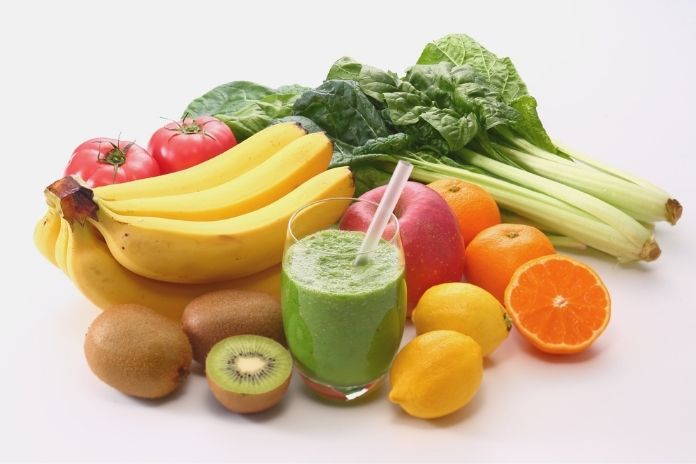
Did you know that eating with pleasure is not only beneficial to your health but also crucial? Food’s health advantages could extend beyond the minerals and nutrients it contains. In actuality, the pleasure you get from eating, also referred to as “Vitamin P,” is essential for your mental and physical well-being.
“Vitamin P” is an idea that symbolizes enjoyment and contentment from eating rather than a true nutrient. Enjoyment helps control appetite and is essential to mindful eating and metabolism. Food is what keeps you alive and provides nourishment. There are additional reasons why dining might be enjoyable.
If you only ate boring meals for nutrition, life would be somewhat dull. Every bite of food offers a variety of tastes, flavors, and textures that benefit both your physical and mental well-being. According to the Food Guide, having a positive attitude toward food is one of the reasons it’s crucial to appreciate what you eat.
Dopamine is released when you enjoy eating or engaging in any other pleasant activity. A 2011 study published in the National Library of Medicine suggests that this process could account for overeating in obese individuals. They may continue eating to achieve the desired pleasure if they don’t feel sufficiently rewarded by eating.
Overindulging is not the definition of pleasure. It’s about being content with your diet. A well-balanced dinner with flavor and texture will improve satisfaction and satiety, reducing the desire to overeat later.
Read More: 4 Ways Star Anise Supports Weight Loss and Boosts Metabolism Naturally
How Food Pleasure Influences Digestion and Metabolism
The Cephalic Phase Response: Digestion Starts in the Brain
The cephalic phase is a physiological response that starts when you see, taste, or smell food. It stimulates the parasympathetic nervous system through the vagus nerve. As a result of this reaction, saliva and other fluids help break down food for digestion before it reaches the stomach.
This reaction gets stronger when you look forward to something fun, which helps your body digest food and absorb nutrients.
Dopamine and Reward Pathways in Appetite Regulation
The brain’s reward system, particularly the dopamine reward pathway, plays a key role in regulating dopamine and appetite. When food is enjoyable:
- It releases dopamine
- There is an increase in satisfaction
- Cravings diminish
“Rest and Digest” vs Stress Response During Meals
Resting and digesting can calm the body. It can reduce our heart rate and calm our respiration. Our bodies can digest food best when we are mindful. We’re more at ease, which is beneficial since it encourages stress recovery.
The more time we spend resting and digesting, the healthier we become:
Rest: Take a minute or two to meditate quietly before you start eating. Take your own time.
Digest: Consider how nutritious your meal is, feel your stomach churn, smell your food, and feel your lips salivate.
“Stress is how the brain and body respond to a demand. During short-term stress, we become more focused, our reaction times get faster, and our strength and agility increase, Hill says. But blood sugar levels may rise in response to the stress.“ says Julie Hill, a registered dietitian with Lee Health.
How Stress Hormones May Affect Nutrient Utilization
Chronic stress raises cortisol levels, which can:
- Decreases the effectiveness of digestion
- Modify your blood sugar levels
- Encourage the accumulation of fat
Can Restrictive Clean Eating Slow Metabolism?
The idea of metabolic adaptation in dieting is one of the best arguments for the theory that restrictive dieting slows metabolism. Your metabolism slows down when you don’t eat enough. Strict diets might actually backfire, especially if they involve exercise.
It is because they teach you to run on fewer calories, which makes it more difficult to lose weight. After all, your body retains those calories. Think about less drastic, more practical dietary adjustments. Low satisfaction is another important aspect of restrictive eating practices that people sometimes overlook.
Even when meals theoretically meet calorie requirements, they may not properly nourish the body and brain if they lack sufficient satiety-inducing foods. People are therefore more prone to compensatory actions, such as overindulging later in the day or experiencing strong desires.
The link between restrictive eating and binge eating is becoming more and more supported by studies, especially when it comes to the binge-restrict cycle. Strict dietary guidelines or calorie restriction are frequently the first step in this cycle, which is followed by times of overeating motivated by both psychological deprivation and physiological hunger.
Read More: Coffee vs. Green Tea – Which One Actually Boosts Metabolism More?
Why Satisfaction Matters for Appetite and Energy Balance
“Fulfillment of one’s wishes, expectations, or needs, or the pleasure derived from this” is the definition of satisfaction. A 2020 systematic review of 119 studies published in the journal PLoS One revealed a correlation between dietary results and eating pleasure in 57% of the trials.
Sensory experiences, social interactions, food attributes, food preparation methods, novelty, and variation were some of the most prevalent indicators of enjoyment. Your nervous system goes into rest-and-digest mode when you experience pleasure. Physiological changes also occur when your nervous system is activated and in fight-or-flight mode due to long-term stress or trauma.
The brain keeps seeking rewards even when meals are not enjoyable. It may result in:
- Snacking has increased
- Sugar cravings
- Eating out of emotion
Enjoyable diets are easier to stick to. Adaptable strategies increase compliance and lower the likelihood of binge eating and restricted eating.
Read More: How to Boost Your Metabolism for Weight Loss
Signs Your “Clean Eating” Pattern May Be Backfiring
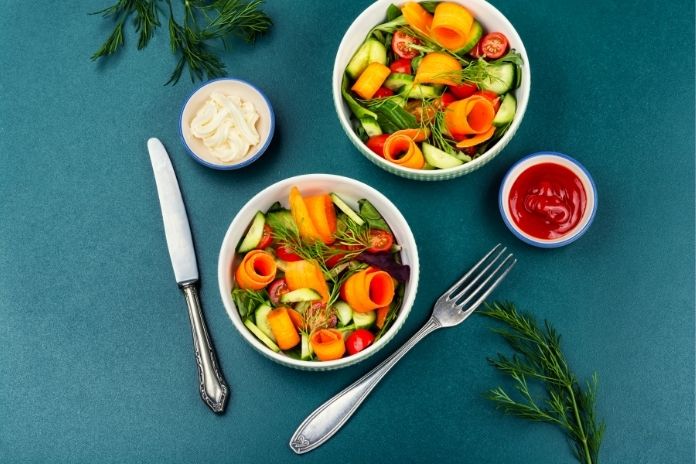
A clean eating regimen might be harmful if followed excessively. It can get really compulsive. People may avoid entire food groups. It may result in:
- Even if you consume enough calories, your body might not be getting adequate satisfaction if you are constantly hungry
- Deficits in minerals and vitamins
- Not consuming enough protein
- Not consuming enough carbs, which give the body most of its energy
- Obsessing over food quality can increase stress, negatively affecting digestion and overall well-being
Practical Ways to Add “Vitamin P” Without Compromising Nutrition
Using Healthy Fats, Herbs, and Textures: Adding variety increases enjoyment. Use nuts, seeds, and olive oil; add herbs and spices; and try different textures. It improves food satisfaction and satiety.
Including Foods with Cultural Significance: Food is more than just nutrients; it’s a symbol of identity and culture. Incorporating well-known foods enhances both emotional contentment and mindful eating metabolism.
Engaging in Mindful Eating: Mindful eating enhances awareness of satiety signals and stimulates the cephalic phase of digestion.
Finding a Balance: Eating healthily doesn’t have to mean sacrificing fun. Taste and nutrition work together to promote mental health and a clean-eating metabolism.
How Pleasure and Structure Can Coexist in a Healthy Diet
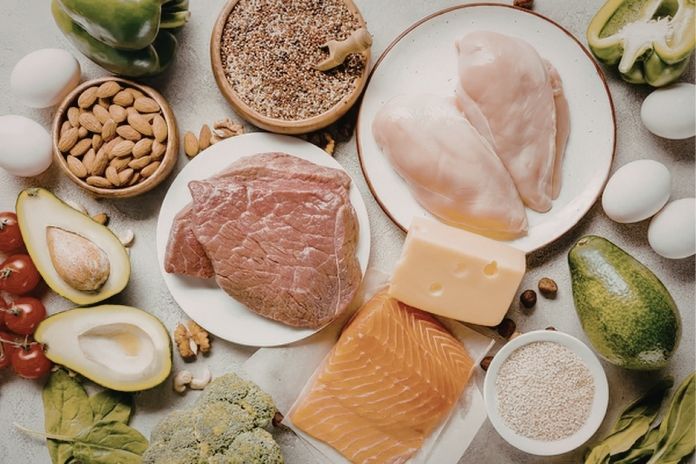
Diet culture gets us so wrapped up in the pursuit of nutritional “perfection” that we miss the pleasure part. Food is supposed to bring us joy. In fact, in intuitive eating, which has been shown to lead to better health outcomes than dieting and restrictive eating, pleasure is one of the 10 central principles.
Joy and contentment are the driving forces behind intuitive eating. It’s about considering pleasure in all of our food choices and honoring our desires to the best of our abilities each time we eat.
Flexibility reduces stress and supports sustainable habits. Avoid rigid rules that contribute to the binge-restrict cycle. Allowing occasional indulgences prevents our feeling of deprivation and supports dopamine and appetite regulation. Intuitive eating means that we’re flexible in our food choices, we don’t follow diet rules, and we consider nutrition in the context of pleasure.
Read More: Yo-Yo Dieting: Why It’s Damaging Your Metabolism (And What to Do Instead)
Conclusion
Eating a balanced diet is crucial for sustainability and long-term health. Overly restrictive eating habits may lead to unforeseen consequences, like decreased energy, craving, and slowed metabolism, even while focusing on whole, nutrient-dense food, which might improve clean eating metabolism.
Including pleasure, sometimes known as “Vitamin P,” promotes consistency, easier digestion, and increased satisfaction. You may nurture your body and still enjoy your meals by adopting a flexible mindset rather than strict guidelines. Knowing how enjoyment and physiology are related emphasizes that eating habits are just as important to your health as what you consume.
References
- Harvard T.H. Chan School of Public Health. Clean eating.
- Kendra Kramer. (September 13, 2020). What Is Clean Eating?
- Mayo Clinic. (October 14, 2025). Clean eating: What does that mean?
- Goodnet. (April 8, 2025). Getting Vitamin P: Why Pleasure is Important When it Comes to Food.
- Kelly Casey. (January 11, 2023). Clean Eating Diet: Hidden Dangers of This Latest Diet Craze.
- Blue Cross Blue Shield Association. (2018, February 15). What slows your metabolism.
In this Article