












Living in a polluted city means your immune system faces constant stress. Fine particles like PM2.5 and PM10, along with ozone and nitrogen dioxide, don’t just irritate your lungs; they actively compromise your body’s natural defenses.
This daily exposure triggers chronic low-grade inflammation throughout your body, creating an immune imbalance that makes you more vulnerable to illness. The good news? Strategic lifestyle changes, targeted nutrition, and improved living conditions can help your immune system fight back against this environmental stress.
- Pollution weakens immunity: Air pollutants like PM2.5, PM10, nitrogen dioxide, and ozone increase inflammation, trigger oxidative stress, and compromise your respiratory tract’s ability to fight infections.
- Practical defense strategies: Monitor AQI levels daily, wear quality masks outdoors, use air purifiers indoors, stay well-hydrated, and prioritize lung health through breathing exercises and physical activity.
- Diet and lifestyle foundations: Focus on antioxidant-rich foods, anti-inflammatory eating patterns, quality sleep, and effective stress management; these form your primary defense in high-pollution environments.
- Targeted nutritional support: Vitamin C, Vitamin D, Omega-3 fatty acids, NAC (N-acetylcysteine), and zinc can help your body resist the harmful effects of pollution.
Read more: Is Your Home Too Loud? How Constant Noise Pollution Impacts Sleep and Anxiety
Impact of Pollution on the Immune System of the Body
Air pollution and immunity are deeply interconnected. Fine particles and gases don’t just irritate your airways; they penetrate deep into your respiratory system and can even enter your bloodstream, creating persistent stress on your immune defenses.
Chronic Inflammation
PM2.5 and nitrogen dioxide trigger ongoing inflammation throughout your respiratory tract and entire body. Over time, this constant inflammatory response gradually impairs your immune function, increasing susceptibility to respiratory infections and chronic diseases.
Oxidative Stress
Airborne pollutants generate free radicals that cause oxidative stress, damaging cells and immune tissues at the molecular level. This depletes your body’s natural antioxidant reserves, further weakening your immune system’s ability to respond effectively to threats.
Compromised Lung Defense Mechanisms
Pollutants directly damage the protective mucosal lining of your airways, reducing your respiratory tract’s natural immunity and impairing the mechanisms that usually clear bacteria from your lungs. This creates an environment in which infections such as bronchitis, asthma flare-ups, and other respiratory illnesses can take hold more easily.
Sleep Disruption and Chronic Stress
Poor air quality is linked to disrupted sleep patterns and nighttime breathing problems, both of which undermine immune resilience. Add the chronic stress of urban living and exposure to pollution, and you have a compounding effect that amplifies inflammation and further weakens immune protection.
Understanding how pollution compromises your immune system is the first step toward developing effective strategies to protect and strengthen your body’s natural defenses.
“Long-term exposure to fine particulate matter like PM2.5 and PM10 disrupts immune regulation, increasing autoimmune disease risk by 10-13%, but antioxidant interventions mitigate oxidative damage and bolster defenses.”
–Dr. Francesco Paolo Cantini, rheumatologist and lead researcher at Great Metropolitan Hospital of Genoa, Italy
Read more: Cold-Weather Immunity: Zinc, Vitamin D, Sleep, What Actually Helps
Habits to Build the Immune System in a Polluted City
Habits to Build Immune Resilience in Polluted Cities
These science-based daily habits create a practical defense system against pollution’s impact on your immune health.
Monitor the Air Quality Index (AQI) Daily
Check AQI levels through apps or websites to make informed decisions about outdoor exposure. On high-pollution days, shift outdoor workouts indoors or exercise during off-peak hours when pollution levels are typically lower. This simple awareness helps you minimize PM2.5 exposure during vulnerable activities.
Wear High-Efficiency Masks Outdoors
N95 or KN95 masks effectively filter fine particulates during commutes and walks through busy areas. Proper masking is especially critical for children, older adults, and anyone with asthma or other respiratory conditions who are more vulnerable to pollution’s effects.
Create Clean Indoor Air Spaces
Install HEPA air purifiers in your bedroom and main living areas to remove both indoor and outdoor pollutants. Keep windows closed during high-AQI periods and open them when air quality improves. While indoor plants offer some benefits, they should complement, not replace, mechanical air filtration.
Practice Nasal Rinsing with Saline
Regular saline nasal irrigation flushes out pollutants, allergens, and pathogens from your nasal passages before they can trigger inflammation or infection. This simple practice reduces local irritation and supports your respiratory tract’s immune defenses.
Stay Well-Hydrated
Adequate hydration is essential for maintaining healthy mucosal immunity, protecting airway linings, and supporting your body’s natural detoxification processes. Herbal teas like ginger and tulsi provide extra benefits by soothing irritated airways while delivering immune-supporting antioxidants.
Read more: 7 Ways to Protect Yourself From Indoor Pollution: A Survival Guide for Healthy Living
Nutrition: Foods that Help Boost Your Immunity When Living in Polluted Environments
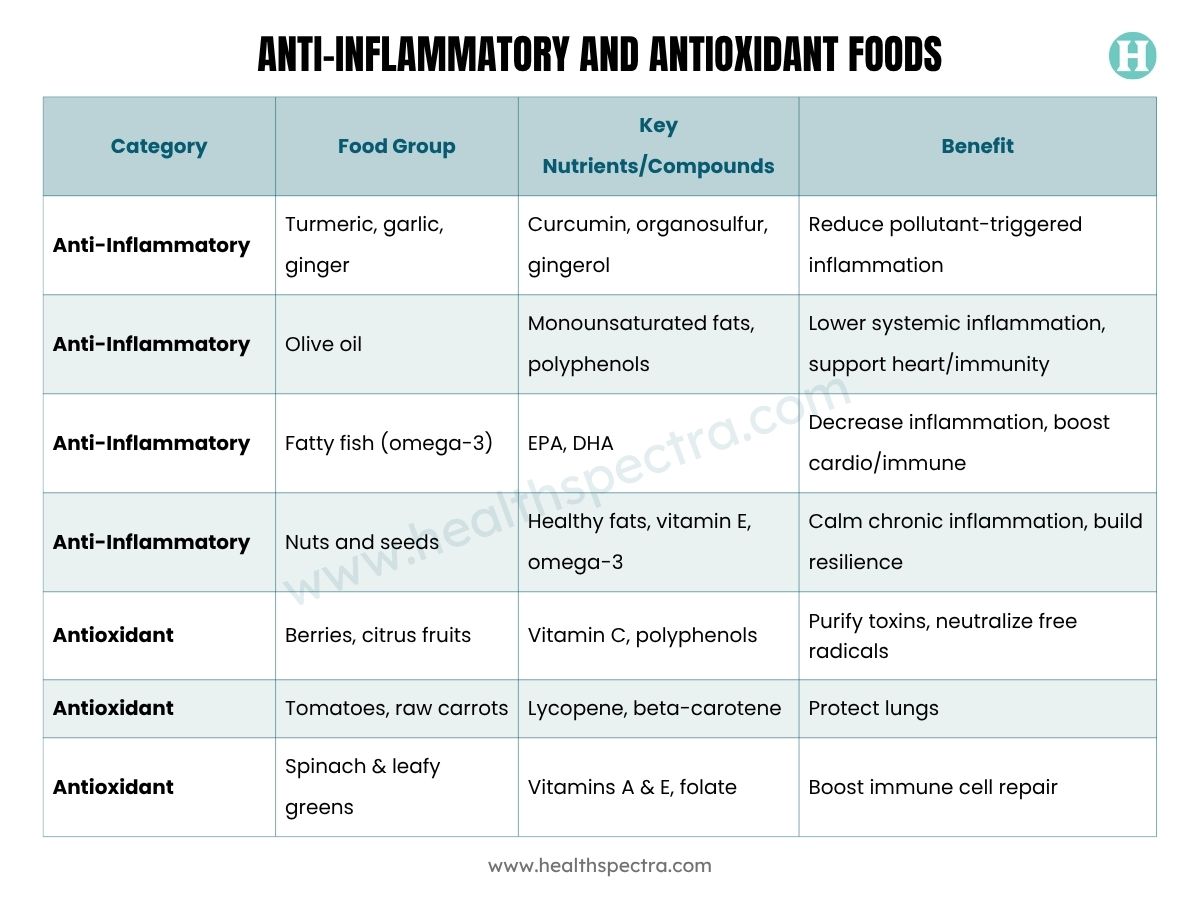
Importance must be given to antioxidant and anti-inflammatory foods in response to air pollution and its effects on the immune system. Pollution‑induced oxidative stress makes antioxidants specifically crucial for immune functions.
 Anti‑Inflammatory Foods
- Turmeric (curcumin), garlic, and ginger reduce inflammation caused by pollutant exposure.
- Olive oil, fish that are high in omega‑3 fatty acids, and nuts and seeds can reduce systemic inflammation and improve heart and immune function.
Foods Which Help in Maintaining Lung Function
- Garlic and onions have properties that can boost the respiratory immune system and help the body resist infections.
- Green tea and Tulsi (Holy Basil) contain polyphenols and catechins that help protect the lungs from damage due to free radicals.
Foods That Support Detox
- Foods that can help in this regard include: beetroot, lemon water, and cabbage or broccoli, a type of cruciferous vegetable, which also helps the liver detoxify.
- These foods support toxin processing without promoting false advertising of a remedy to prevent immune system dysfunction.
Foods to Limit in Polluted Cities
- Consuming foods that are processed, have high sugar content, and are deep‑fried, as well as consuming excessive amounts of alcohol, contribute to increased inflammation and can compromise the immune system.
- Reducing these foods promotes positive immune and metabolic responses to stress caused by pollution.
Supplements That May Help (With Medical Guidance)

Supplements can support immune function against high levels of pollution exposure by targeting antioxidant defense, detoxification pathways, and lung protection. Prioritize vitamin C, N-acetylcysteine (NAC), and vitamin E for their evidence-based roles in reducing oxidative stress from pollutants like PM2.5.
The table below details the top options with dosages and benefits for quick reference.
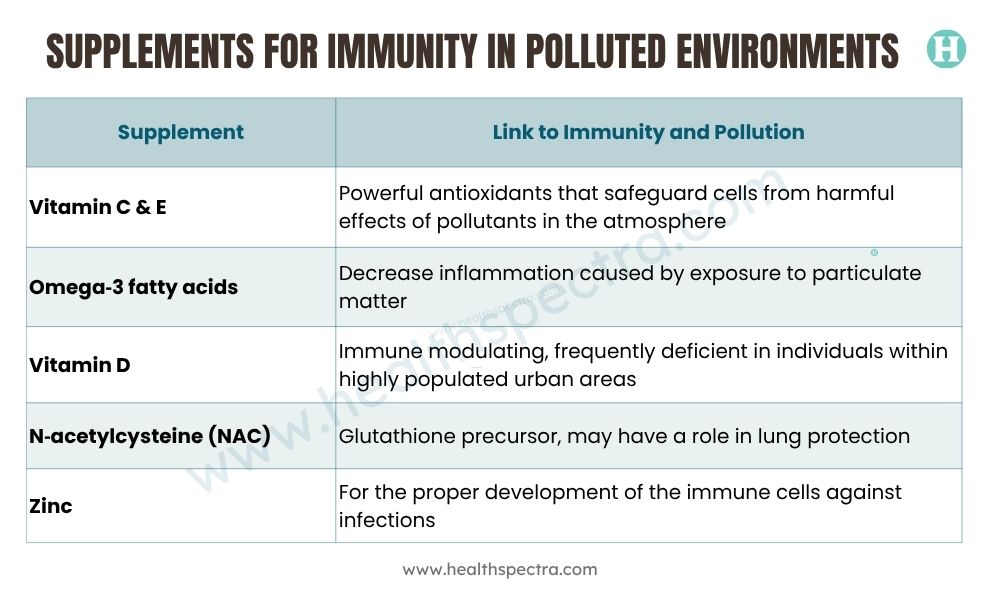 Medicinal Disclaimer: Supplements should not serve as alternative nutrients or medication. Prior consultation with a physician is important, especially if the individual has any chronic ailment, is nursing, or is on any regular medication.
Read more: Air Pollution and Your Child’s Life Expectancy: How to Protect Them
Changes in Lifestyle that Help Boost the Immune System
When your immune system constantly fights environmental stress, strategic lifestyle adjustments become essential for maintaining resilience.
Prioritize Quality Sleep
Sleep deprivation directly suppresses immune function, making you more vulnerable to pollution-related illness. Aim for 7 to 8 hours of restorative sleep each night. Using an air purifier in your bedroom can significantly improve nighttime air quality, allowing your body to recover more effectively.
Exercise Strategically
Moderate physical activity strengthens both immune function and lung capacity. However, timing matters in polluted environments. On high-AQI days, choose indoor workouts over outdoor exercise. When you do exercise outside, avoid areas near heavy traffic and schedule activities during low-pollution hours.
Manage Stress Proactively
Chronic stress triggers hormones that suppress immune function, and when combined with pollution exposure, this effect intensifies. Regular practices like yoga, meditation, and deep-breathing exercises help regulate both your nervous system and immune response, creating better overall resilience.
Eliminate Smoking and Vaping
Tobacco and vaping products compound the damage that outdoor air pollution inflicts on your lungs and immune system. Quitting these habits is one of the single most effective steps you can take to protect your respiratory health and strengthen immunity against environmental pollutants.
Protecting Vulnerable Populations
Certain groups face heightened risks from air pollution and require extra protection measures.
Children breathe faster than adults relative to their body size, resulting in higher pollutant exposure per kilogram of body weight. Their developing immune and respiratory systems make them particularly vulnerable in polluted cities.
Older adults and people with respiratory conditions like asthma or COPD have reduced lung capacity and weakened immune responses. They benefit from closer AQI monitoring, consistent air purifier use, and regular check-ins with healthcare providers.
Evidence-based protection strategies for vulnerable groups:
- Use HEPA air purifiers consistently in the home and sleeping areas
- Limit outdoor time when AQI levels are elevated
- Wear properly fitted N95 or KN95 masks during commutes to school or work
- Avoid outdoor activities during peak traffic hours and high-pollution periods
Read more: Can Garlic Really Boost Your Immunity or Is It Just Hype?
When Pollution‑Related Symptoms Require a Visit to the Doctor

Certain symptoms signal that air pollution is seriously affecting your respiratory or immune health and require medical attention.
Seek medical care if you experience:
Respiratory warning signs: Persistent cough, shortness of breath, wheezing, or chest tightness can indicate inflammation in your airways that needs professional evaluation.
Systemic symptoms: Morning headaches, chronic fatigue, recurring sore throats, or frequent respiratory infections suggest your body is struggling to cope with ongoing pollution exposure.
Worsening allergic or skin reactions: Escalating allergy symptoms or unexplained dermatitis may indicate that pollution is overwhelming your immune system’s ability to regulate inflammatory responses.
Don’t wait for symptoms to become severe. Early intervention can prevent long-term damage and help you develop a targeted protection plan based on your individual vulnerabilities.
Conclusion: Getting Healthy Despite Being in a Polluted City
Immune Effects of Pollution: Air pollutants such as PM2.5, PM10, ozone, and nitrogen dioxide induce chronic inflammation, oxidative stress, and immune system impairment in the lungs, making the whole immune system vulnerable to infections.
Daily Exposure Limiting: Use apps to track AQIs, wear N95/KN95 masks outdoors, HEPA filters in indoor spaces, practice saline nasal irrigation, and drink plenty of fluids to reduce overall intake of harmful pollutant particles while supporting mucosal surfaces.
Nutrition as Defense: Eat antioxidant-dense foods (such as turmeric, garlic, ginger, omega-3 fatty acids, and cruciferous vegetables) and avoid processed sugars/fried foods.
Lifestyle Enhancers: Practice sleep hygiene for 7-8 hours of sound sleep, exercise indoors on high-AQI days, manage stress using yoga and breathing techniques, and abstain from smoking to build resilience.
Shield Sensitive Populations: Children and seniors require stricter AQI monitoring, masks, and purifiers as they face higher vulnerability.
When to Contact a Doctor: Persistent cough, fatigue, or wheezing indicate the need for medical attention.
Thrive in Polluted Environments: Awareness, nutrition, and habits converge for science-supported immunity.
References
- Glencross, D. A., Ho, T.-R., Camiña, N., Hawrylowicz, C. M., & Pfeffer, P. E. (2020). Air pollution and its effects on the immune system. Free Radical Biology and Medicine, 151, 56–68.
- Serafini, M. M., Maddalon, A., Iulini, M., & Galbiati, V. (2022). Air pollution: Possible interaction between the immune and nervous system? International Journal of Environmental Research and Public Health, 19(23), Article 16037.
- Lee, S., Lee, H., Kim, H., Jeong, J., Park, S., & Jung, J. (2022). Association between long-term exposure to air pollution and immune-mediated diseases: A population-based cohort study. RMD Open, 8(1), Article e002055.
- Tuazon, J. A., & de Leon, J. D. (2022). Emerging insights into the impact of air pollution on the immune system. Current Environmental Health Reports, 9(3), 367–378.
- Jin, X., Zhang, Y., & Wang, L. (2024). Exercise-mediated protection against air pollution-induced immune damage: Mechanisms, challenges, and future directions. Sports Medicine – Open, 10, Article 37.
- Mudway, I. S., & Kelly, F. J. (2011). Modification by antioxidant supplementation of changes in human lung function associated with air pollutant exposure: A systematic review. European Respiratory Journal, 38(2), 446–458.
- Young, A. I., Glerum, J., Walton, R., & Carr, D. (2010). The effects of air pollution on vitamin D status in healthy women: A cross sectional study. BMC Public Health, 10, Article 586.
- Li, Y., Guo, Y., & Zhang, Z. (2015). Nutritional solutions for air pollution health impacts. Advances in Nutrition, 6(6), 678–686.
- Li, X., & Zhang, Y. (2017). The role of micronutrients in the response to ambient air pollutants. Journal of Nutrition, 147(12), 2251–2259.
- Gavliakova, S., Biringerova, Z., & Gavlik, M. (2017). Protective influence of healthful nutrition on mechanisms of environmental impact on health. Environmental Health Insights, 11, 1178630217718123.
- Ponsonby, A.-L., Pezic, A., & Xu, W. (2019). HEPA filtration improves asthma control in children exposed to traffic pollution. Journal of Allergy and Clinical Immunology, 144(6), 1684–1686.
- Guandalini, S., & Assiri, A. (2010). Probiotics and immune health. Current Opinion in Clinical Nutrition & Metabolic Care, 14(6), 557–562.
- Wang, Y., Zhang, L., & Li, H. (2025). Antioxidant nutrients for PM2.5 health risks in children. Nutrients, 17(10), Article 2156.
- Li, J., Liu, X., & Chen, Y. (2023). Protective effects of inhaled antioxidants against air pollution-induced lung injury. Antioxidants, 12(7), Article 1432.
- Xu, Q., Wang, X., & Jiang, Y. (2022). Effect of air pollution on the human immune system. Frontiers in Immunology, 13, Article 9714391.
In this Article