Eating right in your 50s and 60s doesn’t require sacrificing your favourite foods or rigid dieting. It’s about understanding how your body changes with age and adapting your nutrition in realistic ways.
You may find that your digestion slows and that you need more time between meals. Your metabolism may change, making it harder to maintain your muscle mass and/or ideal weight. This makes choosing whole, nourishing foods especially important for maintaining energy and long-term health.
Rather than striving for perfection, this article focuses on practical eating strategies that fit into everyday life. Healthy aging is built on consistency, not restriction, emphasizing nutrient-dense foods, balanced meals, and habits that you can maintain for years.
Read More: Improved Physical Activity in Old Age Can Improve Heart Health, Study Says
Luigi Ferrucci, M.D., Ph.D., scientific director of the National Institute on Aging, explains, “As we age, there’s a natural decline in muscle mass and an increase in fat mass. This process, known as sarcopenia, begins around age 30 and accelerates after 50.” “This shift in body composition can lead to weight gain even without changes in diet or exercise habits.”
How Your Body Changes After 50—and Why Your Diet Needs to Adjust
Weight gain and aging are common concerns among older adults. As we age, the body undergoes natural changes that are largely beyond conscious control. Calorie use becomes less efficient, muscle mass gradually declines, and metabolic rate slows, making weight gain more likely.
Age also increases the likelihood of reduced insulin sensitivity. Blood sugar abnormalities and type 2 diabetes may become more likely if the body is unable to handle blood sugar as effectively. Reducing refined sugar intake and choosing fiber-rich meals can help stabilize blood sugar levels.
Focusing on nutrient-rich foods and, when needed, guided supplementation is therefore crucial. After 50, supporting the body with what it needs to thrive matters more than strict dietary restriction.
Calories Matter Less—Nutrient Density Matters More
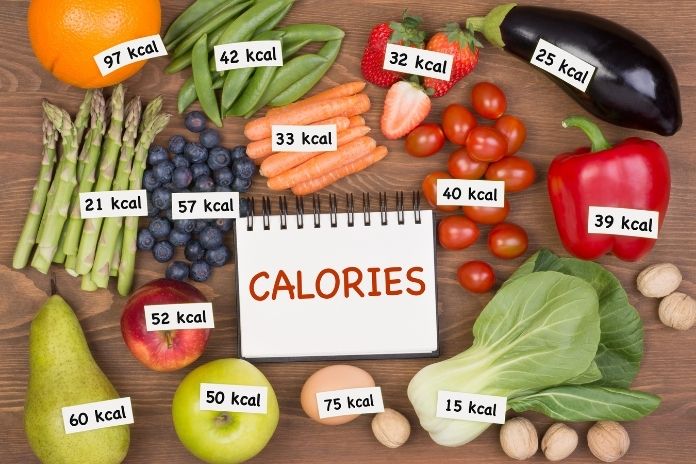
Some people find it helpful to have a rough idea of how many calories their bodies need each day, even though everyone’s needs differ. There are methods to determine the average number of calories your body requires at rest to maintain your weight, which can be used to create a customized calorie goal.
The Mifflin-St. Several medical professionals use the Jeor Equation:
- Females: (5 x age [years]) – (10 x weight [kg]) + (6.25 x height [cm]) – 161
- Males: (5 x age [years]) – (10 x weight [kg]) + (6.25 x height [cm]) + 5
A 50-year-old lady who is 5 feet 4 inches (163 cm) tall and weighs 145 pounds (66 kg) would burn around 1,268 calories at rest, according to the formula above.
However, physical exercise, which can burn hundreds to thousands of extra calories, is not included in this calculation.
Protein Needs After 50 and 60
A person’s height, weight, age, sex, and exercise level influence their daily protein intake. Recommended Dietary Allowance (RDA) for protein for the typical adult is 0.36 grams per pound of body weight. For someone weighing 165 pounds, for instance, that equates to 60 grams of protein every day.
Unfortunately, many older folks do not consume enough protein each day. About 46% of the diets of over 12,000 people aged 51 and older did not meet the daily protein requirement, according to a study published in the Journal of Nutrition, Health & Aging. Gaining muscle mass is more difficult when you consume less protein.
Many plant-based and meat-based foods provide protein. These include fish, dairy products, lean meats, nuts and seeds, beans, peas, lentils, and soy products. The most straightforward approach to increasing your protein intake is to include more of these foods in your diet.
Eating protein-rich foods is vital, but so is knowing when to eat them. Experts advise consuming healthy protein sources at each meal and distributing protein intake throughout the day.
Supporting Bone Health through Diet
Your bones are vital. They aid in movement, safeguard your organs, and store calcium for use by the rest of your body, among other things.
The percentage of elderly Americans with poor bone health is rising. The Centers for Disease Control and Prevention (CDC) reports that osteoporosis or reduced bone mass affects more than half of Americans over 50.
Both osteoporosis and poor bone mass are more common in women than in men. A person’s risk of bone fractures is significantly increased by osteoporosis. Healthy lifestyle choices can help reduce the normal age-related loss of bone mass. Observing what we put on our plates is the first good habit.
While bones need many different nutrients to stay healthy, calcium, magnesium, and vitamin D are the three most crucial.
Calcium: Calcium aids in the development of strong bones. It also facilitates the healthy functioning of other parts of the body. Our bones store calcium for the rest of our bodies to use. We are more susceptible to osteoporosis when we don’t get enough calcium, as it depletes the calcium stored in our bones.
Magnesium: Magnesium can promote increased bone density and aid in the formation of new bones.
Vitamin D: Vitamin D facilitates the body’s absorption of calcium from food. It’s also critical for immune health and muscle function.
Read More: Incontinence in Older Adults: Understanding Age-Related Changes and Coping Strategies
Carbohydrates, Blood Sugar, and Metabolic Health
After 50, your body uses the carbohydrates for energy, but how it does so varies. Refined carbs like white bread, pastries, sugary snacks, and sweetened drinks break down fast into glucose. Over time, insulin sensitivity weakens, making rapid blood sugar spikes difficult to regulate. It increases the energy crashes, fat accumulation, and type 2 diabetes risk.
Cutting out carbs isn’t the only solution; choosing the right type is. The best sources are low-glycemic-load carb foods, including oats, quinoa, beans, lentils, vegetables, and whole fruit.
These foods will take longer to break down during digestion, release glucose slowly and efficiently into your bloodstream, keep you fuller longer, and help regulate digestion.
Stable blood sugar levels are key to your energy levels, mental clarity, and weight control.
Healthy Fats for Heart and Brain Health
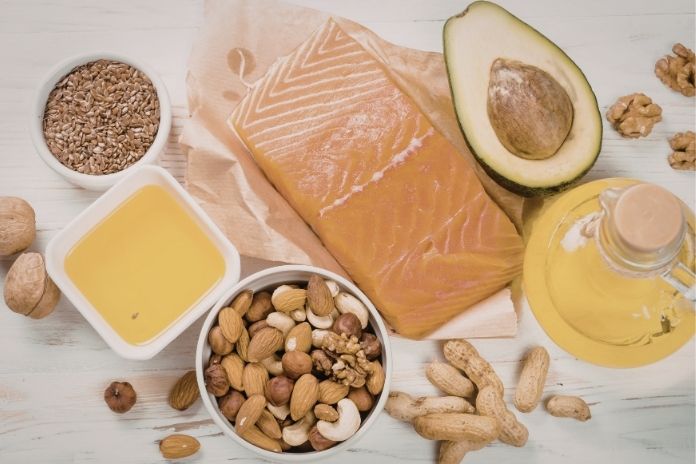
Healthy eating goes beyond weight loss and vitality. Supporting brain function is also crucial. Many brain-healthy foods are heart-healthy. These foods contain anti-inflammatory substances, a risk factor for Alzheimer’s and other cognitive impairment.
The Mediterranean, DASH, and MIND diets are fabulous. They contain brain-nourishing whole grains, fiber, and lean proteins and are low in harmful fats, cholesterol, salt, and added sugars.
Salmon, Sardines, and Mackerel: Omega-3 fatty acids enhance brain cell structure and communication.
Dark Chocolate with Blueberries: Antioxidants can reduce brain aging and improve your memory.
Seeds and Walnuts: Provide vitamin E and plant-based omega-3 fatty acids.
Spinach, Kale, Collards: Rich in folate, vitamin K, and beta carotene, which delay cognitive loss.
Fiber, Digestion, and Gut Health
Your digestive system changes as you age, just like the rest of your body. For the most part, it slows down. Eating, digesting, and eliminating waste from the body can all take longer than they used to. As we age, some digestive system muscles may also become more relaxed. It indicates that they are less effective in retaining food and stomach acid in their proper locations.
However, lifestyle factors have the most significant impact on your digestion as you age. Several digestive issues can arise from your diet, level of activity, and medications.
It should come as no surprise that your digestive system can be significantly impacted by what you eat or don’t eat. Eating a diet rich in fruit, vegetables, whole grains, legumes, and lean protein can be beneficial.
Hydration and Appetite Changes With Aging

Because many medications increase the risk of dehydration, adequate water intake becomes especially important. Additionally, fiber, one of the vital minerals we require, absorbs water. It implies that to stay well hydrated, you must regularly drink fluids throughout the day.
For healthy men and women aged 51 and older, the National Academy of Medicine recommends a daily fluid intake of roughly 13 cups for men and 9 cups for women.
Read More: Hidden Signs You’re Not Eating Enough Healthy Fats
Eating Patterns That Work Well in Your 50s and 60s
Making diet and lifestyle changes to align with your new way of living can be important, starting in your 50s. What worked for you in your 20s, 30s, or even 40s may not be best for you as you age, due to changes in how your body breaks down the food, absorbs nutrients, and so on. When you turn 50, try these healthy eating habits.
Savor Fish: Chronic illnesses such as diabetes, Alzheimer’s disease, dementia, heart disease, and stroke may become more likely as you age. However, increasing intake of omega-3 fatty acids, a healthy form of unsaturated fat, can help reduce inflammation in the body.
Limit Your Sodium Intake: Consuming too much sodiumcant increase your risk of heart disease and high blood pressure, so you shouldmonitor your intaket throughout the day. Additionally, there is some evidence linking a high salt intake to impaired cognitive function.
Get cooking: Although there’s undoubtedly a time and place for dining out, you want the majority of your food to come from home-cooked meals, where you have complete control over ingredient choices and preparation methods, resulting in nutrient-dense food tailored to your taste.
Reduce Sweetened Drinks: Cutting back on soda and other high-sugar beverages is a terrific way to improve your health. Instead, choose options like unsweetened tea or water, both of which are great for staying hydrated without the extra sugar or energy slumps.
Common Nutrition Mistakes After 50
Eating healthily after 50 means upping your intake of nourishing foods like berries, green leafy vegetables, whole grains, and lean cuts of meat, and eliminating foods that block your arteries and send your waistline into overdrive.
French Fries: Think about the bucket of oil that the fries (and most other fried foods) are cooked in, and how this could contribute to a higher level of saturated fats in your body, which could then lead to higher levels of cholesterol in your blood.
Fruit in a Can: After processing and canning, you lose some of the benefits, especially if there is additional sugar. Canned fruits have very low vitamin C content. Additionally, there is strong evidence that refined carbohydrates cause inflammation in our systems, which can harm us, especially our mental health.
Frozen Pizzas: To satisfy customers, many highly processed items, such as “meat lovers” frozen pizzas, include food coloring, salt, preservatives, and other difficult-to-pronounce ingredients. And you shouldn’t do it.
Vegetables in Cans: Canned vegetables, such as black beans, are high in salt. They may claim to be “low salt,” but that means the product has less salt than the standard version.
Pasta Sauces in Bottles: To keep them fresh and prevent bacteria from growing, jarred and shelf-stable pasta sauces usually have higher salt content. Many of these sauces have 300–400 mg of sodium per serving.
When to Consider Professional Guidance

While you can make many dietary changes after fifty with just minor lifestyle adjustments, there may be times when you need to seek expert help. An expert can ensure that the foods you add are safe, tailored, and helpful for your medical conditions.
One of the main reasons to speak with a doctor or a certified dietitian is if you have unintentionally lost weight. Losing weight without making an effort may indicate muscle loss, insufficient caloric intake, or underlying medical issues.
Digestive issues and nutrient deficiencies must be addressed before we can determine whether an individual has age-related stomach issues. Persistent bloating, reflux, constipation, or nutrient absorption issues may be signs of age-related changes or digestive disorders that require dietary recommendations.
Expert assistance is also crucial for managing chronic diseases while on a diet.
Read More: Balancing Act: Tips for Creating a Well-Rounded and Healthy Diet Plan
Conclusion
Healthy eating in your 50s and 60s is about making intentional decisions that serve your changing body over time, rather than adhering to restrictive guidelines or trendy diets.
Energy, strength, and everyday good health are very much within reach if you’re willing to adjust your diet to suit your metabolism as it slows, modifies your ever-changing muscle mass, and a stomach that tends to be even more sensitive than before.
We can deliberately add to daily vitality and long-term health by focusing on nutritious foods, higher-quality carbs, plenty of protein, good fats, and fiber.
References
- National Council on Aging. (2025, December 19). Eating well after 50: 5 ways to make healthy food choices.
- Healthdirect Australia. (2022). Healthy eating over 60.
- Clint Carter. (2020, August 12). What should your diet be like after 50?
- U.S. Department of Veterans Affairs. (2022, September 19). After 50: Changing your diet.
- familydoctor.org editorial staff. (2025, October 21). Healthy habits for adults over 60.
- Alisa Bowman. (2025, April 1). How Many Calories Should You Eat Based on Age? Calculate Your Needs to Lose, Gain, or Maintain Weight
- Jenette, Restivo. (2024, August 14). Muscle loss and protein needs in older adults.
- UPMC HealthBeat. (September 8, 2025). Best Foods for Bone Health: 10 Foods Rich in Calcium and Other Key Nutrients.
- Jinfiniti. (2025, October 11). Boosting Metabolism After 50: What Experts Say Works.
- Mary Kalafut, MD. (2025, July 8). What are the best foods for brain health?
- uclahealth. (2024, September 30). How to keep your digestive system healthy as you age.
- Baum, I. (2025, June 18). 10 eating changes to make when you turn 50, according to science.
- Gwinn, A. (2024, August 28). 25 foods to skip after age 50.
In this Article