












After a cold, flu, or sore throat, it’s very typical to feel a tiny lump or swollen gland in your neck. Many people think the worst when they notice a lump or bump while washing their face or applying cream.
While this is understandable, most of the time, swollen glands or lymph nodes are your own body’s way of fighting an infection. They often swell up while your immune system is in action, since they are tiny scrap filters that ‘catch’ the offending bacteria or virus.
Fortunately, the majority of enlarged lymph nodes are benign and resolve on their own after the illness resolves. Understanding what is and is not typical can bring peace of mind. Knowing the difference can help ease tension and guarantee prompt care when it’s actually needed.
In this article, we’ll explain why lymph nodes swell, how to perform a simple feel test, and when a neck lump may need medical attention.
Read More: Lymph Nodes Can Detect Recurrence Of Esophageal Cancer, New Study Suggests
What Lymph Nodes Actually Do (and Why They Swell)
The most common cause of swollen lymph nodes is bacterial or viral infections. A swollen lymph node is a rare side effect of cancer.
The body’s ability to fight against infections depends heavily on the lymph nodes, commonly known as lymph glands. They act as filters, capturing bacteria, viruses, and other disease-causing agents before they can spread to different parts of the body. Swollen lymph nodes are frequently found in the groin, armpits, neck, and beneath the chin.
Time and warm compresses can sometimes treat swollen lymph nodes. Treatment may vary depending on the infection if it results in enlarged lymph nodes.
“Our immune cells receive information about infections and inflammation in our body, and they share that information, which attracts even more cells. This causes your lymph nodes to enlarge, and often, feel tender,” says Dr. Kevin Ree, DO, to UnityPoint Health.
The “Feel Test” for Swollen Neck Lymph Nodes
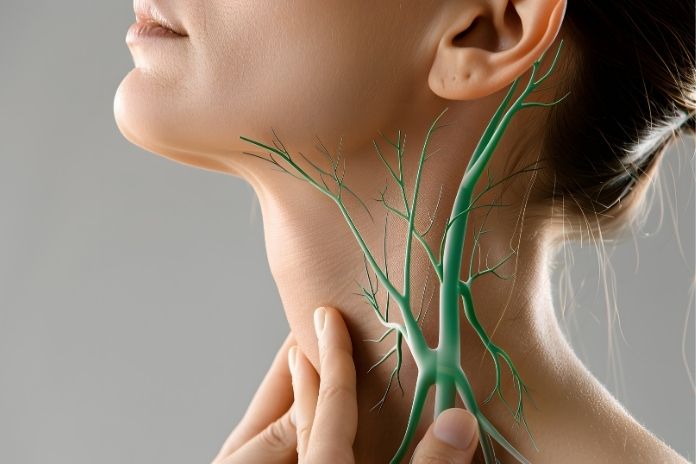
Finding a swollen lymph node can be pretty distressing, but with a bit of self-examination, you can assess whether it’s likely harmless or something to see your doctor about. Don’t use this as a guideline; always visit a professional.
Location: During colds or throat infections, lymph nodes may bulge beneath the jaw, along the sides of the neck, or behind the ears. These areas may indicate a healthy immune response. Since nodes in these areas are usually not involved in infections, swelling above the collarbone or near the clavicle could be more concerning and warrant further investigation.
Texture: Soft, tender nodes that are movable or move a little beneath your fingers when touched might indicate infection or inflammation. Nodes that feel firm or rubbery or are not able to be moved, or move only slightly, especially if there are other accompanying symptoms, should be medically evaluated.
Size: Nodes the size of a pea or smaller are considered healthy. See your doctor if a node feels unusually hard, grows larger than half an inch (1.5 cm), or continues to grow.
Tenderness: Tender nodes indicate an infection your body is fighting. If they are enlarged and not tender, have them evaluated by your physician.
Knowing your symptoms will help keep you calm, informed, and proactive.
When Swollen Lymph Nodes Could Mean Cancer
Infections or immune system disorders are frequently the cause of swollen lymph nodes, also known as lymphadenopathy. Usually, they go away as your body recovers. However, cancer cells can occasionally enter your lymph nodes through your bloodstream or even begin there.
Your physician may help you determine the cause of the sore and enlarged lymph nodes.
Your enlarged glands are typically the result of cancer cells spreading there from another part of your body. We refer to this as metastasis. Once a tumor develops in your body, cancer cells may break off and spread to other organs through your lymphatic or circulatory systems.
Read More: Lung Cancer in Non-Smokers: How It’s Different
Common Non-Cancer Causes of Neck Lymph Node Swelling
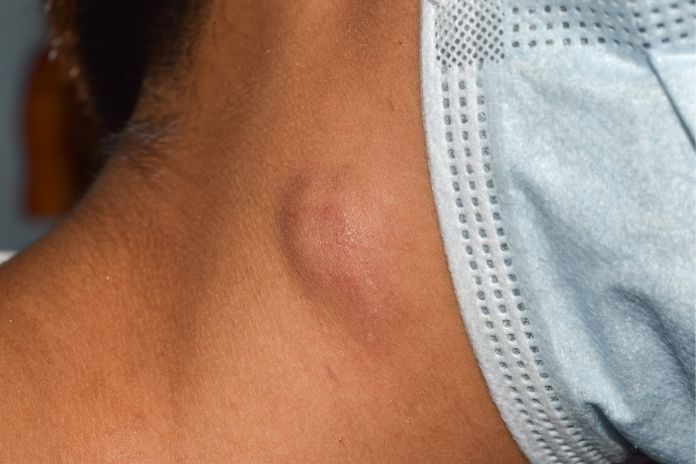
Small, spherical, or bean-shaped collections of cells make up lymph nodes. A variety of immune system cell types are found inside lymph nodes. These cells shield the body from invaders by filtering the lymph fluid as it passes through the body.
Groups of lymph nodes exist. Each group drains a portion of the body. If there is swelling in some areas, it may be easier to detect. These consist of the lymph nodes in the groin, armpits, neck, and under the chin. The location of enlarged lymph nodes may provide insight into the reason for the swelling.
An infection, mostly viral, such as the common cold, is the most common cause of enlarged lymph nodes. Occasionally, doctors do not identify the cause.
Additional reasons for enlarged lymph nodes include:
- Strep throat
- Measles
- Infections of the ears
- The tooth that is infected
- Mononucleosis
- Infections of the skin or wounds, including cellulitis
When to See a Doctor

Usually, you can identify why a lymph node is swollen. Perhaps you have a bad cold, the early stages of a tooth infection, or a slow-healing sore. If so, getting checked by a healthcare professional is a wise next step.
Also see your doctor if your glands:
- Are a half-inch or larger in size
- Have been swelling for more than two weeks
- Don’t fit inside your own skin
- Feel fairly firm to the touch
- Are they leaking pus or another kind of fluid
- Have flaky, red skin all over them
Safe Home Care While You Wait
Simple home care may help reduce discomfort while your body works to resolve the swelling if your swollen lymph glands in your neck feel relatively small and are due to a recent cold or sore throat.
- Applying a warm compress to the area for 10-15 minutes several times a day can reduce tenderness and improve circulation.
- Where drinking enough and staying hydrated help flush toxins out and promote overall healing, sleeping enough allows your immune system to fight the infection more effectively.
- Lastly, refrain from continuously massaging, pressing, or stroking the swollen area.
- Overhandling can cause tissue irritation, worsen inflammation, and impede healing.
These measures help with recovery but never substitute for your doctor’s care if things are getting worse.
Read More: Small Cell vs Non-Small Cell Lung Cancer: Key Differences
Conclusion
A swollen lymph node in the neck can be nerve-wracking, especially when you fear the worst. But most of the time, these tiny bumps are everyday occurrences, signaling that your immune system is at work battling infection. You’ll feel more in control and less anxious when you know how to assess lymph nodes with simple self-checks, identify warning signs, and use gentle at-home care.
While most infection-related swelling resolves on its own, it’s essential to trust your instincts and seek medical advice if something feels unusual, persistent, or concerning.
References
- Health Images. What do swollen lymph nodes mean?
- Unity Point Health. Swollen lymph nodes: Causes, treatments and when to go to the doctor.
- St. Vincent’s Medical Center. (2023, July 26). 4 signs your swollen lymph node is something more serious.
- City of Hope. (2022, June 29). When to worry about swollen lymph nodes.
- UPMC HealthBeat. (2017, March 2). Is it nasal cancer or the common cold?
- Mayo Clinic Staff. (2025, April 25). Swollen lymph nodes
- Cleveland Clinic. (2025, September 2). Swollen lymph nodes: Symptoms & causes.
- Cambridge University Hospitals NHS Foundation Trust. How to check your lymph nodes.
- University Hospitals Plymouth NHS Trust. How to check your lymph nodes.
- Siegel, K., & Booth, S. (2024, June 4). When do swollen lymph nodes mean cancer?
In this Article