
















Many have started turning to decaf in an attempt to decrease their intake of caffeine, only to be met with warnings that decaf is “chemical-laden,” unsafe, or otherwise inferior to regular coffee. These claims can be confusing, especially when decaf is often recommended for people with caffeine sensitivity, sleep issues, or heart concerns.
This reality is far more complex. Decaf is not a modern health experiment, and it’s also not nutritionally empty.
In this article, we differentiate myth from evidence by explaining how decaf coffee is made, what science says about its safety, and what kind of person is most likely to benefit, or experience downsides, from drinking it. If you’re wondering if decaf coffee is bad for you, here’s what current research and food safety standards actually show.
Read More: Can Coffee Count Toward Your Daily Water Intake?
What Is Decaf Coffee—and How Is the Caffeine Removed?
Decaf coffee is only regular coffee from which most caffeine has been removed, but again, not totally. According to industrial standards, decaffeinated beans must lose at least 97% of their caffeine before they are roasted.
In practical terms, an 8-ounce cup of regular coffee typically contains around 80–100 milligrams of caffeine, while decaf contains about 2–5 milligrams. For those who are hypersensitive to caffeine, that small amount may make the difference, but for most people, the stimulating effect is negligible.
“Certain brands of decaf will use different decaffeination processes, so the levels will differ slightly because of that, but usually not to a degree that the average consumer would be likely to detect,” says Maddie Pasquariello, RDN, a dietitian based in Brooklyn.
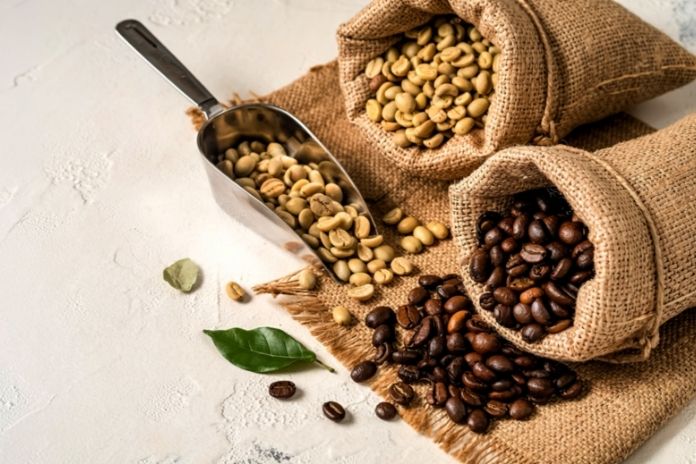
Knowing how caffeine is removed matters because a lot of health concerns come from misunderstandings about the decaffeination process itself. The caffeine is extracted from green, unroasted coffee beans when they’re most permeable, which lets caffeine be removed selectively without damaging the bean’s structure or its beneficial compounds.
Common Decaffeination Methods Explained Simply
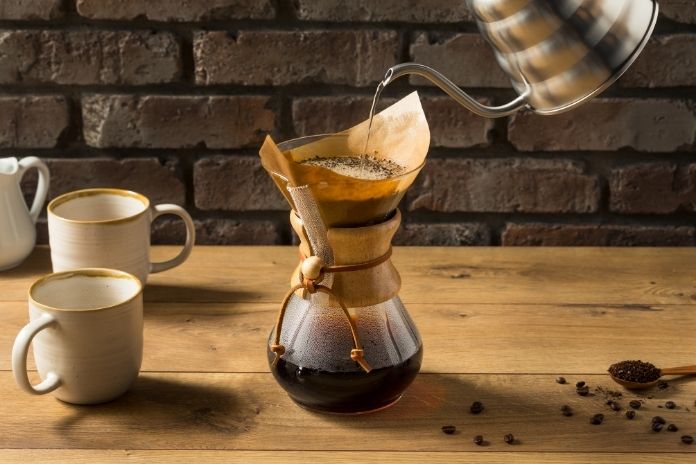
Swiss Water Process: This process uses water, temperature, and time to get rid of the caffeine. The beans soak to dissolve caffeine and flavor compounds, then the caffeine is filtered out while the flavor compounds are reabsorbed. This method is chemical-free and usually applied to organic and specialty coffee.
CO₂ Method: This method uses CO₂ in its pressurized state to selectively bind to the caffeine molecules. It is highly selective, preserves flavor well, and is often used for large-scale, high-quality decaf production.
Solvent-based Decaffeination: The process relies on extracting caffeine with chemicals like ethyl acetate or methylene chloride. These solvents bind to the caffeine molecules and are later removed through steaming and roasting. Though these methods are often misunderstood, we use them widely today.
Safety in all three methods is determined more by regulation and quality control than by the method itself in modern coffee production.
Why People Worry That Decaf Coffee Might Be Bad for You
Much of the concern about decaf coffee relates to older narratives about it being chemical coffee. Early industrial decaffeination was a less refined process, and public perception has not always caught up with the technology.
Another source of confusion is the assumption that decaffeination strips coffee of its nutrients or makes it more acidic. The reality is that caffeine is not the major agent of acidity or health effects in coffee. A lot of the fear surrounding decaf emanates from outdated information that continues to circulate online without any context.
Read More: What Happens If You Drink 3 Cups of Coffee a Day?
Is Decaf Coffee Safe? What Research and Regulations Say
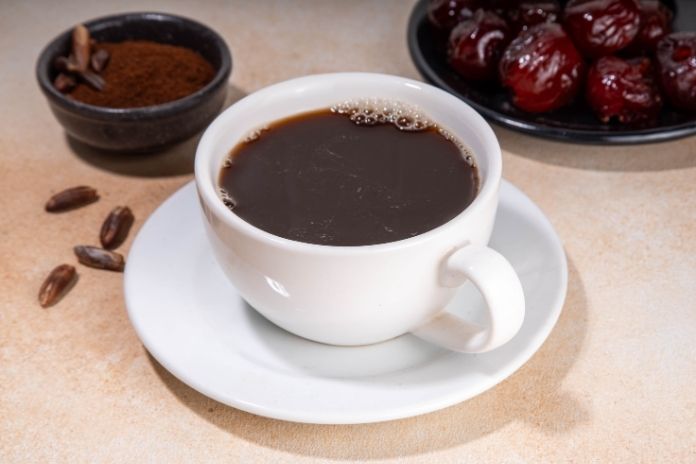
Decaf coffee in the United States is regulated by food safety regulations overseen by the FDA. The regulations specify infinitesimal residues of solvents, much lower than what studies have revealed could be damaging to health. It is not the method that is regulated but rather the end product.
The coffee beans are roasted at very high temperatures and then made using hot water, making it even more likely for any residues to be negligible to the point of becoming infinitesimal. Commercial decaf coffee has been tested and has remained well within safe levels.
There are no long-term studies on individuals who consume coffee, including decaf coffee, suggesting an elevated risk of cancer, liver disease, kidney disease, or heart problems associated with the decaffeination process itself.
Decaffeination processes used currently are vastly different from the methods used years ago and were rather loosely controlled then.
Potential Health Benefits of Decaf Coffee
Decaf isn’t thought of as being highly nutritious, but that judgment isn’t backed by facts. Taking out the caffeine doesn’t take out all the beneficial coffee compounds; many of them remain.
Even decaf retains a decent amount of antioxidants, even without the caffeine, including chlorogenic acids, which help fight oxidative stress and inflammation. These help with cellular protection, metabolic health, and performing their functions independent of caffeine.
Studies show that decaf has a positive effect on heart health and how we handle glucose. This suggests many of coffee’s long-term benefits come from bioactive plant compounds, rather than the stimulant itself. That said, decaf can be beneficial for individuals who can’t tolerate caffeine, allowing them to enjoy its benefits without triggering symptoms.
Possible Downsides or Side Effects of Decaf Coffee
Even though decaf has less caffeine, it isn’t a perfect fix for everyone. Some people still end up with digestive upset, bloating, or acid reflux after sipping decaf. Those reactions usually come from coffee’s natural acids rather than caffeine itself.
Since decaf still contains a trace amount of caffeine, individuals who are highly sensitive to caffeine may experience symptoms if they consume several cups. There are also often overlooked issues of drinking too much decaf. People assume it’s gentler, so they pile it on, which raises acid intake and stresses the gut.
However, chronic symptoms usually suggest coffee, not caffeine, is the offender.
Decaf Coffee vs Regular Coffee: Which Is Better for You?
Regular coffee brings those caffeine-driven perks. These include increased alertness, better focus, and a quick performance lift. At the same time, for some people, it can crank up anxiety, mess with sleep, raise heart rate, and push blood pressure higher.
Decaf coffee takes off the stimulant load while maintaining the familiar taste and a healthy dose of antioxidants. Nutritionally, they are very much the same. The main differences come from caffeine content rather than from vitamins or minerals.
Ultimately, it is not a question of which one is better. We must ask which works better for us? That means how well you sleep, how anxious you get, how your digestion tolerates it, and your heart’s sensitivity.
Read More: Do You Need to Poop After Coffee? Here’s What It Means
Who Should Consider Drinking Decaf Coffee?
Decaf coffee could prove to be a great choice for individuals suffering from sensitivity to the effects of caffeine, difficulties with sleeping, anxiety issues, or heart palpitations.
Though it is savored by pregnant or breastfeeding women, they need to limit their daily intake of caffeine. Hence, people must opt for the decaf option.
How to Choose a Healthier Decaf Coffee
People who are particular about what they eat are advised to be careful about the ingredients of their coffee, too. Swiss Water or CO₂ decaf coffee may appeal to people who like their coffee to be processed less. Although solvent-decaf coffee is considered safe if properly processed.
The organic trademark may refer to certain processing methods, but that is no criterion for safety. Even your brewing methods can affect your coffee’s bitterness by preferring a medium- to dark-roast coffee that is extracted less.
When Decaf Coffee May Not Be the Best Choice

If digestive symptoms persist even after switching to decaf, caffeine is likely not the issue. Certain gastrointestinal conditions or sensitivities may require reducing coffee intake altogether or seeking medical guidance.
In such cases, coffee alternatives may be more appropriate than decaf itself.
The Bottom Line on Decaf Coffee and Your Health
Decaf coffee is not really bad for you. Modern production methods, strict regulation, and extensive research support its safety for most people. Claims that decaf is toxic or unhealthy rely on outdated information and misunderstandings of food safety science.
For individuals who enjoy coffee but struggle with caffeine-related side effects, decaf offers a practical, evidence-backed alternative.
Decaf coffee isn’t a ‘worse version’ of coffee. It’s a unique option for different needs. For most people, it delivers many of coffee’s benefits with fewer caffeine-related downsides, especially when produced using modern, well-regulated methods.
References
- Cafely – Caffeine in Instant Coffee
Cafely. (2024, November 15). How much caffeine is there in instant coffee? Cafely. - Nordfell – Swiss Water Process
Nordfell. (n.d.). The Swiss Water Process: A gentle journey to decaf. Nordfell. - PureGusto – Regular vs Decaf Coffee
PureGusto. (n.d.). How to choose between regular and decaf coffee. PureGusto. - USA Today – Decaf Coffee Ban (via Snopes summary)
Snopes. (2024, May 21). U.S. agencies are attempting to ban decaffeinated coffee? Snopes. - Bean & Bean Coffee – Decaffeination Methods
Bean & Bean Coffee Roasters. (n.d.). How is decaf coffee made? Different decaffeination processes explained. Bean & Bean Coffee Roasters. - National Library of Medicine – Coffee Bioactive Compounds Review
Tajik, N., Tajik, M., Mack, I., & Enck, P. (2007). Bioactive compounds in coffee and their role in lowering the risk of major public health consequences: A review. Food & Function, 8(5), 1807–1819. - Patent (Decaffeination Technology)
Schweitzer, J. (1990). US Patent No. US4911941A: Process for decaffeinating raw coffee. United States Patent and Trademark Office.
In this Article