














Hormones help regulate energy levels, mood, sleep patterns, fertility, and metabolism through a network called the endocrine system. When these messengers are disrupted, the effects can range from cravings and weight changes to low energy and irregular periods.
Most disruption does not come from a single “bad” day but from repeated, everyday patterns such as constant stress, late-night screen time, or a steady diet of ultra‑processed foods. Awareness of common triggers makes it easier to reduce risk without aiming for perfection.
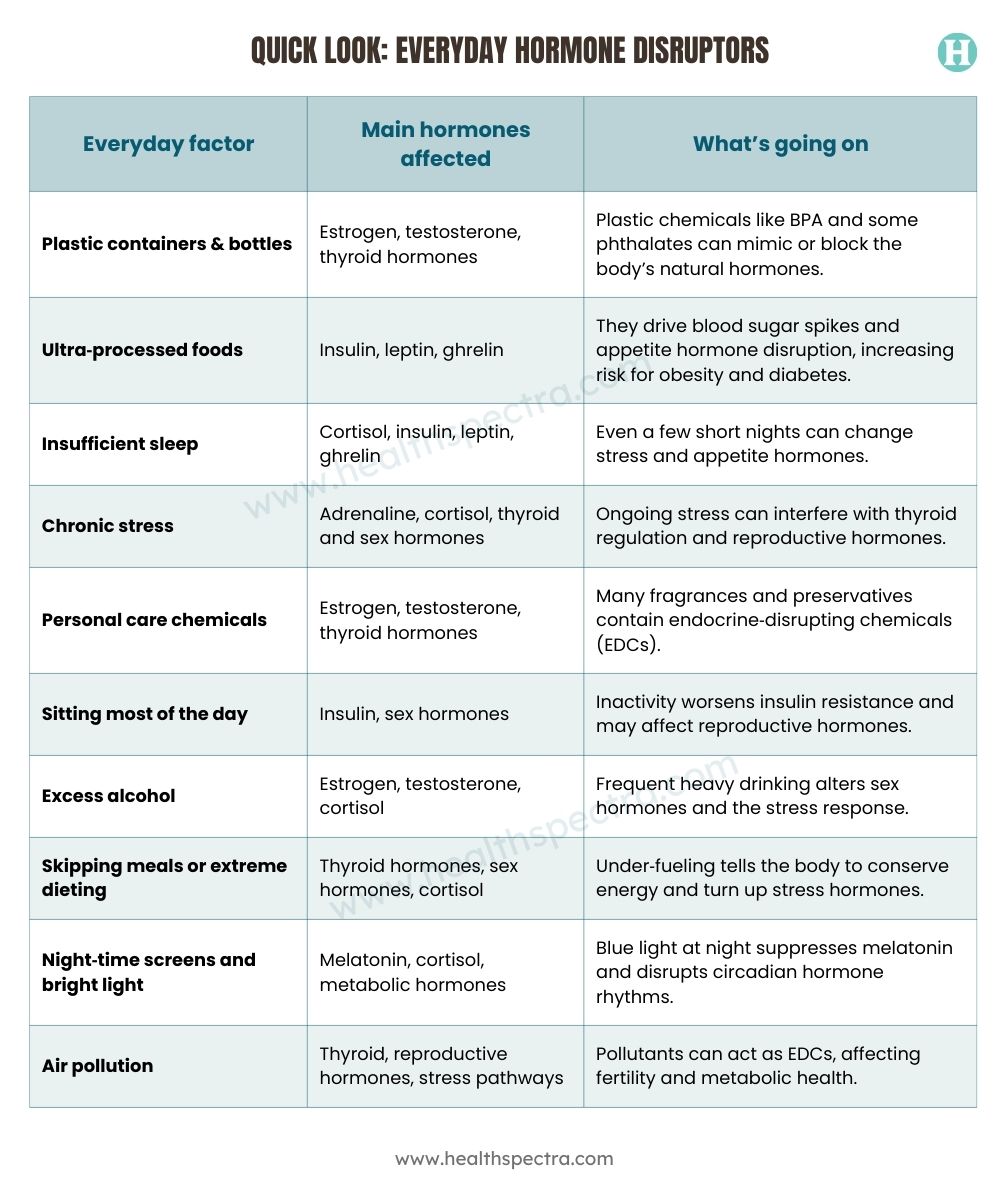 What Hormones Do and Why Balance Matters
Hormones are chemical messengers that help coordinate metabolism, growth, reproduction, mood, and sleep through the endocrine system. When this system is disrupted, symptoms can ripple across multiple body systems at once.
Endocrine‑disrupting chemicals (EDCs) can mimic, block, or interfere with hormones even at very low concentrations. The most common type of disruption comes from repeated daily patterns, such as doom scrolling every evening or relying on ultra‑processed foods, rather than from a single plastic bottle or one late night.
Read More: 6 Everyday Household Items That May Be Triggering Inflammation (and What to Do Instead)
Plastic Food Containers and Bottles
Some food‑grade plastics contain chemicals with estrogen‑like activity, such as BPA, as well as phthalates that can affect testosterone and thyroid signaling. These substances can interfere with normal hormone production and signaling over time.
These chemicals are more likely to leach into food and drinks when plastic is heated, scratched, or used with hot liquids.
Hormone‑friendly swaps
- Whenever possible, use glass, stainless steel, or ceramic containers for heating, microwaving, and long‑term storage.
- Avoid microwaving plastic, and let hot food cool slightly before transferring it into plastic containers. While buying plastic products, look for “BPA‑free” and phthalate‑free labels, while still preferring non‑plastic options for heat.
Ultra‑Processed Foods
Ultra‑processed foods (UPFs) are industrial products that tend to be high in refined sugars, additives, and unhealthy fats, and very low in dietary fiber. This pattern is linked to higher fasting glucose and insulin levels, greater insulin resistance, obesity, and type 2 diabetes.
How they disrupt hormones
- UPFs can blunt the body’s response to leptin (the “I’m full” hormone) and keep ghrelin (the “I’m hungry” hormone) elevated, which makes overeating more likely.
- Repeated blood sugar spikes push the pancreas to release more insulin, and over time, this can contribute to insulin resistance.
Better everyday choices
- Build meals around mostly unprocessed or minimally processed foods such as vegetables, fruits, beans, nuts, whole grains, eggs, fish, and unprocessed meats.
- When convenience is non‑negotiable, choose options with shorter ingredient lists, more fiber, and less added sugar, like frozen vegetables, plain yogurt, and canned beans.
Chronic Sleep Deprivation
Short or poor‑quality sleep can raise evening cortisol levels, increase ghrelin, lower leptin levels, and reduce insulin sensitivity. These shifts make it harder to regulate appetite and blood sugar.
Even a few nights of restricted sleep can lower satiety hormones and increase hunger hormones, which may nudge weight gain over time.
Sleep practices that support hormones
- Aim for a consistent sleep window of about 7–9 hours per night, with similar bedtimes and wake times on weekdays and weekends.
- Create a wind‑down routine that includes dimming lights, avoiding caffeine later in the day, and keeping the bedroom dark, cool, and quiet to support healthy melatonin and cortisol rhythms.
Read More: 10 Everyday Triggers of Atopic Dermatitis (Eczema) Flare-Ups—and How to Avoid Them
Constant Stress (Even Low‑Grade Stress)
During ongoing stress, cortisol can remain elevated or poorly regulated, which in turn affects thyroid levels, sex hormones, blood sugar, and inflammation. Over time, this may contribute to menstrual irregularities, reduced fertility, sexual difficulties, fatigue, and changes in weight.
Stress management as hormone care
- Build brief, repeatable stress‑relief habits into the day, such as short walks, breathing exercises, gentle stretching, or mindfulness breaks.
- Protect “off” time from constant email and news alerts where possible, and consider social connection, therapy, or support groups if stress becomes unmanageable.
Personal Care Products and Their Packaging
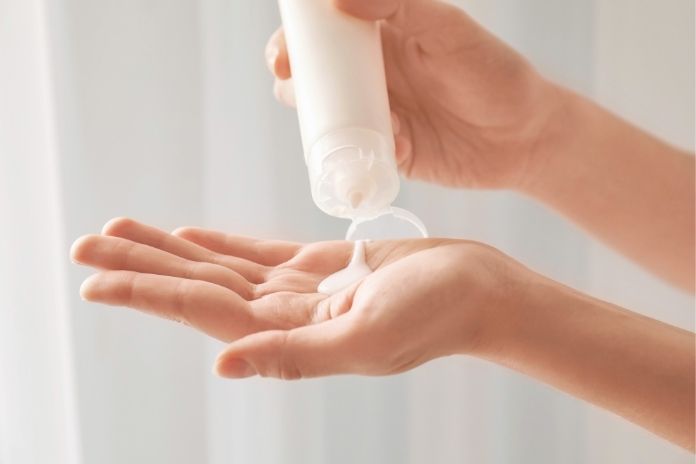
Many personal care products, such as certain fragrances, hair products, lotions, and cosmetics, contain EDCs, including phthalates, parabens, and synthetic musks. These ingredients can interact with estrogen, testosterone, and thyroid hormones and may influence reproductive and metabolic function with long‑term use.
How to reduce exposure (without replacing everything overnight)
- Start with high‑use, leave‑on products (body lotion, deodorant, face cream, sunscreen) and look for fragrance‑free options or products labeled phthalate‑ and paraben‑free.
- Use resources from reputable health or environmental agencies to check product safety, and simplify routines rather than adding more layers and products.
Sedentary Lifestyle
Spending most of the day sitting is linked to reduced insulin sensitivity, higher risk of type 2 diabetes, and greater obesity risk, even in people who do some intentional exercise.
In contrast, regular movement improves glucose uptake into muscles, supports healthier insulin responses, and helps maintain more balanced sex hormone levels. Small movement upgrades that count
- Break up long sitting periods with “movement snacks” every 30–60 minutes, like standing, stretching, or walking for a few minutes.
- Aim for a mix of regular aerobic activity (such as brisk walking) and some strength training each week, adjusted to individual fitness and health status.
Excessive Alcohol Intake
Heavy or frequent drinking can alter estrogen and testosterone levels and affect the adrenal stress response. Higher intakes are linked to irregular menstrual cycles, reduced fertility, and shifts in body composition.
What it means to be “hormone‑aware” with alcohol
- Health guidance generally recommends moderate or lower intake if drinking at all; for many adults, that means up to one drink per day for women and up to two for men, or less as advised by a clinician.
- Warning signs that alcohol may be affecting hormone balance include missed or irregular periods, low libido, sleep problems, and mood swings. Experiencing all this indicates that it’s essential to consult with a healthcare provider.
Skipping Meals or Extreme Dieting
 Severe calorie restriction or frequently skipping meals can increase cortisol and reduce thyroid hormone activity, slowing metabolism. Severely low energy availability is linked to reproductive hormone disruption, menstrual irregularities or amenorrhea, and reduced testosterone levels in women and men.
Supporting more stable nutrition
- Aim for regular, balanced meals and snacks that provide protein, fiber, and healthy fats to support more stable blood sugar and hormone signaling.
- Extreme diets, long‑term fasting without medical supervision, or patterns that leave you exhausted or preoccupied with food are cues to seek personalized guidance.
Read More: 16 Everyday Habits That Are Bad For Your Health – What Are You Doing Wrong?
Artificial Light and Screens at Night
Exposure to room light in the evening and blue light from screens can reduce melatonin, the hormone that signals “nighttime” and supports sleep. This disruption can also shift circadian patterns of cortisol, insulin, leptin, and other metabolic hormones.
Simple nighttime light hygiene
- About 1–2 hours before bed, dim overall lighting and switch screens to “night mode” or blue‑light‑reduced settings, or use blue‑light‑blocking strategies when needed.
- Whenever possible, get bright, natural light in the morning to help anchor daily melatonin and cortisol rhythms.
Environmental Pollution
Air pollution contains fine particles and chemicals that can act as EDCs and affect thyroid function, reproductive hormones, and stress pathways. Research has linked higher exposure with irregular menstrual cycles, lower sperm count or quality, and higher risks of metabolic syndrome and cardiovascular disease.
Reducing exposure and building resilience
- During high‑pollution days, spending more time in well‑filtered indoor environments, keeping windows closed near heavy traffic, and using high‑quality masks outdoors can help reduce inhaled pollutants.
- Eating nutrient-dense foods, staying physically active, and avoiding smoking can help the body better cope with unavoidable exposures.
Read More: 15 Signs You’re Not Taking Care Of Yourself – It’s The Small Things!
How Hormone Disruption Shows Up in Daily Life
Hormone‑related symptoms often overlap with many other health conditions, so they are not diagnostic by themselves. Still, tracking them over time can offer helpful clues.
Common patterns people notice include:
- Fatigue or low energy, including feeling “tired but wired.”
- Mood shifts such as irritability, anxiety, or persistent low mood.
- Weight gain or loss that does not correspond to changes in eating or physical activity.
- Irregular, painful, or heavy periods; fertility issues; or changes in sex drive.
- Sleep problems such as difficulty falling asleep, frequent waking, or unrefreshing sleep.
Because these symptoms are nonspecific, it is important to check in with a qualified healthcare professional for proper assessment and next steps.
What Actually Helps (Beyond “Perfect” Advice)
 You do not need a flawless lifestyle or a strict detox; sustainable habits matter far more than extremes.
Foundational habits for hormone support
- Sleep: Aim for 7–9 hours of sleep, with consistent bed and wake times and lower light levels in the evening to support melatonin, cortisol, and metabolic hormones.
- Food:Focus meals on whole and minimally processed foods that provide protein, fiber, and healthy fats to support insulin and appetite hormones.
- Movement: Take movement breaks throughout the day and include intentional physical activity several times a week to improve insulin sensitivity and support sex hormone balance.
- Stress regulation: Use practical tools such as breathing exercises, walks, social connections, therapy sessions, or hobbies to keep stress in check.
- Exposure reduction:Where possible, swap some plastics for glass or stainless steel, simplify personal care products, and reduce time in high‑pollution settings and heavy‑alcohol situations.
Read More: 7 Everyday Products That May Be Disrupting Your Hormones
Actionable Key Takeaways
- Hormone disruption typically manifests as patterns such as chronic stress, nightly screen time, and a routine heavy in ultra‑processed foods, rather than isolated choices.
- Improvements in sleep, food quality, daily movement, stress management, and reducing avoidable EDC exposure can meaningfully support hormonal balance over time.
- Awareness, not fear, is the most powerful tool: pick a few realistic changes you can maintain, and loop in your healthcare provider if symptoms persist or disrupt daily life.
References
- Del Río Barrera, T., Zambrano Ledesma, K. N., Aguilar Hernández, M., Reyes Chávez, K., Aguirre Barajas, A. F., Alvarez Vázquez, D. P., Garcia Santiago, G., & Arias Castro, A. (2025). Endocrine disruptors and their impact on quality of life: A literature review. Cureus, 17(5), Article e83890.
- National Institute of Environmental Health Sciences. (2025). Endocrine disruptors.
- Foley, J. M., Kwiatkowski, C. F., Rochester, J. R., Neveux, I., Dabe, S., Kupec Lathrop, M., Daza, E. J., Grzymski, J. J., Greenfield, B. K., & Hua, J. (2025). Associations between daily-use products and urinary biomarkers of endocrine-disrupting chemicals in adults of reproductive age. International Journal of Environmental Research and Public Health, 22(1), Article 99.
- Gore, A. C., Chappell, V. A., Fenton, S. E., Flaws, J. A., Nadal, A., Prins, G. S., Toppari, J., & Zoeller, R. T. (2015). EDC-2: The Endocrine Society’s second scientific statement on endocrine-disrupting chemicals. Endocrine Reviews, 36(6), E1-E150.
- De Coster, S., & van Larebeke, N. (2012). Endocrine-disrupting chemicals: Associated disorders and mechanisms of action. Journal of Environmental and Public Health, 2012, Article 713696.
- Lovallo, W. R., Whitsett, T. L., al’ Absi, M., Sung, B. H., Vincent, A. S., & Wilson, M. F. (2005). Caffeine stimulation of cortisol secretion across the waking hours in relation to caffeine intake levels. Psychosomatic Medicine, 67(5), 734-739.
- National Institute of Environmental Health Sciences. (n.d.). Endocrine disruptors and your health [Fact sheet].
- Kabir, E. R., Rahman, M. S., & Rahman, I. (2015). A review of endocrine disruptors in food: Impact on body weight regulation. Food and Chemical Toxicology, 78, 36-43.
- Spiegel, K., Tasali, E., Leproult, R., & Van Cauter, E. (2009). Effects of acute sleep deprivation on leptin, ghrelin, and adiponectin in men. The Journal of Clinical Endocrinology & Metabolism, 94(7), 2349-2355.
- Leung, G., & Shyamala, M. (2022). Endocrine disruptors: Investigation & interpretation challenges. Frontiers in Endocrinology.
- Donga, E., van Dijk, M., van Zon, M., Hoogma, R. P., Kooi, J., eastward, B. B., Corssmit, E. P., & Romijn, J. A. (2010). Role of sleep and sleep loss in hormonal release and metabolism. Journal of Endocrinology.
- Kumar, A., & Singh, R. (2025). Implications of plastic-derived endocrine disruptors on human health. Environmental Health Perspectives.
- Meeker, J. D., & Ferguson, K. K. (2020). Chemical components of plastics as endocrine disruptors. Environment International, 143, 105989.
- Trasande, L., & Gore, A. C. (2022). The role of endocrine-disrupting phthalates and bisphenols in women’s health. Fertility and Sterility.
- Muñoz, A., & Anastasiadou, E. (2023). Food packaging and endocrine disruptors. Nutrients, 15(21)*, 4567.
- Yadav, S., & Kumar, P. (2023). A review of the endocrine disrupting effects of micro and nano plastics. Environmental Pollution, 316, 120456.
- Adam, E. K., & Kumari, M. (2006). Day-to-day dynamics of experience–cortisol associations in older adults. Proceedings of the National Academy of Sciences, 103(45), 17017-17022.
- Hirotsu, C., Tufik, S., & Andersen, M. L. (2010). Lifestyle, stress and cortisol response: Review II. Brazilian Journal of Medical and Biological Research.
- Bilici, S., & Yildiz, S. S. (2019). Hunger hormone and sleep responses to the built-in blue-light filter. Nutrition Research and Practice.
- Jiménez, E., et al. (2022). Assessment of five pesticides as endocrine-disrupting chemicals. Chemosphere, 292, 133469.
In this Article