














For people going through antidepressant withdrawal, brain zaps are often described as abrupt, electric-like shocks in the brain, which can be a startling sensation. When reducing or quitting certain medications, many people experience these frequent yet disturbing sensory disturbances, sometimes referred to as “brain shivers.” Anyone going through this challenging stage needs to understand how long brain zaps may last and how to cope with them effectively.
In fact, fear of withdrawal symptoms like brain zaps is one reason many individuals continue taking antidepressants, even when they feel they might be able to manage without them, as highlighted in a New York Times investigation.
There is no clinically proven supplement that relieves brain zaps. However, some supplements and lifestyle changes can help the vast majority of people support their nervous system and overall sense of well-being, depending on whether the cause is medication, a nutritional deficiency, stress, or lack of sleep.
Don’t assume that what helps one person will help you as well. Everybody is different.
Read More: The Gut-Brain Connection: How Your Gut Health Affects Mental Well-Being
Why Brain Zaps Happen (So You Know What Supplements Can—and Can’t—Fix)
Electric shocks or jolts of the brain, also known as brain zaps, occur as a temporary sensation experienced with a feeling of electric pulses or a sudden rush of electricity in your head. It can happen if there has been an abrupt difference in the chemical composition of your body’s brain.
Brain zaps are most often linked to antidepressant withdrawal and are especially common when stopping SSRIs or SNRIs such as Zoloft, Effexor, or Cymbalta.
The abrupt discontinuation of these medications, which regulate serotonin and other neurotransmitters, can disrupt the brain’s delicate equilibrium, leading to sensory abnormalities.
For some experts, brain zaps result from the brain adapting to a lower level of neurotransmitters, but how they ultimately occur is not fully understood.
You can increase your chances of experiencing these if you make an abrupt change in your dose, withhold your dose for 1 day, or suddenly stop taking it. While for many, brain zaps will eventually stop, some are more prone to experiencing particularly severe or frequent zaps.
The term “brain zaps” is not necessarily the technical name, but is most commonly used to describe the symptom. The medical community didn’t recognize brain zaps until the late 1990s, Brian Barnett, MD, an addiction psychiatrist with the Cleveland Clinic, told Health magazine.
What are the Causes of Brain Zaps?
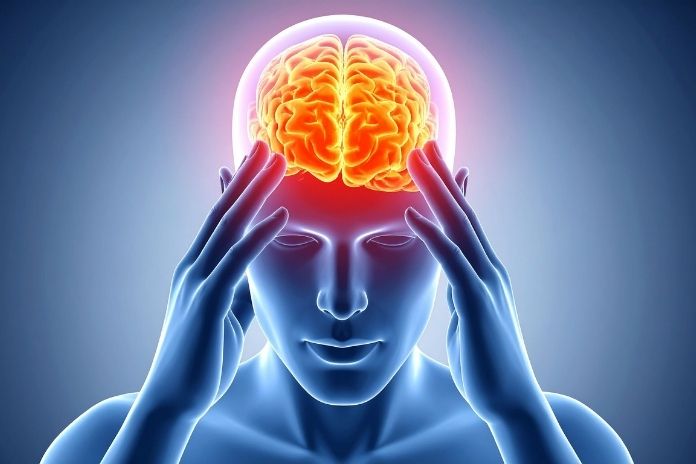
Sensory abnormalities resembling electric shocks in the brain are known as “brain zaps.” People who stop using antidepressants are frequently affected by them. These medications help regulate neurotransmitters, molecules found in the brain. 42.5% of 780 individuals who had taken antidepressants reported experiencing brain zaps, according to a 2020 analysis.
Antidepressant withdrawal is the term for the adverse effect that can occur when you stop taking antidepressants. Symptoms of this illness usually include:
- Flu-like symptoms
- Gastrointestinal (GI) disorders
- Abnormalities of the senses
- Difficulty falling asleep
- Vertigo
Although the term “brain zaps” is most commonly used to describe the symptom, it may not be the most precise description.
How Does a Brain Zap Feel?
Brain zaps are subjective and vary from person to person. Common descriptions are of:
Sudden Jolts: A sudden, shocking, electric feeling in the brain.
Buzzing or Vibration: Some describe it as a slight buzzing or vibration inside.
Momentary Disorientation: Individuals may experience dizziness, lightheadedness, or a sense of imbalance during a brain zap event.
Visual or Auditory Effects: Some people may experience light flashes, ringing in the ears (tinnitus), or other sensory oddities.
Ordinary things, such as moving the eyes, moving the head, or going to sleep, can cause them, and they can also happen several times within seconds.
Read More: Supplements That Can Harm Your Brain and Nervous System
Supplements People Try for Brain Zaps: What Science Says

While some people find that taking specific vitamins reduces withdrawal symptoms and improves their overall mood, supplements are not a quick fix for treating anxiety, depression, or brain zaps.
The following supplements may help promote mental and cognitive health:
Magnesium L-Threonate: People typically use this kind of magnesium to enhance cognitive function. Instead of magnesium that’s more citrate-based, which goes straight to your gut, magnesium l-threonate is among the three natural forms of magnesium that rapidly bridge the blood-brain barrier, calming and relaxing the brain and body.
Omega-3 Fatty Acids: Fish oil, krill oil, and algal oil are natural sources of omega-3 fatty acids. These polyunsaturated fats have been linked to several health benefits, such as reduced inflammation and discomfort.
This supplement is highly beneficial for treating the symptoms of medication withdrawal and tends to nourish and heal the brain.
B Vitamins: Restoring your B vitamins is another excellent strategy to calm your brain zaps. The relationship between antidepressants and B vitamins has been the subject of numerous investigations.
These studies demonstrate that taking antidepressants can cause your brain to become low in B vitamins. The B vitamins also support serotonin through other channels, helping your body send all the signals it needs to digest and detox. So you think and feel in a balanced way.
Acetyl-L-Carnitine: When taking an antidepressant or tapering, acetyl-L-carnitine is an essential amino acid. The body uses this substance to convert fat into energy. Therefore, you should consider taking Acetyl-L-Carnitine if you have been experiencing withdrawal symptoms or just antidepressant side effects.
Vitamin D: There is a strong correlation between vitamin D levels and the intensity of depression symptoms, which is essential to know if you are depressed or on antidepressants.
It’s crucial to monitor your blood levels of vitamin D if you’re experiencing anxiety, despair, anger, OCD symptoms, bipolar disorder, or other mood-related mental health disorders because certain drugs actually decrease vitamin D.
Find out from your doctor whether replacing your vitamin D is suitable.
How Can Brain Zaps Be Prevented?
While often harmless, brain zaps can still be annoying and disturbing. Luckily, there are simple strategies to manage and reduce these occurrences:
Taper Drugs Gradually: Withdrawal from benzodiazepines, antidepressants, and other drugs is frequently associated with brain zaps. Stopping these medications suddenly can cause a chemical imbalance in the brain. Create a progressive tapering strategy in consultation with a medical expert.
Make Sleep a Priority: Sleep-deprived people report neurotransmitter imbalances that contribute to brain zaps. To provide your brain with what it needs, aim for at least 7-9 hours of quality sleep each night.
Control Stress Levels: Too much stress can make the nervous system very reactive, which may lead to brain zaps. Try stress-relieving tactics like yoga, mindfulness, or deep breathing.
Keep Hydrated: Your neurological problems may hurt more if you are dehydrated. Drink at least eight glasses of water daily, or more if you are active.
Nourish Your Mind: Brain deficits can be caused or exacerbated by a lack of magnesium, vitamin B12, and other nutrients. Filling your diet with whole grains, leafy greens, lean meats, and nutrient-fortified foods can make profound changes.
The above strategies will work best if modified to match the demands of that individual, so speak with a doctor about a personal plan.
Read More: Enhance Your Focus: 5 Brain-Boosting Supplements for Men
Treatment for Brain Zaps

Usually, brain zaps disappear on their own. More research is needed to determine which treatments can ease the discomfort of brain zaps. According to some research, taking antidepressants as prescribed and gradually reducing their dosage can help lessen symptoms.
To prevent withdrawal symptoms, experts typically recommend going off antidepressants gradually. If you take Prozac (fluoxetine) or antidepressants for less than four weeks, you might not need to taper. For advice on tapering off antidepressants, speak with a healthcare professional.
Although they are often painful, brain zaps are manageable and temporary. Others might endure years of agony.
When Brain Zaps Need Medical Attention
Most brain zaps aren’t serious, but in some cases, you may need to see a healthcare provider. Don’t just disregard them if your brain zaps occur too often or come with other kinds of symptoms. Here’s when you should ask for help:
Frequent Zaps: Experiencing multiple brain zaps within a day may indicate a withdrawal response or a nervous system issue.
Other Signs: If you also experience headaches, dizziness, or blurred vision with the zaps, see a doctor.
Impact on Your Daily Life: Talk to your physician if your symptoms are affecting your relationships, or affecting your work, or if your sleep isn’t being affected.
Recent Drug Changes: Stopping your antidepressants or other drugs could put you at risk for experiencing withdrawal syndrome. Work with your physician for a taper plan and timeline.
Read More: Boost Your Brainpower: 5 Best Nootropic Supplements for Enhanced Cognitive Function
Conclusion
Brain zaps may not last long, but they certainly don’t seem like it when you experience them. A brain zap can sabotage your confidence and peace of mind, making you desperate to find a way to make them stop. Doctors may recommend supplements, usually as short-term fixes, but none of them actually treat the underlying problem. At best, all they can do is help regulate the nervous system, mood, or sleep.
Understanding your pattern, whether the issue relates to stress, digestive problems, or when you take medications, and working with a clinician when changes or deficiencies may be involved, are the actual keys. Supplements are not a magic wand; they’re just tools.
References
- Dr. Nicole Cain ND, MA. (2025). What are brain zaps? – 6 supplements to soothe symptoms.
- Maggie O’Neill. (Updated on January 6, 2025). What Are Brain Zaps—and What Do They Feel Like?
- Jillian Levy, CHHC. (October 31, 2018). Brain zaps + 4 brain zaps natural remedies.
- Addiction Free Modesto. (2025, June 2). Brain zaps: Why they happen and how long they last.
- TMS Institute of Arizona. (2025, February 7). Causes of “brain zaps” and how to stop them.
- Dr. Jamie Rogers. (2025, September 16). What causes brain zaps? Ways to find relief.
- Inner Compass Initiative. Withdrawal-induced brain sensations/brain zaps: Quick tips.
In this Article