














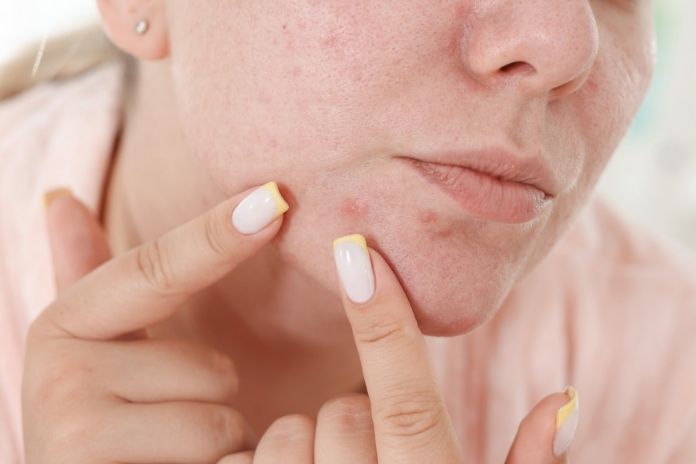
You may follow your nighttime skincare routine correctly and still wake up the next morning, look in the mirror, and see a breakout. It can be very disheartening, but not everyone can get the same results from using a specific nightly skincare routine. Finding the right products for acne-prone skin often takes time, patience, and plenty of trial and error.
It’s easy to believe acne is only about what you put on your skin. People often tell others to ‘wash their face better’ or switch products. But when breakouts continue despite doing everything ‘right,’ eating well, staying hydrated, and avoiding greasy foods, it can start to feel discouraging.
Acne is more than a surface-level issue. Deeper factors such as hormonal changes, chronic inflammation, excess oil production, and the overall health of your skin barrier all play a role. When you view acne as a complex condition rather than a simple skincare issue, it becomes clearer why topical treatments alone often aren’t enough for lasting improvement.
Read More: Clinical vs. “Clean” Beauty: How to Spot Science-Backed Skincare Products
6 Skincare and Hormone Mistakes We Make Trying to Fix Acne
1. Over-Cleansing and Over-Exfoliating
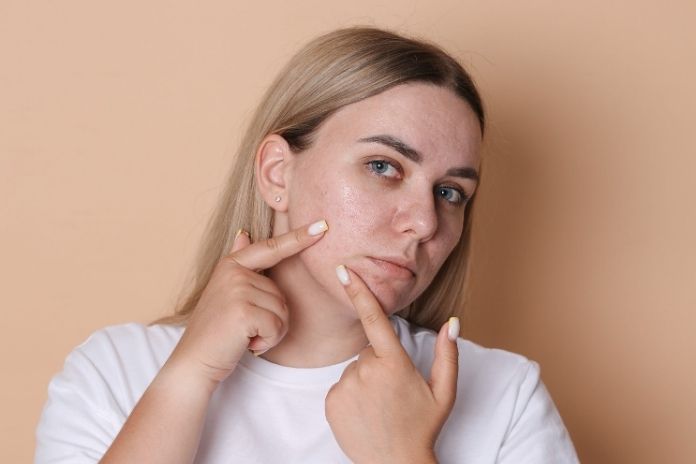
Many people scrub their faces several times a day or use harsh exfoliants to ‘deep clean’ their pores because they think acne is just the result of ‘dirty skin.’ Your face is more like soft, delicate silk than a tough hardwood floor in need of sanding.
Your skin’s natural protective barrier can be damaged if you exfoliate and cleanse daily, especially if you use a rough scrub or a scrub with microbeads. Irritating the skin and removing moisture can even create microscopic microtears. Your skin will therefore try to compensate by producing more oil to restore its balance, which only aggravates the breakouts.
Solution:
It’s best to be gentle. Use a gentle, pH-balanced cleanser formulated especially for acne-prone skin just twice a day. Look for modest amounts of substances like benzoyl peroxide or salicylic acid.
2. Treating All Acne the Same
It’s a mistake to believe that the same strategy is needed for every breakthrough. Flare-ups before your period and breakouts along the chin and jawline do frequently indicate hormone-driven alterations. In the meantime, congestion or poor skincare practices may be the cause of whiteheads and clogged pores elsewhere.
The image became clearer as you started noting trends, including the days, locations, and lifestyle factors that contributed to flare-ups.
“While we commonly imagine teens and young adults as the ages with acne, acne vulgaris can continue or start in older adulthood,” said Dr. Hillary Johnson-Jahangir, MD and PhD, a dermatologist in Coralville, Iowa, and a delegate for the American Academy of Dermatology Association. She also notes, “It can change with age due to flux in hormone balances.”
“Older individuals are also more likely to develop a different form of acne called acne rosacea that comes with different triggers and treatments,” Dr. Hillary added.
Solution:
Instead of fighting unthinkingly, knowing the type of acne helps customize treatment. One of the most crucial aspects in selecting the best course of action was identifying patterns.
3. Touching and Picking Your Face
Almost everyone wants to pop pimples or clear blackheads. Nevertheless, doing so rarely helps and can make things worse. Picking at your skin can cause permanent scarring, introduce bacteria from your hands, and push infectious material deeper into the pore.
Additionally, picking at your skin can leave behind microorganisms. Furthermore, it disperses bacteria to nearby areas, leading to additional outbreaks.
Solution:
Make sure not to touch your face. Consult a specialist to remove anything that needs to be removed safely. Applying hydrocolloid patches to active breakouts can help you avoid picking at them. Since choosing is frequently associated with elevated levels of anxiety, you should focus on stress-reduction techniques.
Read More: Why Your Moisturizer Isn’t Working (And How to Layer Skincare the Right Way)
4. Skipping out on Sunscreen
Several people refrain from using sunscreens because they believe that the products will increase their skin’s tendency to clog pores. However, sun-damaged skin can become inflamed, leading to more breakouts. You can extend your skin’s lifespan by using sunscreen even indoors or during the long winter months.
Inflammation and a more pronounced appearance of acne scars can be caused by prolonged sun exposure. Using sunscreen can help protect you from developing skin cancer, inflammation, and additional outbreaks.
Solution:
Choose the right sunscreen formula by picking a mineral sunscreen containing zinc oxide and titanium dioxide. It should also be lightweight and non-comedogenic, especially if you have acne-prone skin. These ingredients tend to have anti-inflammatory properties, which may benefit acne-prone complexions.
Wear sunscreen with at least SPF 30 or greater every day, even if you’re on acne medication. Darker skin tones tend to develop hyperpigmentation more easily, so they should carefully choose an SPF often higher than usual and tailor it with a dermatologist’s guidance.
5. Using Too Many “Active” Ingredients at Once
Skincare can be very complex, with numerous products containing active ingredients such as retinol, AHA, BHA, BPO, and vitamin C advertised via various social media channels and influencers.
The “kitchen sink” approach often does more harm than good. It may weaken the skin barrier due to the mix of these active ingredients, leading to chemical burns, severe irritation, and an increased likelihood of breakouts when mixing multiple active ingredient products.
Solution:
When it comes to activities, less really is more. Before adding anything new, start with one active ingredient and give your skin four to six weeks to adjust.
6. Avoiding Professional Help for Too Long
Using only products available without a prescription won’t be enough to treat severe or any persistent acne. Since it is easy to use the wrong products or therapies without a specialist’s guidance, the problem may become much more severe.
Solution:
Talk with trustworthy people knowledgeable and experienced in your field of expertise about your situation. The difference between personalized therapies and carefully chosen products versus generic approaches can be huge when treating acne.
What We Learned About Acne and Hormones
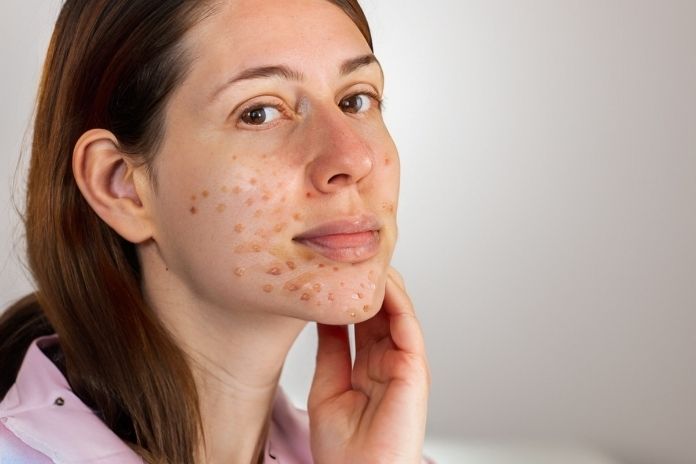
Androgens, or male hormones that are present in both men and women and have a significant impact on skin behavior, are at the heart of the connection between hormones and acne. As your androgen levels rise, your skin’s sebaceous glands are stimulated to produce more sebum, the oily substance that helps protect and hydrate your skin.
Sebum, on the other hand, clogs pores when it is produced in excess, combining with bacteria and dead skin cells to create the ideal conditions for acne.
These hormonal changes occur across a range of typical life stages and situations. Most teenagers get acne throughout puberty as a result of severe hormonal spikes that cause their bodies to adapt to adult hormone levels.
Normal hormone changes during a woman’s monthly period can lead to cyclical flare-ups of acne. These will usually occur one to two or three weeks before menstruation, when progesterone levels peak and estrogen levels are low.
Acne brought on by pregnancy hormones might further worsen an already stressful period. While some women experience an improvement in their acne during pregnancy. Others may experience irritating breakouts, especially during the first trimester when hormones are changing most drastically. Menopause also has its own set of difficulties. Acne may result from a relative rise in androgen activity as estrogen levels fall.
Your face may also show signs of stress from relationships, your job, or your personal situation. Prolonged stress raises cortisol levels, which trigger inflammation and oil production, the ideal conditions for the development of acne. When your skin worsens during stressful periods, it’s not a coincidence; it’s a real physiological response to stress.
Read More: 7 Best Glycolic Acid Skincare Products for Radiant, Smooth Skin
Avoid These Skincare Ingredients if You Have Acne-Prone Skin
Do you want clearer skin? Knowing what to avoid is the very first step. If you are prone to acne, many products that are advertised as “natural” or “hydrating” can actually cause breakouts. No chemistry degree is necessary; the key is learning to read ingredient labels. The typical skincare products listed below may clog pores and exacerbate acne.
Fragrance: Manufacturers often market artificial chemicals as ‘parfum. A study found that exposure to certain compounds can raise the likelihood of developing allergies.
Coconut Oil: A popular ingredient in many cosmetic products, coconut oil is organic but also very comedogenic.
Lanolin: Although hydrating, it is a common allergen that can cause skin irritation, particularly in young children.
Isopropyl Myristate: Similar to lanolin, isopropyl myristate is often used as a base in moisturizers, but it can also clog pores.
Alcohol-Based Toners: These are well known for causing skin irritation and dryness, which can lead to breakouts.
When Acne Deserves Medical Evaluation
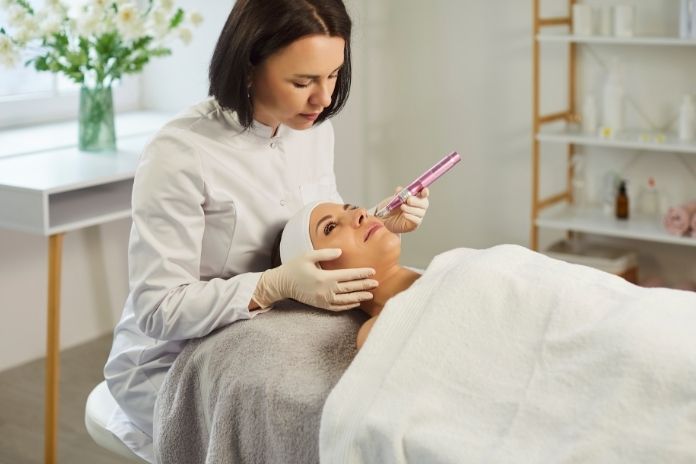
It might be time to see an acne specialist if the occurrence of frequent acne is worsening.
These are some indicators that your skincare regimen is lacking.
- Your breakouts have become more painful and severe.
- Your skin is constantly itchy, dry, and inflamed.
- The pimples are leaving dark streaks and scars.
- You’ve failed at using many over-the-counter remedies.
Underlying skin conditions cause specific forms of acne. Therefore, skincare and cleanliness alone cannot treat them. For instance, rosacea, a persistent skin disorder, can result in breakouts that resemble acne and only get better with prescription drugs.
Treatment for this will require you to see a dermatologist. On the other hand, you should consult a skin specialist to learn how to treat acne caused by hormonal imbalances or other skin conditions.
Read More: 5 Skincare Products You Should Never Use on Sensitive Skin
Conclusion
Acne isn’t the result of a singular error or product. It tends to happen when several things, namely hormones, inflammation, stress, and skin barrier quality, come into play. Therefore, strict routines or quick fixes often fail. When hormones and skin biology are ignored, popular “solutions,” from heavy cleansing to intense treatment regimens, can actually be counterproductive for acne.
Acne begins to make more sense when we understand how the skin actually functions, including how it renews itself, how the barrier protects it, and how hormones affect oil production. Clear skin is more about helping the skin heal than about battling acne.
References
- American Academy of Dermatology Association. 10 skin care habits that can worsen acne.
- Linia Skin Clinic. (2025, October 12). Skincare mistakes that make acne worse (and how to fix them)
- Pur Aesthetics and Wellness. Skincare mistakes that could be worsening your acne.
- Yoram Harth, MD . (2025, October 21). 6 causes of adult acne you can eliminate today.
- American Medical Association. Sara Berg, MS. (October 27, 2023). What doctors wish patients knew about acne treatment.
- Twentyeight Health. (2025, October 10). Hormonal breakouts and skincare treatments:
- The Skin Institute. Skincare mistakes that can worsen acne.
- Atomic Dermatology. (2025, August 6). How Hormones Influence Acne: Understanding the Connection.
In this Article