











If you’re suddenly breaking out, gaining weight for no reason, feeling your emotions more strongly, or your cycle is shifting in subtle ways, it can be unsettling. Like you’re going through puberty all over again, except that nothing about your body worked that way a few years ago.
A lot of people describe this phase of life as familiar and confusing. It feels opposite to what is normal to be expected about adulthood and hormones.
So, is the second puberty real? You won’t find it as a clinical term or a formal diagnosis. But the experience behind this notion is real. What’s happening is a change in adult hormones; estrogen, progesterone, and stress hormones stop following the patterns that you predict.
This article breaks down why that happens, how to figure out what phase you’re actually in, and what helps, without turning normal changes into medical emergencies.
Why Is It Often Called “Second Puberty”?
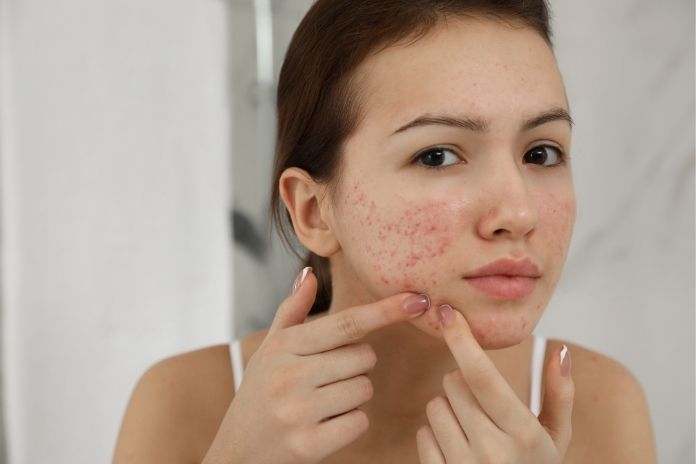
People don’t use the term lightly. The name rings a bell because the process is similar to the initial puberty, both in body and mood.
At this stage, hormones do not gently go down. Instead, they surge and fluctuate. It is this variability that brings with it some of the classic symptoms of puberty:
- Sudden skin changes, even if you never experienced acne, are due to the increased responsiveness of oil production to fluctuations in estrogen and progesterone.
- Changes in body composition can occur, with fat storage shifting to different areas even if your eating habits remain the same.
- Increased emotional sensitivity, in which hormonal rushes promote the stress response and make feelings feel bigger than usual.
Unpredictability may be the most challenging part. Your body isn’t responding the way it “always did”; it’s a confusing and frustrating experience. The impact isn’t just the symptoms; it’s realizing that your body doesn’t follow fixed rules, even as you grow older.
Dr. Sameena Rahman, a board-certified OB/GYN, tells Her Campus, “Second puberty, medically speaking, does not exist for cisgender individuals. It is a colloquial term that went viral through social media platforms based on changes that were occurring to people as a natural part of aging. We have natural, age-related changes in our 20s, 30s, and 40s, and for people with uteruses, the 40s are the most significant changes that lead into menopause when hormones significantly decline.”
Read More: How Hormones Impact Your Sleep Cycle at Every Age
Common Symptoms Noticed First
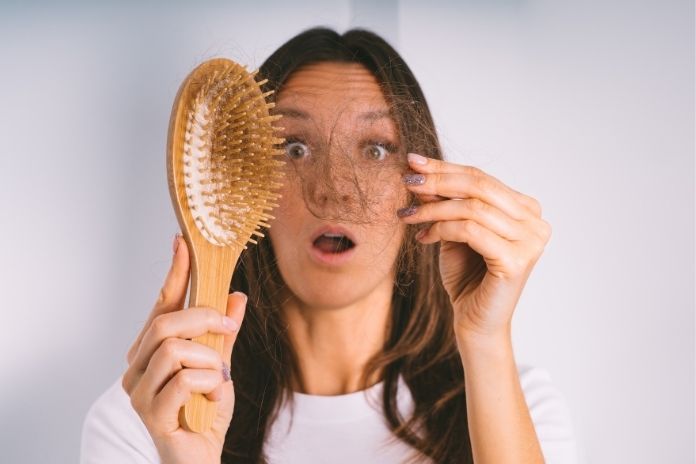
Symptoms of second puberty also vary widely. Some people experience just one or two changes, while others notice multiple shifts at once.
Skin and Hair Changes
Adult acne often follows a pattern across the jawline or chin, related to fluctuations in estrogen rather than hygiene.
Oiliness or dryness may fluctuate, reflecting changes in how the skin responds to hormonal signals.
The changes in progesterone occur when the active phase of hair growth is shortened. This results in excessive hair shedding.
Weight & Metabolism Changes
Fluctuating estrogen can make weight-gain hormones even more active, affecting insulin sensitivity and fat storage.
Metabolic shifts mean the regular routines will not yield the same results, making you feel discouraged.
When there is a reduced tolerance for restriction. That is, extreme dieting backfires more quickly than it did in your early 20s.
Mood, Anxiety, and Irritability
Mood swings and hormones influence neurotransmitters such as serotonin. This can explain why emotional reactions can feel sharper or more intense.
Anxiety that feels fluctuating often means cortisol and estrogen interacting, not a personality change.
Lower stress tolerance, whereby the small day-to-day demands suddenly start feeling overwhelming for you
Sleep and Cognitive Changes
Usually, sleep disruption or problems with falling asleep and waking up often at night are due to the ineffectiveness of progesterone in providing a calming effect. However, we must remember that progesterone is not the only factor that affects sleep. Lifestyle and other aspects are important as well.
Brain fog hormones, wherein concentration and memory can’t be relied upon, especially at a specific time of the cycle.
Menstrual or Cycle Changes
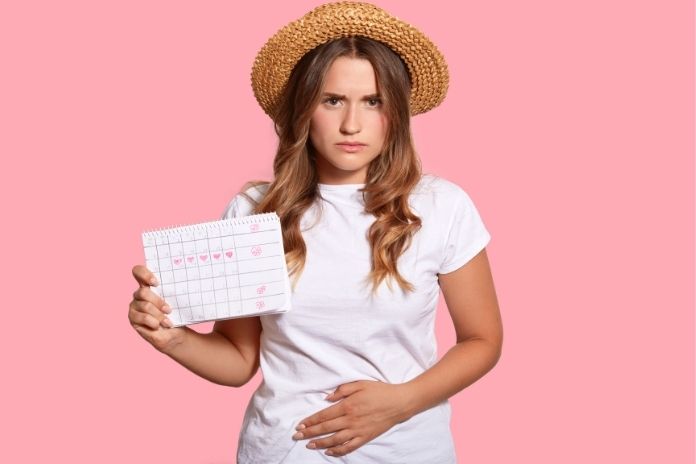
Symptoms of second puberty may show up with changes in your cycle, such as irregularity or flow changes. At times, you may observe patterns of symptoms that usually appear in one area at one particular point in your menstrual cycle.
Read More: Your Hormones Might Be Out of Balance: Here’s How to Tell and Fix It
What’s Actually Happening Hormone-Wise
It’s not about hormones “failing.” It’s about rhythm and timing.
Estrogen fluctuations become more apparent, and you may notice bigger physical and emotional changes, although the numbers appear within the range.
Post ovulation, progesterone fluctuations become more unpredictable. This affects sleep, anxiety, and PMS symptoms.
Cortisol and stress hormones make everything seem bigger and more amplified. Hence, in a lower-stress environment, we experience subtle symptoms of changes in hormones.
When you visit the lab and get your blood tested, the results show up as plain and simple “normal” because laboratory tests determine a particular reading at a particular time without considering the development of patterns over time. Your hormones fluctuate over time.
Is This Perimenopause –or Something Else?
Many women confuse second puberty with perimenopause. This is not accurate, and here’s how the two conditions differ:
Perimenopause usually happens later in life, along with more and more irregular menses. However, this can differ from one woman to another.
The hormonal fluctuations caused by stress can occur in women of any age. These may also resemble the symptoms of perimenopause.
Lifestyle changes, such as a lack of sleep, not eating enough, or overexertion of one’s body, can disrupt the function of the hormones, but they won’t actually put a significant amount of hormones into the bloodstream.
Certain medical issues, like thyroid problems or PCOS, can occur around the same time as perimenopause. However, they shouldn’t be ruled out until confirmed.
Read More: Androgenetic Alopecia in Women: What You Need to Know About Female Pattern Hair Loss
Why an Emotional, Instead of Just Physical, Experience
It’s worth considering why second puberty is an emotional experience as much as a physical one. Here’s why:
- Hormones impact the brain as much as the body.
- Estrogen and progesterone work together with nervous system chemicals, controlling mood and emotional response.
- Cortisol increases emotional arousal, making the individual prone to stress.
When you begin questioning your body’s cues, it can make you concerned that symptoms can cause more harm.
What Helps – And What Often Doesn’t

Here are a few things that actually help you sail through the second puberty phase:
- Keeping a consistent sleep cycle. It regulates cortisol and promotes progesterone production.
- Reducing the stress load, not piling on more and more relaxation tricks when life is already full.
- Adequate nutrition, which includes an appropriate supply of proteins, carbohydrates, and fats, is necessary for the proper functioning of hormones.
- Toning or strength exercises increase insulin sensitivity and maintain metabolism at a reasonable, non-stressing level for the system.
Things that help the least:
- Extreme dieting can worsen hormone imbalance by surging cortisol levels.
- Over-supplementing and treating just the symptoms alone, rather than their underlying pattern.
- Constant changing of routine. If you’re always changing your routine, your body doesn’t get the time to adapt.
No magic solutions. Consistency will always win over intensity.
When These Changes Deserve Medical Attention
Contact your doctor if you experience:
- Severe mood swings that interfere with relationships or work.
- Heavy, prolonged, or painful bleeding.
- Sudden, unexplained weight shifts.
- Symptoms disrupt one’s daily activities.
When speaking with a clinician, emphasize patterns, timing, and real-life instances, not just laboratory numbers.
Final Thoughts
Second puberty is not a term from the medical textbooks, but for many, it does ring a bell.
Hormonal changes don’t really end at the adolescent stage; they continue to evolve. Knowing what’s going on helps cut through fear, self-blame, and unnecessary panic. These changes are often easy, temporary, and highly effective. You are not imagining it, and you are not alone. This is a phase that can be navigated with clarity and support, and not one that defines you.
In this Article