










Most people rarely pay attention to the color of their stool until one day it suddenly turns pale, gray, or chalky white. That change can be alarming, and for good reason: stool color is one of the body’s most visible signals that something may be wrong with your digestive or biliary system. While occasional variations in stool color are often harmless, persistently white or clay-colored stool usually indicates a disruption in bile production or flow.
Bile, a digestive fluid produced by the liver and stored in the gallbladder, is what normally gives stool its characteristic brown hue. When bile is blocked, reduced, or not reaching the intestines, stool loses its color, appearing pale, gray, or chalky. This change can indicate a range of conditions, from gallstones and liver inflammation to more serious bile duct obstructions.
Recognizing white stool early is important because it often signals an underlying health problem that needs attention. In this guide, we’ll explore the causes of white or clay-colored stool, how to distinguish between harmless and concerning cases, warning signs that require urgent medical evaluation, and the diagnostic and treatment approaches doctors use to address the root cause.
Key Takeaways: What You’ll Learn
- The medically proven causes of white or pale-colored stool.
- How bile pigments give stool its normal brown color.
- Pale stool signals a potentially serious liver or gallbladder disorder.
- What diagnostic tests do doctors use to pinpoint the cause?
- How treatment differs depending on the underlying condition.
What Causes White or Pale Poop?
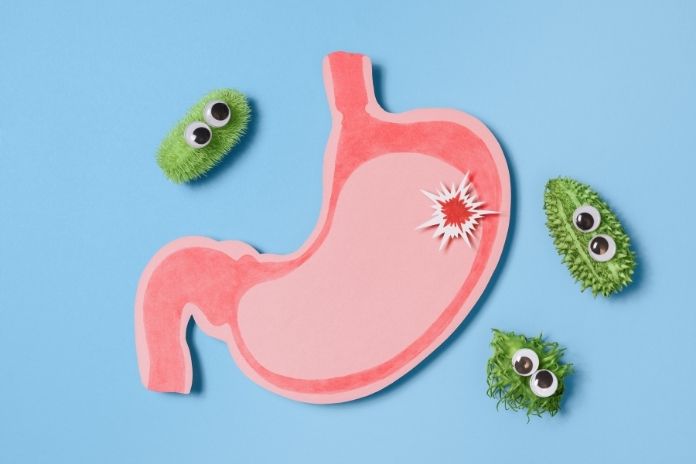
White or clay-colored stool isn’t normal. It usually means there’s no bile salt in the bowel movement, which, in turn, suggests a blockage preventing bile from reaching your intestines. Because bile gives stool its brown color, its absence can be a red flag for a serious obstruction in the bile ducts, gallbladder, or pancreas. If this happens, you should see a healthcare provider right away. – Keith Roach, MD
Bile is produced in the liver, stored in the gallbladder, and released through the bile ducts into the digestive tract. Any disruption in this pathway can result in the stool losing its natural pigment. While occasional changes in stool color are often harmless, persistent or sudden pale stool usually signals an underlying medical issue that deserves attention.
1. Liver Problems
Any condition that reduces the liver’s ability to produce or release bile can lead to pale stool. This includes viral or autoimmune hepatitis, cirrhosis, and nonalcoholic fatty liver disease (NAFLD).
According to the Mayo Clinic, when the liver doesn’t produce enough bile or when bile flow is blocked, stool can become pale or clay-colored. This change in stool color may signal liver or biliary disease and should be evaluated by a physician.
2. Bile Duct Blockage
Blockages in the bile ducts prevent bile from reaching the intestines, causing stool to appear gray or clay-colored. Common causes include gallstones, benign strictures, bile duct tumors, and even pancreatic tumors pressing on the ducts.
A paper found that in many cases of bile‑duct obstruction from cancer or blockages, biliary fluid becomes “white bile” (i.e., very low bilirubin), which implies that bile (and its pigments) are not reaching the intestines, disrupting normal stool coloration.
3. Gallbladder Disorders
Gallbladder problems can interfere with bile flow and lighten stool color. Inflammation (cholecystitis), gallstones blocking the gallbladder outlet, or post-gallbladder removal (cholecystectomy) can all alter bile release.
After gallbladder removal, bile flows continuously rather than in controlled bursts, which occasionally leads to lighter-colored stool, though this is usually not dangerous.
4. Pancreatic Conditions
Because the pancreas shares a close anatomical relationship with the bile ducts, disorders such as acute or chronic pancreatitis or pancreatic tumors can obstruct bile flow.
Tumors obstructing the bile ducts (such as bile‑duct cancer or pancreatic head cancer) can block bile flow, preventing bile pigments from reaching the gut. As a result, stool often turns pale or clay‑colored and may be accompanied by jaundice, dark urine, abdominal pain, weight loss, or itching.
5. Medication Side Effects
Certain medications can temporarily lighten stool color. Antacids containing aluminum hydroxide, some antibiotics, and barium sulfate used in imaging studies may all cause pale or whitish stool. While these changes are generally reversible, persistent color changes should still be evaluated to rule out underlying disease.
6. Digestive Malabsorption
Conditions that impair fat absorption can also produce pale, gray, or greasy stool. Examples include celiac disease, chronic pancreatitis, and bile acid deficiencies. Stool in these cases may appear bulky, floating, or unusually foul-smelling, reflecting undigested fats passing through the digestive tract. Recognizing this pattern is key to identifying malabsorption disorders early.
Read More: Early Symptoms of Pancreatic Cancer: What to Look For
The Role of Bile in Stool Color
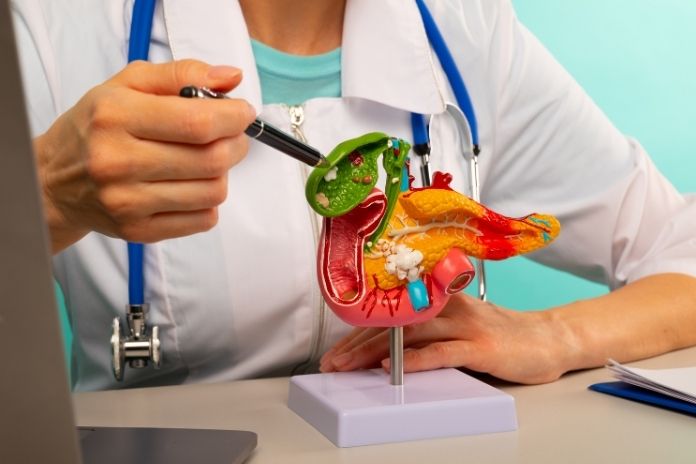
Bile plays a central role in both digestion and the appearance of stool. Produced by the liver and stored in the gallbladder, bile is rich in bile acids and pigments that help break down fats and give stool its characteristic brown color. The key pigment responsible for this color is bilirubin, a byproduct of red blood cell breakdown.
Once bile reaches the small intestine through the bile ducts, bilirubin is chemically converted into compounds called stercobilin and urobilin, which give stool its typical brown hue.
Here’s the process in a nutshell:
- The liver produces bile continuously, ensuring a supply of bile acids and pigments.
- The gallbladder stores and concentrates this bile, releasing it in response to meals.
- Bile travels through the bile ducts into the small intestine, where it aids fat digestion.
- Bilirubin is broken down into brown-colored compounds that mix into the stool.
When any part of this pathway is blocked or disrupted, due to liver dysfunction, bile duct obstruction, or gallbladder problems, bile cannot reach the intestine. Without bilirubin conversion in the gut, stool loses its brown color and appears pale, gray, or clay-colored.
According to expert-reviewed medical resources, pale or clay-colored stool is often one of the first visible signs of impaired bile flow, which may result from liver, gallbladder, or bile-duct obstruction. Early recognition of these changes can help in timely diagnosis and treatment, potentially preventing complications like jaundice or infection.
Related Symptoms That Need Attention
White or pale stool is rarely an isolated concern. Often, it appears alongside other signs that may point to underlying issues with the liver, gallbladder, or pancreas. Recognizing these associated symptoms early can be crucial for timely diagnosis and treatment.
- Jaundice (yellowing of the skin or eyes): When bile flow is blocked, bilirubin builds up in the body, causing the skin and eyes to take on a yellow hue. Jaundice alongside pale stool is a strong indicator of bile duct obstruction or liver dysfunction.
- Dark, tea-colored urine: Reduced bile in the intestines means bilirubin is excreted through the kidneys instead, darkening the urine. This change often accompanies pale stools in conditions like hepatitis or bile duct blockage.
- Fatigue or unexplained itching: Accumulation of bile acids in the bloodstream can trigger intense itching and generalized fatigue, signaling that the liver may not be processing toxins effectively.
- Greasy, floating, or foul-smelling stool: This indicates that fat is not being properly digested, often due to insufficient bile reaching the intestines. Conditions like gallstones, chronic pancreatitis, or biliary obstruction can cause this.
- Upper abdominal pain or bloating: Discomfort in the upper right abdomen may point to inflammation or blockage in the liver, gallbladder, or bile ducts. Persistent or severe pain requires immediate medical attention.
- Fever, chills, or nausea: These may indicate an infection or inflammation of the bile ducts or liver, such as cholangitis or hepatitis, which can become serious if untreated.
- Unexplained weight loss: Chronic issues with bile production or liver function can interfere with nutrient absorption, leading to weight loss even without changes in diet or activity.
Brian Wolpin, MD, Director of the Hale Family Center for Pancreatic Cancer Research at Dana-Farber Cancer Institute, explains that “there is not a single (symptom) that lets you home in specifically on pancreatic cancer.”
He notes that jaundice may also cause signs and symptoms such as itching, dark urine, and light- or clay-colored stool. This combination, he points out, can be an early clue that bile flow is being disrupted and should never be ignored.
Key Takeaway: The combination of pale or white stool with jaundice, dark urine, or upper abdominal pain is particularly concerning. These patterns often suggest obstruction of bile flow, liver dysfunction, or other serious hepatobiliary conditions. Anyone experiencing these signs should seek medical evaluation promptly.
Read More: Why Is My Urine Brown? Causes, Symptoms, and When to See a Doctor
How Doctors Diagnose the Cause of Pale or White Stool
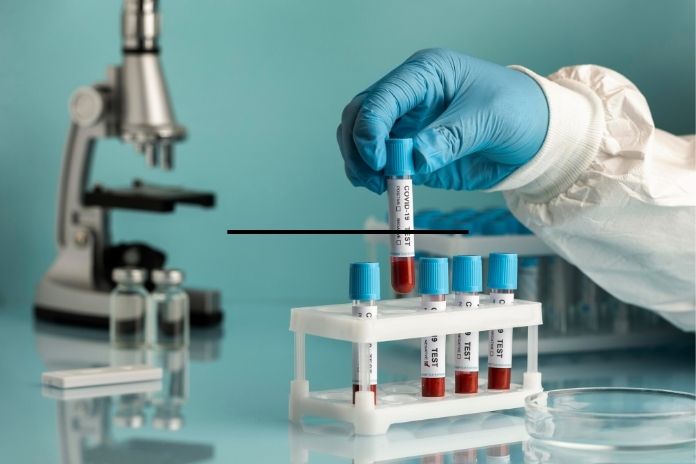
When stool appears pale or white, doctors focus on determining why bile isn’t reaching the intestines. Diagnosis usually involves a stepwise approach combining history, lab tests, and imaging.
1. Medical History and Physical Exam
The first step is a detailed evaluation of your health. Doctors typically ask about:
- Onset and duration: When the pale stool started, and whether it is persistent or intermittent.
- Recent illnesses or procedures: Viral infections, liver issues, or surgeries can affect bile flow.
- Medications and supplements: Certain drugs can interfere with liver function or bile production.
- Symptoms: Pain in the upper abdomen, jaundice, itching, nausea, or unexplained weight changes.
The physical exam may include checking for jaundice, abdominal tenderness, or signs of liver enlargement.
2. Blood Tests
Blood tests provide vital clues about liver and bile duct function:
- Liver enzymes (ALT, AST): Elevated levels indicate liver cell injury.
- Alkaline phosphatase (ALP): High levels often point to bile duct obstruction.
- Total and direct bilirubin: Elevated bilirubin suggests bile flow is blocked.
According to a standard reference on biliary obstruction, elevated alkaline phosphatase (ALP) and elevated bilirubin are classic markers of cholestasis or biliary obstruction.
3. Stool Analysis
Examining stool can reveal:
- Fat content: High fat levels suggest malabsorption due to insufficient bile.
- Bile pigments: Their absence confirms reduced bile delivery to the intestines.
4. Imaging Tests
Imaging helps visualize the liver, gallbladder, and bile ducts:
- Ultrasound: Often the first choice; it can detect gallstones and bile duct enlargement.
- CT scan or MRI: Provides a more detailed view if ultrasound results are inconclusive.
- MRCP (Magnetic Resonance Cholangiopancreatography): Offers high-resolution images of bile ducts, useful for detecting strictures, stones, or tumors.
5. Endoscopic Procedures (ERCP)
Endoscopic Retrograde Cholangiopancreatography (ERCP) is both diagnostic and therapeutic.
- Doctors can directly visualize the bile ducts and locate blockages.
- They can also remove gallstones, dilate strictures, or place stents during the same procedure, often avoiding the need for surgery.
Key Takeaway: Diagnosis of pale stool is usually a combination of medical history, lab tests, stool examination, and imaging. Early evaluation is crucial because identifying the underlying cause, whether gallstones, liver disease, or bile duct obstruction, can prevent complications and guide effective treatment.
Treatment Options Based on the Underlying Cause
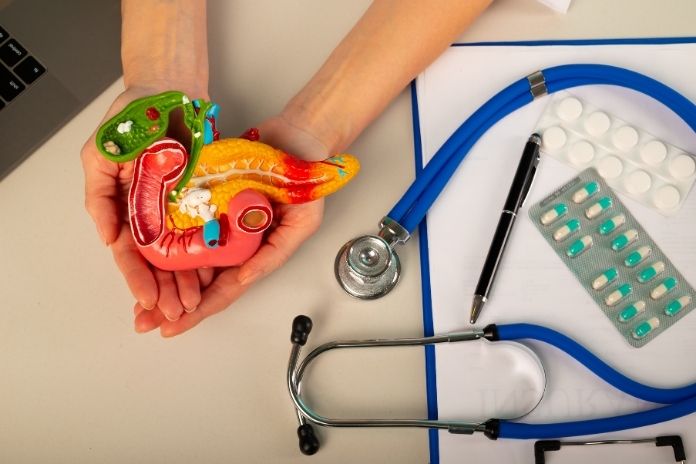
White or pale stool is a symptom, not a disease itself. Effective treatment depends on identifying and addressing the underlying cause.
1. Gallstones or Bile Duct Blockage
- ERCP (Endoscopic Retrograde Cholangiopancreatography): Often used to remove stones or relieve blockages in the bile ducts.
- Surgery: If the gallbladder is diseased or repeatedly causes obstruction, surgical removal (cholecystectomy) may be necessary.
2. Liver Disease
Treatment varies depending on the type and severity of liver involvement:
- Hepatitis: Antiviral medications can target viral infections affecting liver function.
- Fatty Liver Disease: Lifestyle changes, including diet, exercise, and weight management, are often the first line of therapy.
- Autoimmune Liver Disease: Immunosuppressive medications may be required to control immune-mediated liver damage.
- Cirrhosis: Management is specialized and may include medications, monitoring for complications, and, in advanced cases, liver transplantation.
3. Medication Side Effects
Some drugs can interfere with bile production or liver function. Doctors may recommend:
- Stopping the medication temporarily.
- Switching to an alternative drug that is less likely to affect liver or bile function.
4. Pancreatic Disorders
Issues with the pancreas can also impact bile flow and digestion:
- Pancreatic Enzyme Therapy: Helps replace digestive enzymes when pancreatic function is compromised.
- Surgery: Tumors, strictures, or other structural problems may require surgical intervention to restore proper bile and enzyme flow.
Key Takeaway: Treatment for pale or white stool is always targeted at the root cause. Prompt medical evaluation ensures the right approach, whether it’s endoscopic procedures, lifestyle adjustments, medication changes, or surgery, reducing the risk of serious complications.
Prevention & Home Care Tips
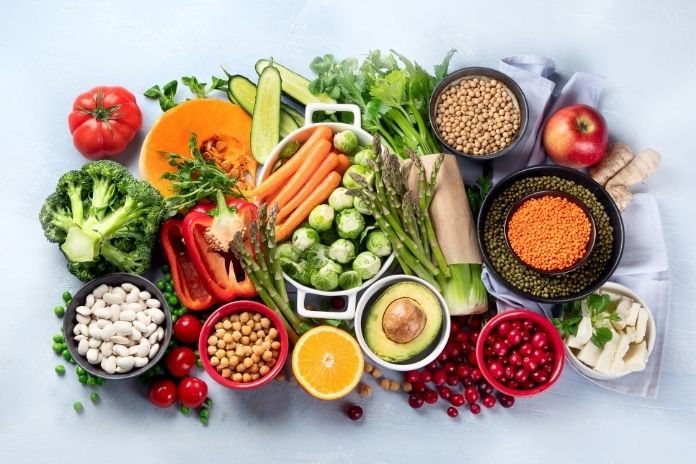
While not all causes of pale or white stool can be prevented, maintaining a healthy lifestyle can support liver, gallbladder, and overall digestive health. Simple daily habits can reduce the risk of bile flow problems and improve liver function.
1. Eat a Balanced Diet
- Include plenty of fiber-rich foods like fruits, vegetables, whole grains, and legumes to support digestion and prevent bile stagnation.
- Choose healthy fats from sources such as olive oil, nuts, seeds, and fatty fish. These help the liver process fats effectively.
- Limit saturated and trans fats found in fried and processed foods, which can contribute to fatty liver disease.
According to recent studies, a diet high in dietary fiber and healthy unsaturated fats, such as those found in whole grains, vegetables, olive oil, nuts, seeds, and fatty fish, is associated with reduced liver fat and lower risk of fatty liver disease.
2. Limit Alcohol, Processed Foods, and Excessive Sugar
- Excessive alcohol can damage liver cells, impair bile production, and increase the risk of liver disease.
- Processed foods and added sugars can lead to fat accumulation in the liver, contributing to fatty liver and metabolic disturbances.
3. Stay Hydrated
- Adequate water intake supports liver function and helps flush toxins from the body.
- Hydration also aids digestion and prevents stool from becoming too hard or irregular.
4. Get Routine Liver Function Checks
- Individuals with risk factors, such as a family history of liver disease, obesity, or heavy alcohol use, should have regular liver function tests.
- Early detection of abnormal liver enzymes or bile duct issues can prevent complications and guide timely treatment.
5. Avoid Unnecessary Medications and Supplements
- Overuse of certain drugs, including some painkillers, antacids, and herbal supplements, can strain the liver or interfere with bile production.
- Always consult a healthcare professional before starting new medications or supplements, especially if you have existing liver or gallbladder concerns.
Key Takeaway: While not all causes of pale stool are preventable, these lifestyle measures strengthen liver and biliary health, reduce the risk of complications, and support overall digestive wellness. Regular check-ups combined with healthy habits can make a meaningful difference.
When to See a Doctor Immediately
Seek urgent medical care if:
- White or clay-colored stool lasts longer than two days.
- Pale stool appears with jaundice or dark urine.
- You experience abdominal pain, fever, or vomiting.
- A child or infant passes white stool, which can signal biliary atresia, a serious condition that requires prompt evaluation.
Conclusion
Pale, gray, or clay-colored stool is more than a cosmetic change; it’s a visible signal that something may be affecting bile production or flow. While occasional variations can be harmless, persistent or sudden changes often indicate underlying liver, gallbladder, or pancreatic issues that require medical attention.
Early recognition of associated symptoms, such as jaundice, dark urine, abdominal pain, or unexplained weight loss, can be lifesaving. Diagnosis typically involves a combination of medical history, lab tests, stool analysis, imaging, and sometimes endoscopic procedures to identify the root cause. Treatment is tailored to the underlying condition, whether it involves lifestyle changes, medication adjustments, or surgical intervention.
Maintaining a balanced diet, staying hydrated, limiting alcohol, and having regular liver function checks can support digestive and liver health, but nothing replaces a timely medical evaluation. Paying attention to stool color and acting promptly can prevent complications and ensure better long-term health.
Frequently Asked Questions (FAQs)
What causes stool to turn pale or white?
Pale or white stool usually occurs when bile, the digestive fluid that gives stool its brown color, fails to reach the intestines. This can happen due to liver problems, bile duct blockages, gallstones, pancreatic disorders, or certain medications.
Occasionally, diet or temporary medication effects can lighten stool. Persistent pale stool is more concerning than occasional changes. Evaluating the cause is essential to rule out serious conditions.
Is white stool always a sign of serious illness?
Not always. Occasional pale stools can result from medications, imaging dyes, or dietary changes. However, persistent or sudden white or clay-colored stool often points to an underlying liver, gallbladder, or bile duct problem.
When accompanied by symptoms like jaundice, dark urine, or abdominal pain, it should be taken seriously. Early evaluation helps prevent complications.
When should I see a doctor about pale stool?
You should seek medical attention if pale stool lasts more than a couple of days or is accompanied by jaundice, dark urine, unexplained weight loss, abdominal pain, fever, or vomiting. In children, white stool can indicate biliary atresia, which requires urgent evaluation. Prompt consultation allows for timely diagnosis and treatment.
How do doctors diagnose the cause of white stool?
Doctors use a combination of medical history, physical examination, blood tests, stool analysis, and imaging studies. Blood tests assess liver function and bile flow, while stool analysis checks for fat content and bile pigments.
Imaging such as ultrasound, CT, MRI, or MRCP helps visualize the liver, gallbladder, and bile ducts. In some cases, ERCP is used for both diagnosis and treatment.
Can lifestyle changes prevent pale stool?
While not all causes are preventable, maintaining liver and digestive health can reduce risk. A balanced diet rich in fiber and healthy fats, limiting alcohol and processed foods, staying hydrated, and avoiding unnecessary medications support bile flow.
Regular liver function checks for at-risk individuals help detect issues early. Healthy habits combined with timely medical evaluation are key.
References
- Cleveland Clinic. (2025). Clay-colored or pale stool: Causes & when to see a doctor.
- Mayo Clinic. (n.d.). White stool: Should I be concerned?
- Vinmec International Hospital. (n.d.). Pale stools — possible causes and when to seek help.
- MedlinePlus. (n.d.). Stools — pale or clay-colored.
- Care Hospitals. (n.d.). Pale stool: Symptoms, causes and what it might mean.
- TuaSaude. (n.d.). White poop — what it could mean.
- Health.com. (n.d.). What does white poop mean?
- Apollo Hospitals. (n.d.). Mucus in stool: Causes, symptoms and treatment.
- Mayo Clinic. (n.d.). Stool color: When to worry.
- Cleveland Clinic. (n.d.). What is bile?
- WebMD. (n.d.). What do different poop colors mean?
- MWHTC-StL. (n.d.). What the color of your stool says about your health.
- Inner Buddies. (n.d.). The surprising role of bile in fecal color.
- NutritionDiets. (n.d.). How to improve liver and gall bladder health.
- Mayo Clinic. (n.d.). Bile reflux: Diagnosis and treatment.
- Integrative (Integrative.ca). (n.d.). 6 simple ways to support healthy bile flow.
- BMHSC. (n.d.). How to support healthy gallbladder function.
In this Article