



















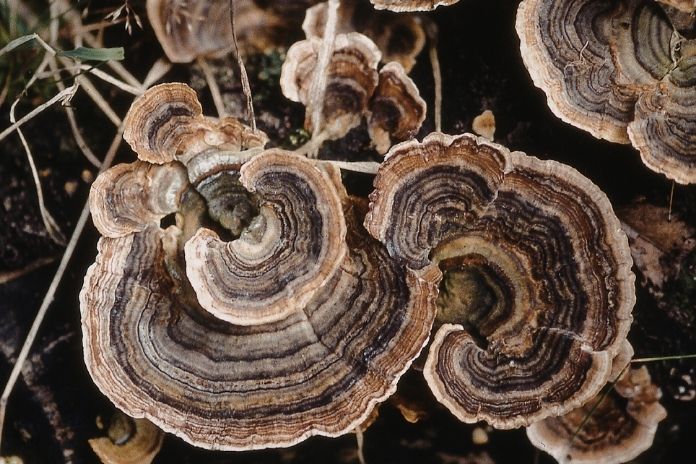
Turkey tail mushrooms (Trametes versicolor) are genuinely fascinating forest organisms that contribute ecological significance, beauty, and mystery to woodland environments. Also known in traditional Chinese medicine as detoxifying phytonutrients, they’ve been used for centuries to support detoxification from toxins and help the body defend itself against infections, such as the human papillomavirus (HPV).
In recent years, these fungi have become better known for their medicinal uses, and even scientific evidence has begun to emerge to support these claims, stating that turkey tail mushrooms support digestive health, promote immune function, and aid general wellness. However, it should not be relied upon as a miracle cure-all.
This article explores the scientifically backed benefits of turkey tail mushrooms, practical ways to incorporate them into your routine, and essential safety considerations to help maximize their benefits.
Read More: RYZE Mushroom Coffee: Is It Worth the Hype? Pros, Cons, and Varieties
What Is Turkey Tail Mushroom?
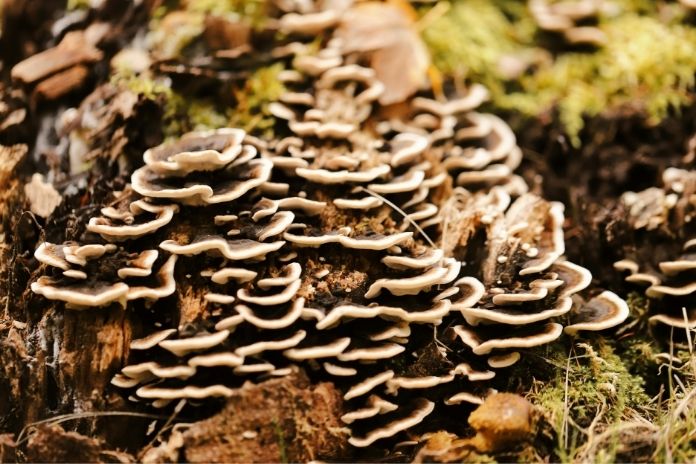
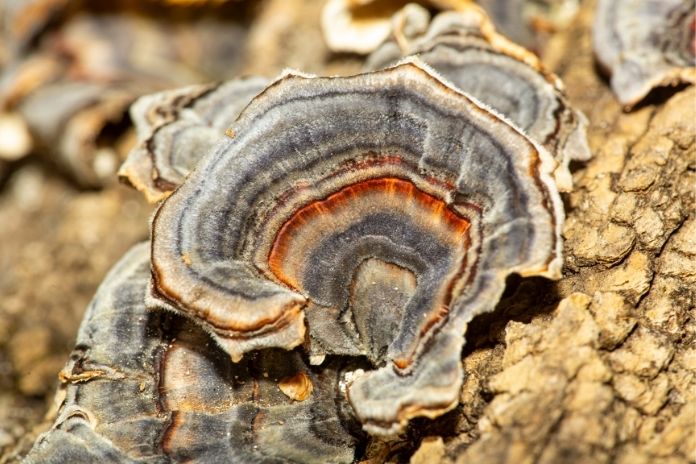
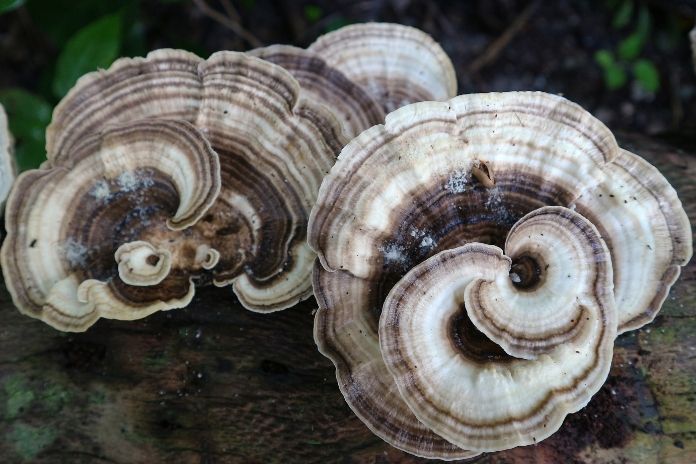
The polypore mushroom known as “turkey tail” gets its name from the range of hues and shapes that mimic the tail feathers of wild turkeys. In addition to having a leather texture and rings in various shades of black, brown, white, and cream, the cap’s surface can vary in size.
Usually, it develops in layers with a maximum thickness of only a few millimeters. You can often find many fruiting bodies located in one place. The underside is white or light brown and porous.
The Turkey Tail mushroom, also known as Coriolus versicolor and Trametes versicolor, is a colorful mushroom which grows throughout North America, Europe, and Asia and has been used for centuries in traditional Eastern medicine.
This pretty fan-shaped fungus is rich in polysaccharides that confer the mushroom its tremendous health benefits.
Turkey tail has a long history of traditional use, and new research shows that it can improve intestinal flora, lower inflammation, strengthen the immune system, and even help treat cancer by boosting the immune system.
This adaptable mushroom is increasingly recognized as a valuable addition to your healthy lifestyle, thanks to its additional benefits for digestive and cardiovascular health.
Top Evidence-Based Benefits of Turkey Tail Mushroom
According to modern research, the health benefits of turkey tail mushrooms are incredible.
Immune-Supportive Effects: Turkey tail mushrooms help support both innate and adaptive immunity. They contain essential compounds that modulate and synergize with the immune system, including polysaccharides like the beta-glucans.
Immune-Stimulating Effects: Beta-glucans are plentiful in turkey tail mushrooms. These have positive benefits on the immune system. These polysaccharides stimulate immune cells (dendritic and macrophage) to trigger a regulated immune response.
Turkey tail mushrooms contain two key protein-bound beta-glucans—PSK (polysaccharide-Krestin) and PSP (polysaccharopeptide)—that support the body’s defense against infections and tumors by activating immune cells such as B cells, monocytes, and macrophages.
Enhances Nervous System Function: Extracts from turkey tail mushrooms may also improve brain function. Oxidative stress can damage brain cells and worsen neurological conditions like Alzheimer’s disease. An enhanced immune response, such as that supported by turkey tail mushrooms, may help reduce cellular stress.
Protects the Liver: According to several studies, turkey tail mushroom extracts may support overall liver function, particularly in livers that have been damaged by disease.
Practitioners of traditional Chinese medicine have long used turkey tail mushrooms to treat liver conditions such as jaundice.
Extracts from turkey tail mushrooms have been shown in recent research to protect against liver damage, including that brought on by heavy alcohol consumption. By reducing fat accumulation in the liver and limiting alcohol-related inflammation, turkey tail mushrooms may help protect liver health.
Encourages Healthy Aging: Research indicates that turkey tail is a rich source of antioxidants, including glutathione and ergothioneine, which help support the body’s natural detoxifying processes. Scientists found that turkey tails can boost energy and reduce oxidative stress in older individuals when combined with regular exercise, while supporting healthy aging.
Aids in Blood Sugar Control: Studies even suggest that turkey tail helps people with diabetes maintain healthy blood sugar levels, even when used along with blood sugar medication and treatment. By improving blood glucose metabolism, turkey tail mushrooms can enhance insulin sensitivity.
In one study, those on insulin who took a turkey tail-containing supplement showed, on average, lower fasting blood glucose levels.
Read More: Why Mushroom Coffee Is Taking Over Wellness Trends
Turkey Tail Mushroom and Cancer Research
Turkey tail mushrooms have been demonstrated in several studies to have immune-boosting qualities. Those receiving cancer therapy might benefit from this.
Polysaccharopeptide (PSP) and polysaccharide-K (PSK) are substances found in turkey tail mushrooms. PSP may have the capacity to boost the immune system, according to some data, particularly when paired with other anticancer therapies.
The National Cancer Institute in Japan has approved PSK as an adjuvant cancer treatment. The exact cancer kinds that turkey tail mushrooms may help with are listed below.
Colon Cancer:
A 2019 lab study found that PSP from turkey tail extract may prevent the growth of colon cancer cells. Additionally, PSP may prevent colon cancer cells from spreading and encroaching on healthy cells.
Evidence that PSK from turkey tail mushroom may lessen the adverse effects of oral chemotherapy for colorectal cancer was also found in a 2023 review of previous studies. Compared to those using uracil, tegafur, and leucovorin, those taking a combination of the uracil and tegafur with PSK reported a higher quality of life.
Gastric Cancer:
Studies on the application of turkey tail extract for gastric cancer were also examined in the 2023 review. There were just a few findings that contradicted the four studies suggesting that PSK may extend overall survival.
In patients with malignancies negative for programmed death-1 ligand 1 (PD-L1), PSK had the
most significant impact. Immunotherapy typically has little effect on these cancers.
Breast Cancer:
Little is known about the potential benefits of turkey tail extract.
Nine patients with stage 1, 2, or 3 breast cancer received standard chemotherapy and radiation treatments in an older, tiny phase 1 clinical research. After that, they took divided doses of 3, 6, or 9 grams each of turkey tail mushroom extract daily for 6 weeks.
Based on their analysis, the researchers found that the extract boosted the immune system’s production of cancer-fighting cells.
How to Take Turkey Tail Mushroom
These resourceful fungi also have many other uses outside the kitchen – we all have our favorites. Still, the fact is that many of us turn to them regularly for help with a host of things, from immune support and wellness to beyond. Using folklore and anecdotal observations, herbal experts have incorporated them into daily routines for generations.
Although the chewy texture of the mushroom often requires prolonged boiling, some home cooks experiment with it in broths or soups. The variety of applications shows how turkey tail mushrooms can accommodate different lifestyles.
Tea Preparations: The mushroom is sometimes sliced or ground and steeped in hot water to make a brew for comfort and energy. For an even more complex taste, the whole infusion is consumed, together with other herbs and spices. This mild approach is for those who want a simple yet fortifying beverage in their lives daily.
Supplemental Extracts: Turkey tail mushroom in liquid or capsule form, which may concentrate key polysaccharides and other beneficial ingredients, appear in numerous wellness regimens. For those wanting measurable intake, the fact that these extracts are often standardized for consistency may be reassuring.
Supplement labels usually guide users toward appropriate dosages.
Cooking Experimentation: Some chefs add slices of turkey tail to long-simmering broths, soups, or sauces, where the fungus’s hardness can bring out subtle undercurrents of earthy flavor, best paired with aromatic ingredients like onion or garlic.
Given more time to cook, the mushrooms’ fibrous texture becomes easier to handle and incorporate into a finished dish.
Cultural Traditions: For generations in East Asia and elsewhere, traditional healers have used the turkey tail mushroom, combining it with other botanicals. The mushroom’s traditional history of supportive balance in a complementary approach to health is evident in the use of these fungi, sometimes described in older texts as preserved for their most crucial ceremonies, or for common benefit.
How Long Does It Take to See Benefits?
The primary constituents of turkey tail mushrooms — beta-glucans, PSK, and PSP — all promote gut health and the immune system gradually, not overnight. These substances stimulate healthy gut flora and moderate immune function and, as such, require daily consumption to produce measurable changes in the body.
Within two to four weeks, some may notice improvements in gut health, such as better digestion, less bloating, or increased regularity. It is the time it takes for the turkey tail prebiotic chemicals to nurture the gut microbiota and restore its composition.
It may take four to eight weeks (or more) of consistent immune support before you notice results. Turkey tail supports immune resilience by gradually boosting immune cell activity to better respond to everyday stresses and infections, rather than acting as a quick stimulant.
Read More: Plant-Based Meat Alternatives: Healthier or Just Hype?
Who Should Be Careful or Avoid Turkey Tail
Before consuming turkey tail mushroom, always speak with a health care practitioner if you are:
- Breastfeeding or pregnant.
- Allergic to mold/mushrooms.
- Taking drugs that may interact with each other, specifically immunosuppressants.
- Having diabetes (since it can drop blood sugar levels).
- Going to undergo surgery (stop two weeks prior).
- Currently undergoing cancer treatment. Although turkey tail is often used as a supplemental therapy, your healthcare team should supervise its use.
Possible Side Effects and Safety Considerations
Turkey tail mushrooms usually cause no harm; however, you should use them cautiously at first.
Although turkey tail mushrooms are usually well tolerated, some people may experience darker stools or mild digestive discomfort. Some have also reported the darkening of the nail beds.
Turkey tail mushrooms should be avoided by those who are allergic to mushrooms. If you have any pre-existing medical issues, are taking certain drugs, are pregnant, or are nursing, you should always speak with a healthcare professional. Although turkey tail is typically safe, it may interfere with some drugs, particularly immunosuppressive ones.
How to Choose a High-Quality Turkey Tail Supplement
To guarantee that the goods you receive are of superior quality:
- Source Verification: Purchase only from trusted vendors that conduct quality-control testing.
- Extraction Technique: Look for double or triple extractions, which pull out chemicals that dissolve in both alcohol and water.
- Fruiting Body versus Mycelium: Products of the fruiting body will generally have more healthful constituents than mycelium grown on grain.
- Organic Certification: This confirms that no pesticides have been used in the growing of the mushrooms.
- Third-party Testing: Guarantees the potency and purity of the product.
- Wild Mushrooms: Certified organic items may be the safer bet, but be alert that wild mushrooms can access heavy metals.
Read More: Do You Really Need to Avoid Nightshades for Inflammation?
Turkey Tail vs Other Medicinal Mushrooms
Turkey tail mushroom is unique among many therapeutic mushrooms in that it focuses on both gastrointestinal and immune health. While other popular mushrooms offer slightly different benefits, Trametes versicolor is rich in PSK, PSP, and other polysaccharides that support the growth of beneficial gut bacteria and interact with the immune system.
Reishi Mushroom: This kind of mushroom grows on living trees. Researchers may refer to it as Ganoderma sinense or Ganoderma lucidum. Ling Zhi is the name given to this group of mushrooms in traditional Chinese medicine. In Japan, people call them Reishi, while in China, they call G. lucidum Chizhi and G. sinense Zizhi.
Ganoderma mushrooms come in various varieties, and distinguishing the therapeutic kind from the others can be challenging.
People in East Asia have long used reishi as medicine. They believed it could boost vitality, prevent aging, and extend life. It is used in China to boost the immune systems of cancer patients undergoing radiation or chemotherapy.
Lion’s Mane: For generations, the lion’s mane mushroom has been used medicinally. It has a mildly fishy flavor and grows in damp places like woodlands and forests as long, white, finger-like tendrils that resemble lions’ manes or beards.
The lion’s mushroom is a species in danger. As a result, you must obtain lion’s mane supplements from sustainable sources rather than harvesting it from the wild. Lion’s mane extract, Lion’s mane powder, and Lion’s mane capsules are all available.
Chaga: The ability to adapt is one of the characteristics of chaga mushrooms. Adaptogens are substances which increase the body’s ability to withstand stress.
They accomplish this by supporting the body’s adrenal glands, which release stress hormones. And that’s quite essential, especially considering how many disorders (including Cushing’s disease, Addison’s disease, diabetes, high blood pressure, osteoporosis, depression, and anxiety) have been directly linked to stress.
At the molecular level, chaga mushroom helps the body regain equilibrium by lowering the total amount of stress hormones it releases.
Conclusion
Turkey tail mushroom may offer a broader range of potential health benefits, especially for immune system support. It’s a common addition to natural wellness regimens, with a long history of traditional use and currently under scientific study.
Proper sourcing, preparation, and ongoing use are all important, whether you drink it as a tea, take it as a supplement, or add the powder to your foods and beverages, for fully appreciating the benefits of this powerful healing fungus.
Before beginning any new supplement, don’t forget to speak with your doctor, especially if you are using medication or already have health issues. Turkey tail mushrooms can be a very valuable addition to your natural health toolkit when appropriately used.
Read More: Foods That Lose the Most Nutrients When Cooked (and How to Preserve Them)
References
- Health.com. Isabel Vasquez RD LDN. (2025, December 17). What happens to your body when you eat turkey tail mushroom regularly.
- Dr. Emilie Wilson ND, L.Ac. (Updated On November 22, 2024). Turkey tail mushroom: Health benefits & how to use it.
- Mushroom Mountain. The magical benefits of turkey tail mushroom with recipe.
- The Davey Tree Expert Company. Turkey tails.
- Dany Paul Baby, MD. (2025, December 9). Here are 8 benefits of eating turkey tail mushroom.
- Dr. Josh Axe, DC, DNM, CN. (2024, April 29). Turkey tail mushroom benefits, uses and side effects: Adjuvant cancer therapy & immune booster.
In this Article