















Testicular pain is a widespread complaint; the pain can come at any age. The testicles are small, egg-shaped reproductive organs found inside the scrotum, the pouch of skin that hangs beneath the penis.
You may feel pain in one or both testicles, and it may even spread to your groin or abdomen. Because of this, it is essential to know the type of pain you feel.
There are two basic types of testicular pain: acute (which comes on quickly, is quite severe, and resolves rapidly) and chronic (which can take time to build up).
Because there are a lot of sensitive nerves in the testicles, even a small problem can cause a lot of pain. You should always seek medical advice as soon as your symptoms appear so a doctor can diagnose the cause and help put your mind at ease. Otherwise, you may not receive appropriate treatment and may end up with a long-term problem.
Read More: Can Tight Underwear Affect Male Fertility? Here’s What Research Says
Common Causes of Testicular Pain
Testicles are extremely delicate organs. Significant discomfort can result from even minor issues. Your body uses testicular pain as a warning sign when anything is amiss. Pain can indicate a simple problem that doctors can resolve quickly or a more serious issue that requires emergency care.
Testicular Torsion: Testicular torsion occurs whenthe spermatic cord, which contains blood vessels, nerves, and the vas deferens, twists around itself. It cuts off the blood supply to the testicle, and the disorder is associated with sudden acute pain and swelling, with frequent nausea or vomiting.
It is a surgical emergency condition, and if left unresolved, the lack of blood supply may result in permanent injury or loss of the testicle.
Epididymitis: Inflammation of the epididymis. Your epididymis, a tightly wound network of thin tubes, transports the sperm from your testicles to the sperm duct and then out of your body during orgasm. Your scrotum may expand and feel hot to the touch if you have epididymitis. The infection can last for weeks.
Inguinal Hernia: This condition occurs when a portion of the abdominal wall or intestine pushes through a weak area. Sometimes it spreads into the scrotum, which results in groin edema or a visible protrusion. When moving large objects, coughing, or straining, the bulge may become more noticeable.
Testicular pain or discomfort may result from hernias. Many need surgery to avoid problems, including intestinal obstruction or strangling; however, some may not worsen.
Testicular Cancer: This type of cancer frequently manifests as a hard spot or painless lump on the testicle. Additionally, it may occasionally cause dull discomfort or a sense of heaviness in the scrotum. Treatment success rates for testicular cancer remain high when doctors discover it early. For the best results, regular self-evaluations and timely assessments are crucial.
Kidney Stones: A solid mass or crystal that forms in your urinary tract is called a kidney stone. In addition to causing pain in your testicles, scrotum, groin, or back, the stones may obstruct your ureters, the tubes that carry the urine from your kidneys to your bladder. Small stones might pass through your urine, but larger stones can require surgery.
Trauma or Injury: The testicle may sustain discomfort, swelling, and bruises as a result of a direct hit, an accident, or repeated minor traumas. Internal bleeding or testicular rupture may result from severe trauma. You must address it right away. The injury’s severity determines the treatment. While doctors may need to perform surgery to repair damage in more serious cases, they can treat mild injuries with rest, ice, and pain medication.
Nerve Pain: The testicle itself isn’t the source of the pain; it occurs elsewhere. Instead, testicle-like pain can be caused by nerve issues, such as irritation or pressure from a pinched nerve in the lower back or pelvis.
Usually a dull or aching kind of pain, accompanied by minimal swelling and redness, it often worsens the longer you sit or move in a certain way. It is usually due to sciatica, a problem with the sciatic nerve, or a slipped disc. Fix those underlying problems, and the pain will go away.
Hematocele: Frequently brought about by some form of trauma or injury, a hematocele refers to blood accumulation within the scrotum. It can lead to considerable pain, discolouration, and swelling. Sometimes it can even squeeze the testicle, thereby altering blood flow.
Small hematoceles may resolve on their own with proper treatment and rest; larger ones often require drainage or other surgical measures to relieve pressure and avoid complications.
Post-Vasectomy Pain: Doctors perform a vasectomy, a surgical procedure for contraception, by blocking the tubes (vas deferens) that carry sperm. Following a vasectomy, some people suffer testicular pain due to the worsening pressure of sperm in the vas deferens or epididymis.
Varicocele: Similar to varicose veins in the legs, varicocele is a cluster of enlarged veins in the scrotum. It is often said to feel like a bag of worms when touched. After extended standing or vigorous activity, a varicocele can cause a dull ache or dragging feeling in the scrotum. Most require no treatment, but larger ones may affect fertility, and varicocelectomy or embolization may be advised.
“Testicular pain is a very common condition that we see,” says University Hospitals urologist Ramy Abou Ghayda, MD. “Many of my patients present at my clinic with discomfort, pain, or pressure localized to the genital area, particularly the testicles.”
Symptoms That May Accompany Testicular Pain
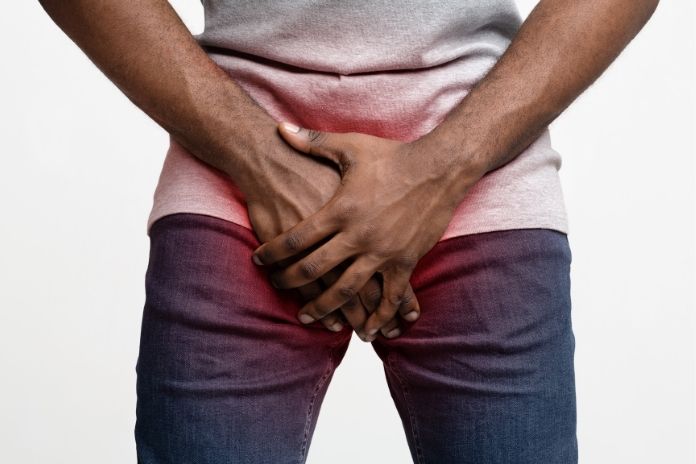
The intensity of testicular pain can vary from minor discomfort to excruciating pain. Other symptoms may appear, warranting an assessment. If you experience sudden, intense pain or pain followed by nausea or vomiting, seek medical help right away. The following are some signs of testicular pain:
Bruising: Following an injury to your testicles, you may sustain bruises on your scrotum.
Vomiting and Nausea: An injury, orchitis, or kidney stones are just a few illnesses that can cause testicular pain and manifest as nausea and/or vomiting.
Swelling: Your scrotum may swell or develop a bump. Your scrotum can look glossy or discolored (red, purple, brown, or black). Swelling may indicate an infection or an injury.
Fever: Concurrent testicular pain and fever frequently indicate an infection.
Issues with Urination: Having kidney stones may result in frequent urination. They may also cause blood in your urine (hematuria) or a burning sensation when you urinate.
Read More: Signs of Low Testosterone That Go Beyond Muscle Loss or Low Libido
Who is at the Highest Risk for Testicular Pain?
Testicular pain can affect men and boys of any age. If you play full-contact sports or perform physically demanding jobs, you may be more susceptible to testicular pain. Men of all ages can experience testicular pain, but some conditions may make it more likely.
The following variables could make testicular pain more likely:
Age: Young men, especially those aged 15 to 35, are more likely to experience testicular pain.
Testicular Trauma: One of the most common causes of testicular pain is damage to the scrotum or testicles.
Infection: Testicular pain can be caused by various illnesses, including STIs.
Medical Issues: Hernias, kidney stones, and testicular tumors are a few examples of medical diseases that can raise the risk of testicular pain.
Anatomical Considerations: A varicocele, or swollen veins in the scrotum, or an undescended testicle, are two examples of anatomical variables that may raise the risk of testicular pain.
Some Activities: Exercises that put pressure on the testicles, such as riding a horse or cycling, can also increase the likelihood of testicular pain.
To find the underlying cause and get the right therapy, it’s critical to get medical help if you have testicular pain or are at higher risk of developing it.
When Testicular Pain Is an Emergency
Testicular pain can be a sign of several serious medical problems that require immediate treatment, one of which is testicular torsion. If you experience sudden, severe testicular pain, it is essential to get to the hospital as soon as possible. Here are some signs that you may need to get yourself to the hospital immediately:
- One or both testicles may experience sudden, intense pain
- Discomfort, redness, or swelling in the testicles or scrotum
- Vomiting or nausea
- Abdominal discomfort
- Chills or fever
- Trouble urinating
- Discomfort or pain when having sex
A person should seek medical attention as soon as possible or visit the nearest emergency room if they experience any of these symptoms. Testicular torsion is a very dangerous condition that can permanently damage the affected testicle and possibly cause infertility if doctors delay treatment.
Read More: What Happens To The Body When You Live A Sedentary Lifestyle? 13 Possible Complications!
Diagnosis — What Doctors Check

A physical examination, along with review of your medical history, is the first step in identifying testicular pain. Your doctor will examine your testicles for lumps or swelling. They will also inquire about your symptoms, including when they began and whether there is anything you can do to ease them. Several tests confirm your diagnosis:
Blood Test: Your healthcare professional will examine a blood sample. It makes it easier to look for illnesses or infections that might be causing testicular pain.
Scrotal Ultrasound: Your doctor will create a picture of the inside of your testicles using sound waves. It aids in identifying any unusual behaviors.
Steroid Injection: A steroid and numbing medication are injected into the sore spot in your groin. If your pain persists, it’s probably not related to your testicles.
Urine Test: To look for signs of infection, your doctor will collect a urine sample.
Ultrasound: The doctor may order an ultrasound to assist in detecting testicular cancer if they feel a lump in your testicle.
How Testicular Pain Is Treated
Your testicular pain might be manageable at home. Among the possible therapies are:
- Put an ice pack or cold compress on the affected area. Apply the ice or cold pack intermittently throughout the day for no more than 15 minutes at a time after wrapping it in a towel.
- Lying on your back, place a rolled-up towel beneath your scrotum.
- Have a warm bath.
- Use NSAIDs (nonsteroidal anti-inflammatory drugs). It’s always a good idea to speak with a physician beforehand because not everyone can take NSAIDs.
Consult a healthcare professional if home remedies prove ineffective. They can recommend drugs that lessen discomfort, such as:
- Doctors use antibiotics or antiviral drugs to treat infections, and these medications can address both viral and bacterial causes.
- TCAs, or tricyclic antidepressants. Doctors can treat nerve discomfort with certain antidepressants, such as amitriptyline.
Read More: Semen Quality Is Declining Worldwide – What Can Men Do to Protect Their Fertility?
How to Prevent Testicular Pain
Use these easy steps to help avoid various forms of scrotal discomfort.
- Examine your testicles regularly.
- Engage in safe sexual behavior.
- If you engage in strenuous workouts or play sports, wear an athletic cup to protect your testicles.
- Avoid doing too much weightlifting or cycling.
- If you have a urinary tract infection, get help right away.
Conclusion
Testicular pain can be a sign of a serious medical condition or just a minor, transient, annoying sensation. Causes like infections, injuries, and testicular torsion need to be seen by a doctor, whereas others aren’t serious and pass.
Testicular pain, which is usually constant or progressive, or that seems unexpected, must be assessed by the doctor, as the cause is not always apparent without proper examination.
Long-term pain, the possibility of an infection spreading, and even of losing a testicle, can happen if you ignore a symptom or think it will go away by itself. Early assessment reduces risk and improves health outcomes by enabling you to receive treatment sooner and obtain an accurate diagnosis.
Read More: Struggling to Conceive? Your Thyroid Could Be the Missing Piece in Your Fertility Puzzle
References
- Mayo Clinic. (2023, December 7). Testicle pain — When to see a doctor.
- Cleveland Clinic. (2023, July 24). Testicular pain – Causes, symptoms, diagnosis & treatment.
- UT Health Austin. Testicular pain.
- University of Utah Health. Chronic testicular pain.
- Oregon Urology. Testicular pain? 10 possible causes.
- Henry Ford Health. Testicular pain.
- UCSF Health. Testicular pain.
- Urology Associates, P.C. Testicular pain.
- ER of Texas. (2023, February 22). Testicular pain: When to seek emergency room.
- Kaiser Permanente. (2025, April 9). Testicular pain: Care instructions.
- CommonSpirit Health. Testicular pain.
- Premier Medical Group. Testicular/Scrotal Pain.
In this Article