















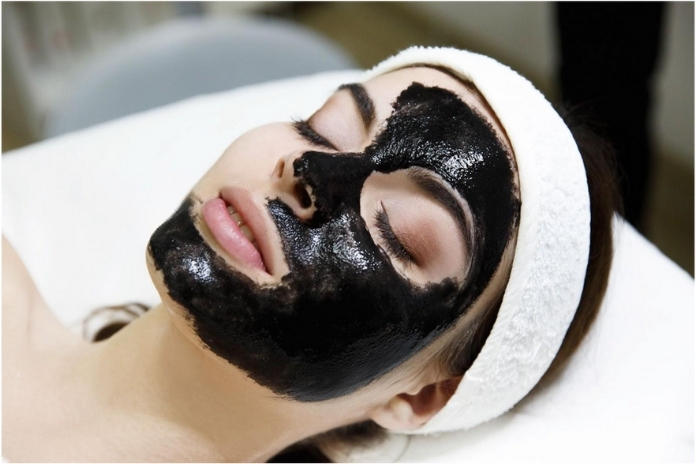
Charcoal face masks lie in an unusual space in skincare. They are not exactly medical treatment, nor are they fully cosmetic indulgence. Many people use them with strong expectations because they arrived with strong promises: deep detox, blackhead removal, oil control, and sometimes even acne cure.
Social media loved the visual drama. Skincare brands loved the narrative. Consumers loved the immediate clean, tight feeling after use. And yet, most people also sense that the results are temporary.
So the real question is not “Do charcoal masks work or not?” The better question is what they actually do, and what they never do, no matter how expensive or popular they are.
This article examines activated charcoal face masks from a skin-biology perspective, not marketing language. No dramatic claims, no miracle promises, no fear-based advice. Just how they interact with oil, pores, acne, and the skin barrier, based on how skin actually functions.
What Is Activated Charcoal?
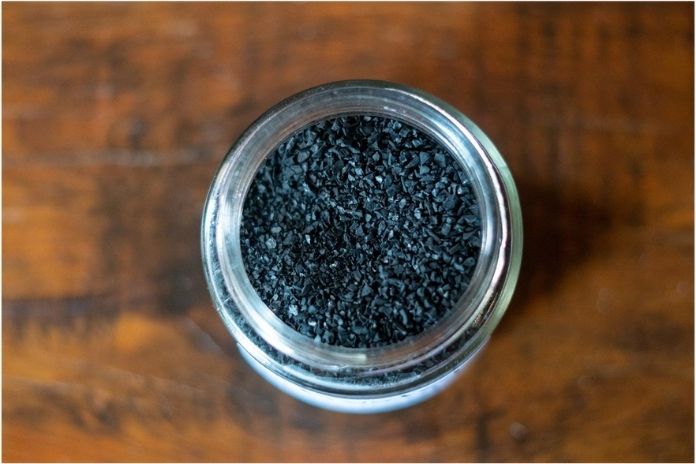
Activated charcoal is carbon that has been processed at very high temperatures to create a porous structure. These pores allow it to adsorb (not absorb) substances onto its surface.
As dermatologist Dr. Corey L. Hartman explains, “Activated charcoal is simply charcoal made from wood, coal, or other substances that have been combined with gas or other activated ingredients at high temperatures, which expands its surface area. The result is an odorless dark powder that has a variety of uses.”
Important distinction:
- Absorb = soak inside (like a sponge)
- Adsorb = bind on the surface
In medicine, activated charcoal is used in poison ingestion because it binds certain toxins inside the gut, where the charcoal is in direct contact with substances for hours.
Skin, however, is not the gut.
Charcoal in skincare lies on the outermost layer of dead skin cells (stratum corneum) for 10–20 minutes. That context matters.
How Charcoal Face Masks Are Supposed to Work
Charcoal masks are marketed as “drawing out impurities.” Scientifically, what they can do is more limited and more specific.
Here is what realistically happens during application:
- Charcoal particles bind surface oil
- They bind loose debris lying in pores
- They slightly mattify the skin by reducing surface shine
- When washed or peeled off, they remove what they were able to bind at the surface level
They do not enter the bloodstream. They do not pull toxins from blood, lymph, or deeper skin layers. Skin does not detox that way; your liver and kidneys do. They only interact with what touches the skin surface.
Two factors matter here:
- Contact time: A quick rinse-off will help very little. Longer contact allows more surface oil binding, but also increases dryness risk.
- Formulation: Charcoal mixed with soothing ingredients reacts very differently from charcoal mixed with alcohol, fragrance, or aggressive adhesives.
The charcoal itself is not the main problem. The formula around it often is.
What Charcoal Face Masks Can Help With

1. Excess Oil (Sebum Control)
Charcoal masks are reasonably effective at temporarily reducing oil. If your skin becomes shiny within hours, charcoal can reduce that appearance for the rest of the day.
However:
- They do not change sebaceous gland activity.
- Your sebaceous glands will continue producing oil as usual.
- Oil production returns within hours to days
- In some cases, aggressive oil removal can trigger rebound oiliness later.
This makes them useful before events, not as oil-control therapy.
2. Appearance of Clogged Pores
Charcoal can bind oxidized sebum lying near the pore opening. This can make pores look cleaner and slightly smaller after use.
But:
- Pore size is genetic
- Pores do not open or close. They can only appear more or less noticeable.
- Deep comedones are not removed
The improvement is cosmetic, not structural.
3. Short-Term Skin Feel
Many people enjoy charcoal masks because of how the skin feels afterward:
- Smoother texture
- Less greasiness
- “Clean” feeling
This is real, but it comes from oil removal, not skin repair or healing.
What Charcoal Face Masks Do Not Do
This is where marketing and biology separate. Charcoal masks are often marketed with claims that go far beyond their actual function.
Charcoal masks do not:
- Detox the skin internally
- Shrink pores permanently
- Kill acne bacteria reliably
- Treat hormonal acne
- Improve pigmentation
- Replace exfoliation or retinoids
- Improve collagen or aging
Supporting this view, dermatologist Dr. Ranella Hirsch has noted that activated charcoal lacks sufficient clinical evidence or proven benefits when it comes to anti-aging claims.
These claims persist because:
- The word “charcoal” sounds medical and powerful
- Immediate results are visible
- The skincare industry benefits from dramatic narratives
If a mask claims multiple of the above, the claim is promotional, not physiological.
Charcoal Masks and Acne: What the Evidence Shows
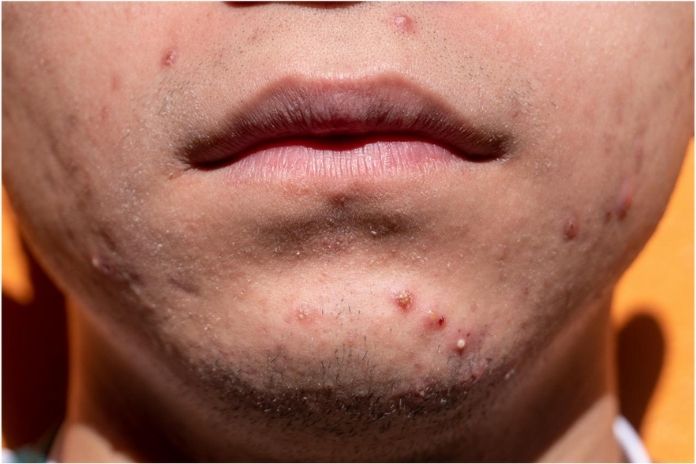
There is very limited direct clinical research on charcoal masks for acne. Most assumptions are indirect. What we know:
- Removing surface oil can reduce shine, not acne formation
- Acne is driven by sebum production, follicular plugging, bacteria, and inflammation
- Charcoal does not meaningfully affect inflammation or bacteria in follicles
- Charcoal may reduce the clogged appearance
- It does not prevent new lesions
For moderate to severe acne:
- Charcoal masks are neutral at best
- Overuse may worsen barrier damage and inflammation
They are adjuncts, not treatments.
Potential Downsides and Risks
Charcoal masks are often described as “safe for everyone.” This is inaccurate.
Possible issues include:
- Barrier disruption from excessive oil removal
- Irritation from friction (especially charcoal peel-off masks)
- Micro-tears in sensitive or acne-inflamed skin
- Rebound oiliness after frequent use
- False reassurance, delaying proper acne care
Skin that feels “tight” after a mask is not clean; it is dehydrated.
Charcoal Peel-Off Masks vs Wash-Off Masks
Peel-Off Masks
These rely more on mechanical removal than on the charcoal itself.
Pros:
- Immediate visible debris removal
- Temporary smoothness
Cons:
- Pulls hair, corneocytes, and sometimes inflamed skin
- Can worsen acne and broken capillaries
- High irritation risk
They remove what sticks, not what matters.
Wash-Off Masks
These work mainly via adsorption and gentle cleansing.
Pros:
- Lower irritation risk
- More suitable for regular use
- Better for oily but sensitive skin
Cons:
- Subtle results
- No dramatic pore emptying
From a dermatology perspective, wash-off masks are safer.
Read More: The Ultimate Guide to Scalp Detoxing: Why and How to Do It
Who Might Benefit Most From Charcoal Masks
Charcoal masks are not useless. They are simply specific-use products. Charcoal masks make the most sense for:
- Oily skin with visible congestion
- People who tolerate exfoliation well
- People wanting cosmetic improvement before events
- Those using them 1–2 times weekly, not daily
- Those who enjoy cosmetic skincare rituals without expecting long-term correction
They are lifestyle products, not treatment products.
Read More: Are Pore Strips Bad for Your Skin? Dermatologists Explain
Who Should Avoid or Limit Charcoal Masks
Avoid or strictly limit use if you have:
- Dry or dehydrated skin
- Rosacea or eczema
- Active cystic or inflamed acne
- Compromised skin barrier
- History of post-inflammatory pigmentation
In these cases, charcoal removes oil that your skin already struggles to maintain.
Read More: Hydrating Sheet Masks: Instantly Revitalize and Replenish Your Skin
How Often Should You Use a Charcoal Face Mask?
Realistic frequency:
- Charcoal mask for oily skin: once weekly
- Combination skin: once every 10–14 days
- Sensitive or acne-prone skin: rarely, if at all
More frequent use does not improve outcomes; it increases irritation.
Read More: Detoxifying Face Masks: The Top 5 Options for Clearer, Healthier Skin
Better Alternatives (or Complements) to Charcoal Masks
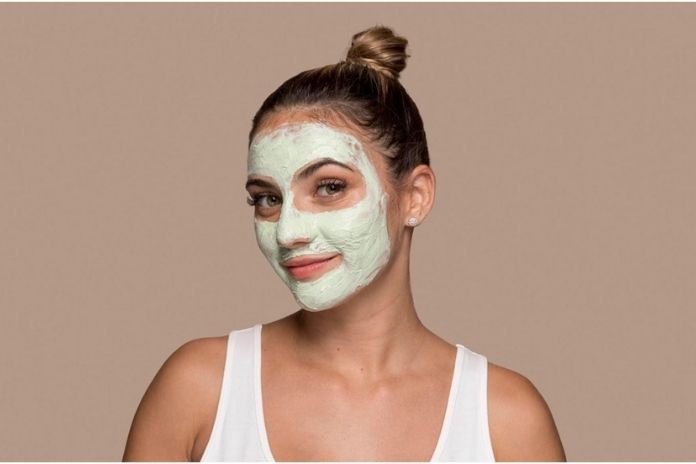
If your goal is clearer pores or oil control, consider:
- Salicylic acid (BHA) – penetrates pores, unlike charcoal
- Clay masks (kaolin, bentonite) – more consistent oil absorption
- Niacinamide – reduces sebum over time
- Retinoids – address follicular plugging at the root
Charcoal works on the surface. These work within skin biology.
What Dermatologists Generally Recommend
Most dermatologists do not oppose charcoal masks, but they also do not rely on them.
General professional view:
- Safe as occasional cosmetic support
- Not acne treatment
- Not detox therapy
- Should not replace sunscreen, retinoids, or proper cleansing
They are optional, not essential.
Final Thoughts
Charcoal face masks are neither scams nor solutions. They lie in the middle, useful for short-term oil control and cosmetic refinement, but limited for long-term skin health.
The problem is not charcoal itself.
The problem is expectation inflation.
When used with a realistic understanding, they can fit into skincare. When expected to treat acne, pores, or “toxins,” they disappoint.
Key Takeaways
- Charcoal masks mainly affect surface oil, not deeper skin processes
- Visible pore improvement is cosmetic and temporary
- Acne evidence is indirect and limited
- Peel-off masks increase irritation risk without the added charcoal face mask benefit
- Well-designed clinical trials comparing charcoal masks to BHA or clay masks are still lacking
References
- Brody, G., Yale, K., Michelle, L., Haller, C. N., & Mesinkovska, N. A. (2021). Utilizing high‐resolution imaging to objectively assess activated charcoal’s effects on facial skin. Journal of Cosmetic Dermatology, 21(4), 1778–1780.
- Sajjad, M., Sarwar, R., Ali, T., Khan, L., & Mahmood, S. U. (2021). Cosmetic uses of activated charcoal. International Journal of Community Medicine and Public Health, 8(9), 4572.
- Sanchez, N., Fayne, R., Burroway, B., & BW. (2019). Charcoal: An Ancient Material with a New Face. Clinics in Dermatology.
- Zhang, X., Zhang, Z., Tao, H., He, X., Hsu, K., Wang, W., Fang, X., & Steel, A. (2023). Comprehensive assessment of the efficacy and safety of a clay mask in oily and acne skin. Skin Research and Technology, 29(11), e13513.
In this Article