










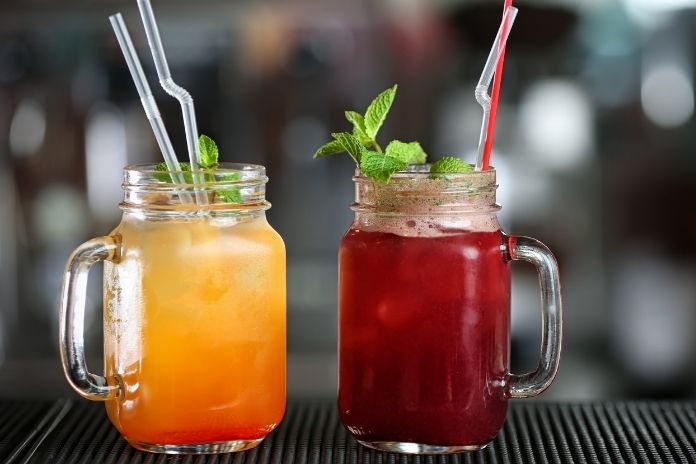
The conversation around drinks has been strangely shallow. Cocktails are treated as a symbol of relaxation, celebration, or social belonging. Mocktails, on the other hand, are often dismissed as “just juice in a fancy glass.”
But from a body and health point of view, this comparison deserves much more honesty. This is not a moral debate about alcohol. This is a physiological one.
What actually happens inside your body when you drink a cocktail? What really changes when alcohol is removed? And are mocktails always the healthier choice, or can they quietly become a sugar trap?
A more useful question is: What does choosing a cocktail or a mocktail actually do to your body over time? Because the health impact does not come from one drink. It comes from patterns, frequency, quantity, ingredients, and how your body responds.
This article looks beyond mocktails vs cocktails trends, detox hype, or wellness clichés. It looks at how your body responds, adapts, compensates, and sometimes pays the price.
What Defines a Cocktail vs a Mocktail (From a Health Perspective)
From a health standpoint, the difference is simple but powerful.
A cocktail contains ethanol (alcohol), regardless of how premium, organic, or “light” it claims to be. Ethanol is a psychoactive substance that your body treats as a toxin, not a nutrient.
As Dr. Ulysses Wu, MD, puts it, alcohol is essentially a toxin your body has to process, and not everyone processes it the same way.
Some people simply don’t have the same enzyme capacity to break it down efficiently. And it doesn’t really matter whether it comes from wine, beer, or liquor. Over time, the strain shows up in the liver, metabolism, and long-term disease risk. What matters most isn’t the type of drink. It’s how often alcohol keeps showing up in your system.
A mocktail removes ethanol entirely but often keeps:
- Sweeteners (sugar, syrups, juices)
- Acids (lime, citrus, vinegar)
- Flavours and botanicals
So, the real comparison is not drink vs drink. It is ethanol exposure vs no ethanol exposure, and how your body reallocates its resources in response.
How Alcohol Affects the Body
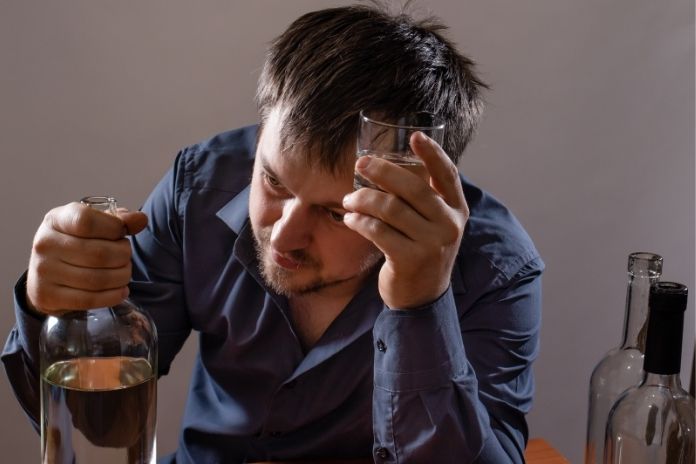
Alcohol does not gently blend into your system. It interrupts it.
Short-Term Effects of Alcohol on the Body
Within minutes of drinking:
- Your liver pauses other metabolic work to process alcohol first.
- Blood sugar regulation becomes less stable.
- Sleep architecture begins to change, even if you feel relaxed.
- Decision-making and emotional filtering soften.
The calm you feel is not recovery. It is nervous system suppression.
Long-Term Effects (With Regular Intake)
With repeated exposure, even moderate alcohol consumption can lead to:
- Liver cells adapt by increasing detox enzymes, creating metabolic strain.
- Low-grade inflammation becomes more likely.
- Sleep quality worsens quietly, not dramatically.
- Hormonal rhythms (especially cortisol and insulin) become less predictable.
- Emotional regulation can rely more on alcohol than on coping mechanisms.
None of this requires heavy drinking. Frequency matters more than quantity.
Mocktails: What Changes When Alcohol Is Removed
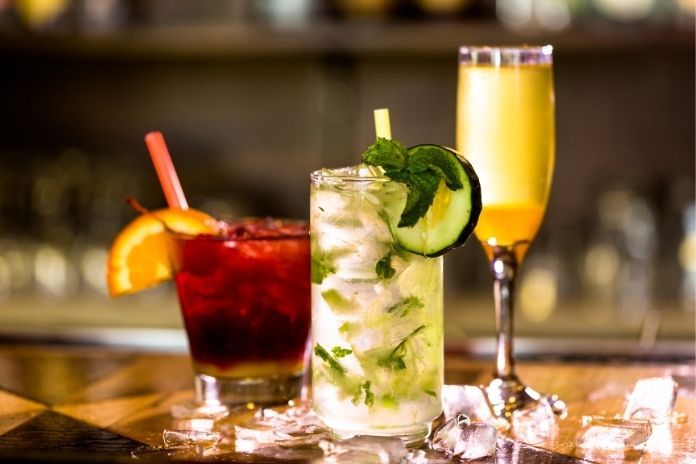
Removing alcohol does not automatically make a drink “healthy,” but it removes the most biologically disruptive component.
Key changes and health benefits of alcohol free drinks are:
- The liver does not enter emergency detox mode.
- Sleep cycles are less disturbed.
- The nervous system does not experience chemical suppression.
- Hydration status improves instead of worsening.
- Blood sugar response becomes more predictable.
The body shifts from damage control to normal processing. That alone is a meaningful difference.
There’s also a practical reason mocktails work better than people expect. They don’t just replace alcohol; they replace the experience of drinking. Holding a glass, sipping something cold or bitter or aromatic, being part of the moment.
As Ashley Kiser, a registered dietitian with BlueCross BlueShield of Tennessee, notes, mocktails can be a fun way to stay hydrated while still having some creativity in what you’re drinking. That combination makes them easier to stick with than plain water, especially in social settings.
This is why mocktails work better than “just drink water” for many people. They preserve the ritual without adding physiological stress. You’re still participating, just without the nervous system suppression, sleep disruption, or metabolic detour that alcohol brings.
Removing alcohol doesn’t turn a drink into medicine. But it does give your body room to function without interference, and over time, that difference adds up.
Head-to-Head: Mocktails vs Cocktail
1. Sleep
Cocktails reduce REM (Rapid Eye Movement) sleep even when consumed early in the evening. It also increases night-time awakenings and creates next-day fatigue despite “enough hours.”
Mocktails are neutral to sleep and do not interfere with sleep architecture unless heavily caffeinated. Some ingredients (such as citrus peel and herbs) may even support relaxation. Sleep quality is one of the earliest systems to improve when alcohol is reduced.
If sleep matters to you, alcohol is working against it, quietly.
2. Liver Health
Your liver sees alcohol as a priority toxin. Every other metabolic process is temporarily deferred. Even moderate drinking causes temporary enzyme elevation.
Mocktails remove this metabolic interruption entirely and allow the liver to continue its routine metabolic and hormonal tasks.
Over the years, this matters.
3. Inflammation
Alcohol promotes inflammatory pathways, especially with regular use.
Mocktails, depending on ingredients (especially those using herbs, spices, citrus, or berries, which can add polyphenols), can be neutral or mildly anti-inflammatory.
Not drinking alcohol reduces the inflammatory load.
4. Blood Sugar & Metabolism
Cocktails create a double challenge:
- Alcohol impairs glucose regulation.
- Mixers often add sugar.
Mocktails remove one side of the problem, but can still spike blood sugar if poorly prepared. So mocktails are potentially better, not automatically better.
5. Mental Health
Alcohol temporarily reduces anxiety but increases rebound anxiety later. This is also due to sleep disruption and dehydration.
Mocktails do not create this rebound effect. Mood remains more stable the next day.
For people managing stress, mood swings, or burnout, this difference is significant.
6. Calories & Weight
Alcohol calories are “empty” and metabolically expensive.
Mocktails can be high-calorie, but the body processes them more predictably. Weight gain from alcohol is not just calories; it is hormonal disruption.
When Cocktails May Not Be a Major Health Issue
There are situations where cocktails are not a serious concern:
- Infrequent consumption
- Quantity is low
- Consumed with food
- Adequate sleep, nutrition, and hydration
- No underlying liver, metabolic, or mental health conditions
- No medication interactions exist
- Conscious limits, not habitual use
The problem is not the occasional cocktail. The problem is normalising alcohol as a recovery or stress tool.
When Mocktails Are Clearly the Better Choice
Mocktails offer a clear advantage when:
- Sleep quality matters
- You are training, healing, or recovering
- You want social participation without physiological cost
- You are managing anxiety, gut issues, or fatigue
- You drink often but not heavily
- You are pregnant or have medication restrictions
They reduce cumulative stress on the body, even if they are not “health drinks.”
The Hidden Pitfall of Some Mocktails
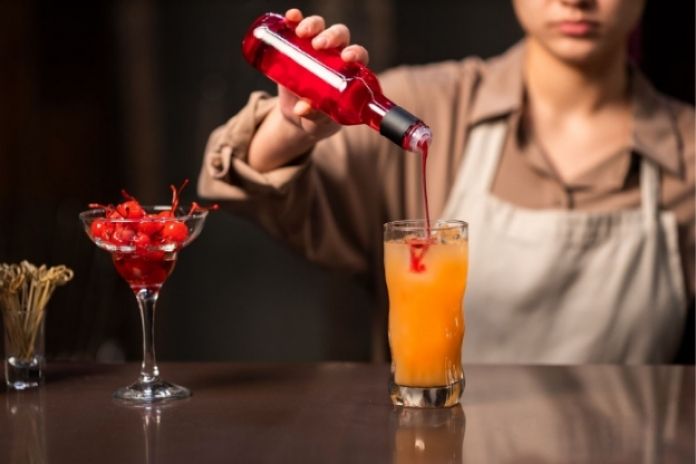
Here is where most articles stop being honest. Many mocktails are:
- Sugar-heavy
- Juice-dominant
- Syrup-based with little fibre or balance
“Alcohol-free” does not mean “body-friendly.” A mocktail can spike blood sugar faster than some cocktails. So the comparison is not between cocktails and non-alcoholic drinks. It is alcohol stress vs sugar stress.
Mocktails are better only when prepared intelligently.
How to Make Mocktails That Are Actually Better for Your Body
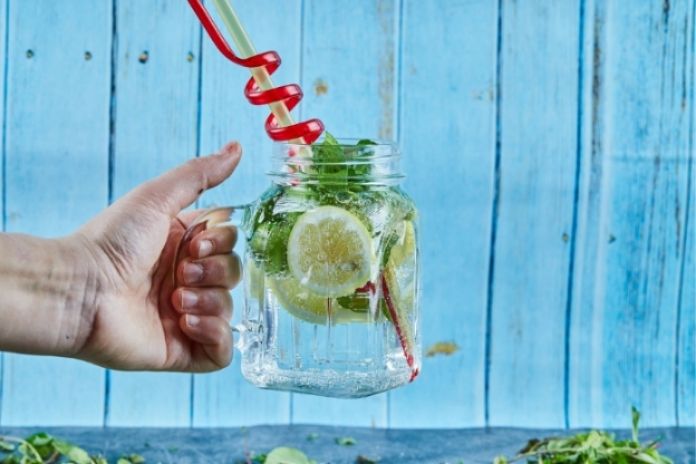
The goal is balance, not sweetness. A body-friendly mocktail follows three principles:
- Reduce liquid sugar: Use infused water, herbs, spices, or bitters instead of juices.
- Add bitterness or acidity: Lime, vinegar, herbs, and spices slow sugar absorption.
- Think hydration first, flavour second: Sparkling water, electrolytes, and botanicals matter more than sweetness.
A good mocktail should refresh, not exhaust your metabolism.
Read More: Morning vs. Night Apple Cider Vinegar: Best Timing for Metabolic Benefits
Psychological & Social Impact
This part is rarely discussed. Drinks are not just chemical. They are social signals. Cocktails often:
- Create pressure to keep pace
- Become a social coping mechanism
- Blur emotional boundaries
Mocktails:
- Allow participation without impairment
- Reduce next-day regret or fog
- Support clearer social awareness
- Change habits without deprivation
The confidence to choose a mocktail without explanation is often the real upgrade.
Read More: Can Coffee Count Toward Your Daily Water Intake?
Final Verdict: Which Is Better for Your Body?
Physiologically:
Mocktails are generally gentler on sleep, liver, metabolism, and mood.
Behaviourally:
Cocktails support moderation without social loss.
The real answer depends on how much and how frequently you choose to drink.
Read More: Protein Powder in Coffee: How to Do It, Why It Works,…
Final Thoughts
This discussion is not about declaring a winner. Cocktails are not always bad. Mocktails are not always beneficial. But from a purely physiological perspective, alcohol always pushes your body to compensate, and mocktails allow your body to function without that push.
Health is rarely about absolute choices. It is about cumulative signals. And your body is always responding to each of them, continuously.
- Alcohol forces the liver into detox mode every time.
- Mocktails remove the most disruptive ingredient: ethanol.
- Sleep, inflammation, and mental health are quietly affected by alcohol.
- Poorly made mocktails can still harm blood sugar.
- Conscious drinking choices matter more than labels.
References
- Bowdring, M. A., Rutledge, G. W., & Prochaska, J. J. (2024). Advising patients on the use of non-alcoholic beverages that mirror alcohol. Preventive Medicine Reports, 47, 102888.
- Cleveland Clinic. (n.d.). Are Nonalcoholic Drinks Healthy? Cleveland Clinic.
- Gardiner, C., Weakley, J., Burke, L. M., Roach, G. D., Sargent, C., Maniar, N., Huynh, M., Miller, D. J., Townshend, A., & Halson, S. L. (2024). The effect of alcohol on subsequent sleep in healthy adults: A systematic review and meta-analysis. Sleep Medicine Reviews, 80, 102030–102030.
- Sikalidis, A. K., Kelleher, A. H., Maykish, A., & Kristo, A. S. (2020). Non-Alcoholic Beverages, Old and Novel, and Their Potential Effects on Human Health, with a Focus on Hydration and Cardiometabolic Health. Medicina, 56(10), 490.
- Thomes, P. (2021). Natural Recovery by the Liver and Other Organs After Chronic Alcohol Use. Alcohol Research: Current Reviews, 41(1).
In this Article