











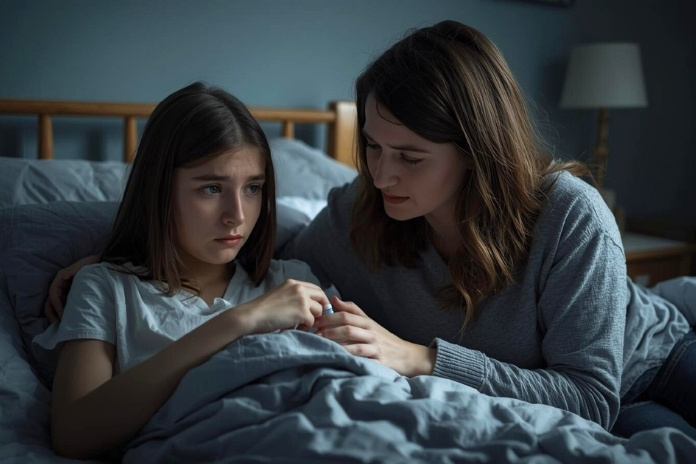
Most childhood illnesses are ordinary. Fever, cough, tiredness, poor appetite, parents see these almost every month. And most of the time, they resolve on their own.
Leukemia becomes dangerous not because its childhood leukemia symptoms are dramatic, but because they quietly blend into normal childhood complaints.
This is why early leukemia is often missed, not due to negligence, but because it does not show up like a classic “serious illness” in the beginning.
This article is written for parents who really want clarity without fear-mongering. Not to panic over every bruise, but just to understand patterns, persistence, as well as combinations of symptoms that deserve true attention. The goal is awareness, not anxiety.
What Is Leukemia in Children? (Quick Overview)
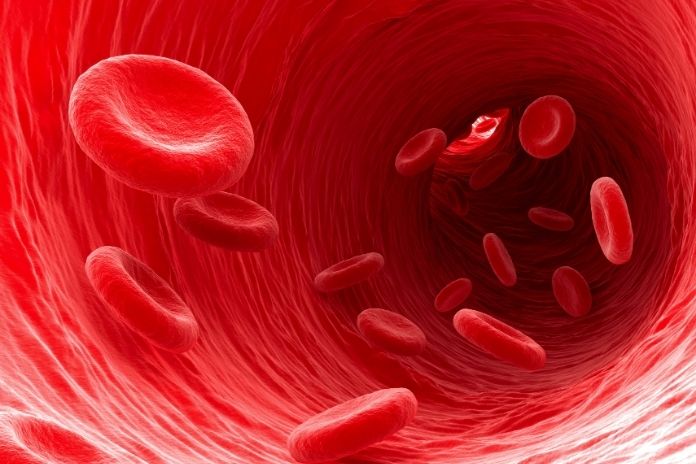
Leukemia is a cancer of the blood-forming tissues, mainly the bone marrow. In children, it usually starts when immature white blood cells grow uncontrollably and replace normal blood cells.
This leads to:
- Fewer healthy red blood cells → fatigue, pallor
- Fewer platelets → easy bruising, bleeding
- Poor-quality white blood cells → frequent infections
Childhood leukemia is not rare, but it is highly treatable, especially when detected early. The challenge is not treatment, it is recognition.
Doctors still do not have a clear answer for why leukemia develops in most children.
“We do not know what causes leukemia,” says Dr. James Foran, MD. “But we do know there are certain risk factors.” Many of those risks, like smoking or obesity, apply mainly to adults. In a small number of cases, leukemia can run in families, including, rarely, some acute forms.
Why Leukemia Symptoms Can Be Hard to Recognize

Leukemia symptoms are difficult because they:
- Develop gradually
- Mimic common infections or nutritional deficiencies
- Come and go initially. Children recover partially, giving false reassurance.
- Often look unrelated
Parents usually notice one symptom at a time rather than the whole picture. A tired child one week. Fever another week. Bruises later. Each seems explainable until it is not.
Leukemia also varies by type.
“There are so many different types of leukemia,” says hematologist Dr. Aaron Gerds, MD. “But we can break this down to a couple of different simple groups. There’s acute, and there’s chronic. Acute means something that comes on very quickly. It’s generally pretty aggressive, and if we do not treat it, people can pass away from it within days to weeks. Chronic leukemia usually comes on much slower, and even without treatment, patients can live for years.”
In children, leukemia is most often acute. That makes early recognition especially important but also challenging, because early symptoms may still appear mild before the disease becomes clear.
Common Early Signs and Symptoms of Leukemia in Children

Below are symptoms of blood cancer in children, explained in a way parents actually experience them, not textbook descriptions.
Persistent Fatigue and Weakness
This is not always about being “lazy” or “not sleeping well.” Children with early leukemia often:
- Tire quickly while playing
- Sit down more than usual
- Wanting to lie down more than usual
- Avoid activities they previously enjoyed
- Look pale even after rest
This happens due to anemia, which is a low red blood cell count. Oxygen delivery drops. The child compensates quietly until it cannot.
Significantly, the fatigue does not improve with sleep or nutrition. That persistence matters.
Frequent or Unusual Infections
Children often fall sick; that alone is not alarming. What raises concern is that the immune system looks active on paper, but is ineffective in reality:
- Infections that keep returning
- Fevers without a clear known cause
- Poor response to antibiotics or need for repeated antibiotics
- Infections are taking longer than usual to resolve
Leukemia weakens the immune system quietly, making routine infections harder to clear.
Easy Bruising or Bleeding
This is one of the most apparent early signs of leukemia in children, yet it is commonly dismissed.
Parents may notice:
- Bruises without remembering injury
- Bruises in unusual places (back, abdomen, face)
- Nosebleeds that are frequent or hard to stop
- Bleeding gums during brushing
When platelets drop, the skin shows it early. Children can be active, but pattern and frequency matter more than presence.
Bone, Joint, or Muscle Pain
This is one of the most overlooked symptoms.
Pain may:
- Feel deeper, not muscular
- Wake the child at night
- Cause limping or refusal to walk
- Shift from one limb to another
- Be mistaken for “growing pains”
- No improvement with massage or rest
The pain comes from the overcrowding of abnormal cells in the bone marrow, which increases internal pressure. Calling this “growing pains” delays evaluation.
Swollen Lymph Nodes
Small nodes during infection are normal. Red flags include:
- Nodes that are firm, non-tender
- Nodes that do not reduce after weeks
- Swelling in the neck, armpits, or groin without infection
Parents often notice these while bathing or combing hair.
Abdominal Swelling or Discomfort
The liver and spleen may enlarge silently.
Parents may notice:
- Belly appearing swollen
- Early fullness while eating
- Discomfort while bending or lying flat
- Clothes fitting tighter around the waist
This is subtle and often missed.
Unexplained Weight Loss or Poor Appetite
A child may:
- Eat significantly less
- Lose interest in favourite foods
- Lose weight without illness or dieting
This is different from temporary appetite loss during fever.
Fever or Night Sweats Without Clear Cause
Concerning fever patterns:
- Fever lasting more than a week
- Fever returning after short gaps
- Night sweats, soaking clothes or bedding
These fevers often lack obvious signs of infection. That absence is important.
Headaches, Vomiting, or Vision Changes (Less Common)
These occur when leukemia affects the central nervous system.
Childhood leukemia (cancer) signs include:
- Headaches become persistent
- Vomiting occurs without stomach upset
- Vision disturbances appear
- Behaviour may change
These symptoms require urgent evaluation.
Skin Changes
Parents may notice:
- Pale or greyish tone
- Small red or purple spots (petechiae)
- Delayed healing of minor wounds
Skin often reflects early changes in blood. However, not every case of leukemia is discovered because a child looks unwell.
“There’s also a fair chunk of patients who we just happen to find on routine screening or by checking blood for a completely different reason,” says Dr. Aaron Gerds. “Particularly those patients with chronic leukemias. They can often be asymptomatic or not have any symptoms at all.”
While chronic leukemias are far less common in children, this reality underscores an important truth for parents: leukemia does not always announce itself clearly or urgently in the beginning.
Read More: Leukemia – Causes, Symptoms, Treatment
Symptoms That Require Urgent Medical Attention
Do not wait if a child has:
- Persistent bone pain with limping
- Persistent fever with fatigue and pallor
- Bruising or bleeding without injury
- Marked lethargy or confusion
- Swollen abdomen with discomfort
- Repeated infections that are not improving
- Nosebleeds or bleeding that is difficult to control
Waiting for symptoms to “settle” wastes time.
Read More: Molecular Mechanisms In Cell Nucleus Could Treat Aggressive Leukemia
How Leukemia Is Diagnosed in Children

Diagnosis usually begins with simple blood tests.
Typical steps include:
- Complete blood count (CBC)
- Peripheral smear
- Bone marrow examination (if needed)
- Imaging or lumbar puncture in selected cases
Parents often fear tests, but early diagnosis allows less aggressive treatment and better outcomes.
Diagnosis is also the beginning of a longer journey, not a single event.
“Patients may be on various types of therapies throughout their leukemia journey, and providing patients with support and comprehensive education improves patient understanding and ultimately, better outcomes,” says Dr. Ryan Motte.
For families, this means that care does not stop at a diagnosis. Clear explanations, ongoing guidance, and emotional support are just as important as medical treatment itself.
Read More: Hard Lump Under the Skin: Causes, Diagnosis, and When to Worry
When Parents Should Trust Their Instincts
Parents know their child’s baseline better than anyone, but many because they fear being labelled anxious.
Trust your instinct when:
- “Something feels off” despite reassurance
- Symptoms persist despite treatment
- Different pediatric leukemia symptoms keep appearing over weeks
- Your child “does not look like themselves”
Seeking a second opinion is not overreacting. It is responsible parenting.
Read More: Strategies to Reduce Your Stomach Cancer Risk During Awareness Month
Final Thoughts
Leukemia in children does not begin as a crisis. It begins as a subtle change.
Early detection is not about knowing every symptom; it is about recognising patterns, persistence, and combinations.
Most children with leukemia today recover and live whole lives. That success begins with awareness, not fear.
- Leukemia symptoms are subtle, not sudden
- Persistence of signs and symptoms matters more than severity
- Bone pain, fatigue, and bruising deserve attention
- Trust patterns, not single symptoms
- Early diagnosis improves outcomes significantly
References
- Chennamadhavuni, A., Lyengar, V., Mukkamalla, S. K. R., & Shimanovsky, A. (2023, January 17). Leukemia. PubMed; StatPearls Publishing.
- Healthdirect Australia. (2021, May 26). Leukaemia. Www.healthdirect.gov.au.
- Mayo Clinic. (2024, December 20). Leukemia. Mayo Clinic.
- MedlinePlus. (2023, November 9). Leukemia. Medlineplus.gov; National Library of Medicine.
In this Article