











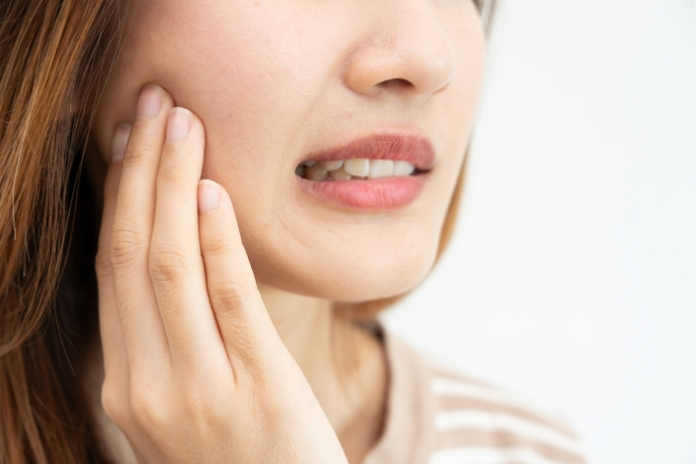
Does a particular tooth throb whenever you bite or eat? Tooth pain is not something to ignore; it’s your body’s indicator that something is wrong. Tooth discomfort may present as a dull, persistent ache or a sudden, sharp pain while sipping something cold Either way, tooth discomfort usually indicates something is going on beneath the surface.
In this article, you will learn why tooth discomfort occurs and how to identify what your symptoms might mean. We will examine some of the most common causes of discomfort, how to determine whether it is minor irritation or a serious problem, and what different kinds of tooth ache indicate about your oral health.
Read More: 2 Ways To Use Clove Oil For Toothache And Quick Relief
Understanding Tooth Pain — Sudden vs. Persistent
Chronic oral pain is defined as an ongoing pain lasting for many weeks, months, or even for many years. Unlike acute pain, chronic pain often has a gradual onset, can vary widely in severity, and rarely resolves without treatment. Ongoing pain usually indicates a deeper oral health issue that requires an examination by a dental professional.
Recurring or chronic tooth pain can affect more than just your mouth; it can impact your whole routine, reading, sleep, and overall well-being. Toothaches are the most common oral health issue. Nearly 55% of the people have reported having a toothache in the last six months. The Centers for Disease Control and Prevention (CDC) further notes that more than 40% of adults have experienced some form of oral pain in the past year.
Because tooth discomfort is almost always a sign that something in the mouth needs attention, identifying the cause is essential. Tooth decay, gum disease, cracked teeth, and infections are just a few of the causes of toothaches. Prompt toothache treatment not only eases pain but also prevents complications that may affect your long-term oral and overall health.
Common Causes of Tooth Pain

Tooth Decay
Many dental issues, such as toothaches, can be caused by tooth decay. Bacteria in your mouth cause tooth decay by producing acid from the sugars in food. If the bacteria progress and destroy the outer covering of your teeth (dental enamel), the tooth becomes more sensitive and may even expose the nerves inside, which can cause pain.
Absence of Regular Oral Care
Keeping your mouth healthy requires brushing, flossing, and rinsing twice a day. You are also strengthening and preserving a portion of your teeth that cannot regrow if lost, so be careful and consistent when brushing, particularly with fluoride toothpaste. Tooth sensitivity can occur when dentin becomes exposed due to damaged enamel.
Gum Disease
An accumulation of dangerous oral germs is usually the consequence of inadequate dental care. Gum disease, which causes inflammation in the mouth and can cause pain in teeth and gums, is usually characterized by red, swollen, and bleeding gums. If untreated, receding gums, lifelong bone loss, and worsening tooth discomfort are all the possible outcomes.
Tooth fractures or cracks
Harmful oral bacteria can cause tooth pain when they reach the vulnerable inner layers exposed by tooth fractures or cracks. While accidents do occur, you can keep your teeth healthy by practicing proper safety measures.
For example, while participating in contact sports, it is always wise to practice oral safety measures, such as wearing a mouthguard, to avoid oral injuries and subsequent toothache.
Sugary and Acidic Diet
High sugar and acidic diets can cause tooth erosion, which is the removal of tooth enamel, if you often eat or drink things that taste sharp or sour. Try balancing your diet to protect your teeth by limiting your use of highly acidic foods and beverages, such as wine, coffee, sports drinks, and carbonated sodas.
Additionally, eating sweet foods like cake, ice cream, cookies, and candies might promote the growth of germs. Plaque-producing bacteria can produce acids that erode tooth structure and cause decay, leading to discomfort.
Teeth Grinding
Stress often leads to teeth clenching and grinding. Possible symptoms are toothaches, worn-down or shattered teeth, strained jaw and face muscles, and several other detrimental health side effects. To help prevent tooth damage, your dentist may advise you to use a custom-made dental night guard.
Dental Abscess
A dental abscess is a dangerous, sometimes fatal mouth infection that needs to be treated right away. Infections caused by harmful oral bacteria can penetrate deeply into the dental pulp, the tooth’s innermost layer. Facial or oral swelling, throbbing pain, pus surrounding the tooth, black gums, and bone loss are all possible signs and symptoms of an abscessed tooth.
Read More: 6 Ways to Cure a Toothache with Cloves
Symptoms That Require Special Attention
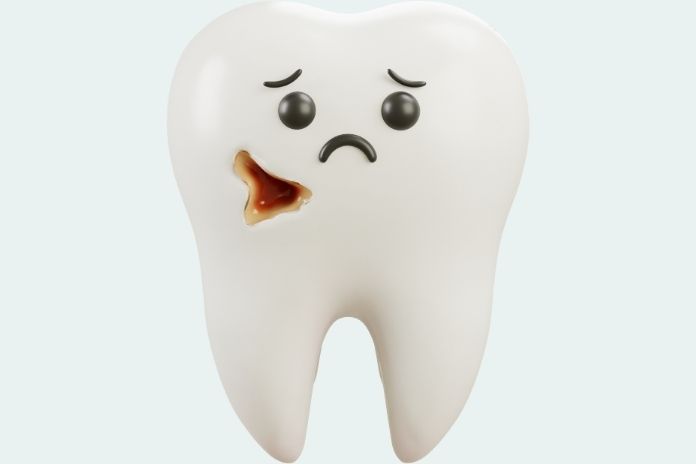
Severe, Persistent Pain
Excruciating and persistent tooth pain could indicate:
- A deep hole
- An exposed nerve from a fractured tooth
- An infection or abscess
Inflammation of the Jaw or Face
Swelling typically indicates an infection, even if you only experience mild discomfort. If a toothache has led to swelling of the jaw or face, you should treat the dental abscess promptly. The infection can spread to other parts of the body if left untreated, and can even cause life-threatening illness like sepsis.
Fever and Chills
If you experience any fever, chills, or mild malaise with your toothache, your body is trying to fight an infection. It could be a dental abscess, and should be treated by a qualified medical professional.
Pain When Chewing or Biting
If you experience tooth pain that worsens when you are chewing or biting, you might have a fractured tooth, a cavity that has invaded the nerve of the tooth, or an abscess at the root of the tooth. This pain is typically sharp and localized.
Bad Taste or Smell in Your Mouth
If you have a bad taste or smell that lingers, it might be due to decay, infection, or a pus-leaking abscess. It indicates that bacteria are present and continue to grow causing an unpleasant smell/taste.
Home Care Tips and Temporary Relief
Warm Saltwater Rinse: One simple and effective way to relieve toothache is to rinse with warm saltwater. Dissolve around 1/2 teaspoon of salt in 8 oz of warm water. Swish the mixture into your mouth for thirty seconds, and then spit. The warm rinse provides temporary comfort and mild antiseptic properties, and saltwater can also help reduce inflammation.
Use Cold Instead: An ice pack can provide relief from toothache by numbing the affected area and also reducing the swelling surrounding the tooth. To do so, take a small ice pack, or a bag full of frozen peas or corn, wrap it in a thin towel, and apply it to the cheek right next to the affected tooth. Keep it on for at least 15 minutes. After that, you may take a short break if it will help. A cold may provide temporary relief from pain or discomfort.
Clove Oil: An excellent natural choice for tooth pain, it may provide some comfort and is an analgesic known for its antibacterial properties. You can use it by applying a few drops to the cotton ball and placing it on the painful area of your mouth; however, you can also use an entire clove if you prefer. Please use it with care, as it may irritate the skin and cause overuse.
Avoid foods and drinks that might trigger pain: Certain foods and beverages may increase pain, especially if the tooth is sensitive. Foods that may contribute to increased pain include hot and cold foods, sweets, acidic foods, and crunchy foods. Until you can obtain professional care, restrict your diet to soft, lukewarm foods that will be easy on your teeth.
Oral Hygiene: Good oral hygiene is essential, whether or not you have a toothache. You can brush and floss around the sensitive parts of the tooth. Good oral hygiene can help heal your tooth and prevent further complications.
When to See the Dentist — Urgency Levels
While home remedies can provide a temporary relief from the dental sensitivity and pain, they are not solutions for dental exposure. If you experience significant pain, swelling, fever, trauma, or bleeding, please do not hesitate to seek emergency dental care. If you experience less severe but persistent pain, contact the dental office to arrange a visit to evaluate treatment options, regardless of the underlying cause.
Read More: Toothache – Causes, Treatment, and Home Remedies
Conclusion
While tooth pain may feel like an unwelcome and unexpected interruption to your day, it’s rarely without cause. Each ache, throb, or sharp sting is your mouth’s way of signaling a problem—whether it’s a developing cavity, a small crack you didn’t notice, or a deeper infection slowly building pressure. Ignoring these warning signs can allow a treatable issue to progress into a serious dental emergency.
Knowing whether your dental discomfort is sharp or prolonged, triggered or ongoing, gives you the ability to take action before things get out of hand.
References
- Cleveland Clinic. (04/11/2023). Toothache: Symptoms, causes & remedies
- NHS Inform. (2024, November 14). Toothache
- Listerine. Why do my teeth hurt? Common tooth pain & sensitivity causes
- Peppermint Dental & Orthodontics. (2025, July 18). Chronic dental pain vs sudden emergency: How to tell the difference
- Gentle Dental. Understanding different types of tooth pain and their causes
- Dentist in Cumming. Signs your toothache could be a serious emergency
- Wilton Smiles. (2023, July 15). Managing toothache at home before reaching emergency dental care.
In this Article