















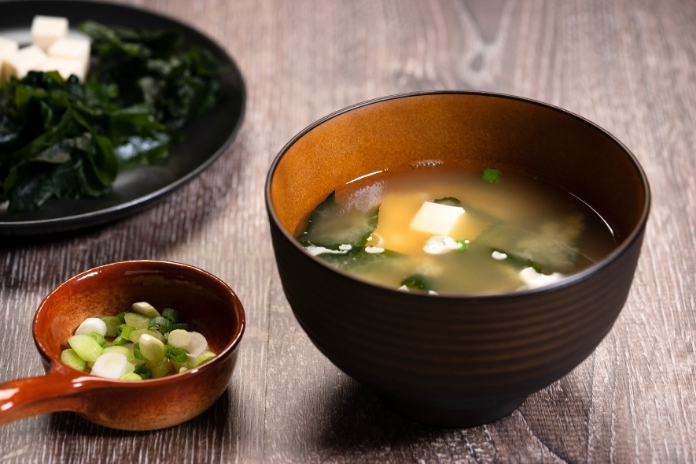
Why Miso Soup Is Considered a “Healthy” Food Globally
Miso soup has become one of those foods that travel across countries without any marketing push. It has started to appear on wellness menus, in diet plans, and in restaurant bowls. The appeal is not just that it is a traditional Japanese dish made from fermented soybeans, salt, koji, and broth, but also that the world has started paying more attention to anything fermented, plant-based, and minimally processed.
However, it has a reputation that often swings between “a superfood for everyone” and “too salty to be healthy.”
There’s an old Nagasaki account where a doctor, Dr. Tatsuichiro Akizuki, later said he and his hospital staff kept living on miso soup after the bombing, and none of them fell ill. He always thought that mattered.
So, this article looks beyond the typical probiotic discussion; what miso soup actually offers your body, how the miso soup nutrients behave once heated, what health claims are reasonable, risks of consuming miso soup, and when this traditional dish may not be the best choice.
What Exactly Is Miso Soup? Ingredients and Variations
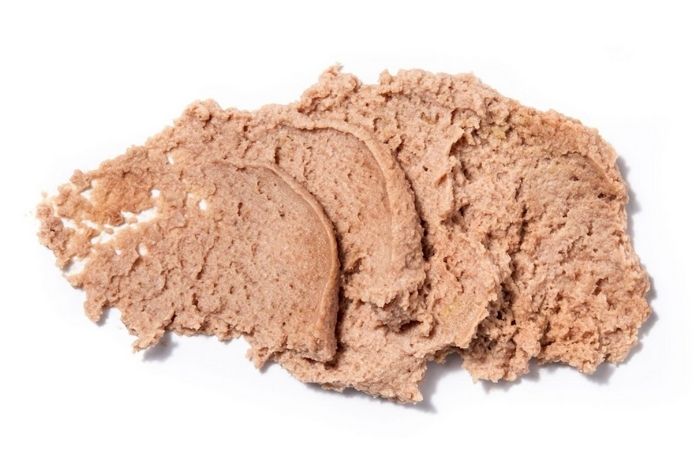
Traditional miso soup is built on four parts:
- A broth called dashi
- Miso paste (fermented soybeans with salt and koji)
- Add-ins like tofu cubes, seaweed, scallions, mushrooms, or vegetables
- Green onions for freshness
The unique part is the miso paste itself. There isn’t only one “miso.” Different pastes create different nutritional behaviour:
- White miso (shiro)– mild, slightly sweet, less fermented
- Yellow miso– moderately strong flavor and fermentation
- Red miso (aka miso)– stronger, saltier, more fermented
- Mixed miso (awase)– a blend used in many households
Variations also depend on temperature handling. Some people boil everything together, while others stir the paste at the end to preserve living cultures. These small choices make the dish behave differently for health.
Nutrition Breakdown of Miso Soup
A standard 1-cup serving (homemade, moderate sodium) provides approximately:
- 35–50 calories
- 1–3 g protein
- 5–1 g fat
- 4–6 g carbs
- 700–900 mg sodium (can vary widely)
- Small amounts of manganese, vitamin K, copper, and B vitamins
- Bioactive compounds created during fermentation
Miso is not nutritionally dense in a “vitamin-heavy” way. Its real strengths come from fermentation, amino acids, umami compounds, and peptides that differ from those in typical foods.
Read More: Diet for Endometriosis: Foods That Help and Foods to Avoid
Health Benefits of Miso Soup
1. Supports Gut Health Through Fermentation
Most articles simply say “good for probiotics.” But the real reason miso supports the gut is not only from live cultures. Even after heating, when many live organisms are reduced, miso still contains postbiotics, peptides, and cell-wall fragments that influence gut immunity.
This is why the soup still provides digestive comfort even when the cultures are partially damaged by heat. The gut recognises these compounds as signals for repair and immune regulation.
So, the fermented food benefit is not “more bacteria,” but the bioactive residue left from fermentation.
2. May Benefit Immune Function
Miso contains koji-derived enzymes and peptides that interact with mucosal immunity, the immune layer lining the gut. This doesn’t turn miso into an immunity booster, but it provides background support, almost like a steady signal to maintain balance rather than a loud push.
Interestingly, the immune effect depends on the type of miso:
- Red miso tends to show stronger immune-related peptides
- White miso is milder and better for sensitive stomachs
This subtle difference is rarely mentioned, but it matters for people choosing miso for daily use.
3. Rich in Antioxidants
The deeper the colour of the miso, the more antioxidant activity it tends to have. The fermentation time darkens the paste, concentrating compounds that behave like natural preservatives.
Antioxidants in miso are not like those in fruits. Instead of vitamin C–type action, they follow a slow, continuous pattern, supporting long-term cellular defence without giving a “high-antioxidant hit.”
The effect is again gentle, not a detox, not a cleanse, simply a food that supports the body’s natural defence.
4. Heart-Healthy (When Sodium Is Controlled)
Miso soup is often labelled unhealthy because of its salt content. But something unusual happens with miso: its sodium does not behave like table salt alone.
Fermentation creates S-equol and ACE-inhibitory peptides, which may help regulate blood pressure. Some research suggests that populations consuming miso regularly do not show the same hypertension risk expected from the sodium level.
This doesn’t completely reduce the miso soup risks that come with that salt, but it shows that miso salt is packaged with compounds that soften its impact.
5. Good Plant-Based Protein Source
Miso contains all essential amino acids, especially when made from soy. Although the protein quantity per bowl is low, the quality of the amino acids is notable. These amino acids help:
- Maintain muscle repair
- Support enzymes
- Stabilise appetite
When combined with tofu in the soup, the protein content and amino acid range improve even further.
6. May Support Weight Management
Miso soup doesn’t burn fat or boost metabolism. What it actually does is:
- Provide strong umami, which signals satisfaction with lower calories
- Offer slow-release compounds that reduce between-meal craving
- It acts as a pre-meal appetite regulator when consumed before lunch or dinner
Its role in weight management is behavioural, not metabolic: it helps people feel “full” with fewer calories.
Read More: Think Yogurt Has the Most Probiotics? Try These 8 Equally Good Sources
Common Concerns and Potential Downsides

1. High Sodium Content
A typical restaurant bowl can have about 1,200–1,500 mg of sodium. If a person already consumes salty pickles, processed snacks, or packaged meals, this can push the daily intake very high.
The issue is not the sodium alone but cumulative salt exposure. People on low-salt diets should look for white or low-sodium miso and dilute their soup slightly.
2. Fermentation May Trigger Issues for Some People
Although fermentation is beneficial for many, it may trouble a few:
- Those sensitive to histamines
- People who get headaches after eating aged foods
- Individuals with active gastric irritation during flare-ups
This is not because miso is “bad” but because the body processes histamines differently.
3. Not Suitable for People With Soy Allergies
Siso soup contains soy in its purest fermented form; a soy allergy is a strict reason to avoid it.
Some non-soy misos exist (like chickpea or rice), but they behave differently and have a different sodium-to-fermentation balance.
4. Some Instant Miso Soups Are Ultra-Processed
Instant versions often contain:
- Flavour enhancers
- Extract powders instead of authentic dashi
- Sugars
- Preservatives
- Lower-quality miso substitutes
These change the nutritional profile entirely. Choosing real miso paste and preparing a simple broth at home is far healthier.
Read More: Best Diet for Mounjaro: Foods to Eat and Avoid for Maximum Weight Loss
Who Should Avoid or Limit Miso Soup?

You may need caution if you fall into these groups:
- People with uncontrolled hypertension or kidney disease
- Individuals on a strict low-sodium diet
- Those with soy allergies or intolerance
- People with histamine sensitivity
- Anyone with gastritis or acid flare-ups during sensitive periods
For most others, moderate consumption, 3–4 times a week, is absolutely fine.
Read More: What to Eat After a Big Cry: Comforting Foods That Also Heal Your Body
How to Make Miso Soup Healthier

1. Choose Low-Sodium Miso Paste
White miso is generally low in salt. Some brands also label “reduced-sodium.” You can also use less paste and rely more on seaweed, mushrooms, or tofu for depth of flavour.
2. Add Gut-Friendly Ingredients
Not generic miso soup probiotics, but actual ingredients that support gut comfort:
- Seaweed: natural minerals and fibres
- Enoki mushrooms: gentle on digestion
- Daikon: mild detox support
- Tofu: stabilises the soup nutritionally
These additions help create a balanced meal rather than a sodium-heavy bowl.
3. Avoid Boiling the Miso Paste
This is a simple habit that changes the health value significantly. You don’t need to preserve every live culture, but extreme boiling destroys flavour and peptides too.
Dr. Karan Rajan, a UK-based NHS surgeon, has mentioned this as well, that miso works best when the paste is stirred into hot water that’s below boiling. The idea isn’t perfection, it’s just avoiding unnecessary heat that wipes out the living side of fermentation.
The ideal method: simmer the broth, turn off the flame, allow it to cool slightly, then stir in miso. This preserves the complexity of the soup.
4. Choose Homemade or High-Quality Paste
Commercial instant soups lose their traditional character. Using paste from a reputable source ensures:
- Proper fermentation
- Stable sodium level
- Authentic koji culture
This keeps the soup closest to its traditional nutritional profile.
Read More: Why You Crave Carbs in Winter, and Smarter Ways to Satisfy Hunger
Final Thoughts
Miso soup isn’t a miracle food, but it’s certainly a uniquely functional one. Its strength lies not in being trendy or exotic but in its subtle biochemical behaviour, fermentation residues, gentle antioxidant activity, umami-driven appetite regulation, and balanced amino acids.
The key is to manage the sodium and choose the right type of miso. For most people, a warm bowl of miso soup is a nutritious, comforting, and perfectly reasonable part of a weekly diet.
- Miso soup is healthy, mainly due to fermentation residues and amino acids, not just “miso soup probiotics.”
- Sodium is the main drawback, so portion size and type of miso matter.
- Different misos behave differently; red miso is stronger, white miso is gentler.
- Benefits include gut support, immune modulation, antioxidants, and appetite control.
- People with soy allergy, high blood pressure, or histamine issues should be cautious.
References
- Ito, K. (2020). Review of the health benefits of habitual consumption of miso soup: focus on the effects on sympathetic nerve activity, blood pressure, and heart rate. Environmental Health and Preventive Medicine, 25(1).
- Saeed, F., Afzaal, M., Shah, Y. A., Khan, M. H., Hussain, M., Ikram, A., Ateeq, H., Noman, M., Saewan, S. A., & Khashroum, A. O. (2022). Miso: A traditional nutritious & health‐endorsing fermented product. Food Science & Nutrition, 10(12).
- Tejaswini G, & Lalitha A. (2025). Health benefits of MISO. IP Journal of Nutrition Metabolism and Health Science, 8(3), 100–103.
In this Article