










The liver is a powerful and adaptable organ; it can heal and compensate when under stress. Because of this, early signs of liver problems often don’t show up in blood tests right away. Instead, you might notice subtle, easy-to-miss changes in how you feel.
These symptoms of liver stress are often vague and may include persistent fatigue, a general feeling of being unwell, or loss of appetite and nausea.
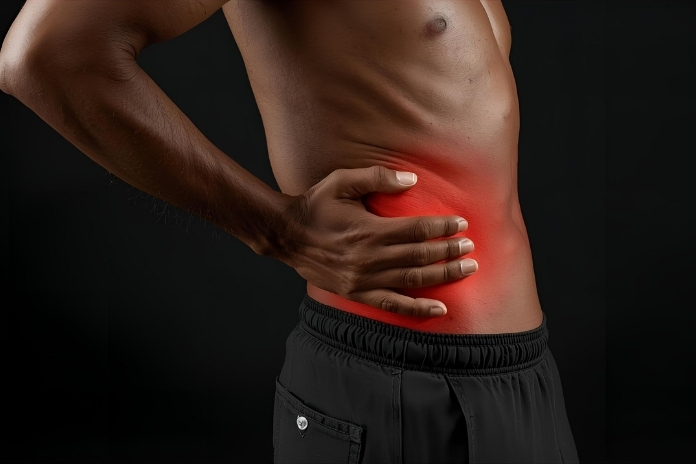
You might also feel a dull ache or discomfort in the upper right part of your belly, the area where the liver sits, or experience indigestion and digestive upset. Sometimes the skin may itch, even without any visible rash, or urine may appear darker than usual and stool lighter, as the liver starts struggling while processing bile.
Because the liver can compensate for a long time, these early signs are often dismissed or attributed to stress or other everyday problems. But noticing them and acting early, checking with a doctor, can be very helpful.
The goal of describing these early signals is to help you recognise when your body might be asking for help, before serious damage sets in.
Read More: Beef Liver Supplements with their Benefits and Risks
Why Liver Stress Is Hard to Detect Early

Early liver stress is hard to notice because symptoms are subtle and blood tests often stay normal. Understanding these early signals helps you act sooner and prevent long-term liver damage.
Many Functions — Lots of Reserve
The liver performs more than 500 functions in the body: processing nutrients and medications, purifying blood, making proteins, aiding digestion, regulating hormones, and more.
Because of its vast capacity and reserve, your liver may quietly struggle for a long time without obvious trouble. This means that during the early stages, you might feel OK even when there is internal damage.
Early Damage Hides Behind Vague Signs
When stress begins, the early problems often show up as vague, non-specific feelings rather than a clear illness. You might feel more tired than usual, slightly nauseous, lose your appetite, or notice a dull discomfort in the upper right abdomen (where the liver sits).
These are typical symptoms of liver stress, but they are easy to ignore or confuse with everyday tiredness or mild digestive trouble.
Blood Tests Often Show Problems Only Later
Tests used to check liver health, such as ALT/AST (liver enzymes), albumin, bilirubin, gamma-GTP, and others, may remain normal initially because the liver is still compensating for stress.
Often, only when enough cells are damaged, or bile flow is blocked, do these markers rise or fall. By the time blood tests show abnormal values, the liver may already be significantly stressed.
Why Early Detection Matters
Detecting trouble at the stage of vague symptoms or mild derangements, before major enzyme changes, offers a critical window.
With early awareness and lifestyle or medical intervention, it becomes possible to prevent progression to fatty liver, inflammation, scarring (fibrosis), or even irreversible long-term damage.
Because the early signs of liver problems can be subtle and easily dismissed, paying attention to gradual changes in energy, digestion, appetite, or mild abdominal discomfort, even when blood tests appear normal, can make a big difference.
Read More: 5 Detox Supplements for Liver Support and Toxin Removal
Early, Subtle Symptoms of Liver Stress (Before Blood Tests Detect Changes)

Early liver stress can cause subtle changes long before blood tests detect anything. These mild symptoms, often dismissed as routine fatigue or digestive issues, can signal early inflammation, fatty liver, or metabolic overload.
3.1. Unexplained Fatigue or Low Energy
- One of the earliest and most common signs is often described as a deep, unshakeable tiredness that doesn’t go away even after rest or enough sleep.
- This fatigue occurs because the liver is overworked, trying to process toxins, regulate metabolism, and support many vital functions, but can no longer keep up.
3.2. Digestive Issues (Especially After Fatty Meals)
- You may experience bloating, indigestion, gas, or a feeling of fullness after eating, especially after heavy or fatty meals.
- A falling appetite, nausea, or occasional vomiting may also occur.
- Since the liver produces bile, necessary for breaking down fats, early disruption in bile production or flow can lead to trouble digesting fatty or rich foods.
3.3. Right Upper Abdominal Discomfort or Fullness
- Instead of sharp pain, you might feel a dull ache, heaviness, or pressure under the right rib cage, where the liver sits.
- This can result from mild liver enlargement or early inflammation, even before major damage occurs.
3.4. Unexplained Itching (Pruritus)
- Persistent itchiness without a rash on the skin, hands, or feet can be a subtle sign of early liver stress.
- This likely happens when bile salts or toxins start to accumulate because the liver can’t filter or excrete them properly.
3.5. Mild Changes in Skin or Eyes
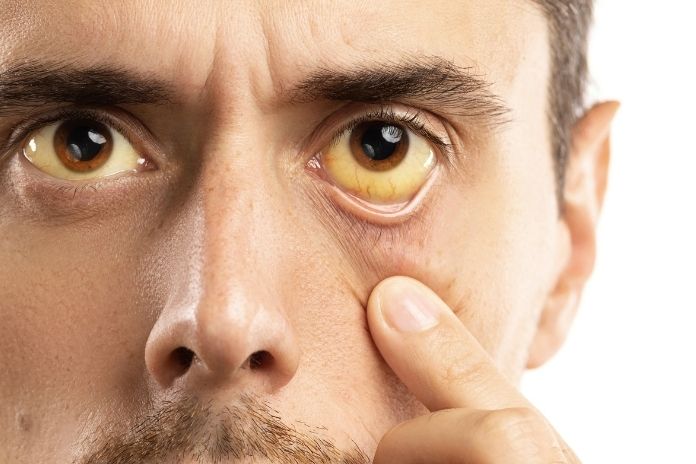
- A very faint yellowish tinge under the eyes or near the fingernails may appear sometimes, an early hint of mild jaundice or impaired bilirubin processing.
- These early changes are often subtle and may go unnoticed or be attributed to tiredness, poor sleep, or normal skin tone variation.
3.6. Occasional Darker Urine or Paler Stools
- You may notice urine becoming darker (tea- or cola-colored) sometimes, or stools turning paler, lighter, or clay-colored, especially after changes in diet.
- These happen because the liver’s ability to process or deliver bile and bilirubin is slightly reduced, but not enough yet to show up clearly in lab tests.
3.7. Hormonal or Metabolic Disturbances (Less Common but Possible)
- While less frequently highlighted, early liver dysfunction can interfere with metabolism, hormone regulation, and nutrient processing.
- This might show up as unexplained weight gain (especially around the belly if insulin resistance or fat accumulation begins), or as subtle changes in skin (oiliness or acne), digestion, or energy use. Some people with early liver stress may notice metabolic slowdowns or hormonal imbalance.
3.8. Brain Fog, Headaches, or Mild Cognitive Issues
- As the liver’s detoxification and metabolic functions falter, waste products or toxins may accumulate, potentially causing mild mental symptoms such as difficulty thinking clearly, forgetfulness, or occasional headaches.
- Though these symptoms are subtle and often dismissed as stress or fatigue, they can indicate early impairment in the liver’s ability to remove toxins.
3.9. Subtle Changes in Weight or Appetite
- Loss of appetite, lack of enthusiasm for food, or occasional nausea may occur even before blood tests show anything.
- On the other hand, slow metabolic slowdown and early fat accumulation (in metabolic-associated liver disorders) may lead to gradual weight gain around the midsection, even when diet and activity haven’t changed much. Some health experts highlight this possibility as part of the early “fatty liver early signs.”
Why These Subtle Signs Need Attention
Many of these liver stress symptoms overlap with everyday issues (stress, digestion, lifestyle, diet), so they are often ignored. But, in combination, especially if persistent or recurrent, they might signal early liver damage.
The challenge: The liver can compensate for a long time. Blood tests or routine screening may remain normal even when function is declining because the organ still performs core tasks.
Recognizing early symptoms, like unexplained fatigue, digestive trouble after fatty meals, mild abdominal discomfort, occasional dark urine, or subtle itching, can help catch issues when they are still reversible or manageable. Early intervention (diet, lifestyle, medical check-ups) can prevent progression into inflammation, scarring (fibrosis), more severe liver disease, or chronic complications.
Read More: Is Non-Alcoholic Fatty Liver Disease (NAFLD) Reversible?
Early Skin, Hair, and Body Clues of Liver Stress

When your liver starts to struggle quietly, before lab tests become abnormal, your skin, hair, or overall body may show subtle hints. Here are some important signs liver isn’t functioning properly that people sometimes notice early on:
- Itchy or Flaky Skin: Sometimes the skin itches without an obvious rash, or it becomes dry and flaky. This can happen because the liver isn’t clearing toxins or processing bile properly, leading to mild buildup under the skin.
- Tiny Red Veins (Spider Angiomas): Some people may notice small, web-like red blood vessels appearing under the skin, especially on the face, shoulders, or chest. These “spider angiomas” reflect early changes in blood vessel regulation and skin circulation when liver function is slightly compromised.
- Easy Bruising or Bleeding Easily: Even a light bump may cause a bruise, or you might notice minor cuts bleeding more than usual. That’s because the liver plays a role in producing clotting factors, and when it begins to falter, even mildly, clotting becomes a bit weaker.
- Hair Thinning, Dryness, or Texture Change: As the liver struggles, nutrient balance and hormone regulation may shift subtly. This can lead to hair becoming thinner, drier, or more brittle. Skin may also lose glow or feel rough.
If you notice a combination of these signals, especially without another clear cause, it could be a hint of early liver stress or early liver disease symptoms. Paying attention to them early may help you get a medical evaluation and intervene before bigger problems develop.
Read More: Early Signs of Fatty Liver Disease You Should Never Ignore
Causes of Early Liver Stress You Might Not Realize

Early liver stress often develops silently, long before symptoms become obvious. Understanding what triggers hidden liver strain can help you recognize early signs of liver problems and protect long-term liver health.
5.1. Nonalcoholic Fatty Liver Disease (Very Common and Silent)
One of the most common early causes of liver stress is nonalcoholic fatty liver disease (NAFLD). It develops when excess fat accumulates in the liver due to insulin resistance, high triglyceride levels, or abdominal fat.
Most people don’t feel anything in the early phase, no pain, no warning, except sometimes vague tiredness or right upper abdominal discomfort. Because it is silent, many only discover it during a scan for another issue. These early fat deposits can slowly trigger inflammation if not addressed.
5.2. Alcohol Overuse (Even “Moderate” Intake for Some)
Alcohol is a direct liver toxin. For some people, even moderate or occasional drinking can cause inflammation due to genetic sensitivity.
Over time, this may lead to early liver stress, mild swelling, or subtle changes like fatigue or mild jaundice signs that come and go. Many people assume only heavy drinkers are at risk, but the liver’s tolerance varies widely.
5.3. Certain Medications or Supplements
Many common medicines and herbal products place an extra load on the liver because they are processed there. Examples include:
- Acetaminophen (paracetamol), especially in higher doses
- Some antibiotics
- Herbal supplements such as kava, comfrey, and concentrated green tea extracts
People often overlook supplement toxicity, assuming herbs are always safe. In reality, some natural products can trigger early inflammation or silent liver injury.
5.4. Viral Infections (Hepatitis A, B, C in Early Stage)
Early hepatitis infections may cause few or no symptoms. When symptoms do appear, they are often mild and vague, such as low energy, mild stomach upset, or subtle early signs of liver problems, such as darker urine or intermittent yellowing. These infections may quietly cause inflammation long before they are detected.
5.5. High-Sugar or High-Fat Diets
Diets high in sugar, refined carbs, fried foods, or processed fats contribute to fat buildup inside liver cells. This leads to metabolic inflammation and early liver stress. Over time, this can progress to fatty liver even in non-drinkers.
5.6. Chronic Stress and Poor Sleep
Long-term stress raises cortisol levels, which increases fat storage around the abdomen and inside the liver. Poor sleep has similar effects, worsening inflammation and slowing liver recovery. Together, stress and sleep loss silently amplify liver strain.
Read More: Herbs and Spices that Promote Liver Health
When Early Liver Stress Becomes More Serious (Progression Signs)
When early liver stress progresses, the body begins showing clearer warning signs. These changes signal that liver function is weakening and needs urgent medical attention to prevent serious complications.
Persistent Fatigue
What may have started as mild, occasional tiredness can worsen into ongoing, deep fatigue, a constant feeling of exhaustion that doesn’t get better even after rest. This often signals the liver is under more serious strain and its ability to support normal body functions is faltering.
Visible Jaundice
As liver function worsens, the skin or eyes may take on a yellowish tint. This happens when the liver can no longer process bilirubin efficiently. These mild jaundice signs may become more obvious, indicating that the liver’s capacity to filter and clear waste is compromised.
Abdominal Swelling
Fluid may start to accumulate in the belly or legs, causing noticeable swelling. This swelling occurs when proteins and fluids that the liver normally regulates begin to accumulate because the liver cannot maintain metabolic balance.
Severe Itching
What may have begun as mild or occasional itchiness can turn into intense, persistent skin itching. This often reflects a buildup of toxins or bile salts that the failing liver can no longer clear properly.
Confusion or Mental Fog (Hepatic Encephalopathy)
When toxins build up in the blood because the liver isn’t filtering them properly, brain function can be affected. This can lead to confusion, difficulty thinking, drowsiness, or slurred speech. Such cognitive changes are serious warning signs requiring immediate medical attention.
If you or someone you know begins to show one or more of these signs, ongoing fatigue, yellowing of the skin/eyes, swelling, strong itching, or confusion, it is important to get a medical evaluation without delay. These are more than mild symptoms: they may mean that early liver disease has progressed to serious damage.
Read More: Best Practices for Supporting Liver Health After Hepatitis
How to Support Your Liver Early (Backed by Evidence)

Taking care of your liver early can slow down, halt, or even partially reverse liver stress, especially in the early stages of fatty liver and mild inflammation. These changes don’t “cure” liver disease, but they help reduce strain, support healing, and prevent progression.
7.1. Reduce Sugar and Refined Carbohydrates
- Cutting down on sugary drinks, sweets, white bread, pastries, and processed foods helps prevent fat buildup in the liver.
- High sugar intake leads to insulin resistance, which is one of the biggest causes of fatty liver.
- A lower-sugar, whole-food-focused diet helps the liver burn stored fat and improves metabolic health.
7.2. Limit Alcohol
- Even small or “social” amounts of alcohol add stress to the liver because it must work harder to break it down.
- Reducing or avoiding alcohol completely helps lower inflammation and gives the liver space to repair.
- People with early liver changes often see improvement within weeks of reducing alcohol intake.
7.3. Add Liver-Friendly Foods
Eating nutrient-rich foods helps the liver function better and reduces oxidative stress.
- Leafy greens: such as spinach, kale, and bok choy, help reduce fat buildup.
- Cruciferous vegetables: such as broccoli, cauliflower, and cabbage, support detox pathways.
- Berries: rich in antioxidants that protect liver cells.
- Healthy fats (omega-3s):such as fatty fish, walnuts, and chia seeds, help decrease inflammation and improve liver fat metabolism.
Including these foods regularly can support liver healing over time.
7.4. Maintain Healthy Weight and Waist Circumference
- Excess belly fat is strongly linked to fatty liver and liver inflammation.
- Even a modest 5-10% weight loss can significantly reduce liver fat.
- Maintaining a stable, healthy waist circumference helps protect the liver in the long term.
7.5. Exercise 30–45 Minutes Daily
- Regular movement improves insulin sensitivity, which directly reduces liver fat.
- Walking, cycling, yoga, strength training, or any enjoyable activity works.
- Consistency matters more than intensity; daily exercise has powerful liver benefits.
7.6. Stay Hydrated
- Adequate water intake helps the liver process waste more efficiently.
- Proper hydration supports digestion, metabolism, and detoxification.
- Aim for regular water intake throughout the day rather than large amounts at once.
7.7. Be Cautious with Supplements and Painkillers
- Some supplements and medications are hard on the liver, especially when taken frequently or at high doses.
- Acetaminophen, certain antibiotics, bodybuilding supplements, and some herbal products can be hepatotoxic.
- Always follow recommended doses and talk to a healthcare provider if you take multiple supplements or long-term medications.
Supporting your liver early is one of the most effective ways to prevent long-term problems. Small, steady lifestyle changes create a big impact, and it’s never too late to start.
Read More: How to Recognize Early Signs of Liver Disease
When to See a Doctor
It can be hard to tell when early liver stress has become something more serious, because many signs are subtle at first. But certain patterns and persistent symptoms deserve prompt medical evaluation, especially if they occur together or worsen over time. Only a healthcare provider can formally diagnose liver disease and recommend appropriate tests and care.
Persistent Right-Sided Discomfort
- A dull ache, pressure, or ongoing discomfort under your right rib cage, where the liver is located, that doesn’t go away can be a warning sign.
- This may happen as the liver becomes inflamed or enlarged.
Ongoing Fatigue
- Feeling unusually tired day after day, even after adequate rest, can be an early signal that the liver is working harder than it should or struggling to keep up with its many functions.
- When unexplained fatigue lingers, it’s worth checking with a doctor.
Recurring Pale Stools or Dark Urine
- Changes in urine or stool color, especially dark, tea-colored urine or pale, clay-colored stools, can reflect problems with bile flow, a key liver function.
- These changes may come and go early on, but should not be ignored.
Itching With No Rash
- Persistent itching, particularly without a visible rash, may indicate that bile salts or toxins that the liver normally removes are building up under the skin.
- If itching persists, a medical check-up is a good idea.
Family History of Liver Disease
- If liver disease runs in your family, you may be at higher risk.
- Early evaluation can help detect issues before they become severe.
Increased Belly Fat + Metabolic Issues
- A large waist circumference and metabolic conditions like insulin resistance, type 2 diabetes, or high triglycerides often go hand-in-hand with early signs of liver problems, such as fatty liver.
- If you have these risk factors, mention them to your provider.
If any of these symptoms persist or worsen, especially in combination, it’s important to see a doctor sooner rather than later. Early evaluation can help catch liver issues before more serious complications develop. Only a healthcare provider can order the right tests and confirm whether liver stress is progressing to disease.
Expert’s Advice
Dr. Cyriac Abby Philips, hepatologist, warned that sugar can be as damaging to the liver as alcohol. People with metabolic conditions such as diabetes, thyroid imbalance, high cholesterol, obesity, or hypertension are at a higher risk of developing fatty liver disease. Regular consumption of processed or ultra-processed foods further worsens the condition, potentially leading to cirrhosis and liver cancer.
Once a patient develops cirrhosis, there’s a risk of developing liver cancer, and those individuals need to be screened for that. Senior study author Dr. Rohit Loomba of the NAFLD Research Center at the University of California, San Diego in La Jolla said, “My goal is to change practice to develop screening guidelines for who are the patients who are at high risk for developing cirrhosis and should we be screening them, because many people with fatty liver are unaware until it’s advanced.”
Read More: A Saviour’s Guide to Fatty Liver Diet
Conclusion — Early Liver Stress Is Detectable if You Know the Signs
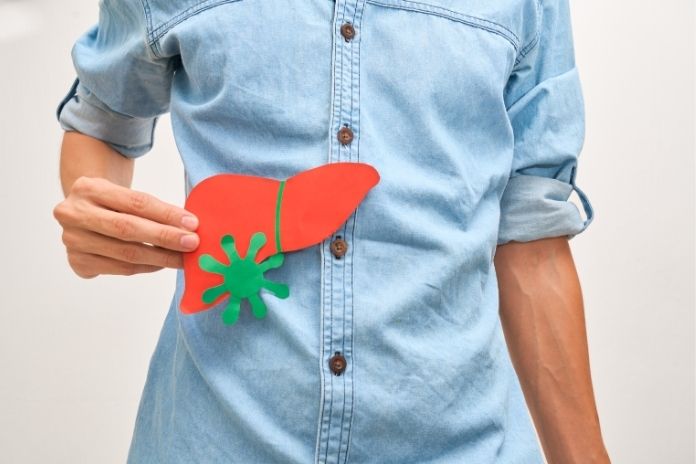
Early liver stress often shows up in ways that are subtle but still meaningful. Many people experience mild digestive issues, slight right-side discomfort, fatigue, changes in urine or stool color, or vague aches long before routine blood tests pick up anything.
Because the liver has a large reserve capacity and can compensate for a long time, paying attention to these early signs, even when labs seem normal, gives you an important chance to act.
In many cases, simple lifestyle changes, such as improving diet, managing stress, reducing sugar and alcohol intake, and getting regular physical activity, can reduce liver fat and inflammation and may help reverse early liver stress before serious damage sets in.
Understanding your body’s signals gives you a valuable opportunity to act early, far sooner than waiting for blood tests to confirm abnormalities.
References
- Liver Disease. (2025, November 7). Cleveland Clinic
- Hospitals, M. (2025, November 11). Medway Hospitals Blog | Expert Health Tips & Updates
- Symptoms – Liver Foundation. (n.d.). Liver Foundation
- Early detection of “silent” liver cirrhosis | Otsuka Pharmaceutical Co., Ltd. (n.d.). Otsuka Pharmaceutical Co., Ltd
- Mission Gastro Hospital. (2025, June 2). Ways to lower stress and its effects on liver health
- Cirrhosis – Symptoms and causes. (n.d.). Mayo Clinic
- Hospitals, M. (2025b, November 11). Medway Hospitals Blog | Expert Health Tips & Updates. medway hospitals
- Hospitals, V. (2025, May 28). Early symptoms of liver Damage | 100% Best Treatments. VS Hospitals
- Symptoms of liver disease – British Liver Trust. (2025, May 30). British Liver Trust
- Paul, I. (2025, November 5). Early signs of liver cirrhosis you must not ignore
- Kapoor, A. (2025, November 7). Hepatocellular carcinoma symptoms: When to see a liver specialist
- Rivera, W. (2025, January 7). The Stages of liver Disease – American Liver Foundation
- Poonputt Chotiprasidhi, M.D. (n.d.). The link between stress and your liver health: Digestive Disease specialists: Gastroenterology practice
- Vinmec International Hospital. (2025, January 22). Common causes and locations of liver pain
- Cirrhosis – Symptoms and causes. (n.d.-b). Mayo Clinic
- Liver Failure – End stage liver disease – UCHIcago Medicine. (n.d.)
- Symptoms & Causes of Cirrhosis. (2025, August 12). National Institute of Diabetes and Digestive and Kidney Diseases
- 14 signs of liver damage you should know. (n.d.)
- Can liver damage be reversed? – Liver Foundation. (n.d.). Liver Foundation
- Hepatitis NSW. (2025, November 18). Diet for Fatty liver repair: Foods good for liver Health
- Adminhiims. (2025, December 6). How to identify the warning signs of liver failure. Bikaner
- Symptoms – Liver Foundation. (n.d.-b). Liver Foundation
In this Article