












Losing appetite is surprisingly a very common thing. An unappealing or overwhelming food can result from stress, nausea, depression, exhaustion, or even just a simple cold. Sometimes it’s the thought of cooking that turns off our appetite. At other times, even when you’re hungry, certain smells make everything feel intolerable.
On those days when you have zero appetite, your body still needs some light nourishment. Small and easy foods that can keep your energy up, prevent dehydration, and don’t cause any discomfort, but help keep digestion going.
This article explains which foods one should eat when nothing sounds good and provides practical ideas based on the cause of the loss of appetite.
Why You Lose Appetite: Common Reasons
Loss of appetite can result from different situations throughout the day. Some of them are physical, some emotional, and temporary:
- Stress, anxiety, or emotional overload.
- Nausea or stomach discomfort
- Viral illness, cold, or flu
- Medications, antibiotics, or treatments
- Hormonal changes such as periods, pregnancy, and menopause
- Depression or burnout
- Heat, dehydration, or low blood sugar
‘During stressful events, your brain releases the “fight-or-flight” hormone, adrenaline, which slows down your digestive system. Depression triggers the production of corticotropin-releasing hormone, which also curbs your appetite.’ explains Dr Rhianna McClymont, Lead GP at Livi.
These are a few common causes of loss of appetite in many people. They explain the reasons why your body may not feel like it is ready for food.
What to Eat When Nothing Sounds Good (Gentle, Easy Options)
1. Simple Carbohydrates (Good for Nausea or Low Appetite)
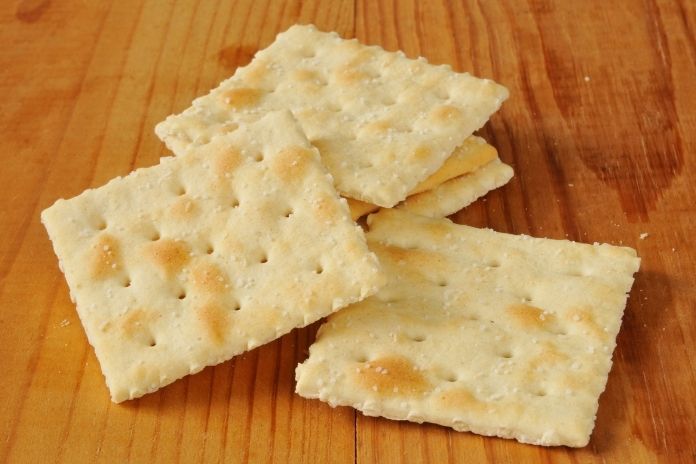
If you are feeling nauseous, dizzy, or mentally exhausted, simple carbohydrates are generally the first foods that might help. They are mild in flavor, have soft textures, and almost no smell. This promotes easier digestion.
Foods to try:
- Toast or crackers
- Plain rice or rice cakes
- Oatmeal
- Mashed potatoes
Why these work:
- Simple carbohydrates are very gentle on an unsettled stomach.
- They are digested easily, help to keep the blood sugar level stable, and are light on the stomach.
- Their “neutral” taste makes them feel safe to eat when everything else is too much to handle.
2. Hydrating Foods (For When Eating Feels Hard)
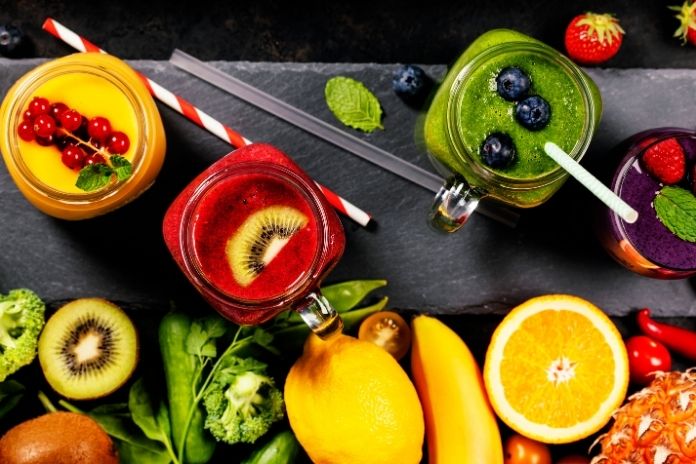
On days when chewing is difficult and nausea kills the appetite, hydrating foods are the solution that brings quick relief. They go down easily, help with dehydration, and reduce nausea.
Foods to try:
- Smoothies
- Electrolyte drinks
- Water-rich fruits like melon, grapes, and oranges
- Popsicles or ice chips
Why these work:
- Low appetite is often accompanied by dehydration, which is often overlooked.
- Hydrating foods provide lost fluids, soothe the stomach, and give vitamins and electrolytes without being heavy.
- Additionally, smoothies also provide protein and carbohydrates in a straightforward sip.
Read More: How to Increase Appetite in Older Adults: Doctor-Approved Tips and Safe Remedies
3. Warm, Comforting Foods (Good for Stress or Sickness)
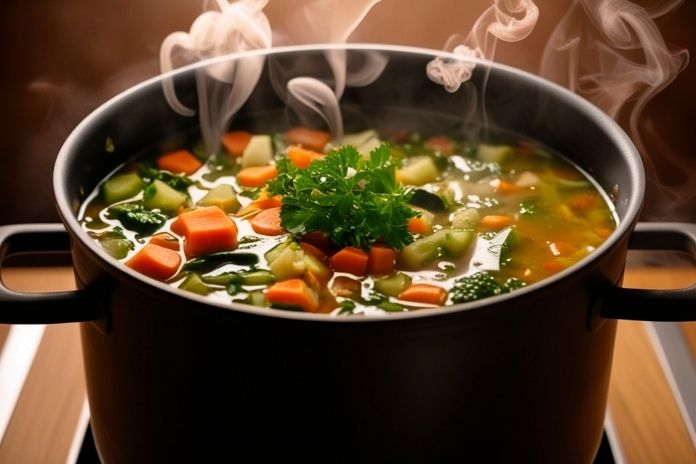
When you are stressed, tired, or sick, warm foods can naturally relax your digestive system. They are comforting, easy, and gentle not only to your stomach but also to your nervous system.
Foods to try:
- Soup or broth
- Plain noodles
- Congee or rice porridge
- Scrambled eggs
Why these work:
- Warm foods help your stomach muscles relax, improve digestion, and give you comfort when you are running low on energy.
- Broths hydrate and nourish you without leaving you feeling heavy, and eggs, on the other hand, provide soft, easy-to-digest protein.
4. Protein Options That Don’t Feel Heavy
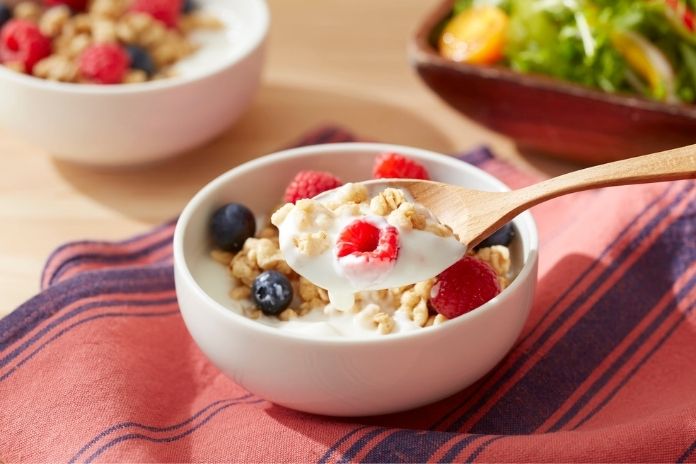
Protein is the primary source of energy, stabilizes blood sugar, and boosts the immune system. However, when one has a low appetite, heavy meats or strongly flavored foods can be very off-putting. These softer and milder choices will provide you with high-quality protein without stressing you out.
Foods to try:
- Greek yogurt
- Cottage cheese
- Soft tofu
- Peanut butter on toast
- Lightly cooked eggs
Why these work:
- These proteins are creamy, gentle, and easy to digest.
- They raise your energy level without causing bloating or heaviness.
A simple peanut-butter toast or a cup of yogurt can work as a stabilizer for your body when you can’t manage a full meal.
5. Foods for Upset Stomach or Nausea (BRAT-Style Choices)
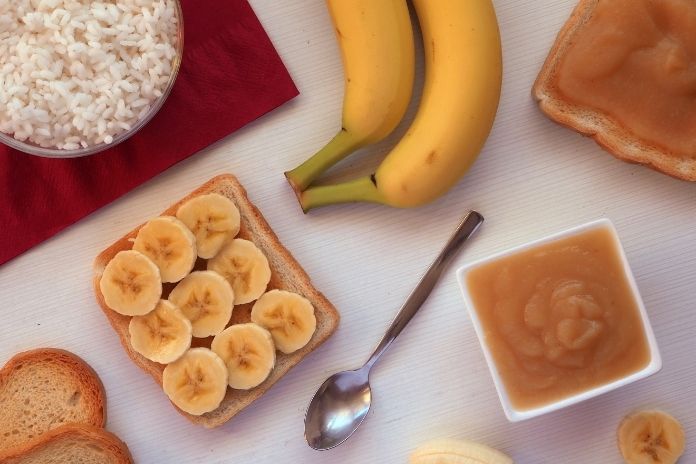
In cases where loss of appetite results from nausea, these foods can help calm the stomach and reduce irritation.
Foods to try:
- Bananas
- Rice
- Applesauce
- Toast
Why these work:
- BRAT (bananas, rice, applesauce, and toast) foods limit digestive movement and thus settle nausea.
- They have low fiber content, are bland, and are very easily digestible.
- Bananas can replace potassium, which, for instance, may be the case when you are eating very little or feeling sick.
When You Want Something Cold or Refreshing
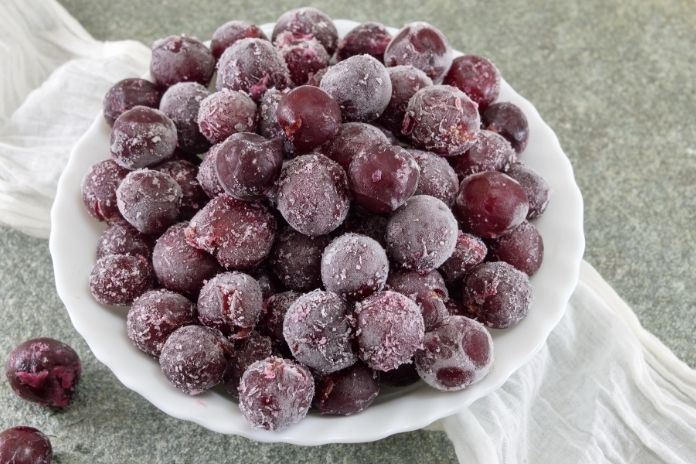
There are times when warm food feels too heavy, or the smell is overwhelming. Cold foods feel lighter and cleaner, especially during nausea, stress, or heat.
Foods to try:
- Yogurt bowls
- Smoothies with banana or berries
- Chilled fruit cups
- Frozen grapes
Why these work:
- Cold foods are comforting and less aromatic. These factors help when smells cause queasiness.
- Apart from being hydrating, they also give a gentle boost of natural sugar and electrolytes.
What to Eat Based on the Reason You Have No Appetite
1. If You’re Sick or Nauseous

Best foods:
- Ginger tea
- Clear broth
- Toast
- Bananas
- Plain rice
Why these help:
- Ginger reduces nausea, broth hydrates, and bland carbohydrates stabilize the stomach.
- These are gentle foods, easy to digest, and they won’t make symptoms worse.
Avoid:
- Spicy foods
- Greasy or fried foods
- Acidic foods (like citrus or tomato)
Why avoid:
They can irritate the stomach lining, increase acid, cause vomiting, or slow down digestion when you are already sensitive.
2. If You’re Stressed or Anxious
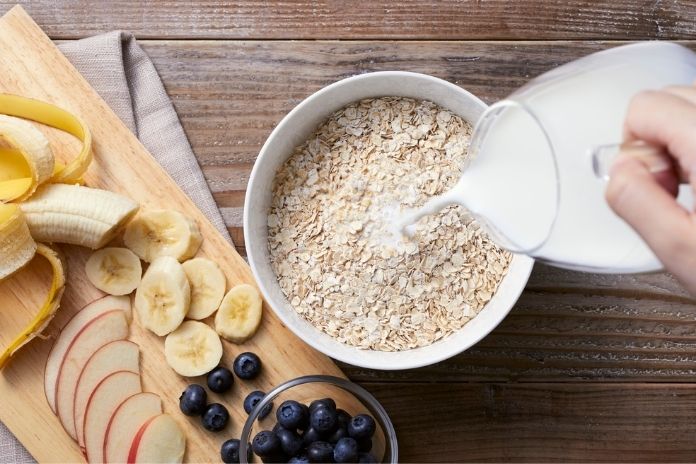
Best foods:
- Warm soups
- Oatmeal
- Plain noodles
- Herbal teas (chamomile, mint)
Why these help:
- Stress is a “fight or flight” response that slows digestion.
- Warm feeds calm the nervous system, making the stomach more receptive to eating.
- Oatmeal and noodles provide slow, steady energy that helps to stabilize mood and blood sugar.
Avoid:
- Caffeine
- High-sugar snacks
- Very salty processed foods
Why avoid:
These can intensify the feelings of jitteriness and promote the release of stress hormones. Consuming these may also lead to a quick drop in blood sugar levels. All of these might worsen anxiety.
3. If You’re Depressed or Emotionally Exhausted
Best foods:
- Smoothies
- Yogurt bowls
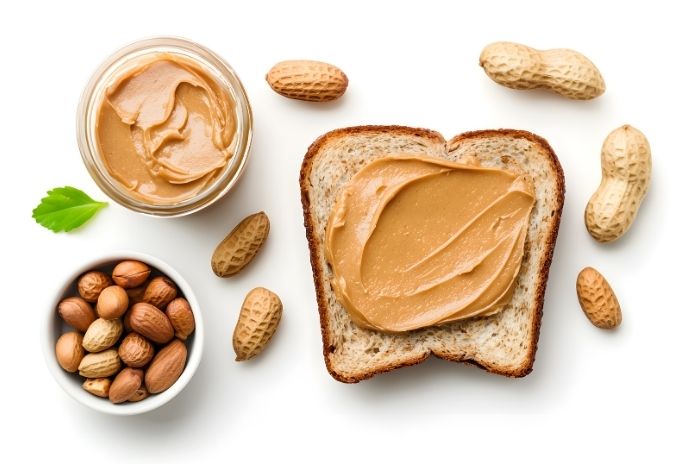
- Peanut butter toast
- Ready-made meals or soups
- Premade salads
Why these help:
- One of the symptoms of depression is that making decisions and cooking seem to be very tiring.
- These foods require minimal effort but still deliver complete nutrition.
- Smoothies, in particular, are very supportive, as they are not affected by taste fatigue and require no effort in chewing.
Avoid:
- Not eating at all
- Excessively sugary foods
Why avoid:
Not eating will make fatigue and mood changes worse, while too much sugar will cause energy peaks followed by emotional outbursts.
4. If You Are Recovering From Sickness

Best foods:
- Eggs
- Chicken soup
- Protein smoothies
- Rice bowls with tofu or egg
Why these help:
- You must take protein and electrolytes to support complete body recovery.
- These foods not only provide essential nutrients but also hydrate and support tissue repair without disrupting the digestive system.
Avoid:
- Heavy meats
- Fatty gravies
- Large portions
Heavy, greasy food requires more digestive energy, which is difficult for our bodies when recovering.
Read More: 15 Foods to Eat When You’re Sick and Don’t Have an Appetite
Quick “Meal Ideas” for When You Don’t Want to Think
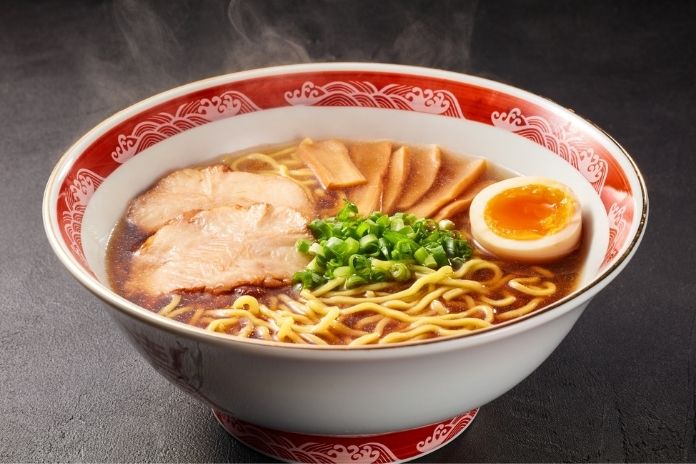
When you have little appetite, the problem is not always eating itself, but deciding what to eat. These are convenient meals and snacks that require almost no planning, chopping, or cooking. They are gentle, light, and easy to make.
Toast With Nut Butter And Banana Slices:
Soft, sweet, and comforting. Nut butter provides good fats and protein, while bananas offer quick energy without placing an extra burden on the stomach.
Greek Yogurt With Honey:
It is a “no-chew” choice that still gives protein. Honey offers a little taste lift when everything seems tasteless.
Simple Ramen With An Egg:
Usually, a warm, salty broth is comforting when appetite is low. There is no extra effort, and an egg makes the meal more nourishing.
Fruit Smoothie With Added Protein:
The best meal when solid food cannot be faced. One can blend banana, frozen berries, and yogurt and drink it slowly throughout the day.
Scrambled Eggs With Toast:
It is quick, soft, and easy to digest. Due to its mild flavor, it is a safe meal when you feel off.
Rice with steamed veggies and a splash of soy sauce
It is gentle on the digestion. Light seasoning lets you eat without feeling overwhelmed by the spices.
Chicken Broth With Noodles:
Hydrating, warm, and comforting, this is a go-to when you need nourishment but don’t want a “real meal.”
These ideas work because they don’t require energy, strong smells, or complicated decisions.
They’re simple enough that you can eat them even when nothing else feels good.
Tips to Eat Even When Nothing Sounds Good
Low appetite is not always about food but rather about how the body and mind feel at that moment. Those small changes make eating less difficult and less stressful.
- Start small. A few bites or a half cup is sufficient. Most of the time, when you actually start eating, the stomach becomes more active.
- Switch between warm and cold. If the thought of eating warm food makes you feel like vomiting, then you should take cold foods such as yogurt, smoothies, or fruit cups. If you do not like cold food, then choose broths or oatmeal.
- Use bland, predictable flavors. When you feel nauseated or stressed, plain foods are the ones to come to your rescue. Examples are toast, rice, noodles, or applesauce.
- Opt for liquids if chewing is difficult. Foods such as smoothies, soups, broths, and drinkable yogurts can provide you with nutrients without much effort.
- Have appropriate eating windows. Rather than waiting for hunger (which may not come), eat a little every 2–3 hours. This helps to keep energy level constant and appetite returns gradually.
- If you want to add some flavor without the intensity, use gentle seasonings. Ginger, cinnamon, honey, mint, or a little lemon (if you are not nauseated) can make food more appealing without overwhelming your senses.
- Prepare a relaxing place. Sometimes being relaxed can help in regaining your appetite. A quiet place, slow breathing, or a warm drink can make you feel more ready to eat.
Read More: 13 Effective Ways To Increase Your Appetite For a Healthier Body
When Appetite Loss Needs Medical Attention

Most appetite loss is temporary and becomes better once the causes, such as stress, nausea, or illness, go away.
However, certain signs indicate the time to seek help has come, not because something is wrong, but because your body needs support.
Take medical help when:
- Loss of appetite lasts for more than a week.
- Weight loss without intention.
- Signs of dehydration.
- Eating causes pain or vomiting.
- Difficulty in eating emotionally.
- Loss of appetite with fever or continuous tiredness.
The recovery will be stronger the sooner you regain your nutritional balance.
Conclusion — Eating Something Small Is Better Than Eating Nothing
Appetite varies over time and depends on stress, hormones, mood, and illness. On days when appetite is low, the main goal is to provide the body with some nourishment. A few calm bites, a smoothie, a bowl of soup, or a piece of toast are enough to nourish the body and gradually restore appetite.
Be in tune with your body, decide what is easiest, and go through each small meal calmly.
References
1. GoodRx article
GoodRx. (n.d.). What to eat when you have no appetite.
2. BMT Infonet video
BMT InfoNet. (n.d.). You are what you eat: How food choices affect recovery [Video].
3. Everyday Health – Foods to eat to fight dizziness
Everyday Health. (n.d.). Foods to eat to fight dizziness.
4. Food & Nutrition Journal article
Horcajo, J., & Mora, P. L. (2018). Smoothies: Exploring the attitudes, beliefs and behaviours of consumers and non-consumers. Food and Nutrition Journal, 6(2).
5. UCLA Health hydration article
UCLA Health. (n.d.). 15 foods that help you stay hydrated.
6. NCBI Bookshelf chapter
Hoch, C. (2019). Hydration. In StatPearls. StatPearls Publishing.
In this Article