











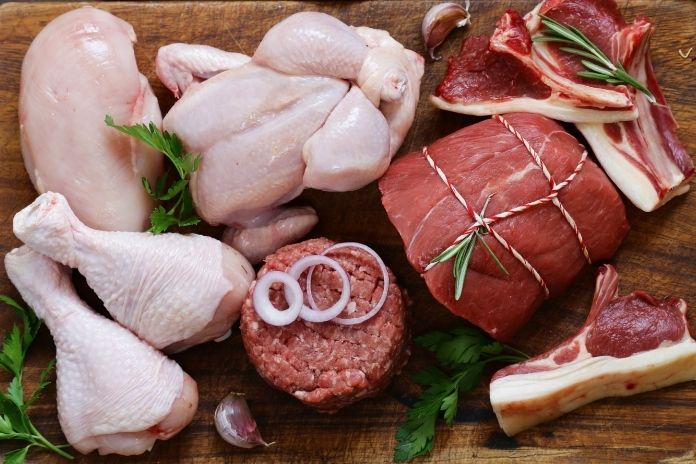
If you’ve ever finished a heavy meat-based meal and suddenly felt your forehead get warm, your upper lip get damp, or your neck start to sweat, you’re not imagining it. Plenty of people experience this. It’s casually known as meat sweats, and while it sounds like a joke, the phenomenon is real enough that researchers have studied why it happens.
Maybe you had a big plate of lamb or a double chicken burger and felt your body turning into a space heater. It may only happen after red meat or late-night barbecue. Or maybe it’s new and a little concerning.
Here’s the thing: sweating after eating meat is often normal, but in some cases, it can be a sign of an underlying issue. This guide breaks down why meat causes sweating, what’s happening inside your body, the medical conditions linked to it, and when to see a doctor.
Let’s make sense of sweating after eating meat in a way that’s human, evidence-backed, and easy to understand.
What Exactly Are “Meat Sweats”?
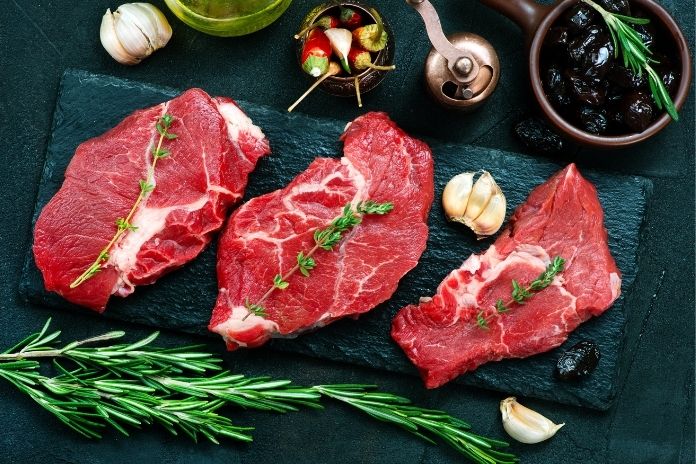
“Meat sweats” is the informal term for the sweating that can appear shortly after consuming meat or a very high-protein meal. This isn’t a formal medical condition, but it’s a real, noticeable physiological response that many people experience.
Where You Might Notice It
The sweat typically shows up in predictable areas:
- Forehead
- Scalp
- Upper lip
- Neck
- Upper back
It usually begins within 10–30 minutes after eating, particularly after a large meal or one that’s rich in fat and protein. For some, it can be uncomfortable or embarrassing, especially in social settings.
What’s Happening Inside Your Body
Meat sweats aren’t dangerous in healthy individuals. They reflect a strong metabolic response: your body is working hard to digest protein, which requires more energy and increases heat production. This process, called diet-induced thermogenesis, can trigger your sweat glands to help regulate body temperature.
For most people, it’s simply a normal reaction. But if meat sweats occur frequently or intensely, they could be linked to underlying issues such as:
- Gustatory sweating (sweating in response to food)
- Nerve disorders
- Food intolerances or sensitivities
- Diabetes-related neuropathy
Understanding why meat sweats happen is key, both for managing the discomfort and for spotting when it might indicate something more than just a heavy meal.
Why Meat Causes Sweating: The Science
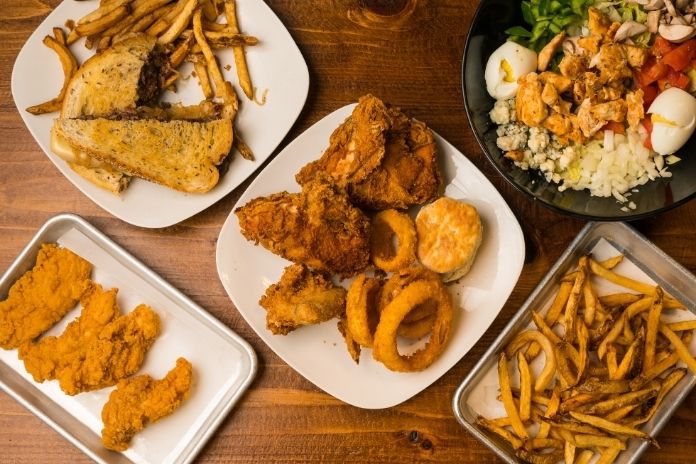
Meat sweats aren’t just a funny term; they’re a real physiological response to how your body processes protein, fat, and large meals. Understanding why it happens helps explain why some people sweat more after meat-heavy meals than others.
The Thermic Effect of Food (TEF)/Diet-Induced Thermogenesis
Protein requires more energy to digest than carbohydrates or fat, a phenomenon known as the Thermic Effect of Food (TEF) or diet-induced thermogenesis. When you eat a high-protein meal, your body burns extra calories simply to break down the protein molecules.
Here’s what happens inside your body:
- Protein digestion demands more metabolic processing.
- The liver and digestive tract work harder to metabolize amino acids.
- Core body temperature rises as chemical reactions release heat.
- Sweat glands activate to help cool your body down.
This is why even healthy individuals may experience sweating after eating steak, chicken, or other protein-heavy meals. It’s a normal part of how the body regulates heat during digestion.
High-Fat or Greasy Meat Intensifies the Effect
Fatty cuts of meat, such as pork belly, lamb, beef ribs, and fried chicken, add another layer to the “meat sweat” equation. Fat slows digestion and requires more work from your digestive system. When you combine:
- High protein content
- High fat content
- Large portion size
Your body generates significantly more metabolic heat. A 2019 review often referenced in discussions of diet-induced thermogenesis (DIT) concludes that fat is less thermogenic than protein or carbohydrate. In other words, meals high in protein or carbs tend to raise metabolic rate more than high-fat meals.
Overeating Meat or Large Portions
Portion size matters. Overeating anything raises body temperature, but oversized meat servings amplify the effect. A distended stomach increases blood flow to the digestive system, accelerating metabolism and heat generation. Sweat glands respond to help maintain core temperature.
This is why holiday feasts, buffet meals, and all-you-can-eat events are classic triggers for meat sweats. Even lean meats can cause sweating when eaten in excessive quantities due to the sheer metabolic demand.
Other Contributing Factors
Several additional factors can influence the intensity of meat sweats:
- Meal composition: Meals that combine protein with high-fat sauces or fried sides generate more heat.
- Spicy seasonings: Capsaicin in chili peppers can further stimulate sweat glands.
- Ambient temperature: Eating a hot meal in a warm room can exacerbate sweating.
- Individual metabolism: People with faster metabolic rates or higher muscle mass tend to produce more heat during digestion.
By understanding these factors, you can see that meat sweats are mostly a natural, harmless response. They reflect your body’s energy expenditure during digestion, not a sign of illness in healthy individuals. However, adjusting portion size, meal composition, or cooking methods can help minimize discomfort while still enjoying protein-rich meals.
“Meat sweats are a physical reaction some people can experience after eating large quantities of protein-rich foods,” says Verona Somarriba, Clinical Nutrition Coordinator at the Icahn School of Medicine at Mount Sinai, New York. “Eating large quantities of protein increases body temperature. The body needs to work a lot harder to break it down than it does for vegetables, fruit, fats, or grains, which may, unfortunately, lead to excess sweating.”
Medical Reasons for Sweating After Eating Meat

While meat sweats are often just a normal metabolic response, in some cases, frequent or intense sweating after eating may indicate an underlying medical issue. Understanding these causes can help you differentiate between harmless thermogenesis and something that warrants further evaluation.
Meat Intolerance
Some people struggle to digest specific types of meat, such as:
- Beef
- Pork
- Lamb
This is not a true allergy but a digestive difficulty in which enzymes can’t fully break down proteins. Symptoms often appear shortly after eating and may include:
- Sweating
- Bloating
- Nausea
- Cramping
- Gas
Digestive overload triggers a cascade of responses, including sweating, as the body works harder to process the meal. Meat intolerance varies among individuals, so keeping a food diary can help identify specific triggers.
Food Sensitivity or Mild Allergic Response
Some individuals have a mild sensitivity to meat proteins. Unlike severe allergies, these reactions are subtle but noticeable and may develop over time. Common signs include:
- Flushing
- Sweating
- Itching
- Nasal congestion
While usually not life-threatening, monitoring your reactions is essential, as sensitivities can intensify if ignored.
Gustatory Sweating (Frey’s Syndrome)
Gustatory sweating occurs when nerves that control sweating misfire during eating. This is most often seen after:
- Facial trauma
- Parotid gland surgery
- Neck surgery
- Nerve damage
Instead of triggering salivary glands, the nervous system accidentally activates sweat glands, causing sweating, typically on one side of the face or neck.
A review of the physiology and possible role of neurotrophic factors explains that Frey’s Syndrome is an aberrant nerve regeneration of the auriculotemporal nerve, leading to gustatory sweating or flushing during meals.
Diabetes-Related Gustatory Sweating
Long-standing diabetes can lead to autonomic neuropathy, which affects nerve regulation, including sweat control. Sweating after eating meat or high-protein meals may occur in areas such as:
- Scalp
- Face
- Neck
A 2021 study published in Endocrinology, Diabetes & Metabolism reports that people with diabetes have a significantly higher prevalence of Gustatory Sweating (sweating during or after eating) compared with non‑diabetic controls, roughly double the odds.
Acid Reflux or GERD
Large, greasy, or meat-heavy meals can trigger acid reflux, and severe episodes may prompt sweating. The mechanism involves the vagus nerve, which can activate sweat glands during discomfort. Symptoms often include:
- Chest heat or burning
- Sweating
- Throat discomfort
Addressing portion size, meal composition, and reflux management can reduce this type of sweating.
Hormonal Causes
Hormonal imbalances can affect thermoregulation, making post-meal sweating more pronounced. Conditions that may contribute include:
- Hyperthyroidism
- Menopause
- Anxiety disorders
- Adrenal dysfunction
In these cases, sweating may not be limited to meat consumption but can intensify during large or high-protein meals.
Bottom Line
If sweating occurs occasionally after a large or protein-heavy meal, it’s usually harmless. However, frequent, severe, or localized sweating, especially when paired with other symptoms like flushing, pain, or heartburn, warrants medical evaluation. Understanding the underlying cause can help you manage symptoms and distinguish normal “meat sweats” from potential health concerns.
Read More: The Link Between Acid Reflux and Breathing Patterns
Triggers That Make Meat Sweats Worse
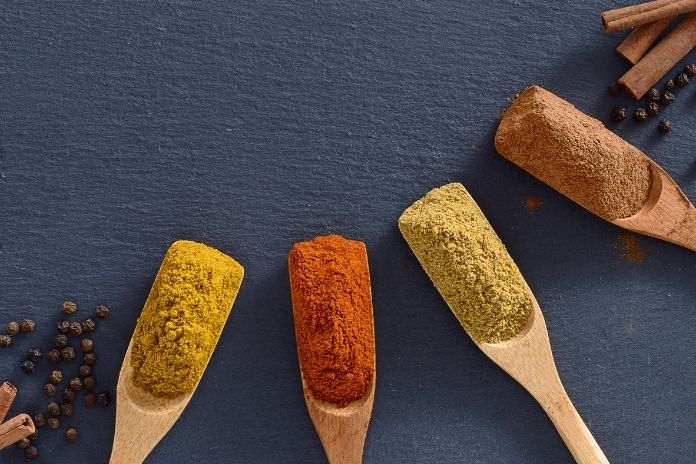
Even if meat itself is not causing a problem, certain factors can intensify sweating after a high-protein meal. Being aware of these triggers can help you manage or minimize the discomfort.
Spicy Seasonings, Pepper, Garlic, and Chili
Ingredients like chili peppers, black pepper, and garlic can amplify sweating. Capsaicin, the compound that makes chili spicy, directly stimulates sweat glands and activates heat-sensing receptors. When combined with a protein-heavy meal, this can make meat sweats more pronounced. Even a small amount of spice can trigger noticeable sweating in sensitive individuals.
Alcohol With Meat
As people who flush red when they drink know, alcohol increases blood flow to the skin (vasodilation). “This increases skin temperature and makes you feel warm,” says Professor of human and applied physiology Michael Tipton.
Drinking alcohol while eating meat, such as wine with steak or beer with barbecue, can worsen sweating. Alcohol dilates blood vessels, increases circulation, and raises body temperature. Combined with the thermic effect of protein and fat digestion, alcohol can push your body’s cooling mechanisms into overdrive, resulting in heavier sweating.
Eating in a Hot Environment
The environment matters. Eating large, protein-rich meals in a hot kitchen, outdoors during summer barbecues, or in poorly ventilated spaces amplifies meat sweats. Heat exposure adds to the internal metabolic heat generated by digestion, making sweat glands work harder to maintain core temperature.
Eating Too Fast
Fast eating can worsen meat sweats because it increases digestive stress. When food enters the stomach quickly:
- The body experiences rapid temperature spikes.
- Metabolic activity accelerates to process the meal.
- Sweat production rises as a cooling response.
Slowing down, chewing thoroughly, and taking breaks between bites can help mitigate this effect, making digestion smoother and reducing post-meal sweating.
Other Potential Amplifiers
Other factors that may subtly increase meat-related sweating include:
- Portion size: Larger servings naturally produce more heat during digestion.
- High-fat sauces or fried accompaniments: Extra fat requires more digestive effort, increasing thermogenesis.
- Hydration status: Dehydration can make sweating feel more intense.
By understanding and managing these triggers, you can enjoy protein-rich meals without excessive sweating or discomfort.
Read More: What Are The Effects Of Alcohol On Your Skin? 7 Alarming Side Effects
How to Reduce or Prevent Sweating After Eating Meat
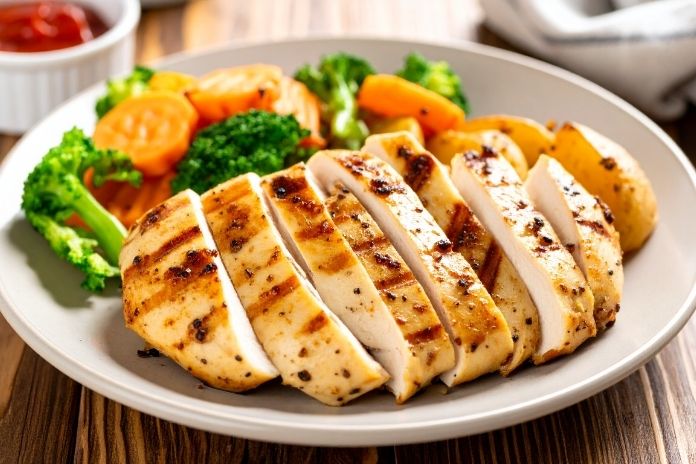
While meat sweats are often harmless, frequent or excessive sweating can be uncomfortable. Fortunately, a few practical adjustments can significantly reduce the effect without giving up protein-rich meals.
Choose Leaner Cuts
Fatty, greasy meats require more digestive effort and generate more heat. Opting for leaner cuts reduces the thermic load:
- Chicken breast
- Turkey
- Lean beef (sirloin, tenderloin)
- Pork loin
By reducing fat content, digestion becomes easier, and your body produces less heat, minimizing post-meal sweating.
Reduce Portion Sizes
Overeating is a major trigger for meat sweats. Large portions increase metabolic demand, blood flow to the gut, and core body temperature. Eating moderate amounts reduces these spikes:
- Use smaller plates to limit portions naturally.
- Stop eating when comfortably full.
- Spread protein intake across multiple meals instead of one heavy serving.
A smaller plate equals less digestive heat and less sweating.
Read More: Meal Prep Containers: 8 Best Options for Portion Control and Meal Planning
Pair Meat With Vegetables and Fiber
Fiber-rich foods slow digestion and stabilize metabolic heat. Pairing meat with vegetables or legumes lightens the digestive workload and can reduce sweating:
- Meat + salad
- Meat + steamed vegetables
- Meat + beans or lentils
These pairings also add nutrients and help balance blood sugar levels, providing multiple health benefits.
Avoid Alcohol and Spicy Additives When Possible
Spicy ingredients and alcohol amplify sweating. Capsaicin in chili peppers and heat from alcohol increase circulation and stimulate sweat glands. If you’re prone to meat sweats:
- Limit alcohol consumption during heavy meat meals.
- Use mild seasonings instead of highly spiced sauces.
- Save hot sauces or alcoholic drinks for lighter meals.
Stay Hydrated and Eat Slowly
Hydration helps your body regulate temperature, while slower eating reduces rapid metabolic spikes. Strategies include:
- Drink water before and during your meal.
- Chew food thoroughly.
- Take small bites and pace yourself.
Slowing down gives your digestive system time to process protein without overwhelming the body.
Read More: Why Eating Too Quickly Hurts Your Digestion (and How to Slow Down)
Try Alternative Protein Sources
If meat sweats are persistent or severe, switching to proteins that are easier to digest may help. These alternatives produce less thermogenic heat while still providing high-quality protein:
- Fish
- Eggs
- Tofu
- Lentils
Incorporating these foods can reduce sweating while maintaining balanced nutrition.
Bonus Tips
- Avoid eating in hot environments when consuming large portions of meat.
- Reduce fatty sauces or fried accompaniments that increase digestive heat.
- Balance meals with complex carbohydrates, such as whole grains, to support steady digestion.
With these adjustments, you can enjoy protein-rich meals while minimizing meat sweats, making high-protein eating more comfortable and sustainable.
When Sweating After Eating Meat Is Not Normal
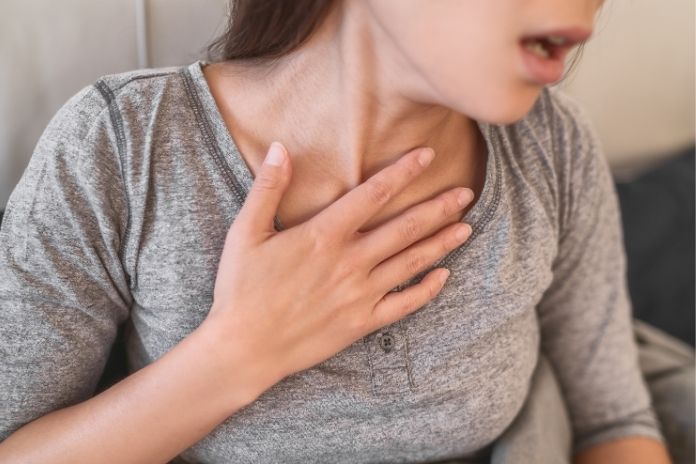
Most meat sweats are harmless and tied to normal digestion, but certain patterns signal that something more serious may be happening. Knowing the warning signs can help you identify when to seek medical evaluation.
Red Flags to Watch For
Sweating after eating becomes concerning if it occurs along with any of the following:
- Heavy sweating with every meal, regardless of portion size.
- Sudden night sweats.
- Severe flushing or palpitations.
- Shortness of breath or difficulty breathing.
- Tingling, swelling, or itching in the mouth or throat.
- Intense abdominal pain or nausea.
- Sweating even after small meat servings.
- Symptoms that started suddenly after facial, neck, or parotid gland surgery.
These patterns suggest that sweating is not just a normal thermogenic response but could be linked to an underlying health issue.
Possible Medical Causes
Persistent or severe sweating after eating meat may indicate:
- Food allergy: An immune response to specific proteins can trigger sweating and other symptoms such as swelling, itching, or digestive upset.
- Autonomic neuropathy: Often seen in long-term diabetes, this affects nerve control of sweat glands.
- Severe meat intolerance or digestive disorder: When the body cannot efficiently process certain proteins, sweating may accompany bloating, cramps, or nausea.
- Infection or inflammatory conditions: Occasionally, post-meal sweating can be part of a broader systemic response.
- Frey’s syndrome (gustatory sweating): Typically occurs after facial or neck surgery or nerve injury, leading to sweating on one side of the face during meals.
Occasional sweating after a large or protein-rich meal is usually harmless. However, if sweating is intense, frequent, or accompanied by any of the red-flag symptoms above, it should not be ignored. Medical evaluation can identify underlying conditions, guide treatment, and prevent complications.
When to See a Doctor
- Persistent sweating is interfering with daily life.
- Sweating + dizziness, nausea, or weakness.
- A history of diabetes with new sweating during meals.
- Sudden onset of sweating after head or neck surgery.
- Signs of a possible allergic reaction.
- Sweating accompanied by chest discomfort or a racing heart.
A physician may recommend:
- Blood tests (thyroid, glucose, allergy markers)
- Autonomic function testing
- Gastrointestinal evaluation
Early evaluation prevents complications, especially for diabetes-related neuropathy.
Final Summary
Sweating after eating meat, often called meat sweats, is usually caused by the thermic effect of protein. Meat takes more energy to digest, especially when portions are large or fatty. This extra metabolic work generates heat, leading to sweating. Spicy foods, alcohol, hot environments, and fast eating can make it worse.
But sometimes, sweating after eating meat signals something more: meat intolerance, food sensitivity, gustatory sweating, diabetes-related nerve issues, reflux, or hormonal imbalances. If symptoms are persistent, severe, or appear suddenly, it’s worth seeing a doctor.
Most cases can be managed with simple changes, leaner cuts, smaller meals, slower eating, better hydration, and avoiding heavy triggers. Understanding why you sweat after eating meat helps you avoid worry, stay comfortable, and know when something deserves attention.
References
- GetOpt. (n.d.). Why do I have meat sweats? All the causes + prevention tips.
- Kiger, P. J. (2018, June 19). Are meat sweats a real thing?
- Merriam‑Webster. (n.d.). Meat sweats. In Merriam‑Webster.com Dictionary.
- Watson, M. (2021, December 22). ‘Meat sweats’ explained: This is why you might feel sweaty after Christmas lunch.
- Ripley’s Believe It or Not! (2024, January 4). Meat sweats are a real thing.
- Ochsner Health. (2022, June 22). What are the meat sweats and why do they happen?
- DrAxe. (n.d.). Are meat sweats real?
- Bon Appétit. (2022, October 17). Are the meat sweats fact or fiction?
- American Council on Science and Health. (2023, July 11). Do you have meat sweats?
In this Article