













An overactive bladder (OAB) can make your life a constant juggling routine. You may often plot your route to the nearest toilet, wake up in the middle of the night, or manage sudden urges to visit the washroom. Although medications and pelvic floor therapy provide relief to many people, what usually brings the greatest difference in everyday life is something far simpler. It is your diet.
Your diet determines how your bladder acts. Certain foods cause the bladder lining to become inflamed or irritated. Certain foods promote urine production so fast that the bladder cannot keep up. Some foods trigger the nerves or muscles of the bladder, causing sudden spasms or urgency. The trick is to know the list of foods that are most likely to cause trouble and realize that it is your own body that reacts.
This article discusses the most common foods that should not be eaten by someone with an overactive bladder and the reasons for it. It also provides substitutes for the overactive bladder diet to make it less challenging. Consider it a plan that avoids bladder irritants while you still enjoy your meals.
Read More: Overactive Bladder vs. UTI: How to Know the Difference
Why Some Foods Trigger Overactive Bladder Symptoms
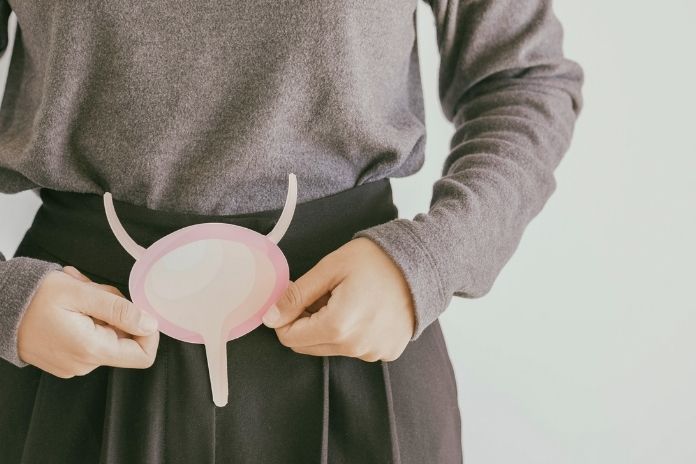
The bladder is not a simple storage tank. It has a delicate lining called the urothelium and a complicated system of nerves and muscles. When certain foods come in contact with this system, the overactive bladder symptoms can escalate rapidly.
This is what usually takes place:
Irritation of the Bladder Lining:
Acidic foods, spicy foods, alcohol, and artificial sweeteners can cause inflammation of the bladder lining. Once irritated, the nerves in the bladder become hypersensitive. A little bit of urine can suddenly feel like a full load.
Stimulation of the Detrusor Muscle:
The detrusor muscle is the one that controls bladder contractions. The use of stimulants such as caffeine, carbonation, or chocolate can result in the excessive activation of this muscle. This leads to sudden, urgent needs or spasms.
Increased Urine Production:
Certain liquids, such as alcohol, caffeinated drinks, and some herbal blends, require the kidneys to produce a larger volume of urine than usual. A bladder that fills quickly is the reason for frequent bathroom visits.
Sugar and Inflammation:
High-sugar foods may worsen inflammation in those who have sensitive bladders or suffer frequently from urinary issues. Thus, it creates a cycle where inflammation causes sensitivity, leading to a feeling of urgency.
Additives, Preservatives, and Chemicals:
Certain processed foods contain compounds that are not bladder-friendly. Among these compounds, artificial sweeteners are a significant cause. Moreover, preservatives and dyes can also be a source of trouble.
Some foods are natural overactive bladder triggers, as they either irritate or overstimulate the bladder. Once you understand these links, it will be much simpler to change your diet.
Read More: Managing Overactive Bladder: Lifestyle Changes That Help
Food and Drinks to Avoid With an Overactive Bladder
Foods and drinks are an essential part of an overactive bladder diet. These foods and drinks have been repeatedly identified as bladder irritants. They contain compounds that impact the way the bladder fills and contracts.
1. Caffeinated Drinks

Coffee, green tea, black tea, colas, energy drinks, and even ‘mild’ caffeinated beverages can worsen the symptoms of OAB to a great extent. Caffeine is a very powerful dual agent:
- First, it stimulates the bladder muscle, which then makes it contract very quickly.
- Secondly, it increases urine output. Hence, the bladder gets filled very quickly.
- Some people decide to go for decaf. However, even decaffeinated coffee still has some caffeine and natural coffee acids that can irritate sensitive bladders.
In case you have an overactive bladder and flare foods are causing the problem frequently, cutting down on caffeine should be your first step.
2. Alcohol
Alcohol, apart from being a bladder stimulant, is a strong diuretic as well. This means consuming alcohol makes:
- Your kidneys filter more fluid than they usually do.
- Your bladder fills at a quicker rate.
- The lining of your bladder becomes more sensitive.
- Your brain, which is also affected by alcohol, makes you less aware of bladder fullness.
The effects are the same for wine, beer, hard seltzers, and cocktails. For many people, even a single glass is enough to cause urinary urgency to worsen.
3. Carbonated Drinks

Carbonation may not be harmful, but the fizz might get carbonic acid into the bladder. The acid, along with the expanding bubble, can cause a combination of irritation and pressure. This may cause an issue of temporary incontinence.
This applies to:
- Soda
- Seltzer
- Sparkling water
- Fizzy fruit drinks
- Kombucha, especially carbonated varieties
Most people believe that sparkling water is a good option because it does not have sugar. However, the bubbles alone can be a significant trigger.
4. Citrus Fruits & Juices
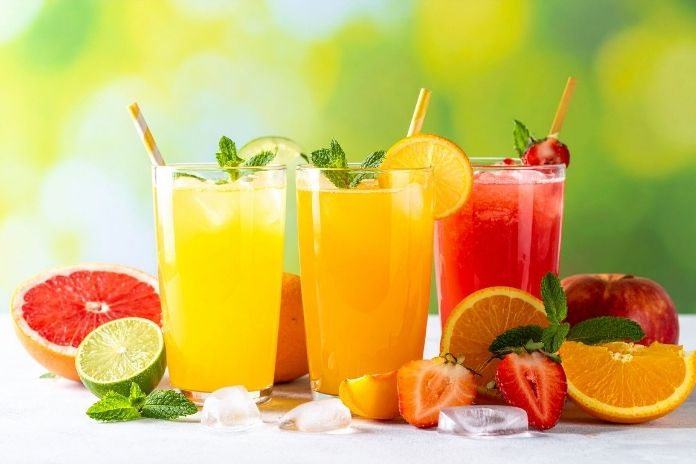
Citrus fruits such as oranges, lemons, limes, grapefruits, and pineapples are known to be some of the most acidic foods in our diets. When you eat them, they:
- Lower the pH of urine.
- Irritate an already irritated bladder.
- Increase the feeling of urgency and burning.
Juices are even more concentrated, which means that they contain more acids per serving. Thus, if acidic foods cause you urinary urgency, then citrus would be the first category that you would need to reassess.
5. Tomatoes & Tomato-Based Products
Tomatoes are acidic by nature, and their compounds can worsen bladder symptoms in the same way as citrus. For instance, foods like pasta sauces, pizza sauce, salsa, tomato soup, and ketchup frequently lead to OAB.
The conditioner products are, in fact, more acidic than fresh tomatoes. Therefore, even a small-sized serving of a tablespoon of ketchup can cause discomfort in the case of sensitive bladders.
6. Spicy Foods
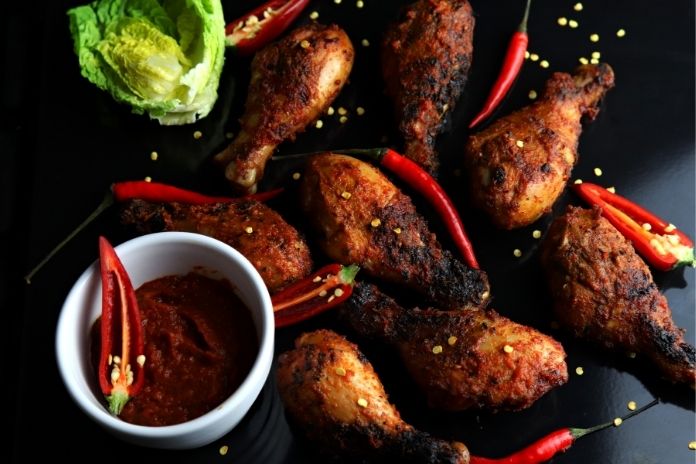
Chilies, hot sauce, pepper-heavy curries, and spicy seasonings all contain capsaicin, which is a chemical that irritates the nerve endings. If those nerves are already overactive in OAB, spicy foods can make your bladder feel full.
People who love spices may find this one difficult to adapt to. However, cutting back on the amount of spice usually leads to a significant relief of symptoms.
7. Chocolate

Chocolate comprises sugar and caffeine, rendering it a double source of bladder irritation. Dark chocolate has the highest amount of caffeine, whereas milk chocolate has less, but enough to affect some people.
White chocolate has no caffeine, but since it is high in sugar, it may still worsen symptoms in some individuals.
8. Artificial Sweeteners
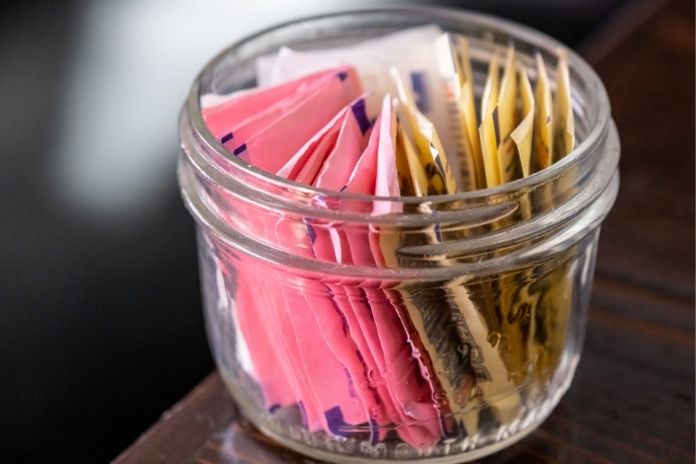
Typical sweeteners, such as aspartame, sucralose, and saccharin, are bladder irritants. They can worsen OAB symptoms even when only small amounts are consumed.
Here is where you can find them:
- Diet sodas
- Sugar-free candies
- Chewing gum
- Protein shakes
- Low-calorie snacks
Since sweeteners are not metabolized the same way as sugar, they can be more damaging to the bladder lining.
9. Acidic Foods (Beyond Citrus)
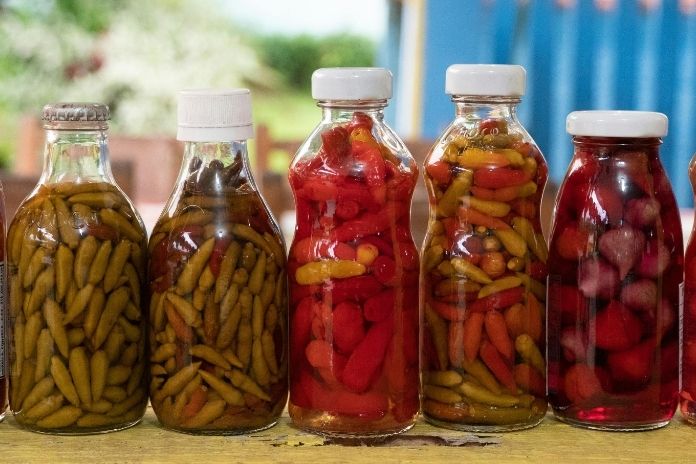
Overactive bladder symptoms may be triggered by vinegar, pickled foods, and fermented spicy foods due to their sharp acidity. Pickles, kimchi, sauerkraut, and vinegar-based dressings are the most typical examples.
Though fermented foods are beneficial for the gut, their acidity and spice content may make them an unsuitable bladder-friendly diet.
10. Sugary Foods & Drinks

Excessive sugary food consumption can lead to bladder inflammation. Inflammation can trigger overactive bladder symptoms, particularly urinary tract infections. Among sugary foods, sugary drinks are the biggest culprits because they provide sugar very quickly to the body.
Try to avoid certain products such as:
- Fruit juices
- Soft drinks
- Milkshakes
- Pastries
- Sweetened breakfast cereals
Additionally, sugar is not always the problem. The inflammatory response it causes can become a significant factor in the development of bladder hypersensitivity.
11. Onions & Garlic (for Some People)
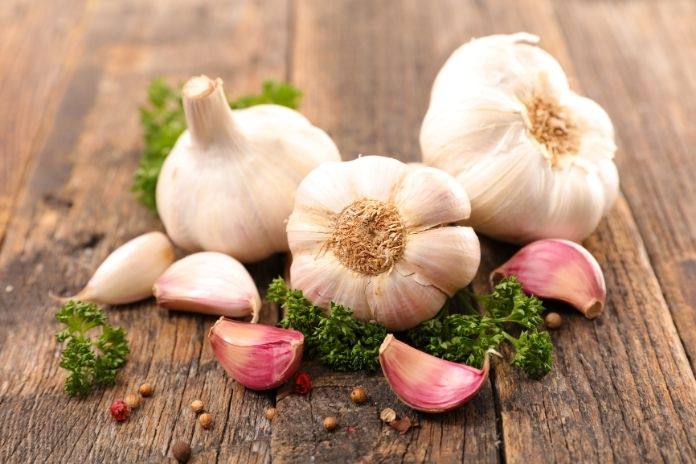
Raw onions and garlic can irritate the lining of the bladder. As a rule, cooked versions are better tolerated because cooking weakens the sharp compounds in them. However, not all people have a negative reaction to them.
Read More: Why You Always Feel Like You Have to Pee (Even After Going)
Foods That Commonly Trigger OAB Symptoms (But Vary By Person)
Some foods that do not bother the majority of people can still act as triggers for those who have a very sensitive bladder. Here is where the customization of the diet is important.
These potential triggers include:
- Dairy, as some people may find that milk, yogurt, or cheese promotes mucus formation and inflammation.
- Gluten-containing foods can be a problem for those with sensitivity or intolerance.
- Artificial colors and flavors are present in packaged snacks and drinks.
- High-fat fast food, which slows digestion, causes bloating and puts pressure on the bladder.
- Carbonated kombucha, which is fermented and fizzy, might double irritation for some.
What to Eat Instead: Bladder-Friendly Food Swaps
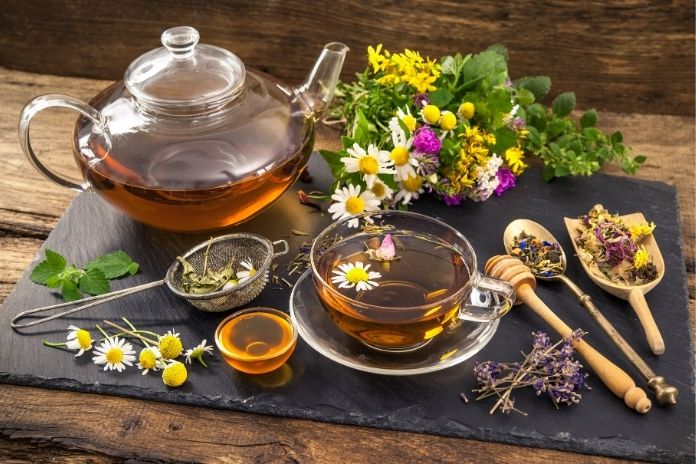
An easy way to reduce the overactive bladder symptoms while still enjoying your meals is to replace the aggravators with milder foods.
You must try going off coffee, tea, or energy drinks. Instead, try to include subtle beverages such as:
- Teas such as chamomile tea, peppermint tea, or ginger tea.
- Warm non-citrus herbal infusions.
- Low-acid decaf options.
You may try replacing citrus fruits with melons, apples, pears, blueberries, or watermelons.
Instead of tomato-based sauces, opt for:
- Roasted red pepper sauce
- Cream-based sauces
- Low-acid pasta sauces
- Olive oil + herbs
In place of spicy foods, go for:
- Basil
- Parsley
- Dill
- Thyme
- Mild spice mixes
- Garlic powder (if tolerated)
Opt for bladder-friendly snack ideas, which can be:
- Oatmeal with berries
- Plain crackers
- Low-sugar yogurt
- Hard-boiled eggs
- Rice cakes with nut butter
- Banana slices with peanut butter
- Plain popcorn
These swaps allow you to reduce the irritations without giving you the feeling that you are on a strict diet.
How to Identify Your Personal Trigger Foods

Your bladder is unlike anyone else’s. What irritates one person may be completely safe for another. That is the reason why personalization is so important.
- Keep a Bladder Diet Diary:
Record meals, drinks, symptoms, nighttime bathroom trips, and any flare patterns. Within a week, you may see consistent correlations. This will help you understand triggers and act accordingly.
- Use the Elimination Method:
Use the elimination method and take out one suspected trigger at a time for several days. If symptoms get better, then reintroduce food in a small amount and observe for changes.
- Consider Other Influences:
When you have OAB, the hydration patterns, stress levels, menstrual cycle changes, gut issues, or medications can worsen symptoms even if there are no dietary triggers.
Knowing these tips helps you live a lifestyle that is good for your bladder and suits your body.
Summary
Handling an overactive bladder becomes much simpler when you know which foods irritate the bladder and which ones help bring relief to the symptoms. Caffeine, alcohol, carbonated drinks, citrus, tomatoes, spicy foods, artificial sweeteners, and sugary foods are some of the most common irritants that trigger urgency and frequency.
By understanding your overactive bladder triggers and making bladder-friendly swaps, you will experience fewer flare-ups, better control, and more daily comfort.
References
- https://www.jogohealth.in/overactive-bladder-diet-tips/
- https://www.webmd.com/urinary-incontinence-oab/food-drink
- https://batonrougeclinic.com/news-education/overactive-bladder-avoid-these-9-foods/
- https://ugatl.com/services/overactive-bladder/foods-that-irritate-the-bladder-and-urethra/
- https://www.gaurology.com/dietary-triggers-of-urinary-incontinence/
- https://aeroflowurology.com/blog/10-diet-changes-your-bladder-will-love
- https://www.ncbi.nlm.nih.gov/books/NBK482181/
- https://pmc.ncbi.nlm.nih.gov/articles/PMC12095191/
In this Article