













Salad has a stellar reputation among foods and is the face of healthy eating and weight loss. You can’t go wrong with a salad, whether you want to boost your fruit and vegetable intake, lose weight, or simply enjoy a satisfying meal.
In reality, though, not every salad is made equally. Eating salads every day does not always ensure good health, even if the salad vegetables are considered quite nutritious.
Actually, several pitfalls might make your “healthy choice” less advantageous, such as relying on unhealthy dressings or neglecting essential nutrients. This article explains when salads aren’t enough, what constitutes a well-balanced salad, and how to make eating salads daily a wise, long-lasting habit.
Read More: Iron-Rich Leafy Green Salad: Combat Anemia Deliciously
What Makes a Salad Healthy — and What Doesn’t
“I only ate salad for dinner last night” conjures a light meal of lettuce and other green leaves, with a little dressing, a bit of salt, and perhaps some crunchy pieces of pepper, cucumber, tomato, garlic, or onions. Yes, that would make a light and nutritious salad, particularly if the primary ingredients were fresh and sourced from your garden.
However, not every salad is healthy. To make our salad bowls tasty, we use various unhealthy fats. We use too much salt, which makes food taste good, but it can also raise blood sodium levels. We need eggs, fried meat or fats, and simple carbohydrates. The salad dressings we use are also too rich because they contain sugar, mayonnaise, cream, cheese, and oil.
A key component of nutrition is balance. We can also upset the balance of any food, even for our salads. Do you like mayonnaise dressing? Do you want some fried meat pieces or perhaps croutons? However, a little of this is all right, but sometimes we wind up eating fried chicken with bread and green leaf dressing.
But eating a bowl of vegetables without fat isn’t a good plan because our bodies can’t use vitamins A, D, E, and K without healthy fat.
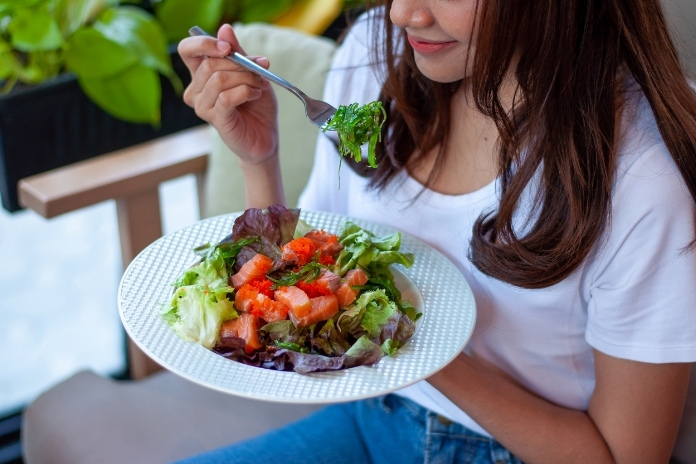
Please don’t overdo it, then. A delicious, low-GI and low-GL light dinner is lettuce, a grilled salmon fillet, a little sliced tomato, and olive oil.
“A common misconception is that salads contain vegetables and nothing else, and eating them will leave you feeling unsatisfied and hungry,” says Brittany DeLaurentis, RD, who recommends adding a protein, like cheese, tofu, beans, chicken, or a boiled egg, to increase the satiety factor.
Why Daily Salad Eating Can Go Wrong
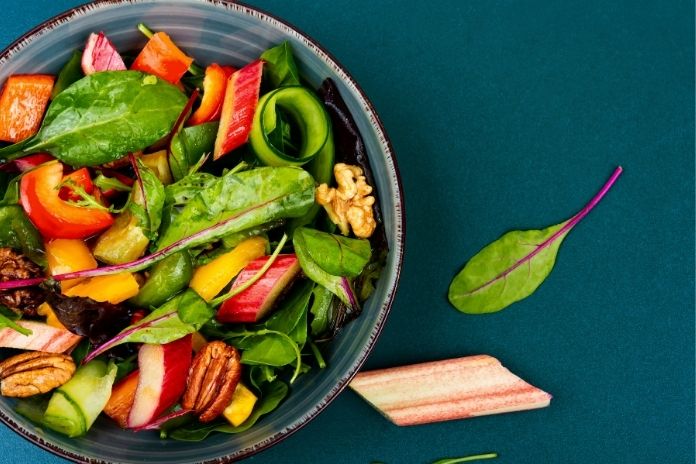
When you want to add a lot of fresh veggies and a beautiful dressing to make a complete dinner, salads are frequently a good choice. It’s fresh, light, and incredibly nourishing. But in certain situations, your salad might be more detrimental to your health than beneficial:
Ignoring Protein: You need more than produce when preparing a salad as a meal. “I have a motto: ‘No wimpy salads,’” says Samantha Cassetty, RD, a registered dietitian who practices in New York City and is a co-author of Sugar Shock. “People think of salad as this wimpy meal that’s not very filling or exciting.” To remedy that, she advises including some protein and fat to make it more satiating. Good choices include fish, poultry, avocado, cheese, eggs, almonds, and beans.
Packaged Dressings: Using prepackaged salad dressings can save you time and effort when making salads, but read the ingredient list to make sure you’re not adding saturated fat, high sodium, or artificial additives you wouldn’t use in a homemade dressing. Cassetty says a lot of store-bought dressings can be sneaky sources of added sugar, too.
Body Type and Salads: Although most people eat salads to lose weight, this depends on your body type. For some body types, eating too many moist foods, such as salads, causes the body to retain moisture, making weight loss more difficult.
Too Many Raw Vegetables: While occasionally consuming fresh, raw vegetables may be beneficial, consuming too many can hinder their breakdown and digestion. You can have bloating, indigestion, or gas.
Choose Organic Produce: Avoid vegetables grown with fertilizers and pesticides, and choose organic produce instead. Researchers have linked genetically modified (GMO) crops to numerous chronic illnesses and ailments.
Watch Your Oils: A distinction must be made between healthy and bad fats. When added to salads, processed and refined oils can raise LDL cholesterol and increase the risk of coronary heart disease.
Read More: Immune-Boosting Citrus Salad: Spinach, Berries, and Almonds Galore
How to Make Daily Salad Eating Work for You

If you develop the habit correctly, eating a salad every day can be a wise and fulfilling choice. The secret is attentiveness, variety, and balance.
Put together the following:
- Two parts vegetables, such as roasted vegetables, diced peppers, cucumbers, or tomatoes, or leafy greens.
- Quinoa, brown rice, sweet potatoes, butternut squash, and fresh or dried fruit are examples of one-part carbohydrates.
- Protein-rich foods include tofu, beans, lentils, and eggs.
- Plant-based fat sources include avocado, olives, and oil-based dressings. Some salads pair well with cheese; consider a Greek salad with feta or a salad with beets and goat cheese.
- Crunchy bites like whole-grain crackers or chips, nuts, or seeds.
- For taste, you can add seasonings like Italian, Greek, or everything-but-the-bagel in addition to the dressing.
- Lastly, consider context and timing. While a heartier salad with grains and protein is appropriate for dinner, a lighter salad would be more suitable for lunch.
Conclusion
A daily salad can be a healthy habit, but it’s not always the case. How you prepare your salad, when you eat it, and what you serve it with will determine the real advantages. For a bowl of greens to be truly nourishing and filling, it must contain the proper balance of protein, fiber, good fats, and color.
Don’t assume that “salad = done.” Instead, view it as a single, potent component of a well-balanced meal rather than the entire thing. With too many creamy dressings, too much storage, or too slight variation, even the healthiest salad might lose its appeal.
Pay attention to calories, freshness, preparation, and your overall lifestyle if you want to reap the full benefits.
Read More: Savory Heart-Healthy Salmon Salad: A Nutritious Omega-3 Boost
FAQs
Can I really eat salad every day and be sure I’m getting enough nutrition?
A great way to increase your vegetable intake is to eat a salad every day. Salads ensure that you ingest a wide range of nutrients and support general health and well-being by providing a variety of vegetables in an easy and pleasurable way.
What are the worst ingredients I should avoid in a “healthy” salad?
To keep a salad healthy, avoid high-calorie, high-fat, and high-sugar ingredients such as fried meats, creamy dressings, and excessive cheese.
Is it bad to eat a raw salad for dinner?
Dr. Maximilian Schubert cites several studies indicating that eating raw foods and salads in the evening might not be the healthiest option. “A study in the journal ‘Food & Function’ discovered that because raw foods contain a lot of fiber, they can lead to bloating and digestive issues.
How many calories should a meal-sized salad have?
To be substantial, a meal-sized salad should ideally include 500–600 calories, though this may vary widely depending on the components.
Can pre-packaged salad kits be just as healthy as homemade salads?
Homemade salads are frequently a healthier option since you have complete control over the ingredients, but pre-packaged salad kits can still be nutritious.
References
- https://www.eatingwell.com/article/8035429/is-salad-good-for-you
- https://www.eatthis.com/news-what-happens-body-eat-salad-every-day
- https://www.aol.com/happens-body-eat-salad-every-182347288.html
- https://www.parakeetcafe.com/why-your-salad-might-not-be-as-healthy-as-you-think
- https://usa.24alife.com/nutrition/not-every-salad-is-healthy
- https://www.brittanylynnnutrition.com/about-me
- https://www.everydayhealth.com/diet-nutrition/is-your-salad-healthy-ways-you-might-be-sabotaging-it
- https://mangia.nyc/is-eating-lots-of-salads-good
- https://www.lybrate.com/topic/how-your-salad-maybe-causing-more-harm-than-good/b650527f1766ca6af4eef6d1f14ed314
- https://wellnoa.com/blogs/vitality-spot/the-truth-about-healthy-eating-it-s-not-all-salad-and-no-fun
- https://www.vogue.in/content/why-you-should-not-eat-salads-after-4-pm-according-to-experts
In this Article