












Traction alopecia doesn’t get the same attention as genetic or hormonal hair loss, but it’s far more common than people realize, and, in many cases, completely preventable. This condition develops when constant pulling or tension weakens the hair follicles, causing them to thin, break, or fall out entirely.
It often starts quietly: a tight ponytail that feels a little uncomfortable, braids that tug near the temples, or a helmet that rubs the same area day after day. Over time, that pressure accumulates and begins to damage the follicle at the root.
Anyone can develop traction alopecia, but people who regularly wear tight hairstyles, protective styles, extensions, weaves, headbands, turbans, or helmets face a higher risk. Athletes, dancers, individuals wearing religious head coverings, and people in certain occupations are especially vulnerable.
The reassuring part is that early traction alopecia is reversible if you recognize the signs, loosen the tension, and give the scalp room to recover. But prolonged traction can scar the follicles, making the hair loss permanent.
This article breaks down exactly how traction alopecia develops, what early symptoms look like, who’s most at risk, how to prevent it, and the medical treatments available when damage occurs.
What Is Traction Alopecia?
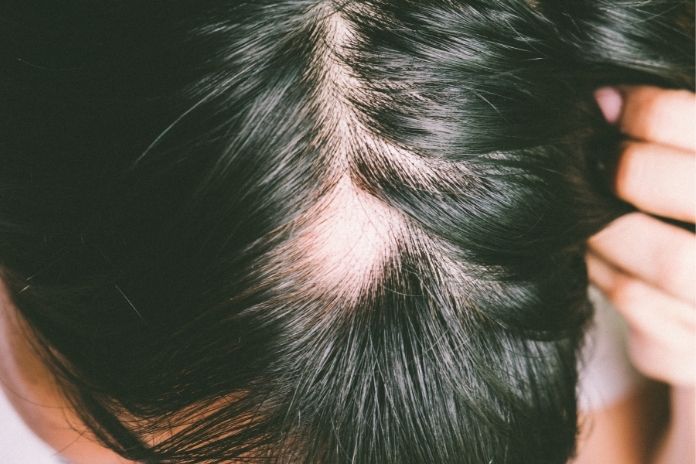
Traction alopecia is a form of hair loss caused by repeated mechanical pulling, friction, or tension on the hair shaft. Unlike androgenetic alopecia, better known as male or female pattern baldness, this condition isn’t driven by hormones or genetics. It’s caused by external stress on the follicles.
The AAD says that constantly wearing tight braided, pinned, or tightly tied-back hairstyles, like cornrows, weaves, buns, ponytails, or tightly pulled up-dos, can gradually damage hair follicles. If the tension continues over time, this repeated stress may eventually stop hair growth in that area, leading to permanent hair loss.
This condition affects all genders, ages, and hair types, but it’s especially common among women, people with tightly textured hair who frequently use protective styles, and individuals who wear occupational or athletic headgear. Because it often starts gradually, many people don’t notice the early signs until significant thinning has occurred.
How Hairstyles, Headwear and Habits Cause Hair Loss
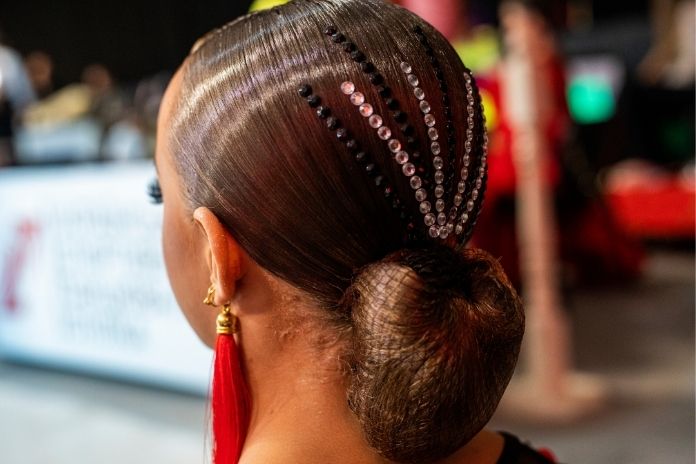
Hair loss isn’t always about genetics or medical conditions; everyday styling choices, headwear, and habitual behaviors can quietly take a toll on your scalp. What starts as minor tension or friction often accumulates over months or years, gradually weakening follicles and triggering shedding.
Understanding how these everyday factors contribute to hair thinning can help you make simple adjustments that protect your hair’s health and longevity.
1. Hairstyles That Pull on the Roots
Many popular hairstyles place constant tension on the scalp, especially around the temples, nape, and hairline, areas with naturally finer and more fragile hair. Tight ponytails, slicked-back buns, braids, cornrows, dreadlocks, extensions, weaves, and top knots all exert pressure that weakens the follicle anchoring system.
Dr. Crystal Aguh explains that traction-related hair loss is especially likely when tight hairstyles are combined with chemical relaxers, dyes, or heat treatments. The hair shaft becomes more vulnerable, meaning even light tension can trigger breakage or shedding.
Tension also reduces blood flow to the scalp. Reduced circulation undermines nutrient delivery to the follicle, accelerating thinning and weakening new hair growth. When this pattern continues for months or years, the follicle becomes chronically inflamed and eventually stops producing hair.
2. Accessories and Headwear That Increase Tension
According to dermatology sources, wearing helmets, tight caps, headbands, or scarves can contribute to traction alopecia – “the constant rubbing of a hat, head scarf, or other hair covering over the hair can also lead to traction alopecia, especially if you pull your hair back tightly before covering it.”
The edges of helmets and athletic headbands often sit directly along the frontal hairline, right where traction alopecia commonly appears. Over time, friction against the same area triggers inflammation, weakening the follicle.
Individuals who wear turbans or tightly wrapped scarves may also experience similar patterns. The constant wrapping motion pulls on the hairline, while the fabric creates friction each time it shifts, especially during movement or exercise.
3. Habitual or Occupational Causes
Some careers and activities create environments where tight hairstyles are standard:
- Dancers who secure their buns tightly for rehearsals and performances.
- Medical personnel who wear caps for long shifts.
- Sports players wear helmets for hours.
- Military personnel with strict grooming codes.
There are also behavioral habits that mimic traction: twisting, pulling, or playing with the same strands repeatedly. While not the same as trichotillomania, these habits create repetitive stress injuries that weaken hair over time.
Signs and Symptoms: How to Recognize Traction Alopecia Early
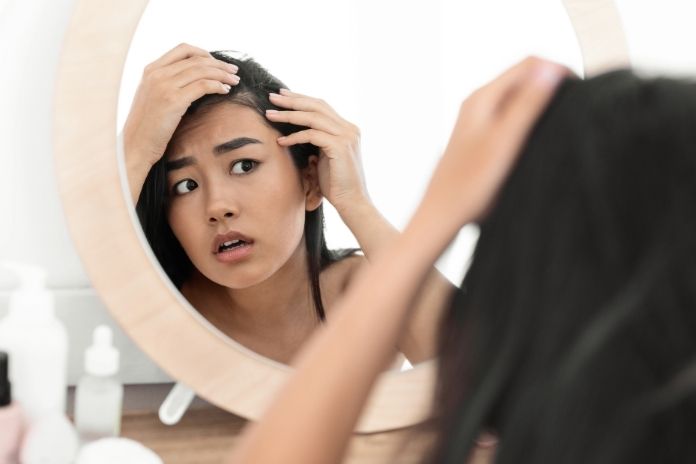
Traction alopecia often develops slowly, making early detection challenging. The damage starts at the roots, so subtle signs like slight thinning or scalp sensitivity can be easily overlooked. Catching these warning signals early is crucial to preventing permanent hair loss. Simple changes to hairstyles or accessories at this stage can make a significant difference.
Early recognition is crucial because this condition progresses slowly and quietly.
Common early signs include:
- Gradual thinning near the edges of the scalp, especially the temples or hairline.
- Short, broken hairs or uneven lengths around styled areas.
- Itching, tenderness, redness, or tiny bumps where tension is applied (folliculitis).
- Flaking or inflammation along braid lines or under extensions.
- A feeling of relief when loosening the hairstyle or removing accessories.
As damage continues, more visible signs appear:
- Receding hairline in a distinctive “crescent” pattern.
- Thinning behind the ears where extensions or braids pull.
- Smooth, shiny patches where hair no longer grows, a sign of scarring.
Pain is a warning sign. Healthy hairstyles should never hurt, feel too tight, or cause headaches. If loosening the hair brings immediate relief, it’s a sign that tension was excessive.
Who’s Most at Risk?
Traction alopecia affects a wide range of people, but certain groups have a higher likelihood of developing it due to styling patterns or lifestyle factors.
Higher-risk groups include:
- Individuals who frequently wear tight hairstyles or extensions.
- Women of African descent, due to cultural styles like braids, weaves, and locs, combined with relaxers.
- Children whose hairlines are delicate and easily overstressed.
- Athletes who wear tight buns, ponytails, or helmets.
- Professionals who wear hats, caps, or protective gear daily.
- People who use chemical relaxers, heat tools, or dyes, which weaken the hair shaft.
The Cleveland Clinic warns that when someone is undergoing hair-loss treatment, they should avoid using chemical straighteners, dyes, or relaxers, because these can damage the hair and scalp. Understanding your risk helps identify early symptoms and adjust habits before permanent damage develops.
Read More: How to Tell If Your Hair Is Healthy: Signs to Look For (And Fixes If It’s Not)
Prevention: How to Protect Your Hair and Scalp
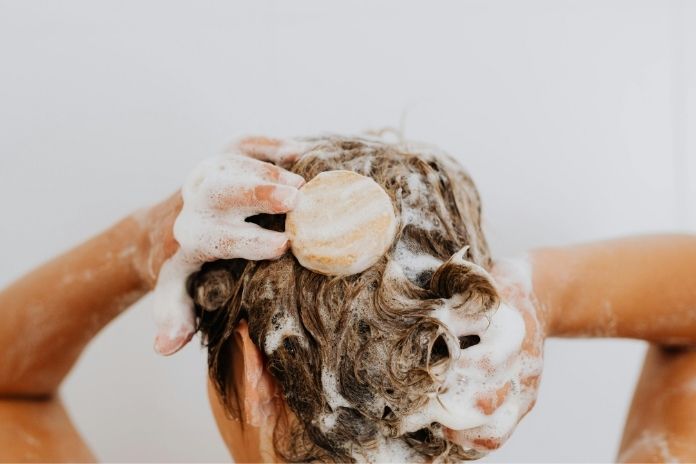
Preventing traction alopecia starts with reducing tension and giving your hair the care it needs. Simple changes in styling, hair care routines, and protective techniques can protect follicles from damage. Early attention keeps hair healthy and reduces the risk of permanent loss.
1. Choose Low-Tension Styles
The simplest and most effective prevention strategy is to reduce mechanical stress. Looser hairstyles, low buns, loose braids, and natural curls place far less pressure on the follicles. Rotating hairstyles helps prevent repeated stress on the same regions. If a style feels tight, painful, or gives you a headache, it’s too tight. Pain is a message from the follicle.
2. Give Your Hair Regular Breaks
Hair needs recovery time. Protective styles offer convenience, but shouldn’t be worn continuously for months.
Healthy habits include:
- Taking breaks between braided or sewn-in styles.
- Avoid sleeping with tightly pulled hair.
- Removing heavy extensions before they begin to weigh down the roots.
- Using satin or silk pillowcases to reduce nighttime friction.
These changes reduce scalp inflammation, breakage, and tension.
3. Scalp and Hair Care Techniques
A healthy scalp is better equipped to withstand mechanical stress.
Gentle hair care practices include:
- Using a mild shampoo to remove buildup without stripping oils.
- Moisturizing the scalp with lightweight oils like jojoba or argan.
- Avoiding frequent heat-styling or chemical relaxers.
- Gently massaging the scalp to improve circulation.
- Applying leave-in conditioners to reduce friction in textured hair.
Dermatologists emphasize that moisturized hair is more pliable and resists breakage better than dry, brittle strands.
4. Protective Styling Done Right
Protective styles only work when installed and maintained correctly.
Best practices include:
- Asking the stylist to avoid excessive pulling, especially at the hairline.
- Choosing lightweight extensions instead of heavy ones.
- Limiting wear time to 6–8 weeks.
- Ensuring braids or twists are not too thin, as thin braids create more tension.
- Leaving the edges out instead of pulling them tightly.
Good protective styling should reduce breakage, not contribute to it.
In an article reviewing braided styles and hair loss, experts note that braided or extension styles, if installed or maintained with excessive tension, can cause scalp damage and hair loss. They recommend that such styles be applied “with as little traction as possible,” and that heavy extensions and frequent rewiring or tension should be avoided.
Read More: Healthy Hair, Happy You: Top 8 Hair Growth Supplements for Stronger Locks
Treatment: Can Hair Grow Back?
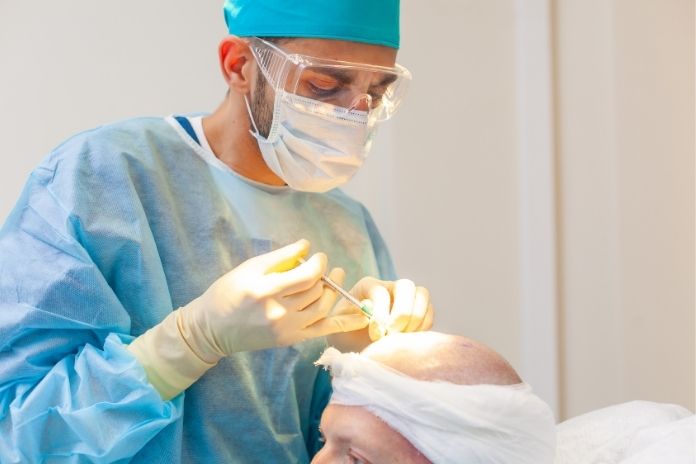
Early traction alopecia is reversible, but advanced cases require medical care or surgical intervention.
1. Early-Stage Treatment
The most crucial step is eliminating the source of tension immediately. Without removing the cause, no treatment, natural or medical, will work.
Once tension is stopped:
- Inflamed follicles begin healing.
- New growth may appear within several months.
- Breakage decreases.
- Scalp tenderness subsides.
Topical minoxidil (2–5%) may stimulate regrowth by increasing blood flow and prolonging the growth phase of the hair cycle. It doesn’t fix the underlying cause, but it supports faster recovery. A nutrient-dense diet with adequate protein, iron, vitamin D, and omega-3 fatty acids also creates a healthier environment for regrowth.
In the review on traction alopecia, authors note that the first step in management is “discontinuing hairstyles that exert prolonged tension on the hair,” along with patient education. They say that for early, non-scarring cases, topical or intralesional corticosteroids may reduce inflammation, and minoxidil may support hair regrowth.
2. Medical Treatments for Moderate Cases
Dermatologists often combine treatments based on the level of inflammation and the severity of damage.
Potential interventions include:
- Topical or Intralesional Corticosteroids: Used when inflammation or folliculitis is present. They calm the immune response and reduce swelling around the follicle.
- Antibiotic Topicals or Orals: These are used to treat bacterial folliculitis that sometimes develops under tight styles or extensions.
- Platelet-Rich Plasma (PRP) Therapy: PRP involves injecting concentrated platelets to stimulate healing and growth. It’s used in select cases and works best when follicles are still active.
Dermatologists stress that consistency matters; early traction alopecia typically responds well when tension is removed and the scalp is treated.
3. Advanced or Scarring Stage
When traction alopecia progresses for years, the follicle becomes fibrotic and stops functioning. At this point, regrowth is unlikely without surgical intervention.
Hair Transplant Surgery
Follicular unit transplantation (FUT) or follicular unit extraction (FUE) can restore hair in scarred regions when the surrounding hair is healthy.
Cosmetic Alternatives
For those avoiding surgery:
- Wigs or toppers.
- Scalp micropigmentation.
- Hair fibers for mild thinning.
These options offer coverage when biological regrowth is no longer possible.
Recovery and Long-Term Hair Health
Regrowth takes time. Even in early cases, visible improvement may take 3–6 months because follicles need to complete a full growth cycle.
Healthy long-term habits include:
- Continuing low-tension hairstyles
- Reducing chemical treatments
- Maintaining scalp cleanliness
- Protecting edges and hairline
- Staying mindful of tight headwear
Hair loss affects emotional well-being, so support from dermatologists, counselors, and online communities can be valuable for individuals coping with the psychological impact.
The overarching lesson: traction alopecia is preventable, but once follicles scar, the damage is permanent. Prevention remains the strongest treatment.
Read More: Hair Cycling Explained: The TikTok Trend That’s Changing Hair Care Routines
Quick Recap
Traction alopecia develops when repeated tension and stress on hair follicles gradually weaken them, leading to thinning and hair loss. Those who frequently wear tight hairstyles, extensions, or headgear are most at risk, but early detection makes a big difference.
In the initial stages, simply adjusting styling habits and giving the hair regular breaks can help follicles recover, making hair loss largely reversible. As the condition progresses, inflammation or persistent damage may require medical intervention, including topical treatments or therapies that reduce irritation and support regrowth.
In more advanced cases where follicles are permanently scarred, surgical or cosmetic procedures such as hair transplants may be the only effective solutions. Recognizing the signs early, like thinning along the hairline, breakage, or tenderness, can prevent these outcomes.
Ultimately, prevention is the most effective strategy. Mindful styling, low-tension hairstyles, protective hair care practices, and regular scalp maintenance preserve follicle health over time. By prioritizing these habits, individuals can maintain strong, healthy hair and minimize the long-term consequences of traction alopecia.
FAQs
Is traction alopecia reversible?
Yes, traction alopecia can be reversed if addressed early. Removing the source of tension allows hair follicles to recover. Scalp care and gentle styling support regrowth. Topical treatments may assist in some cases. Once scarring occurs, however, follicles are permanently damaged, and regrowth becomes unlikely.
How long does it take to see regrowth?
Regrowth varies depending on the severity and duration of tension. Most people notice improvement within 3–6 months after changing hairstyles and practicing proper scalp care. Consistency is key, regular, gentle handling, and avoiding stress on the hair accelerate recovery. Some may see results sooner, while others may take longer. Advanced cases may need additional treatments to aid regrowth.
Can minoxidil help traction alopecia?
Minoxidil can support hair regrowth in early-stage traction alopecia. It works best when combined with tension reduction and proper scalp care. It cannot repair follicles that have been permanently scarred. Users should apply it consistently for several months to see results. Consulting a dermatologist ensures proper use and expectations.
What hairstyles are safest for preventing traction alopecia?
Safe hairstyles are low-tension and do not pull tightly on the scalp. Examples include loose buns, twist-outs, natural curls, low ponytails, and styles that leave the hairline free. Rotating hairstyles regularly reduces stress on the same areas. Avoiding very thin braids or heavy extensions is important. Protective styles work best when combined with proper hair care.
Does wearing a helmet cause traction alopecia?
Long-term helmet use can cause friction and mild hair loss along the hairline. This risk increases if the helmet is worn tightly or for many hours daily. Using a padded liner or wearing the hair loosely underneath reduces pressure and friction. Alternating helmets with low-tension hairstyles helps protect follicles. Awareness and simple adjustments prevent long-term damage.
Are children at risk?
Yes, children’s hair follicles are delicate and susceptible to traction damage. Tight braids, ponytails, or headgear can lead to early thinning or breakage. Gentle, low-tension styles are essential for preventing stress on young scalps. Limiting the duration of pulled hairstyles and regular breaks helps maintain healthy growth. Early education on proper hair care can prevent long-term issues.
References
- https://www.aad.org/public/diseases/hair-loss/causes/hairstyles
- https://www.ncbi.nlm.nih.gov/books/NBK470434/
- https://en.wikipedia.org/wiki/Traction_alopecia
- https://timesofindia.indiatimes.com/life-style/beauty/traction-alopecia-is-your-tight-hairstyle-the-real-reason-behind-your-hair-loss/articleshow/123747283.cms
- https://dermatologyofct.com/can-certain-hair-styling-cause-hair-loss-traction-alopecia/
- https://hairprptreatmentpune.com/hair-fall-hairstyles-causes-prevention/
- https://hairmed.center/en/article/traction-alopecia/
- https://knowyourskin.britishskinfoundation.org.uk/condition/traction-alopecia/
- https://www.skinscalpclinic.com/blogs/articles/traction-alopecia-what-is-that-solutions
- https://www.dinastrachanmd.com/traction-alopecia/
- https://www.olivaclinic.com/blog/traction-alopecia-causes-treatments-prevention/
- https://www.mayoclinic.org/diseases-conditions/hair-loss/symptoms-causes/syc-20372926
- https://www.srderm.com/2025/01/03/is-your-hairstyle-causing-your-hairloss/
In this Article