



















Ozempic, or semaglutide, is a GLP-1 receptor agonist and was originally developed to treat type 2 diabetes. However, it is increasingly used for weight management because it regulates blood sugar and curbs appetite with relatively fewer injections. However, one of the drawbacks is that Ozempic slows digestion. Delayed gastric emptying and a reduction in gut motility can make bowel movements less frequent or harder to pass.
This delayed gastrointestinal movement is a well-known cause of constipation for many people starting or increasing their dosage of Ozempic. This does not necessarily mean you must stop your medication. While this side effect can be quite uncomfortable, it is often manageable with the right approach.
In this article, we look at what’s actually causing constipation on Ozempic, how to spot warning signs that deserve medical attention, and practical strategies. The tips include lifestyle tweaks, dietary changes, and medical interventions when necessary to help one stay comfortable and continue treatment.
Key Takeaways — What You’ll Learn
- Why Ozempic may cause constipation.
- Simple lifestyle and dietary changes that alleviate symptoms.
- Safe over-the-counter treatments if basic strategies fail.
- Red flags that indicate you should call your healthcare provider.
Read More: Mounjaro vs. Ozempic: Which Weight Loss Shot Works Better?
Why Ozempic Causes Constipation
Slowed Gastric Emptying & Gut Motility
As mentioned earlier, Ozempic works by emulating the hormone GLP-1, which slows gastric emptying. This is the main cause of reduced appetite and stabilized blood sugar. Studies have shown that GLP-1 agonists can significantly delay stomach emptying, slowing the movement of food through the gastrointestinal tract.
Dr. Dan E. Azagury, section chief of Minimally Invasive and Bariatric Surgery and medical director for the Bariatric and Metabolic Interdisciplinary Clinic at Stanford University, says, “[Semaglutide] is a gut hormone. All of the very well-known and very frequent side effects are all GI-related. One of its mechanisms is to slow down how fast your stomach empties. So, it’s in the realm of things that we know this drug does.”
Slowed digestion means stool stays longer in the colon, enabling more water to be absorbed and resulting in harder and more difficult-to-pass stools.
Decreased Food & Fluid Intake
Since Ozempic suppresses appetite, many users naturally eat less food. With smaller food volume, there is reduced bulk for stool. This makes the colon less stimulated to contract. Moreover, reduced fluid intake, a common trait when people feel full quickly, can harden stool and slow transit time.
Dose Escalation & Timing
Constipation usually reaches its peak in the first few weeks of taking Ozempic and after each dose increase. As your body adjusts to each dose, symptoms of constipation, bloating, or fewer bowel movements can temporarily worsen. Understanding the pattern can help you in preparing and managing symptoms accordingly.
Recognizing Constipation — When It’s More Than Occasional

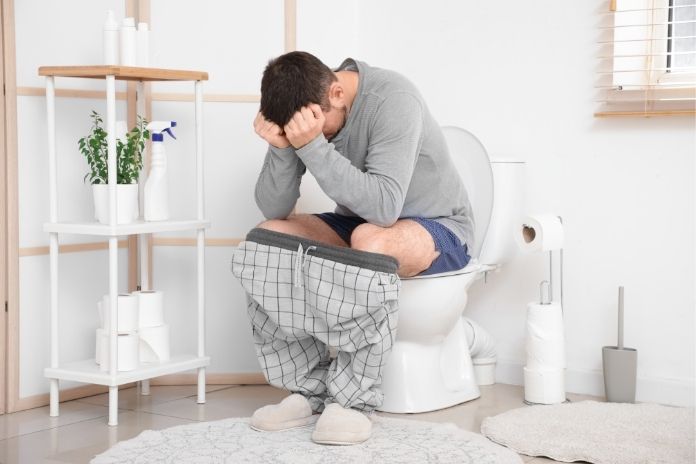
Constipation is having fewer than three bowel movements per week or the presence of hard, lumpy, and difficult-to-pass stools. Other symptoms that might appear with Ozempic constipation include increased straining, bloating, abdominal discomfort, a swollen belly, and/or the feeling of incomplete evacuation after a bowel movement.
Certain lifestyle factors can worsen constipation, including low intake of fluids, a low-fiber diet, limited movement, dehydration, and medications like iron supplements or opioids. Ozempic’s safety label includes a rare but serious risk of intestinal blockage, ileus. Thus, severe and persistent symptoms should not be ignored.
Lifestyle & Diet Strategies to Relieve Constipation While on Ozempic
If you are taking Ozempic and struggle with constipation. Here are a few easy and effective tips that might help:
1. Increase Fiber Gradually

Aim to increase fiber through a mix of soluble and insoluble sources:
- Fruits: berries, pears, apples
- Vegetables: broccoli, leafy greens, carrots
- Whole grains: oats, brown rice, and quinoa
- Legumes: beans, lentils, chickpeas
Once you start taking Ozempic, add fiber gradually. You can start with about 5 grams a week to reduce gas and bloating. Soluble fiber softens stool by attracting water, while insoluble fiber provides bulk and helps move food through the colon.
Read More: 21 Simple And Proven Constipation Home Remedies (That Actually Work!)
2. Stay Well-Hydrated
Water not just helps people prevent constipation, but also gives relief to those suffering from it. Fluids allow fiber to function effectively and help keep the stool soft and easy to pass. You must drink water regularly throughout the day. Warm water or herbal tea helps, too. You can try this in the morning, as it gently encourages the digestive system.
3. Physical Activity & Movement

Regular exercise and movement promote intestinal contractions and help maintain healthy digestion. Brisk walking, light jogging, yoga, and stretching help move the colon. Even short walks after meals can support better motility. Sedentary periods might make the digestive system even slower. Hence, you should try to insert activity into your day.
4. Optimize Meal Size & Timing
Eating smaller and more frequent meals, rather than a few large and heavy meals, helps prevent digestive slowdowns. Large portions can overburden an already slow-moving gut, whereas smaller and more frequent meals support smoother digestion and reduce bloating.
5. Limit Constipation-Promoting Foods
Certain foods can worsen constipation when you have slow digestion. Limit foods that can make constipation worse. These include:
- High-fat, low-fiber foods
- Excessive dairy
- Highly processed foods
- Fried foods
- Refined carbohydrates
Replacing these with high-fiber and more nutrient-dense alternatives can give you relief from constipation.
6. Toilet Posture & Routine
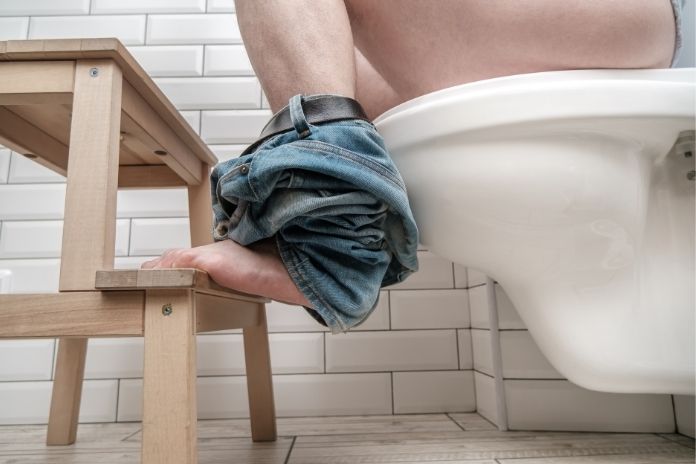
Use a footstool that lifts your knees above your hips. Squatting (squatty potty) can help position the colon to ease the passage of stool. Try to maintain a bathroom routine, especially after meals, when the colon is naturally more active. Other ways to stimulate bowel movements are gentle abdominal massage, deep breathing, and having warm drinks in the morning.
When Lifestyle Changes Aren’t Enough – Safe Treatments & Options

If diet and lifestyle changes do not resolve constipation, several over-the-counter options may help. Always check with your healthcare provider before starting any medication while on Ozempic.
- Osmotic Laxatives: These draw water into the colon, softening stool and increasing frequency. They are generally gentle and well-tolerated. Examples include polyethylene glycol (MiraLAX) and magnesium hydroxide.
- Stool Softeners: These are helpful for when the stool is dry, hard, or painful to pass. One example is docusate sodium.
- Occasional use of Stimulant Laxatives: These will stimulate intestinal contractions but must be used with care and only under medical supervision. Examples include senna and bisacodyl.
- Magnesium-based Supplements: Magnesium oxide or magnesium citrate helps reduce mild to moderate constipation by drawing water into the intestines and softening the stool.
You should not stop taking Ozempic on your own. You should consult your prescribing physician to discuss decisions about dose adjustments or drug discontinuation
Read More: Gentle Relief: The Top 7 Laxative Powders for Effective Constipation Relief
When to Contact Your Doctor or Seek Emergency Care
Call your doctor if you experience:
- Absence of bowel movement for more than one week after attempting lifestyle changes
- Severe abdominal pain, bloating, or cramps
- Persistent vomiting
- Inability to pass gas
- Blood in stool or black, tarry stools
- Symptoms that worsen after a dose is increased
- Signs of dehydration, such as dizziness, dry mouth, rapid heartbeat, or very low urine output
Seek emergency care if you suspect bowel obstruction, especially if you are having severe pain and cannot pass stool or gas.
Quick Summary
As would be expected with slowed digestion and decreased appetite, constipation is one of the common side effects associated with Ozempic. Opt for gradual fiber increase, hydration, movement, and mindful eating patterns to restore regularity. When lifestyle modifications are not enough, over-the-counter osmotic laxatives and magnesium can help.
Call your doctor if symptoms like vomiting and inability to pass gas do not get better or get worse. Most people can manage constipation with the right approach without stopping Ozempic.
References
- Flint, A., Raben, A., Blundell, J. E., & Astrup, A. (2001). Glucagon-like peptide 1 (GLP-1): Effects on appetite and weight. Journal of Endocrinology, 171(1), 1–10.
- WebMD. (n.d.). Health benefits of magnesium citrate. WebMD.
- Volpe, S. L. (2008). Magnesium in disease prevention and overall health. Advances in Nutrition, 1(1), 9–10.
- WebMD. (n.d.). Squatty Potty: What is it? WebMD.
- Fella Health. (n.d.). How much fiber per day on GLP-1?
- Shield Medical Group. (n.d.). Ozempic and your gut: Constipation causes and remedies.
- Manipal Hospitals. (n.d.). 7 ways to care for your digestive system this summer.
- Slavin, J. L. (2003). Dietary fiber and body weight. Nutrition, 19(3), 411–418.
In this Article