















Imagine heirloom bowls of deep-purple rice shimmering under candlelight in an ancient Chinese palace. Black rice wasn’t just food back then; it was status. Only the elite could eat it, which is how it picked up the nickname forbidden rice. Now it sits quietly on modern grocery shelves, looking dramatic but asking for no special treatment.
Here’s the thing: the color isn’t just for show. That dark pigment comes from anthocyanins, the same antioxidant family found in blueberries and blackberries. Add in the fact that black rice keeps its bran and germ, unlike white rice, which loses much of its fiber and nutrients during processing, and you start to see why it’s gaining attention.
The grain brings more texture, more micronutrients, and a deeper nutritional punch than the usual polished varieties.
What this really means is that black rice has moved from royal exclusivity to a smart everyday option. It bridges tradition and modern nutrition, offering a way to upgrade your plate without overthinking it. As research keeps piling up, the story gets clearer: this isn’t a trendy colored grain, it’s a whole-grain alternative with real substance behind the hype.
The Science Behind Anthocyanins
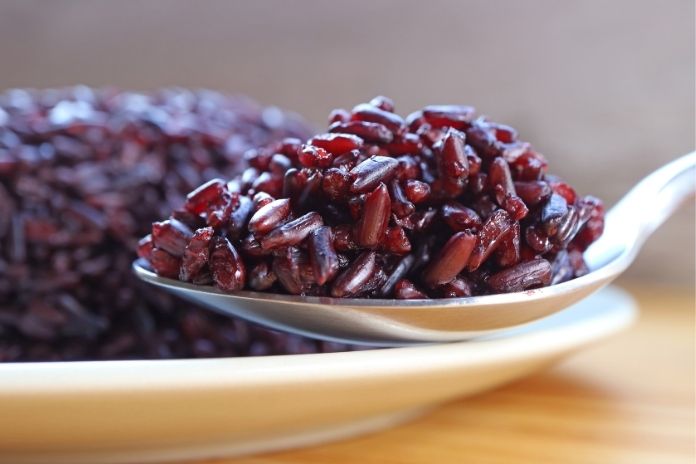
Here’s the thing about that deep violet-black color you see in black rice: it isn’t just pretty. It comes from anthocyanins, a family of plant pigments that double as powerful antioxidants. They’re the same compounds that make blueberries blue and purple cabbage purple, but black rice packs them in unusually high concentrations.
What this really means is that every spoonful delivers compounds that help neutralize oxidative stress and support healthier cells. In simple terms, anthocyanins help calm inflammation, support your blood vessels, and keep your brain cells functioning more smoothly.
Key points at a glance:
- Anthocyanins give black rice its color and antioxidant strength.
- They help reduce oxidative stress in the body.
- Studies link them to improved heart health, brain health, and better metabolic control.
- Black rice tends to have higher anthocyanin levels than most other grains.
Nutrition Profile of Black Rice
Black rice stands apart from many other rice varieties in its nutrient content. Because it retains more of the bran and germ, you’ll find differences like:
- Higher protein and fibre content compared to white rice and, in many cases, brown rice. A recent review shows black rice contains complete amino acids, including lysine and tryptophan, and fibre in amounts that exceed many standard cereals.
- Rich in anthocyanins, specifically compounds like cyanidin-3-glucoside (C3G) and peonidin-3-glucoside (P3G), concentrated in the outer bran layer (which is why the colour is so dark).
- Contains micronutrients such as iron, vitamin E (tocopherols), zinc, and other minerals. For example, some varieties show iron levels around 2.4 mg per 100 g.
- Naturally gluten-free and whole-grain (provided you choose a minimally processed version).
In short, black rice offers an upgrade over refined rice options and competes strongly with many brown-rice varieties.
Top Health Benefits of Black Rice

Black rice carries a kind of quiet power. Its deep purple-black colour hints at what’s inside: dense antioxidants, steady fibre, and a nutritional depth you don’t get from white rice. Once reserved for royalty in ancient China, it has moved from palace kitchens to modern grocery shelves, yet it still feels special.
What this grain really offers is a richer version of whole-grain eating. You get the texture, the earthiness, and, more importantly, the compounds that support long-term health. Think of black rice as an upgrade, not just a swap.
1. Packed with Antioxidants
Black rice looks dramatic for a reason. That colour comes from anthocyanins, pigments known for their strong antioxidant activity. Research shows these compounds help lower oxidative stress and calm inflammation.
Why this matters
- Anthocyanins can suppress inflammatory markers like IL-6, IL-1β, and IL-18.
- They work partly by down-regulating the NLRP3 inflammasome pathway.
- Lower oxidative stress means better long-term protection for cells and tissues.
“Studies revealed that anthocyanins [in black rice] have strong anti‑inflammatory, antioxidant, and anticancer effects … its rich antioxidant profile provides heart‑protective benefits and helps regulate blood lipids.” – Dr. Brahmanand Nayak, Ayurvedic Physician, on black rice’s nutritional power.
In simple terms, you’re not just eating a grain, you’re giving your body a steady stream of compounds that shield it from everyday damage.
2. Supports Heart Health
There’s growing interest in how black rice influences cholesterol and cardiovascular markers. Early studies offer encouraging clues, especially around anthocyanins.
What research suggests
- Anthocyanins reduce cholesterol absorption by inhibiting the NPC1L1 transporter.
- They increase bile acid excretion, helping the body clear LDL.
- Reviews highlight potential preventive benefits for lifestyle-related heart disease.
Human trials are still evolving, but the mechanisms are promising, and the fact that it’s a whole grain only strengthens the case.
Read More: Heart Health in Your 30s: 8 Habits That Can Protect You for Life
3. Helps With Weight Management
Here’s the thing: black rice fills you up in a way refined grains can’t. Its bran layer stays intact, so you naturally get more fibre and a little more protein.
Key advantages
- Slows digestion and keeps blood sugar steadier.
- Helps regulate appetite and reduces overeating.
- Offers better satiety than white rice or low-fibre refined grains.
When part of balanced meals, it quietly supports healthier weight patterns without forcing you into restrictive eating.
Read More: 18 Foods That Suppress Appetite for Weight Management
4. May Support Brain Function
Anthocyanins don’t just work on inflammation; they may influence brain health, too. Observational research on anthocyanin-rich foods points toward sharper cognition, especially with aging.
Insights worth noting
- Anthocyanin-rich diets correlate with improved cognitive performance.
- Reviews report benefits among older adults.
- Black rice isn’t studied as extensively as berries, but its pigment profile is similar.
So while more direct trials are needed, including black rice in your diet fits into a broader brain-friendly eating pattern.
5. Promotes Healthy Digestion
When you eat black rice, you’re taking in meaningful fibre that supports a smoother, more stable digestive system.
Digestive perks
- Its fibre promotes regular bowel movements.
- Helps feed beneficial gut bacteria.
- Supports overall gastrointestinal function and long-term gut health.
Studies also highlight strong polyphenol and antioxidant activity across different cultivars, making its digestive benefits part of a bigger nutritional package.
6. Natural Detox Support
Forget the trendy detox claims, here’s what actually happens. Antioxidant-rich foods help your body handle oxidative load and reduce stress on metabolic organs.
How black rice contributes
- Reduces lipid-oxidation products.
- Protects cell membranes and DNA from oxidative damage.
- Supports natural liver and kidney pathways.
It doesn’t “flush toxins.” It simply gives your system fewer reasons to struggle.
Read More: Cleanse Your Body Naturally: 6 Herbal Detox Supplements for Whole-body Cleansing
How Black Rice Compares to Other Grains
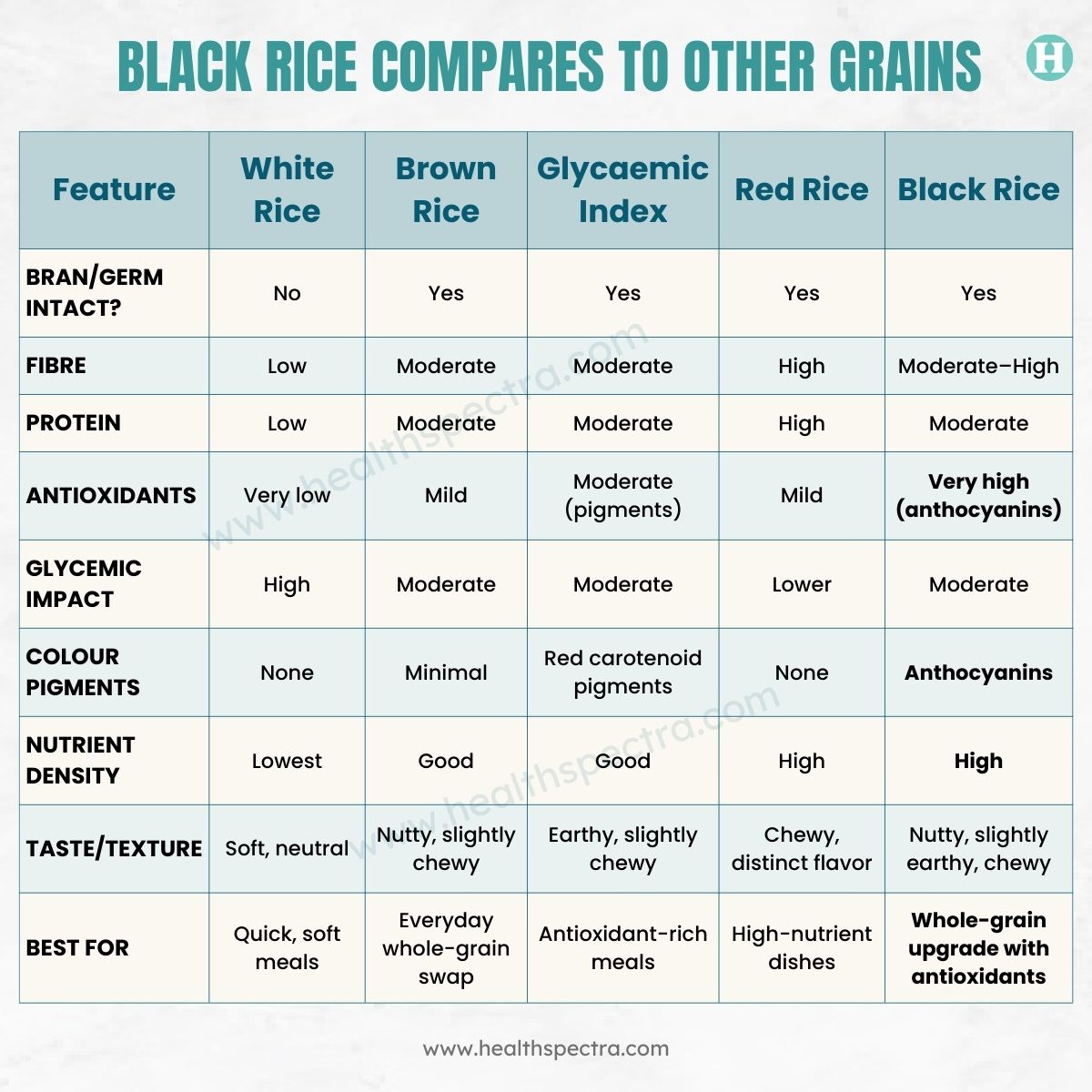
Let’s break it down without overthinking it. Black rice sits closer to brown, red, and wild rice than to white rice, mostly because it keeps the bran layer intact. That’s where most of the fibre, minerals, and antioxidants live.
A quick comparison helps you see where it stands:
Who Should Eat Black Rice? Who Should Be Cautious?
Black rice is a solid choice for many people, especially if you want more fibre, better blood-sugar steadiness, or a swap for refined grains. It’s also great for anyone trying to add more antioxidants without relying on snacks or supplements.
People who may benefit the most:
- Those looking to improve heart or metabolic health.
- Anyone needing more fibre in their meals.
- People who prefer whole grains but want variety.
- Individuals focused on antioxidant-rich diets.
People who should be a bit cautious:
- Those managing diabetes or carb-sensitive diets (portion size matters).
- Anyone with difficulty digesting high-fibre grains.
- People with celiac disease need to ensure certification to avoid cross-contamination.
- Individuals on very low-carb or therapeutic diets have to count grains carefully.
Black rice works beautifully when it fits your overall eating pattern, not when it’s added on top of already heavy carb intake.
How to Add Black Rice to Your Diet

Cooking black rice is similar to cooking brown rice, though it often requires a bit more time or water. Soak it where possible (15-30 minutes), then cook in a ratio of about 1 cup rice to ~2¼ cups water, simmering ~30-35 minutes until tender and water absorbed.
Here are some practical ways to use it:
- Salad base: Cooked and cooled black rice tossed with roasted vegetables, chickpeas, and a lemon-tahini dressing.
- Stir-fry foundation: Substitute black rice for white rice in stir-fries, giving colour, texture, and improved nutrient density.
- Rice bowls: Black rice + grilled salmon + steamed broccoli + sesame seed topping = balanced macro & micronutrients.
- Sushi swaps: Use black rice in place of white rice for sushi rolls, giving dramatic presentation and a health upgrade.
- Sweet twist: Black rice pudding with coconut milk, fresh berries, and a drizzle of honey for dessert with purpose.
Because black rice retains more bran and germ, don’t discard the water after cooking; it’s nutrient-rich and can be used as part of stock or soups.
Possible Side Effects or Considerations

Black rice is generally a safe, nutritious choice, but it still comes with a few things worth keeping in mind. Think of these less as warnings and more as practical notes that help you use it well.
Cooking Time
Black rice isn’t a quick-cook grain. The intact bran layer makes the kernels denser, so they take longer to soften. That usually means:
- A longer simmer on the stove.
- More water than you’d use for white rice.
- Slight trial-and-error depending on the brand and cooking method.
Some people soak it for a few hours to shorten cooking time and improve texture, but that’s optional.
Portion Control
Even with its antioxidants and fibre, black rice is still a carbohydrate-heavy food. If you’re watching your blood sugar or eating with a diabetes plan in mind, portion size matters.
- Stick to measured servings.
- Pair it with protein, fibre, and healthy fats.
- Avoid treating it as an “unlimited” whole grain just because it’s healthier than white rice.
The goal is to enjoy its benefits without overshooting your carb needs.
Arsenic Awareness
All rice contains small amounts of naturally occurring arsenic, and black rice is no exception. You don’t need to fear it, but smart habits help:
- Buy from reputable brands.
- Rinse thoroughly before cooking.
- Rotate your grains so rice isn’t your only staple.
Simple steps like these reduce exposure while letting you keep black rice in your meals.
Gluten-Free… With a Caveat
Black rice itself is gluten-free, but if you have celiac disease or a strong gluten sensitivity, don’t assume every product is safe.
- Look for certified gluten-free labels.
- Make sure it’s not processed on shared equipment.
- Store it separately from gluten-containing grains at home.
A little label-reading goes a long way.
Not a One-Food Solution
Black rice brings a lot to the table, but it can’t do the work of an entire diet. You’ll get the most out of it when it sits alongside:
- Plenty of vegetables.
- A range of whole grains and legumes.
- Lean protein.
- Healthy fats.
Think of it as a powerful piece of the puzzle, not the whole picture.
Myth-Busting: What Black Rice Does Not Do
Black rice has a reputation, and some of it gets a little dramatic. So let’s clear a few things before the myths take over.
- Myth: Black rice detoxes your liver. It doesn’t. It supports overall health because of antioxidants, but detox is your liver’s job, not the rice’s.
- Myth: It’s low-carb. It isn’t. It’s a whole grain and still a carbohydrate source, just a smarter one.
- Myth: You’ll lose weight just by switching to black rice. You’ll feel fuller and more satisfied, but weight loss depends on your full diet and lifestyle, not a single grain.
- Myth: Black rice has magical healing powers. It has impressive nutritional benefits, but it’s not a cure-all or medicinal food.
When you cut through the noise, black rice is exactly what it should be: a nutrient-rich whole grain with real advantages, not a miracle.
Quick Recap
Black rice stands out because it brings more to the table than most grains ever try to. Its deep colour signals a heavy dose of anthocyanins, and those pigments come packaged with fibre, minerals, and antioxidants that you simply don’t get from white rice.
When you make it a regular part of your meals, you’re giving your body nutrients that support heart health, steadier energy, better digestion, and even long-term brain protection.
What this really means is that black rice works best as part of a thoughtful diet, not as a decorative swap. Choosing minimally processed, whole-grain varieties makes a real difference, because that’s where the bran, nutrients, and pigments live.
Cooking it properly, soaking if you prefer, giving it enough water, and letting the grains fully soften, helps unlock its flavour and makes it easier to digest.
To get the most out of it, treat black rice as an upgrade, not an add-on. Pair it with vegetables, beans, lean protein, and healthy fats; let it replace refined grains instead of piling it onto an already carb-heavy plate. Used this way, it becomes a reliable, nutrient-dense foundation that enriches meals without complicating them.
References
- Cañizares, L., et al. (2024). Functional foods from black rice (Oryza sativa L.). Frontiers in Nutrition.
- Jan, S., et al. (2025). Fermentation treatments on black rice compounds: Nutritional, anti-nutritional and bioactive profiles. Food & Nutrition Journal, 13(2).
- Palungwachira, P., et al. (2019). Antioxidant and anti-inflammatory properties of black rice in skin fibroblast models. Nutrition Research and Practice.
- Thilavech, T. (2025). Black rice (Oryza sativa L.) and its anthocyanins: mechanisms, food applications and clinical insights for postprandial glycemic and lipid regulation. Food Production & Nutrition.
- “5 foods with more anthocyanins than blueberries, recommended by dietitians.” (2024, June). EatingWell.
- “5 healthiest types of rice, according to RDs.” (2021, August). Real Simple.
- “Exploring the health benefits of black rice: A comprehensive guide.” (2024, March). Credevo.
- Zhang, M. W., Zhang, R. F., Zhang, F. X., Liu, R. H. (2010). Phenolic profiles and antioxidant activity of black rice bran of different commercially available varieties. Journal of Agricultural and Food Chemistry, 58(13), 7580–7587.
- Fatchiyah, F., et al. (2023). Bioactive compound profile and their biological activities of black rice: A review. Journal of Food Science & Technology, 61(11), 4352–4365.
- Azkia, M. N., et al. (2023). Enhancement of phenolic profile and antioxidant activity of black glutinous rice (BGR) through fermentation and evaluation of its functional properties. Food Bioscience, 54, 102897.
- Hu, C., Zawistowski, J., Ling, W., & Kitts, D. D. (2003). Black rice (Oryza sativa L. indica) pigments and their inhibitory effect on cholesterol uptake in Caco-2 cells. Journal of Agricultural and Food Chemistry, 51(18), 5271–5277.
In this Article