











You know the feeling: you’re genuinely trying to eat healthy – spinach in your dal, chickpeas in your salad, oats for breakfast – but still feeling low on energy. And someone tells you, “But you’re eating so much iron!”
Yes, they are right!
The problem is that your body isn’t absorbing this iron efficiently.
Plant-based iron is not inferior – simply more complex.
What you eat with your iron-rich foods decides whether your body absorbs 30%… or just 3%.
This article explains simple food pairings that actually work (and some you should stop doing right now).
Let’s start with the basics.
Key Takeaways – What You’re Going to Get From This Blog
- Plant-based iron (non-heme) acts differently from the iron found in meat. It needs supportive nutrients.
- Vitamin C and certain colourful foods convert plant iron into a more absorbable type.
- Some everyday habits, like having tea right after meals, can almost reduce your iron uptake.
- You’ll get easy examples to fix your meals without overthinking anything.
Understanding Iron-Heme vs Non-Heme
Iron from plants means non-heme iron.
Iron from animal foods means heme iron.
Heme iron is readily absorbed (25–35%).
Non-heme? More like 17%.
This is not a flaw in plant foods – but it’s because non-heme iron changes its form depending on what else is present in your meal. Vitamin C helps. Certain grains block it. Coffee interrupts it. This means iron absorption is basically a collaborative process.
If the nutrients you get are supportive, your body benefits.
If not, your effort goes to waste.
The Best Food Combinations for Plant-Based Iron Absorption
Below are the combinations that actually make a visible difference.
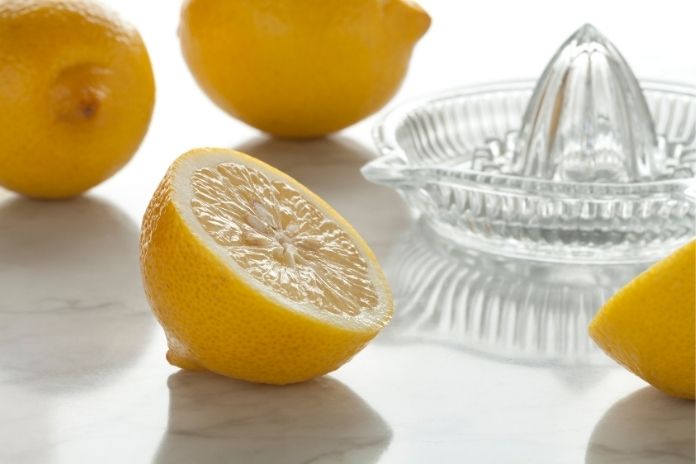
1. Iron + Vitamin C
Everyone knows vitamin C is “good,” but what it actually does is remarkable:
Vitamin C changes the structure of non-heme iron → into a form your gut can absorb immediately.
This is like unlocking the iron before digestion begins.
Practical Pairings That Work Every Time
- Lentils + bell peppers (a squeeze of fresh lemon works even better)
- Spinach + strawberries
- Tofu + broccoli
- Oats + orange or kiwi
- Kidney beans + tomatoes
- Flattened rice + lemon (this is why lemon on flattened ricemakes sense nutritionally)
Vitamin C-rich foods you can use without overthinking:
Tomatoes, lemon, lime, guava, capsicum, kiwi, orange, amla, berries.
Add vitamin C at the end of cooking, not before. Heat destroys it.
2. Iron + Beta-Carotene (Orange, Yellow, Red Foods)
Beta-carotene prevents iron from binding with inhibitors in your food. Meaning: it keeps the iron “free” for absorption.
It is like protecting iron from getting blocked.
Simple Pairings You Can Try:
- Chickpeas + carrots
- Lentils + sweet potato
- Kale or spinach + pumpkin
- Pulses + grated carrot added after cooking
Beta-carotene-rich foods: carrots, sweet potatoes, pumpkin, butternut squash, apricots, papaya.
If you’re someone who doesn’t like citrus, then beta-carotene foods rescue you.
3. Iron + Fermented/Sprouted Foods (The Most Underrated Combination)
Sprouting (Seeds germinating into shoots) and fermentation (natural food breakdown process) naturally break down phytates (the compounds that block iron).
This is why, traditionally, cuisines across the world sprouted the beans or fermented the grains – not a trend, but practicality.
Examples:
- Green gram sprouts or sprouted lentils in salads.
- Sourdough bread instead of regular whole-grain bread.
- Tempeh or miso instead of plain soybeans.
- Fermented dosa/uttapam batter – the fermentation alone reduces inhibitors significantly.
Why this pairing matters: Phytates bind iron. Sprouting reduces phytates.
4. Iron + Healthy Fats (Not for Absorption Directly, But For Retention)
Healthy fats don’t increase iron absorption like vitamin C does, but they:
- improve gut function
- slow down digestion
- increase absorption of other supportive nutrients (like beta-carotene)
And a meal that digests comfortably means better nutrient uptake overall.
Examples:
- Spinach salad with olive oil + lemon dressing
- Pulses with a small spoon of clarified butter
- Veg stir-fry with avocado or nuts
- Roasted vegetables with groundnut dressing
Fats act as supporting players in the meal.
Read More: Anemia in Pregnancy: 6 Prenatal Vitamins to Support Healthy Iron Levels
Foods and Drinks That Block Iron Absorption (Most People Do These by Habit)
Here’s the truth: most people don’t have an iron-deficient diet.
They have an iron-blocking lifestyle.
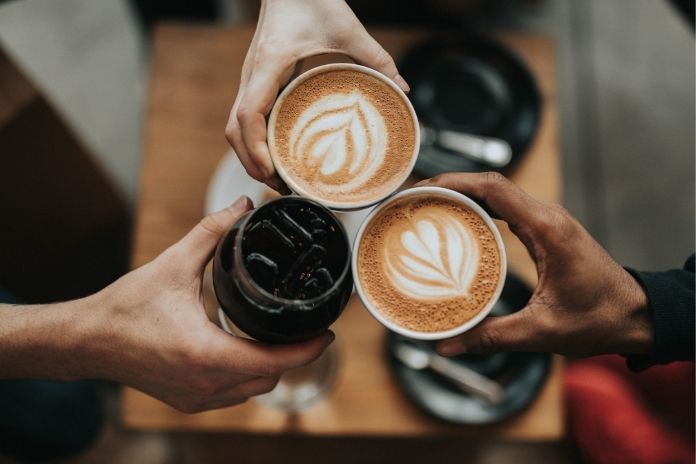
1. Tea and Coffee
Tea and coffee contain tannins. Tannins bind with non-heme iron faster than your gut can.
Meaning: Iron goes in → tannins bind with it → you absorb almost nothing.
Simple Fix: Avoid tea/coffee 1 hour before or after an iron-rich meal.
If you have to drink something warm:
Try herbal teas like chamomile, mint, or rooibos. No tannins.
2. Calcium-Rich Foods (Surprising For Most People)
Calcium competes with iron during absorption.
This includes:
- dairy
- fortified milks
- calcium supplements
As Dr. Amar Kelkar, a hematologist, notes, taking milk with iron-rich foods or supplements may reduce iron absorption.
Fix:
Keep calcium intake away from your iron-rich meals.
Your body absorbs both better when separated.
3. High-Phytate or High-Fiber Foods
Whole grains, seeds, nuts, and legumes are extremely healthy. But they contain phytates that reduce iron uptake.
You don’t need to avoid them – just prepare them right:
- Soaking
- Sprouting
- Fermenting
- Pressure cooking
All of these reduce phytates naturally.
This is why traditional cooking techniques are smarter than modern “raw everything” trends.
Smart Meal Ideas for Maximum Iron Uptake
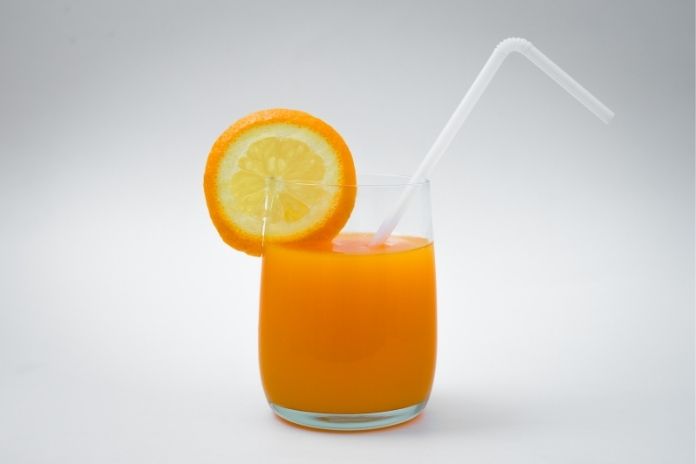
Here are easy meal ideas you can start today.
Breakfast
In the morning, keep things uncomplicated.
If you’re someone who likes oats, just add whatever fruit you have around – kiwi, some strawberries, some chia seeds, or even some leftover oranges. Natural vitamin C in these items helps in iron absorption.
Some people prefer something quicker. If that’s you, then an iron-fortified cereal along with a small glass of fresh orange juice really works better.
If you enjoy toast in the morning, a layer of peanut butter with sliced strawberries brings together iron, healthy fats, and vitamin C in one effortless meal.
And with flattened rice, you may already be doing the best thing possible: just squeeze lemon on top before eating. That tiny step makes more difference than most supplements.
Lunch
Lunch doesn’t need to be “designed.”
A bowl of lentils or pulses with a few roasted or raw bell peppers tossed in and a little lemon on top already feels refreshing.
If you keep hummus at home, pair it with carrot sticks, or eat a citrus fruit with it – the combination works without you thinking too hard.
Green gram sprouts salad with tomatoes and some pomegranate is something many people already eat during the hot months. It’s fresh, light, and, yes, the sprouting itself helps with iron uptake.
Dinner
Evening meals often revolve around comfort, but comfort can still be nutrient-smart.
A simple tofu stir-fry with broccoli and red peppers is one of the easiest ways to combine iron, vitamin C, and protein in a single dish.
If you’re someone who cooks simple, home-style food at night, spinach with sweet potato is naturally iron-friendly. A squeeze of lime at the end is really all it needs.
Kidney beans with tomatoes, eaten with a side of sautéed cabbage or capsicum, is another example of a regular meal that already contains good pairings. You don’t need to “optimize” it – just avoid tea right after.
Snack Ideas
Snacks can quietly boost your iron if you plan even a little.
Pumpkin seeds with some orange slices are easy.
Dark chocolate with berries feels more like a dessert than a nutrient strategy.
Roasted chickpeas with a guava on the side is another simple combination that works without much effort.
Honestly, most of this comes as daily habits – squeezing lemon, adding one fresh ingredient, or eating certain foods together instead of separately. Over a week, these small decisions do far more for iron absorption than completely changing your diet.
Read More: Pediatric Anemia Solutions: 5 Child-Friendly Supplements for Iron Deficiency
When Should You Consider Supplements?
If you’re plant-based and experiencing:
- fatigue
- low ferritin (body’s iron storage marker)
- shortness of breath
- pale skin
- hair fall
…then it’s time to check iron levels.
Iron supplements are effective, but should never be self-prescribed. Too much iron has its own issues, like liver and heart damage, as explained by Dr. Richard Eisenstaedt, a former hematologist.
Iron supplements are effective, but should never be self-prescribed. Too much iron has its own issues.
If your doctor gives supplements:
- Take them with vitamin C
- Avoid taking them with caffeine or calcium
- Avoid taking them on a full stomach (unless it causes irritation)
Supplements are not replacements for food pairings – they are support.
Read More: Iron-Rich Leafy Green Salad: Combat Anemia Deliciously
Final Thoughts
Plant-based diets can provide excellent iron – if you absorb it properly. The food combinations above are not trends – they are just simple chemistry unfolding in your kitchen.
Small changes can make your iron absorption almost as efficient as animal-based diets.
Iron deficiency is never always about eating more iron only.
Very often, it’s just about eating smart.
Quick Recap
- Non-heme iron (from plants) needs help – vitamin C and beta-carotene are key partners.
- Tea, coffee, and calcium block iron – time them separately.
- Sprouting and fermentation naturally improve absorption.
- Simple meal pairings can significantly change your iron status.
References
- https://www.foodandnutritionjournal.org/volume8number1/effect-of-beta-carotene-on-the-ionisable-iron-content-of-wheat/
- https://www.mayoclinic.org/diseases-conditions/iron-deficiency-anemia/symptoms-causes/syc-20355034
- https://medlineplus.gov/ency/article/007478.htm
- https://www.ncbi.nlm.nih.gov/books/NBK540969/
- https://pmc.ncbi.nlm.nih.gov/articles/PMC9219084/
- https://www.ncbi.nlm.nih.gov/pmc/articles/PMC8266402/
- https://www.sciencedirect.com/science/article/pii/S0002916523462673
In this Article