













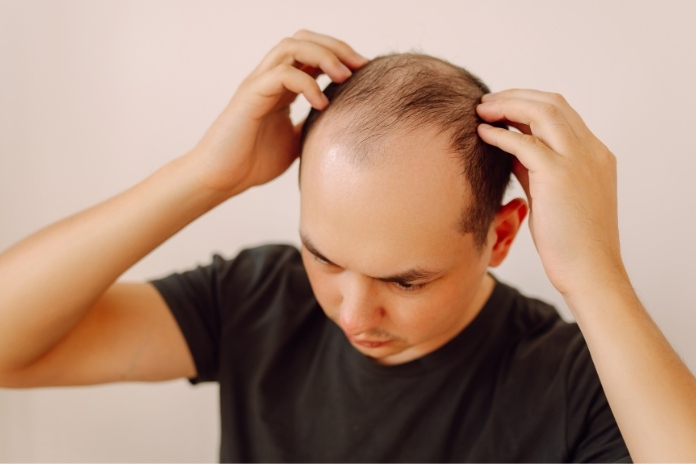
Hair loss is usually discussed as though it is just predetermined – completely genetic, entirely hormonal, and there’s nothing you can do. But research in the last few years has quietly presented something entirely different. Yes, genes and hormones are major drivers – particularly in the case of androgenetic alopecia and alopecia areata. But your habits – what you eat, how much and when you sleep, how stressed you stay – also shape how fast or slow hair thinning happens.
A recent review even noted that diet and lifestyle imbalances can worsen hair loss even in people already genetically prone. This does not mean that lifestyle alone can treat alopecia – but it does mean your habits are not powerless either.
This article examines the science on nutrition, micronutrients, inflammation, sleep, stress, smoking, alcohol, hair-care practices, and how these factors relate to alopecia. The aim is simple: clarity on what is actually in your control, without the typical internet misinformation.
Key Takeaways – What You Will Learn
- Which nutrients matter most for hair-follicle biology
- How diet patterns (inflammatory vs antioxidant-rich) influence thinning
- Sleep, stress, smoking, alcohol, exercise – the surprisingly strong links
- What changes actually make a difference
- When lifestyle is supportive and when medical treatment is necessary
Nutrition Factors That Affect Hair Loss

Nutrition is not just about “eat greens only” or “take that biotin.” Hair contains a high proportion of protein and functions as a metabolically active tissue. So, they need steady fuel and micronutrients every other day. And whenever this supply drops, hair is often the first to show any signal.
Micronutrient Deficiencies and Hair Health
Across multiple studies, one pattern keeps emerging: low levels of iron, vitamin D, zinc, biotin, and some B vitamins are more common among people dealing with various forms of hair loss.
A large review concluded that vitamins B and D, iron, and zinc all play essential roles in cell division, keratin formation, energy metabolism, and immune balance – basically all the processes hair follicles rely on.
But one important point often missed in online blogs:
“Micronutrients matter, but supplementation does not mean complete treatment,” says Dr. Antonella Tosti, MD.
This is where practical assessment helps. Blood tests for ferritin, vitamin D, vitamin B12, and sometimes zinc give clarity rather than guessing. Many people with persistent hair thinning discover a nutritional gap only after testing.
Do you know?
- Vegetarians sometimes show lower iron and B12 storage levels.
- People with minimal sun exposure may show vitamin D insufficiency.
- Crash diets or highly repetitive diets can reduce overall micronutrient diversity.
- Long-standing digestive issues may reduce absorption.
You never need a complicated supplement stack – you just need targeted correction based on your report.
Diet Patterns: Pro-Inflammatory vs Antioxidant-Rich
This is a topic that rarely gets explained properly. Not “eat healthy,” but what type of diet pattern signals the follicle microenvironment?
A large cohort study reported that people who had a high antioxidant diet score had about a 10% lower chance of androgenetic alopecia, whereas pro-inflammatory diet scores increased risk.
Inflammation and oxidative stress (free-radical damage) matter because:
- They can accelerate the miniaturization of follicles (shrinking follicles).
- They create an environment where roots struggle to stay in the growth phase.
What increases inflammatory load?
- Processed meats
- Refined sugars
- Refined carbs
- Trans fats and frequent fried food
- Low intake of fruits and vegetables
So, what supports antioxidant status?
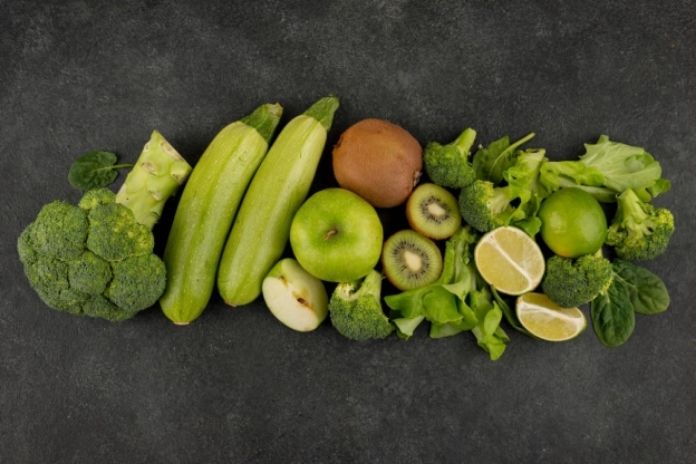
- Colourful vegetables – greens, carrots, tomatoes
- Fruits – citrus, berries, guava
- Whole grains
- Legumes
- Omega-3 foods like fatty fish, flaxseeds
- Olive oil, nuts, seeds
This does not mean you need an extreme “anti-inflammatory diet” label. It simply means that what you eat every day forms a biochemical environment around your follicles. A more antioxidant-dense meal pattern supports a calmer internal state.
Protein, Healthy Fats, and Overall Caloric Balance

Hair is literally built from protein, so naturally, the body reduces hair production when protein intake is low or erratic.
- Most adults do well with 8–1 g of protein per kg of body weight, depending on activity level.
- Crash diets or long periods of fasting without adequate nutrition can trigger telogen effluvium (sudden hair shedding) within weeks.
- Extremely low-fat diets may reduce essential fatty acids, which are required for scalp barrier function and follicle stability.
Practical ideas:
- Include lentils, eggs, fish, paneer, soy, and nuts.
- Combine grains and legumes for a complete amino acid profile.
- Use moderate amounts of chia, flaxseed, and walnuts for omega-3s.
You do not need a high-protein fad diet – just consistent intake.
Read More: How to Naturally Slow Down Age-Related Hair Loss
Hydration, Gut Health, and Nutrient Absorption

Hair itself doesn’t demand much water, but hydration supports circulation and nutrient transport.
There’s also growing, but early, research suggesting that gut microbiome imbalances influence inflammation and nutrient absorption, which, in turn, indirectly affects hair.
The helpful habits are simple:
- Maintain steady hydration throughout the day.
- Include natural fibre from vegetables, fruits, and whole grains.
- Add fermented foods, such as yogurt or fermented vegetables, when tolerated.
Nothing extreme is required.
Read More: Is It Normal to Lose Hair in the Shower? Here’s When to Worry
Lifestyle Factors That Influence Hair Loss

Sleep Quality and Restorative Cycles
Sleep affects hormone balance and immune activity. Several studies have shown connections between sleep-disordered breathing or chronic insufficient sleep and increased hair thinning – particularly in women.
During sleep, the body performs cellular regeneration required to maintain anagen – the active growth phase of hair. Disturbed sleep may shorten this phase.
Practical targets:
- 7–9 hours of sleep
- Consistent bedtime
- Address snoring or possible sleep apnea (airway blockage)
- Reduce late-night screens that disrupt melatonin
You are not expected to create a complicated sleep routine – just restore basic consistency.
Stress, Cortisol, and Hair-Loss Triggers
Stress is not just psychological, but it’s biochemical.
Chronic stress elevates cortisol (stress hormone), which can push follicles into the telogen (resting) phase sooner than they should. In alopecia areata, stress doesn’t cause the condition but can trigger flare-ups.
Some practical daily stress-management activities:
- Deep breathing (3–5 minutes)
- Simple stretching
- Mindfulness without apps
- Short walks
- Reducing over-packed schedules where possible
A dermatologist once phrased it neatly:
“Even the small amount of stress hormone that’s always in your system plays a role in keeping hair follicles in their resting phase. When your stress levels go up, that same hormone cycle just gets pushed harder. And that makes it tougher for the follicle’s stem cells to switch back into growth mode and start producing new hair,” says Dr. Ya-Chieh Hsu, PhD from Harvard University.
Smoking, Alcohol, and Substance Use
Smoking increases oxidative stress, decreases blood flow to the scalp, and contributes to DNA damage in follicles. Several studies link smoking with earlier onset and more severe thinning.
Alcohol – particularly in higher, frequent doses – can worsen nutrient deficiencies, disrupt sleep, and raise inflammation.
Sugary beverages have been associated with hair-thinning patterns in some younger populations.
Reasonable goals: cut down smoking, keep alcohol moderate, and reduce sugary drinks for metabolic stability.
Physical Activity and Circulation
Moderate exercise supports cardiovascular health and metabolic fitness. This ensures nutrients reach the scalp effectively. It also lowers systemic inflammation (whole-body inflammation).
But extremely high-intensity exercise without adequate fueling may contribute to hair shedding – especially in people doing prolonged fasted training or strict restriction.
A balanced approach works:
- Around 150 minutes of moderate weekly activity
- Mix walking, cycling, swimming, and home workouts
- Eat adequately to match training demands
Hair-Care Habits and Mechanical Stress
Not all hair loss is internal. Traction alopecia (sudden hair shedding) is fully driven by external force. Tight hairstyles, daily heat styling, harsh chemical treatments, and strong colouring cycles damage follicles over time.
Practical hair-care habits:
- Avoid tight ponytails, buns, braids
- Use heat only when required
- Give breaks between colour treatments
- Use a gentle comb and avoid rough towel drying
- Protect hair during intense sun or dust exposure
Small changes here often show meaningful improvement over months.
Read More: How to Tell If Your Hair Is Healthy: Signs to Look For (And Fixes…
When Lifestyle Changes Aren’t Enough – When to See a Specialist
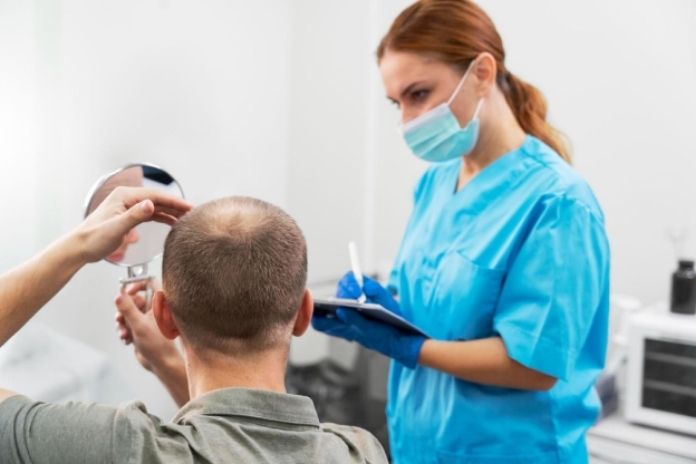
Lifestyle can strengthen your base, but a medical evaluation becomes important when:
- Hair loss is rapid or patchy
- You notice smooth bald spots (possible alopecia areata)
- There is burning, itching, redness, or suspected scarring alopecia
- Hairline recession is progressing
- Hair loss is causing significant anxiety or social impact
Medical treatments – minoxidil, finasteride (for men), low-level laser therapy, anti-inflammatory prescriptions, or immunotherapy – may be necessary for genetic or autoimmune alopecia. Lifestyle is supportive, not a replacement.
Final Thoughts
Hair loss is never fully preventable, but your everyday choices are never irrelevant either. Addressing nutrient gaps, improving sleep quality, reducing stress, and avoiding mechanical damage all help create a healthier environment for your follicles.
Even if you’re undergoing medical treatment for alopecia, these lifestyle steps can enhance medical treatment results, and in early thinning, they may slow progression.
Read More: Best Shampoo for Menopausal Hair Loss: What to Choose, What Works & Why
Quick Recap
- Genetics and hormones dominate, but lifestyle influences outcomes in noticeable ways.
- Iron, vitamin D, zinc, and B vitamins support healthy follicle cycling.
- Antioxidant-rich diets help create a calmer inflammatory environment.
- Sleep, stress, smoking, alcohol, as well as exercise – each play measurable roles.
- Small, consistent habits are always more effective than extreme interventions.
References
- Bazmi, S., Sepehrinia, M., Pourmontaseri, H., Bazyar, H., Vahid, F., Farjam, M., Dehghan, A., Hébert, J. R., Homayounfar, R., & Shakouri, N. (2024). Androgenic alopecia is associated with higher dietary inflammatory index and lower antioxidant index scores. Frontiers in Nutrition, 11.
- Carrington, A. E., Maloh, J., Nong, Y., Agbai, O. N., Bodemer, A. A., & Sivamani, R. K. (2023). The Gut and Skin Microbiome in Alopecia: Associations and Interventions. The Journal of Clinical and Aesthetic Dermatology, 16(10), 59.
- Du, F., Li, J., Zhang, S., Zeng, X., Nie, J., & Li, Z. (2024). Oxidative stress in hair follicle development and hair growth: Signalling pathways, intervening mechanisms and potential of natural antioxidants. Journal of Cellular and Molecular Medicine, 28(12).
- Gibbs, J., & Cappuccio, F. P. (2024). Common Nutritional Shortcomings in Vegetarians and Vegans. Dietetics, 3(2), 114–128.
- Gokce, N., Basgoz, N., Kenanoglu, S., Akalin, H., Ozkul, Y., Ergoren, M. C., Beccari, T., Bertelli, M., & Dundar, M. (2022). An overview of the genetic aspects of hair loss and its connection with nutrition. Journal of Preventive Medicine and Hygiene, 63(2 Suppl 3), E228–E238.
- Hengeveld, L. M., Goede, J. de , Afman, L. A., Stephan, Beulens, J., Blaak, E. E., Boersma, E., Geleijnse, J. M., Goudoever, J., Maria, J.A. Iestra, Kremers, S., Mensink, R. P., Roos, N. M. de, Coen, Verkaik-Kloosterman, J., Vet, E. de , & Visser, M. (2022). Health Effects of Increasing Protein Intake Above the Current Population Reference Intake in Older Adults: A Systematic Review of the Health Council of the Netherlands. Advances in Nutrition, 13(4), 1083–1117.
- Löhnert Kazuki. (2024). Assessment of Nutritional Deficiencies and their Role in Hair and Scalp Disorders. Journal of Cosmetology & Trichology, 10(6), 1–2.
- Minokawa, Y., Sawada, Y., & Nakamura, M. (2022). Lifestyle Factors Involved in the Pathogenesis of Alopecia Areata. International Journal of Molecular Sciences, 23(3), 1038.
- Mysore, V., & Kavadya, Y. (2022). Role of smoking in androgenetic alopecia: A systematic review. International Journal of Trichology, 14(2), 41.
- NIH. (2021). How stress causes hair loss. National Institute on Aging.
- Pulickal, J. K., & Kaliyadan, F. (2021). Traction Alopecia. PubMed; StatPearls Publishing.
- Shi, X., Tuan, H., Na, X., Yang, H., Yang, Y., Zhang, Y., Xi, M., Tan, Y., Yang, C., Zhang, J., & Zhao, A. (2023). The Association between Sugar-Sweetened Beverages and Male Pattern Hair Loss in Young Men. Nutrients, 15(1), 214.
- Wang, R., Lin, J., Liu, Q., Wu, W., Wu, J., & Liu, X. (2024). Micronutrients and Androgenetic Alopecia: A Systematic Review. Molecular Nutrition & Food Research.
In this Article