
















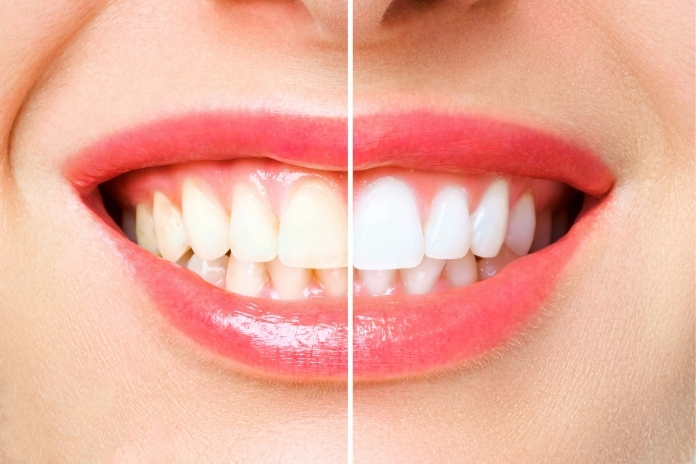
You drink coffee, tea, maybe even red wine, and your teeth reflect it. You wish for a brighter smile that is spotless. However, is the dentist chair worth it, or can you get by with an at-home whitening kit? The debate between professional teeth whitening vs at-home kits isn’t just about convenience. It influences factors such as speed, effectiveness, price, safety, and results.
Both in-office whitening and home whitening treatments help us lighten tooth color. However, they vary in chemical strength, supervision, and treatment timeline. The best option for teeth whitening will depend on your oral health, lifestyle, budget, and how quickly you need results.
Aside from aesthetic purposes, a whiter smile can significantly impact one’s confidence. You make a better first impression and feel encouraged to adopt healthy oral hygiene habits.
In this article, we will learn about dentist whitening treatment, over-the-counter whitening kits risks, the costs of professional whitening, and the effectiveness of at-home whitening. Additionally, it will help you decide which teeth whitening option is the best for you.
Read More: Brighten Your Smile: The Top 7 Teeth Whitening Pens for Effortless Whitening
How Teeth Whitening Works — The Basics
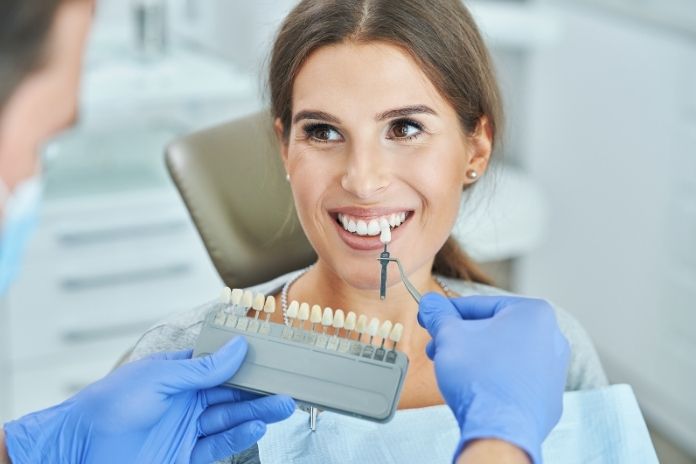
Whitening of teeth works by breaking down the pigment molecules in both the enamel and dentin. Both professional teeth whitening vs at-home kits primarily use peroxide-based agents, either hydrogen peroxide or carbamide peroxide.
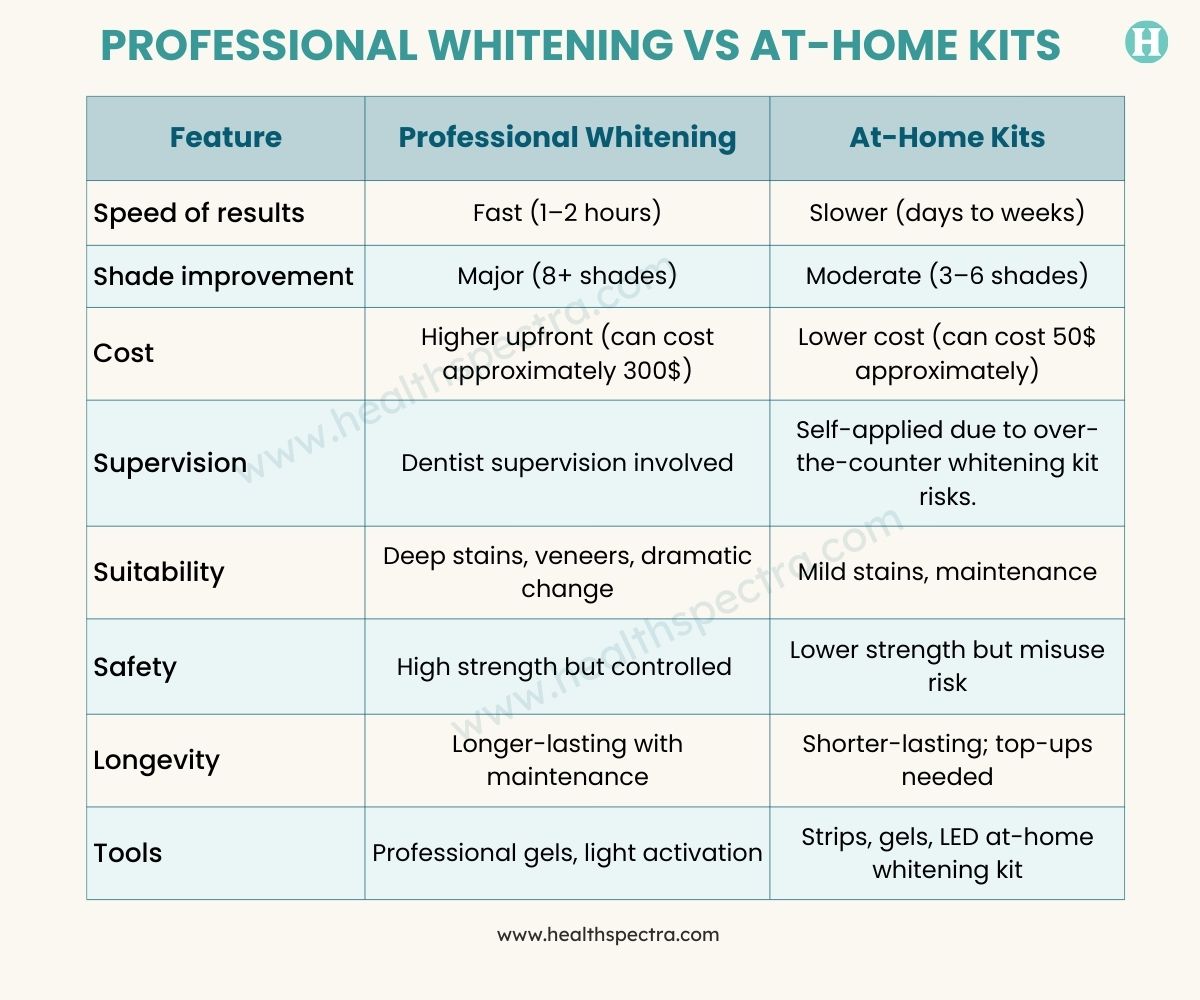
- Professional treatments use higher concentrations of hydrogen peroxide, often up to 40%, under the supervision of a dentist. This assures safety and produces rapid, dramatic results.
- At-home kits use lower concentrations of hydrogen peroxide and require longer treatment times. The treatment can sometimes take several days to weeks to show noticeable changes.
Important considerations:
- Whitening works best on natural teeth. Crowns, veneers, and fillings usually don’t lighten. An evaluation by a dentist is important to determine which whitening option will work best.
- Lifestyle factors, such as regular coffee, tea, or red wine consumption, may influence the rate at which treated teeth may discolor.
- Overuse or misuse of at-home whitening kits, including those with LED technology, may lead to tooth sensitivity or gum irritation. Here are some teeth whitening safety tips.
Read More: 10 Top Selling LED Teeth Whitening Kit of 2021- Reviews and Buying Guidance
Professional In-Office Whitening
What It Involves
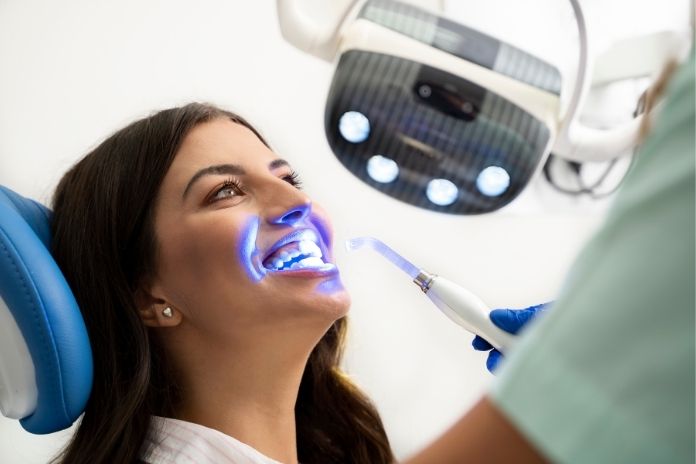
When you visit a dentist for a professional whitening treatment in a clinical setting, the dentist applies a strong bleaching gel. This gel generally consists of 15-40% hydrogen peroxide, applied to the teeth. Sometimes, this gel is activated with LED light, laser, or heat for faster results.
The dentist uses protective barriers, including gum shields and suction devices, to prevent irritation. These sessions usually last for about 1–2 hours.
Professional whitening may also include:
- Pre-treatment cleaning to remove plaque and tartar. This ensures optimum whitening.
- Evaluation of tooth restorations, cavities, or sensitive teeth to reduce risk.
- Shade selection is customized for your results to match the look you want.
This level of supervision results in significant whitening treatment advantages, making the in-office whitening safer and more predictable compared to using the DIY kits.
Advantages
- Fast, Noticeable Results: The teeth mightlighten by as many as 8+ shades in a single visit.
- Customised Care:In professional whitening treatment, the dentists check on tooth sensitivity and gum health. They ensure even color between natural teeth and restorations.
- Long-term Effects:Professional in-office whitening may last longer, especially when combined with good oral hygiene practices and regular touch-ups.
- Predictable Outcomes: There is a lower risk of uneven results or overuse, compared to at-home kits.
Disadvantages
- Higher Cost:Professional whitening can be quite expensive, especially when compared to at-home whitening alternatives.
- Dental Visits Required: Some cases may need multiple visits, including pre-treatment for cavities or gum issues.
- Temporary Sensitivity:High-concentration bleaching agents may cause temporary teeth sensitivity or gum irritation.
- Not Suitable Everytime:Not all stains become spotless after a professional in-house whitening treatment. For instance, grey stains from trauma or tetracycline require a dental examination
At-Home Whitening Kits
What it Involves
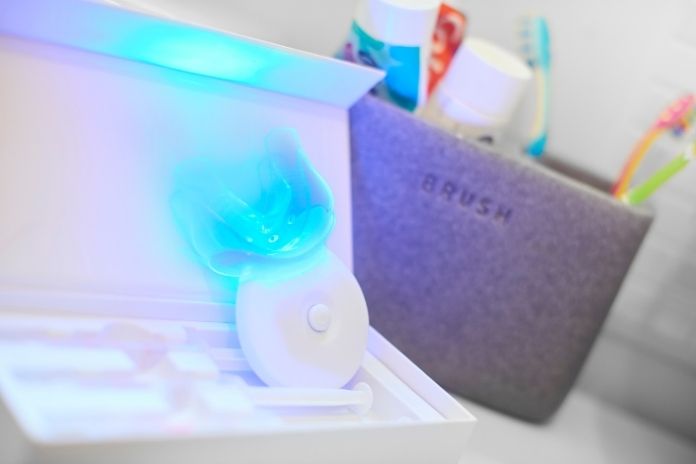
At-home whitening kits include whitening strips, over-the-counter gels, trays, or LED at-home whitening kits. Dentist-provided take-home trays use hydrogen peroxide of lesser strength. This leads to slower whitening results. Usual treatment periods vary from a few days to weeks.
Modern kits may also include the following:
- LEDs to activate the peroxide gel.
- Pre-filled trays for even coverage.
- Whitening strips for surface stains.
- While convenient, at-home whitening effectiveness is slower and generally less dramatic than professional options.
Advantages
- Affordable:The process is inexpensive, so more people can opt for whitening.
- Convenient:Can be applied at home, without dental visits.
- Effective for Light Stains: Discoloration from tea and tobacco stains.
- Flexible Options:It includes LED at-home whitening kits, strips, gels, and trays.
Disadvantages
- Slower Results:Typically, they show 3–6 shades of improvement, depending on usage.
- Higher Misuse Risks:Overuse, gum irritation, and uneven whitening are three possible side effects associated with over-the-counter whitening kits.
- Shorter-acting Effects: More frequent “top-ups” may be necessary.
- Safety: Not all at-home whitening kits are regulated by the FDA. It is essential to follow teeth whitening safety tips.
“We especially caution patients who have extensive cavities or untreated dental problems against at-home whitening kits because the bleach can extend into cavities and damage the tooth structure permanently. It also can damage nerves, cause toothaches, and lead to stomach problems,” says Dr. Vivek Hegde, Past Vice President of the Indian Endodontic Society.
Side-by-Side Comparison of Professional Whitening vs At-Home Kits
 Which Option Is Right for You?
Choose Professional Whitening If You:
- Want rapid and dramatic change for weddings, photos, or public events.
- Have deep or stubborn stains such as trauma-related discoloration, tetracycline, or fluorosis.
- Have multiple restorations, veneers, or would like a uniform color across the teeth.
- Willing to invest in results that last and enjoy the dentist whitening treatment advantages.
Choose At-Home Kits If You:
- Have mild surface stains from coffee, tea, or light smoking.
- Have a Budget-conscious approach and accept slower results.
- Prefer convenience and enjoy the flexibility of LED at-home whitening kits or strips.
- Strictly follow teeth whitening safety tips to prevent sensitivity or gum irritation.
Hybrid Approach
Many clients start with professional whitening and maintain the results at home using whitening strips vs dentist bleaching products or LED at-home whitening kits. Dentist-provided take-home trays are a hybrid solution. Though not as strong, but can be a custom-fit for your teeth.
Always Consult Your Dentist If:
Consider visiting a dentist if:
- You have gum disease, cavities, or sensitive teeth.
- Since veneers and crowns do not bleach, you might want to consider whitening.
You seek advice on the optimal strength or treatment plan utilizing the best teeth whitening option.
Read More: 14 Ways To Cope With Teeth Whitening Sensitivity – Deal With Pain Better!
Quick Recap
To put it briefly, consider:
- Professional in-office whitening for fast, dramatic, and long-lasting whiteness. They are generally higher in cost, dentist-supervised, but ideal for stubborn stains or major changes.
- At-home whitening kits are inexpensive and convenient. However, they show slower results. You can opt for them for mild stains or maintenance, but be cautious of the risks of over-the-counter whitening kits.
It all depends on your oral health, budget, time, and the results you want. Always see a dentist and take basic teeth whitening safety precautions to choose between professional and at-home treatments.
References
- https://dynamicsmiledesign.com/dental-services/cosmetic-dentistry/teeth-whitening-trays/
- https://www.thesun.co.uk/health/27524998/nine-in-ten-teeth-whitening-kits-unsafe-experts-warn/
- https://www.nationaldentalcare.com.au/blog/at-home-diy-vs-professional-teeth-whitening
- https://www.dentalassociates.com/blog/professional-teeth-whitening-vs-at-home-teeth-whitening
- https://www.dazzle.dental/blog/home-whitening-vs-zoom-whitening
- https://shoalcreeksmilestudio.com/teeth-whitening-methods-professional-vs-at-home-options/
- https://thedentalloungeindia.com/professional-vs-at-home-teeth-whitening-which-to-choose/
In this Article