












Why Are CGMs Suddenly Everywhere?
If you’ve seen those small white patches on people’s arms lately and wondered, “What’s that thing?”, that’s probably a continuous glucose monitor, or CGM. It’s basically a small sensor that checks your sugar levels all day, all night – without you poking your finger each time.
Old-school glucose testing meant pricking your finger, getting a drop of blood, waiting, and repeating again after a few hours. CGMs changed that game. You stick the sensor (tiny filament under skin, mostly upper arm) and it quietly keeps checking your sugar every few minutes.
Why are so many people using it now?
- People with diabetes love it because they can finally see their sugar trends– not just random numbers.
- People without diabetes (yes, gym-enthusiasts, diet experts, even office people curious about “metabolism”) use it to see how food, sleep, stress, or tea affects their sugar.
- It’s like having a mini-lab on your arm.
Honestly, the best part is awareness. You start noticing patterns: “Oh, that burger really spiked me”, or “That 20-minute walk after lunch keeps me steady.”
So if you’re planning to get one this year, let’s break down how these work, what to look for, and which ones are actually worth your money in 2026.
How CGMs Actually Work
Inside that round sticker-like sensor is a small wire that stays under your skin. It doesn’t go into your blood – it reads glucose from the fluid around your cells (called interstitial fluid).
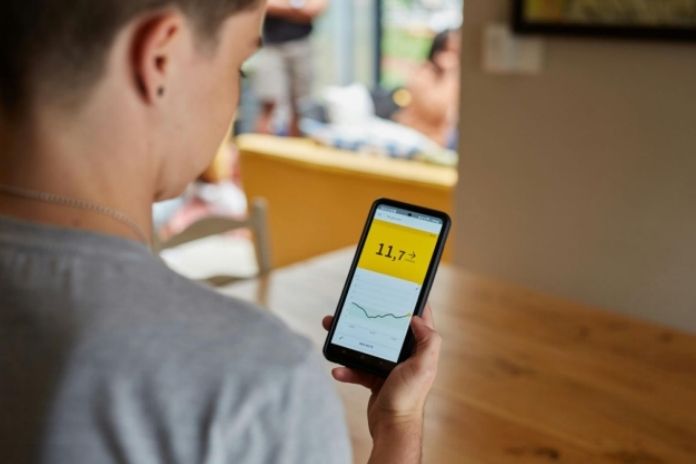
Then a transmitter sends this reading to your phone or smartwatch every few minutes. And then, you get a live sugar graph – like a stock chart, but for your body.
Accuracy depends on a few things:
- MARD (Mean Absolute Relative Difference): fancy name for “how close the reading is to lab truth.” Lower = better.
- Lag: Readings are a little late (5–10 min behind real blood sugar), especially when your sugar is changing fast – after you eat, or work out.
- Calibration: Some older sensors need you to enter a finger-stick number for correction. Newer ones are “factory calibrated.”
There are two main types:
- Real-time CGM (rtCGM): automatically sends live data, gives alerts if sugar goes too high or low.
- Flash/Scan CGM: you scan it with your phone to see the number. Cheaper, fewer alarms.
Read More: 9 Proven Strategies to Lower Your Hemoglobin A1C Levels Effectively
What You Should Actually Care About When Picking a CGM
Now we dive into decision-making. When you’re looking for a CGM in 2026, don’t just pick the first you see – compare across these criteria.
1. Accuracy and Reliability
If your sugar says 70 mg/dL but is actually 110, then you should not ignore it – especially for insulin users. Check that the CGM’s accuracy (MARD) is below 10%.
But here’s a thing most people don’t say – the same CGM can act differently for two people. If you sweat a lot, or live in humid places, or your skin reacts to adhesives, accuracy can drop. Also, day 1 readings are usually weird. Don’t panic; they stabilize by day 2.
So: look for proven brands (Dexcom, Abbott, etc.) and check how they perform in your environment.
2. Sensor Life and Comfort
Some sensors last 10 days, some 14, some even 90 days or more (those are implant ones). Longer life = less re-insertion = less hassle.
Comfort matters too. A small round patch on the arm is fine; a bulky one on the belly is annoying. Also, check adhesive – in heat, sweat can make sensors fall off halfway. Some people use medical tape over it to secure it.
3. App and Alerts
The app is half the game. A good CGM device should:
- Show you trend arrows (going up, down, steady).
- Let you set alerts (for highs/lows).
- Sync with phone/watch easily.
- Allow sharing with family or doctor if needed.
But remember: too many alarms will drive you mad. You don’t need your phone screaming every time you eat a pizza. Balance it.
4. Cost and Access
CGMs are not cheap.
- Each sensor is a few thousand rupees and lasts around two weeks.
- Some devices need a separate transmitter, some come all-in-one.
- And, insurance rarely covers it. You’ll likely pay yourself.
Before buying, calculate the yearly cost (sensors × number of replacements). Many people start enthusiastically but stop after two months because of the expense.
5. Why You’re Buying It
Ask yourself: What’s my goal?
- If you’re insulin-dependent, you need a high-accuracy real-time CGM with alerts.
- If you’re type 2 or pre-diabetic, a mid-range CGM for learning patterns is enough.
- If you’re just curious about food and fitness, pick cheaper or short-term CGMs.
Knowing your “why” saves money and confusion.
Read More: 8 Best Glucose Meters To Monitor Your Sugar Levels
Top CGMs Worth Checking Out
Here are some of the top devices you might consider.
Note: always check local availability, legal requirements and regulations before buying.
1. Dexcom G7 15 Day
- Lasts: 15.5 days
- Real-time data with strong accuracy (MARD ≈ 8%).
- Instant phone alerts, good app.
- Super-reliable for insulin users, but expensive.
If you’re serious about sugar control and don’t mind the cost, this is the gold standard.
2. Abbott FreeStyle Libre 3 Plus
- Lasts: 15 days
- Slightly more affordable.
- Libre 3 finally has real-time alerts (no more scanning).
- Easy to use, smooth app, available in many countries.
If you want a balance between price + accuracy, this one’s safe.
3. Dexcom G6 Pro
- Lasts: 10 days
- Glucose readings every ~5 minutes.
- No mandatory finger-stick calibration
- Sensor changes are more frequent → slightly more maintenance.
- Not for insulin dosing, but perfect to learn “how my meals behave”.
4. Stelo by Dexcom
- Lasts: 15 days
- Shows 180 days of glucose history
- Age recommended- 18 years or older
- Waterproof
Good if you want to try the CGM experience without burning your wallet.
5. Generic Bluetooth CGMs
- Many new Chinese/Korean models are popping up online.
- Be careful: quality varies; some are “wellness trackers,” not medical devices.
- For curiosity or short-term learning, they’re okay, but don’t rely on them for medical dosing.
Who Should Actually Use CGM
Let’s be honest – not everyone needs one full-time.
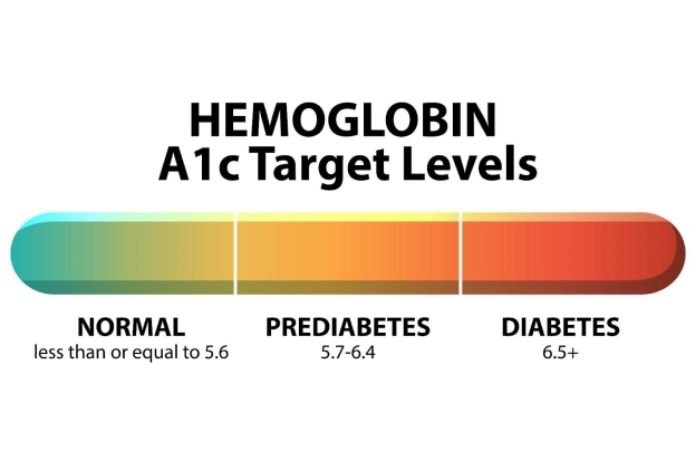
- Type 1 diabetics: CGM is a blessing. It’s safer, easier, and smarter.
- Type 2 diabetics: Helpful if your sugar fluctuates, or you’re adjusting medicines.
- Pre-diabetic/lifestyle folks: Great short-term tool to understand what foods mess you up.
- Non-diabetics: Okay if you’re a health enthusiast, but don’t become sugar-obsessed. The goal is learning, not chasing “perfect flat line.”
Just remember: CGM is a tool, not a diagnosis. Always cross-check with a doctor if something looks off.
Read More: Insulin Production and The Role of Insulin in Type 1 Diabetes Management
What Nobody Tells You About CGMs
Every device has some considerations. Here are some caveats you should know (and check).
- It’s addictive. Watching that graph is like checking social media likes. You’ll keep opening the app every hour. Relax – trends matter more than one spike.
- It’s not always right. Especially right after a meal or a workout, the number can lag by a few minutes.
- Skin issues happen. Some people get redness, itch, or an allergy. Keep rotating sensor spots.
- Data overload is real. The app gives you hundreds of numbers. Unless you note what you ate/did, you’ll have no clue why your sugar moved.
- Costs can be high. The sensor looks small, the bills don’t. Check the replacement schedule before you commit.
Read More: How Insulin Resistance Impacts Your Heart Health
Key Takeaway
The truth is simple – a CGM isn’t some magic gadget that will fix your sugar overnight. It’s more like a mirror. It quietly shows you what’s really happening inside. Once you see those patterns, you can’t unsee them, and that awareness alone makes you eat smarter, move a little more, and panic a little less.
The right CGM for you depends on your need – not the price tag. If you’re on insulin, invest in the accurate, alert-based one. If you just want to learn how your body reacts to food, a simpler short-term sensor is enough.
Don’t get lost in fancy charts or technical words like MARD and calibration; what matters is whether you can actually use that data to live better. That’s the whole point. Wear it, learn from it, then act on it. The real win isn’t in the numbers, it’s in what you do after you see them.
References
- https://www.niddk.nih.gov/health-information/diabetes/overview/managing-diabetes/continuous-glucose-monitoring
- https://www.liebertpub.com/doi/full/10.1089/dia.2023.0435
- https://my.clevelandclinic.org/health/articles/continuous-glucose-monitoring-cgm
- https://www.mdpi.com/1424-8220/23/22/9256
- https://bmcendocrdisord.biomedcentral.com/articles/10.1186/s12902-023-01472-6
- https://pubmed.ncbi.nlm.nih.gov/34931427/
In this Article