












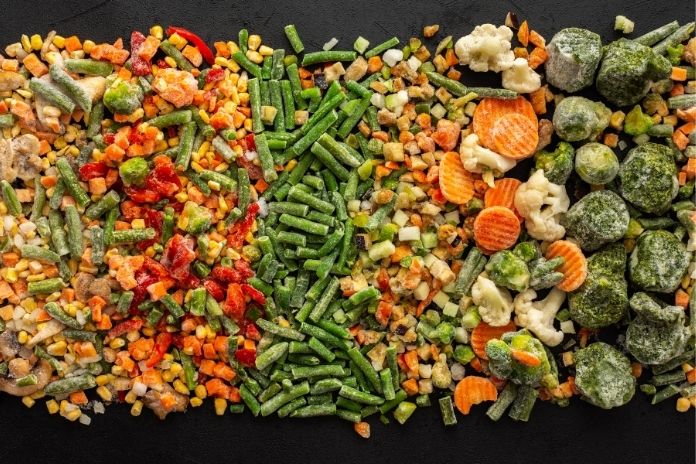
Every meal at our home is fresh. I ensure that the meals are fresh and nutritious for the overall health of the family. And I am sure most of us do the same. We have all been brought up with the concept that “fresh is always better.” As far as vegetables are concerned, fresh seems the gold standard of nutrition and flavor. But the reality is, fresh doesn’t always mean fresher or more nutritious. Surprised? Read on!
The fact that frozen vegetables are very convenient for many of us. They are affordable and less wasteful. They last for many months, need no prep time whatsoever, and help reduce food waste; something fresh produce can’t always match.
This brings us a key question: Does freezing harm the nutrition of vegetables? Or can frozen ones sometimes be just as good or better than the fresh produce?
In this article, we will break down how vegetables are processed for freezing and how nutrient retention compares to fresh produce. We shall also discuss when frozen might be the smarter pick, and how to get the best of both worlds.
Did You Know?
Some frozen vegetables can actually have higher vitamin levels than “fresh” ones that have been sitting in storage or transported long distances. That is because freezing locks in nutrients at their peak harvest moment.
Read More: Are Nightshade Vegetables Bad for Your Gut?
How Freezing (and Fresh Supply) Affects Nutrients
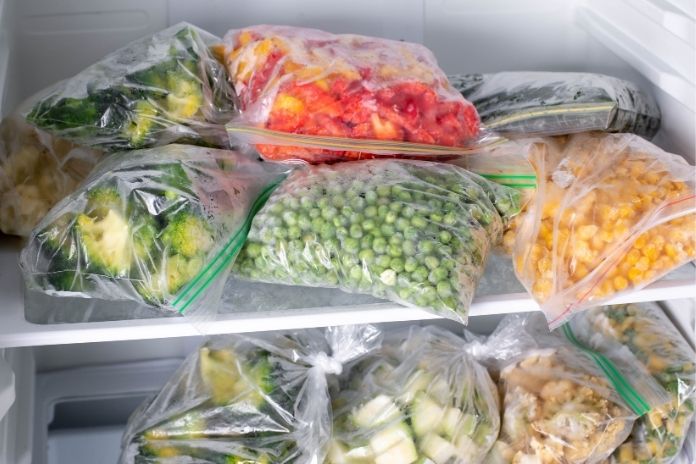
Freezing is more than just chilling vegetables. It is a detailed process that helps preserve their quality. Vegetables desired for freezing are usually picked at peak ripeness when their nutrient content is highest; they’re then blanched. This means briefly boiled or steamed, to kill spoilage-causing enzymes. Then these are flash-frozen fast and packaged to seal in freshness.
In contrast, most “fresh” vegetables have a long supply chain where they are harvested before they are ripe. Add to that, they are transported for days, kept in warehouses, and then displayed in a shop. It is during this time that sensitive nutrients such as vitamin C and B vitamins begin to break down.
Here’s how the processes differ:
- Frozen vegetables are picked and frozen within hours. Thus, they retain most of their vitamins and minerals.
- Fresh vegetables can lose as much as 50%of their vitamin C if they are stored for several days or weeks before reaching your plate.
- The blanching can result in the loss of some water-soluble vitamins, particularly vitamin C. However, the freezing process after that point tends to lock in what remains. Overall, freezing retains nutrients far better than prolonged storage or transport.
Frozen vegetables generally retain, or even beat, the nutrient levels of fresh produce that may have sat around for a few days.
Read More: Why Some People Can’t Digest Cruciferous Vegetables (and What to Do About It)
What the Research Says — Fresh vs Frozen Nutritional Comparison
Scientific studies comparing frozen and fresh vegetables often note the minimal differences between the two in total nutrient content. In many of these studies, frozen vegetables had virtually similar levels of vitamins, minerals, and antioxidants as their fresh counterparts.
In some cases, frozen vegetables even scored higher. This is particularly true for nutrients like vitamin A, folate, and carotenoids. This happens as they were processed immediately after harvest, while “fresh” samples had already lost nutrients in storage.
That said, nutrient retention depends on:
- Type of Vegetable: Leafy greens and peas are more sensitive to blanching, whereas root vegetables are more stable.
- Storage Conditions: Long storage at room temperature degrades nutrients faster.
- Cooking Methods: Steaming and microwaving retain more nutrients in comparison to boiling.
Blanching before freezing can result in a loss of 10–80% in vitamin C for some vegetables. However, once frozen, nutrient levels remain relatively stable for months.
Myth vs Fact
- Myth: Frozen vegetables are far less nutritious compared to fresh ones.
- Fact: Most studies show frozen vegetables are nutritionally comparable and sometimes superior because they’re frozen right after harvest, locking in peak nutrient density.
When Frozen Vegetables May Be the Better Choice
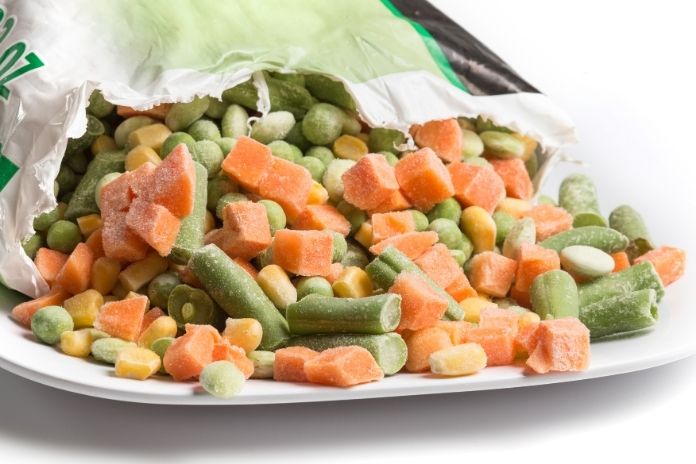
Frozen vegetables aren’t just convenient. In many situations, they’re the smarter choice nutritionally and economically.
Consider the following:
- Off-season Produce: When fresh options have traveled a long way or have been stored for weeks, frozen alternatives often contain more vitamins.
- Food Waste Prevention: Frozen veggies reduce spoilage. You must use only what is needed and store the rest.
- Budget-friendly Nutrition: Most times, frozen produce is cheaper and available throughout the year.
- Busy Schedules: They’re pre-washed, pre-chopped, and cook quickly, making healthy meals easier.
Frozen vegetables make it easier for most households to keep up with a constant need to consume nutrient-dense foods. All this without fear of spoilage or seasonal availability.
“Fresh and frozen are generally nutritionally similar and comparative. I would focus on what works best for you and your family based on things like cost, convenience, and personal preference, with the major goal being to increase overall vegetable intake,” says Michael Laguros, MS, RD, a registered dietitian and extension program specialist at Texas A&M AgriLife Extension Service.
To put it simply, the best vegetable is the one you will eat. Whether fresh or frozen, it is the regular consumption that can make the biggest difference to your health.
How to Choose and Use Fresh vs Frozen for Maximum Benefit

Whether you choose fresh or frozen vegetables, handling and cooking make a huge difference in how many nutrients you retain in your meals.
In case of fresh vegetables:
- When possible, try to choose local and in-season produce.
- Try to use the fresh vegetables soon after purchase, as nutrient loss begins quickly.
- Store them properly. Preferably in a cool, dark environment for roots, while refrigeration is a must for greens.
In case of frozen vegetables:
- Choose products with no added salt, sauces, or sugars, just the vegetable itself.
- Try to store them at uniform freezing temperatures and avoid multiple thawing and refreezing.
- Do not overcook. Brief steaming or sautéing will help retain vitamins and color.
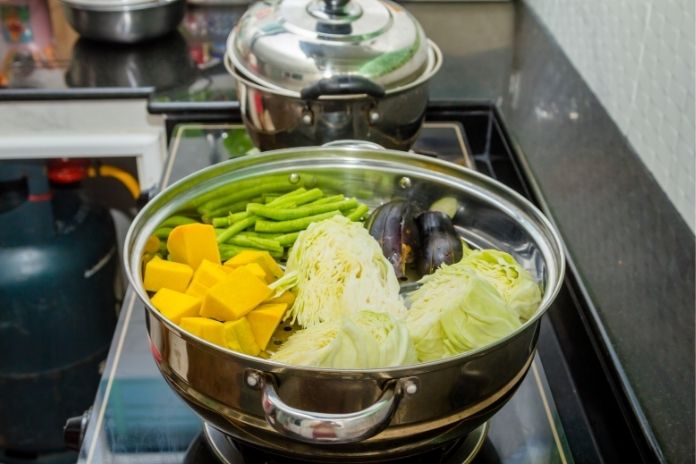
Cooking tips:
- Instead of boiling vegetables, steaming, stir-frying, or microwaving can help minimize nutrient loss.
- Combine fresh and frozen options in your meals. For example, fresh salad greens with frozen peas or corn for added variety.
- Use frozen vegetables straight from the freezer into the pan; do not thaw, unless specified.
Pro tip: If you meal-prep for the week, frozen vegetables save time and cut down on food waste without sacrificing nutrition.
Read More: New Study Finds Preventive Measures Of Colon Cancer In Vegetables
Key Takeaway
The notion that vegetables are always better fresh, does not hold up to scientific scrutiny. While fresh produce is great when it is eaten not long after being harvested, it often loses nutrients during transport and storage.
In contrast, frozen vegetables are preserved immediately following harvest, which helps minimize nutrient loss during storage. They also offer convenience, affordability, and easy access.
The bottom line? Eat more vegetables in any form. Whether they are from the farmers’ market or the freezer aisle, whether frozen, canned, or raw, the key is consistent variety and intake. Your body benefits from the nutrients, not from how the vegetables were stored.
FAQs
Are frozen vegetables less nutritious than fresh vegetables?
Not necessarily. Frozen vegetables usually have nutrient levels similar to fresh ones and, in some cases, higher. Certainly, when “fresh” has been stored for days.
Does blanching and freezing kill important nutrients?
Some vitamin C and B-vitamin loss does occur with blanching, but the freezing process afterward effectively locks in the remaining nutrients.
Are there vegetables whose nutrients drastically decrease when frozen?
More delicate greens, such as those including spinach or lettuce, may lose more texture and some nutrients when freezing, but most vegetables, including broccoli, peas, and carrots, hold up quite well.
Can frozen vegetables be consumed raw, or are they always to be cooked?
It is best to lightly cook them, since blanching does not always kill the bacteria. Steaming or microwaving would be ideal.
How long can I store frozen vegetables before their nutrients begin to deteriorate?
Most frozen vegetables retain their nutrients for 8–12 months when stored properly at 0°F (-18°C). Avoid thawing and refreezing to maintain quality.
References
- https://www.flexfoodsltd.com/blog/are-frozen-vegetables-healthy.php
- https://fruitsandveggies.org/blog/buzz-frozen-fruits-veggies-nutritionally-comparable-fresh/
- https://affi.org/uc-davis-study-reinforces-the-nutritional-benefits-of-frozen-fruits-and-vegetables/
- https://www.goodrx.com/well-being/diet-nutrition/frozen-vs-fresh-veggies
In this Article