













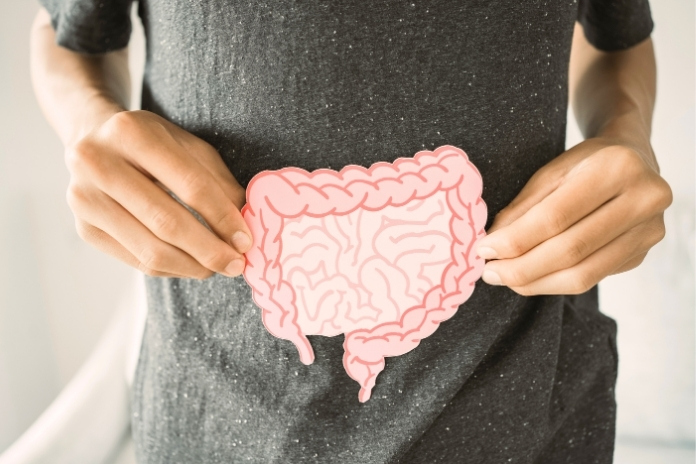
Your gut and brain are in constant conversation, and what they’re saying to each other might surprise you. This intricate communication network—known as the gut-brain axis—plays a powerful role in shaping your mood, emotions, and overall mental health. Recent scientific breakthroughs have revealed that the trillions of microorganisms living in your digestive system aren’t just helping you digest food—they’re actively influencing how you think and feel.
“You can’t have a healthy brain without a healthy gut,” explains Dr. Shari Youngblood, assistant professor at Saybrook University’s Department of Integrative and Functional Nutrition. “That would be like having a chlorinated and a non-chlorinated half of a swimming pool. You can think of your gut as your second brain.”
Understanding this connection opens up exciting possibilities for managing mental health through gut health. In this article, we’ll explore how your digestive system communicates with your brain, the factors that influence this relationship, and practical strategies you can use to support both your gut and mental well-being.
Read More: Gut-Brain Connections With Autism, New Study Reveals
The Gut-Brain Connection Explained

The gut-brain axis is a sophisticated two-way communication highway linking your digestive system with your central nervous system. Think of it as a biological walkie-talkie, constantly exchanging information in both directions.
Dr. Christoph Thaiss, assistant professor of pathology at Stanford Medicine, describes the gut-brain connection as “a key part of how the brain forms a picture of the rest of the body, a phenomenon known as interoception.” This means your brain relies on signals from your gut to understand what’s happening throughout your entire body.
How the Communication Works
This remarkable dialogue happens through multiple pathways:
- The vagus nerve: This major nerve acts as a direct phone line between your gut and brain, transmitting sensory information about conditions in your digestive system and sending motor signals back in response.
- Neurotransmitter production: Your gut microbiota, the community of bacteria and other microorganisms in your intestines, actively produces and regulates neurotransmitters, the chemical messengers that influence your mood and emotions.
- Immune system signals: Since more than half of your immune system resides in your gastrointestinal tract, immune responses in your gut can trigger changes in brain function.
- Endocrine pathways: Your gut bacteria produce hormones and other compounds that travel through your bloodstream to affect brain chemistry.
When your gut microbiota is balanced and healthy, it sends positive signals to your brain. But when things fall out of balance, a condition called dysbiosis, your gut alerts your brain that something is “off.” Your brain then adjusts your emotional and cognitive processes in response, which may be one fundamental cause of mood disorders.
Research increasingly shows that signals from gastrointestinal irritation can reach your central nervous system and trigger mood changes.
This bidirectional relationship means that not only can gut problems affect your mental state, but stress and emotional distress can also disrupt your digestive health, creating a cycle that can be difficult to break without addressing both sides of the connection.
Gut Health and Mental Health

The evidence linking gut health to mental well-being continues to grow stronger. Studies have connected changes in gut microbiota composition to conditions including depression, anxiety, autism, and other neurodevelopmental disorders.
The Microbiome’s Role in Mood Regulation
Your gut microbiome actively participates in producing and modulating neurotransmitters essential for mood regulation. Depending on the health and diversity of your microbiome, you may be more or less susceptible to anxiety and depression. Research has shown that people with certain gut bacteria profiles experience different mental health outcomes than those with other profiles.
A small 2017 study illustrated this connection powerfully: 44 participants with irritable bowel syndrome took a specific probiotic for six weeks, and the results showed significant reductions in both anxiety and depression. While more research is needed, findings like these suggest that improving gut health might offer a new avenue for managing mental health symptoms.
Researchers have also observed that people with gastrointestinal problems experience anxiety and depression at higher rates than the general population. Even without diagnosed digestive disorders, an upset stomach can trigger feelings of low mood, and conversely, feeling anxious or depressed can manifest as digestive discomfort.
The Impact of Gut Imbalance
When your gut microbiome falls out of balance, the effects can extend far beyond digestive symptoms. Studies have found that reduced levels of bacteria that produce butyrate (a beneficial short-chain fatty acid) and bacteria that break down dietary fiber correlate with less frequent bowel movements and poorer cognitive performance.
An imbalanced microbiome can negatively impact your mental health by increasing stress responses and vulnerability to anxiety. On the flip side, a balanced, diverse microbiome can enhance your ability to withstand stress and maintain emotional stability. By taking better care of your gut, you may be able to improve your mental health naturally.
Read More: Gut Brain Connection Might Explain Why Obesity Occurs
Factors Influencing Gut Health

Understanding what affects your gut health is the first step toward making positive changes. While some factors are beyond your control, many aspects of gut health can be influenced through daily choices.
Diet: The Primary Driver
What you eat profoundly impacts the structure and function of your gut microbiome. Different dietary components, carbohydrates, fats, proteins, vitamins, minerals, and fiber, all influence which bacteria thrive in your digestive system.
The typical Western diet, characterized by processed foods, added sugars, and low fiber content, is a major contributor to gut dysbiosis and the chronic diseases associated with it. Research has shown that long-term poor eating patterns are significant drivers of numerous non-communicable diseases. Processed foods contain sugars that are converted quickly in your system, which can harm your digestive health and promote the growth of less beneficial bacteria.
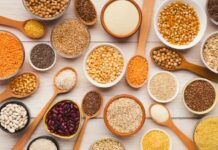
In contrast, a diet rich in whole, unprocessed foods supports a diverse and healthy gut microbiome. Whole grains, fruits, vegetables, legumes, and nuts provide the nutrients and fiber that beneficial bacteria need to flourish. These foods can also prevent the growth of bacteria associated with illness and inflammation.
Probiotics and Prebiotics
Probiotics are beneficial bacteria that boost the healthy microorganisms in your digestive system. You can find them in fermented foods like yogurt, kefir, fresh sauerkraut, kimchi, and kombucha, as well as in supplement form.
Prebiotics are compounds that humans can’t digest but gut bacteria can, essentially, fiber and other materials that feed your beneficial microbes. Together, probiotics and prebiotics help create and maintain a thriving community of beneficial microbes, strengthening gut health and supporting digestion.
Lifestyle Factors
Beyond diet, several other factors influence your gut microbiome:
- Physical activity: Exercise stimulates colon motility, promoting more regular bowel movements and helping manage symptoms of irritable bowel syndrome. Studies have also shown that physical activity increases the diversity of gut microbiota.
- Stress levels: Excessive stress directly impacts gut health through the gut-brain axis. The relationship works both ways—stress can disrupt your gut, and gut problems can increase feelings of stress and anxiety.
- Sleep quality: Research shows that even two days of insufficient sleep can negatively affect gut microorganisms. Given the bidirectional communication between your gut and brain, anything that impairs sleep also harms gut health, creating another potentially harmful cycle.
- Age and genetics: While you can’t control these factors, studies show they play significant roles in determining your gut microbiome composition.
- Smoking: Tobacco use disrupts the gut microbiome and should be avoided for optimal digestive and mental health.
Read More: Can Your Gut Bacteria Cause Insomnia? What Science Reveals About the Gut-Sleep Connection
Strategies for Improving Gut Health
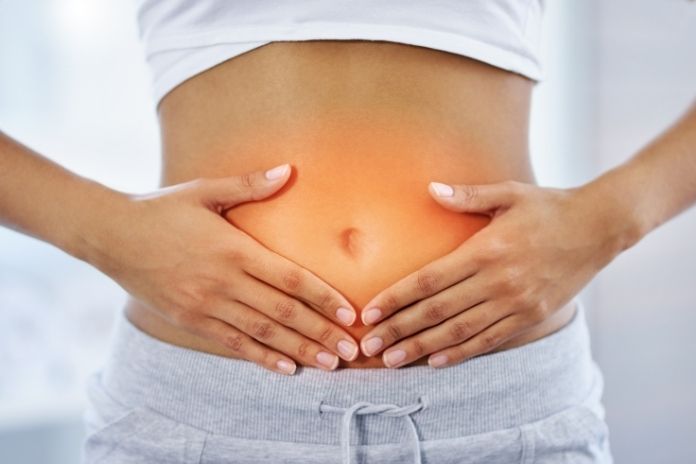
Shayna Komar, a registered dietitian at Piedmont Atlanta Hospital, emphasizes that “since the GI tract houses more than half of your immune system, gut health is crucial. Maintaining a healthy digestive system is one strategy to ward off significant illnesses in the future.”
Here are evidence-based strategies for optimizing your gut health:
Prioritize Dietary Fiber
Dietary fiber, found abundantly in fruits, vegetables, whole grains, legumes, and nuts, is perhaps the single most important nutrient for gut health. Fiber helps maintain regularity, reduces the risk of colon cancer, and nourishes the beneficial bacteria in your digestive system.
Beyond preventing constipation, eating fiber-rich foods helps maintain a healthy weight and reduces your risk of developing diabetes, heart disease, and certain cancers. Aim to include a variety of high-fiber foods in your daily diet to ensure exposure to a broad spectrum of nutrients and support a rich, well-balanced gut flora.
Embrace Dietary Diversity
Eating a wide variety of foods exposes your gut to different nutrients and supports a more diverse microbiome. A diverse microbiome is generally more resilient and better able to support both physical and mental health. Try to include different colors of fruits and vegetables, various whole grains, and different protein sources throughout your week.
Stay Well-Hydrated
Water is essential for maintaining intestinal health. It supports the mucosal lining of your intestines and helps transport nutrients to cells throughout your body. Aim to drink at least eight 8-ounce glasses of water daily, and consider including water-rich foods like cucumbers, watermelon, and citrus fruits in your diet.
Eat Smaller, More Frequent Meals
Rather than overwhelming your GI tract with large meals, try eating smaller portions more frequently throughout the day. This approach can ease digestive burden and help maintain more stable blood sugar levels, which also benefits mood and energy.
Manage Stress Effectively
Since stress directly impacts gut health, developing effective stress management techniques is crucial. Yoga, meditation, counseling, and even journaling have all been shown to reduce stress and anxiety. Regular practice of these techniques can help break the stress-gut health cycle.
Prioritize Quality Sleep
Getting adequate sleep is vital for maintaining gut health and supporting the gut-brain axis. Aim for seven to nine hours of sleep per night. You can improve sleep quality by establishing a consistent sleep schedule, creating a relaxing bedtime routine, and optimizing your sleep environment.
The connection between sleep and gut health works in both directions: poor sleep can harm your gut microbiome, and gut problems can disrupt sleep. Improving your sleep hygiene, through habits like limiting screen time before bed, keeping your bedroom cool and dark, and maintaining regular sleep-wake times, benefits both your gut and your mental health.
Exercise Regularly
Physical activity isn’t just beneficial for your cardiovascular system and muscles; it’s also essential for maintaining gut health. Exercise stimulates healthy bowel movements, helps manage digestive symptoms, and may even increase the diversity of your gut microbiome. Find activities you enjoy and aim for at least 30 minutes of moderate exercise most days of the week.
Consider Professional-Grade Probiotics
While fermented foods provide beneficial bacteria, some people benefit from probiotic supplements, especially when recovering from antibiotic use or managing specific digestive conditions. Consult with a healthcare provider to determine whether probiotics might benefit you and which strains would be most appropriate for your situation.
Seeking Professional Guidance

While the strategies outlined above can benefit most people, working with healthcare professionals ensures a targeted approach to your specific needs and challenges.
When to Consult a Professional
You should consider seeking medical attention if you experience:
- Persistent gastrointestinal problems that don’t improve with dietary changes
- Severe mood disorders or the onset of mental health symptoms
- Unexpected weight changes without a clear cause
- Chronic constipation or diarrhea
- Digestive symptoms that interfere with daily life
Early intervention can lead to proper diagnosis and appropriate treatment, preventing potential complications down the road.
Working with Specialists
A gut health specialist or registered dietitian can help identify the pieces of your unique digestive puzzle. These professionals can develop a personalized meal plan tailored to your specific needs, food sensitivities, and health goals. With a customized approach, you won’t have to give up your favorite foods unless they’re genuinely problematic for your well-being.
Numerous factors influence gut health—including genetics, overall health status, food sensitivities, mental health conditions, and lifestyle choices. A trained dietitian or nutritionist can help you navigate these complexities and develop long-term strategies for addressing your concerns through nutrition.
When selecting a nutrition counselor or healthcare provider, choose someone you feel comfortable with. You’ll be discussing many aspects of your health, so openness and trust in the relationship are essential for success.
Read More: How Your Gut Bacteria Affects Your Food Cravings (And How to Hack It)
Conclusion
The gut-brain connection represents one of the most exciting frontiers in both digestive and mental health research. Understanding how your gut microbiome influences your emotional well-being empowers you to take concrete steps toward better mental health through improved gut health.
Small changes can make a significant difference: adding more fiber-rich whole foods to your diet, staying well-hydrated, managing stress through proven techniques, prioritizing quality sleep, and exercising regularly all support a healthier gut microbiome and, by extension, better mental well-being.
Remember that your journey to optimal health is unique. What works for someone else may not work identically for you, and that’s okay. Be patient with yourself as you implement changes, and pay attention to how different strategies affect your digestion, mood, and energy levels.
While self-care is important, don’t hesitate to seek professional guidance when needed. Healthcare providers, registered dietitians, and mental health professionals can offer personalized recommendations and treatments tailored to your individual situation.
By nurturing your gut health, you’re not only supporting your physical well-being—you’re laying the foundation for a more resilient and balanced mental state. Your gut and brain are partners in health, and when you care for one, you’re taking care of both.
References
- Harvard Health Publishing. (n.d.). The gut-brain connection. Harvard Medical School. Retrieved November 11, 2025.
- Carabotti, M., Scirocco, A., Maselli, M. A., & Severi, C. (2015). The gut-brain axis: Interactions between enteric microbiota, central and enteric nervous systems. Annals of Gastroenterology, 28(2), 203-209.
- Appleton, J. (2018). The gut-brain axis: Influence of microbiota on mood and mental health. Integrative Medicine: A Clinician’s Journal, 17(4), 28-32.
- Johns Hopkins Medicine. (n.d.). The brain-gut connection. Retrieved November 11, 2025.
- Robertson, R. (2020, June 27). The gut-brain connection: How it works and the role of nutrition. Medical News Today.
- Liu, L., & Zhu, G. (2018). Gut-brain axis and mood disorder. Frontiers in Psychiatry, 9, 223.
- Piedmont Healthcare. (n.d.). 10 tips for a healthier gut. Retrieved November 11, 2025
- Northeast Digestive Health Center. (n.d.). The link between gut health & mental health. Retrieved November 11, 2025
- Top Nutrition Coaching. (n.d.). What is a gut health nutritionist? Retrieved November 11, 2025
- Silva, Y. P., Bernardi, A., & Frozza, R. L. (2020). The role of short-chain fatty acids from gut microbiota in gut-brain communication. Frontiers in Endocrinology, 11, 25.
- Health Spectra. (n.d.). Banana at night for weight loss: Good idea or a mistake? Retrieved November 11, 2025
- Stanford Profiles. (n.d.). Christoph Thaiss. Retrieved November 11, 2025
- Saybrook University. (n.d.). Gut-brain connection: Microbiome impacts mental health. Unbound. Retrieved November 11, 2025
- Saybrook University. (n.d.). Shari Youngblood. Faculty directory. Retrieved November 11, 2025
In this Article