















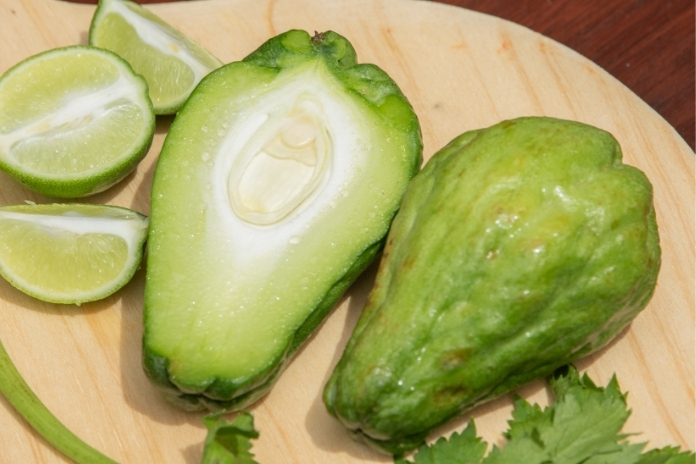
Chayote squash (Sechium edule) might look plain at first glance, a light green, pear-shaped vegetable with smooth skin and mild flavor, but don’t let its simplicity fool you. This humble gourd is a nutritional sleeper hit, long valued in Latin American, Asian, and Caribbean cuisines for its versatility and health benefits.
Whether you’ve seen it labeled as chayote, mirliton, chocho, or vegetable pear, it’s one of those foods that quietly supports your health in multiple ways without demanding attention.
What makes it special is its balance: low in calories yet rich in fiber, water, and micronutrients like vitamin C, folate, and potassium. Studies suggest it may support heart health, digestion, and metabolic balance, all while being easy to cook, easy to digest, and surprisingly adaptable in recipes. You can toss it into stir-fries, soups, curries, or even salads without overpowering other flavors.
In this guide, we’ll look at what the science says about chayote’s nutritional value, explore its evidence-backed benefits, and share practical ways to enjoy it, along with safety tips and quick meal ideas. The goal isn’t to sell it as a miracle food, but to show why this underappreciated vegetable deserves a place in your kitchen.
What is Chayote Squash and Why It Matters
Chayote (Sechium edule) is a humble member of the gourd family (Cucurbitaceae), related to zucchini, cucumber, and melon. Originally from Central America, where it was cultivated by the Aztecs and Mayans, it’s now enjoyed across Latin America, Southeast Asia, and the Caribbean. Its pale-to-medium green skin, gentle ridges, and pear-like shape make it easy to spot once you know what to look for.
The flavor is mild, fresh, and slightly sweet, somewhere between a cucumber and a zucchini, which makes it incredibly versatile. So, why should you care about this unassuming squash? Because it’s a nutritional quiet achiever.
- Low in calories, high in hydration: Chayote is over 90% water, making it great for light, filling meals.
- Rich in key nutrients: It’s a solid source of vitamin C, folate, potassium, and fiber.
- Packed with antioxidants: Compounds like flavonoids and polyphenols help fight oxidative stress and support heart health.
- Budget-friendly and accessible: You get nutritional value without the price tag of trendy “superfoods.”
Put simply, chayote offers a smart, practical way to add volume, nutrients, and freshness to everyday meals, no fuss, no hype, just good food that works for your body.
Nutrition Profile at a Glance
A typical whole chayote (about 203 g) contains roughly:
- Calories: ~39 kcal
- Carbohydrates: ~9 g
- Fiber: ~4 g (≈12% DV)
- Protein: ~2 g
- Vitamin C: ~17% Daily Value (DV)
- Folate (B9): ~31–47% DV (values vary by source/serving weight)
- Manganese, copper, vitamin K, small amounts of potassium, and magnesium.
Those numbers are consistent with published nutrient databases and evidence-based summaries: chayote is mostly water, low in fat and calories, and provides meaningful folate and vitamin C per serving, useful if you want nutrient density without a calorie load.
The fiber content is noteworthy because a single serving gives a meaningful share of daily fiber needs, which supports digestion and satiety.
Evidence-Backed Health Benefits

Chayote might not have the marketing appeal of “superfoods,” but science quietly supports its place in a balanced diet. Its unique mix of fiber, antioxidants, and micronutrients gives it several credible health advantages, even if the research is still emerging.
Most studies so far are small or use extracts, but the biological mechanisms, anti-inflammatory activity, blood-sugar moderation, and vascular support make sense in light of what’s already known from broader nutrition science.
Below are the key health effects with realistic explanations of what’s known, what’s plausible, and where evidence is still limited.
1. Supports Heart Health
Chayote brings together two cornerstones of cardiovascular protection: fiber and antioxidants. Both have well-established roles in reducing heart disease risk.
- The fiber in chayote helps lower LDL cholesterol by binding to bile acids and reducing reabsorption, a mechanism common to most high-fiber foods.
- It contains antioxidant flavonoids such as myricetin, quercetin, and kaempferol, which may reduce oxidative damage to blood vessels and curb inflammation, key drivers of atherosclerosis.
- Animal and extract-based studies show improvements in lipid profiles and blood pressure markers, aligning with these biological mechanisms.
While large human trials are still missing, the logic and early data suggest this: including chayote in a diet rich in fruits and vegetables supports overall cardiovascular health.
Read More: Dietary Guidelines for a Healthy Heart
2. Helps Regulate Blood Sugar
Chayote has a naturally low glycemic load, which makes it useful for people looking to stabilize blood sugar.
Here’s how it works:
- Low in digestible carbs, high in fiber: It slows glucose absorption, helping to reduce post-meal spikes.
- Plant compounds may enhance insulin sensitivity: Certain polyphenols and flavonoids in chayote are linked with improved glucose metabolism in animal models.
- Research support: One controlled trial in older adults with type 2 diabetes found consistent consumption of chayote led to measurable drops in fasting glucose levels.
This doesn’t mean it replaces medication, but it fits neatly into a lower-glycemic, fiber-rich diet that supports better metabolic balance.
Read More: 13 Effective Strategies for Lowering Your Sugar Levels Naturally
3. Aids Digestion and Weight Management
Chayote is one of those foods that lets you eat more volume without extra calories, exactly what helps with sustainable weight control.
- High water + fiber = satiety: Both fill you up and stretch the stomach slightly, triggering satiety hormones that curb appetite.
- Prebiotic effect: Fiber nourishes beneficial gut bacteria, indirectly improving digestion and reducing bloating.
- Practical application: A single serving adds bulk to meals, whether it’s in soups, salads, or stir-fries, without increasing calorie density.
Long-term studies consistently link high-fiber diets to healthier body weight, improved metabolic markers, and better gut health. Chayote fits perfectly into that evidence base.
Read More: 18 Foods That Suppress Appetite for Weight Management
4. Rich in Antioxidants, Anti-Inflammatory, and Cell-Protective
Chayote’s antioxidants are subtle but meaningful contributors to your daily defense against oxidative stress.
- It contains polyphenols and flavonoids, notably myricetin, one of the most active compounds in chayote.
- Lab evidence: These compounds show anti-inflammatory, antioxidant, and even mild anti-aging effects in cell and animal models.
- Example: In vitro studies found chayote extracts reduced UV-induced skin cell damage and inflammatory markers.
While we don’t yet know the precise clinical outcomes in humans, the pattern is clear: regular intake of antioxidant-rich vegetables like chayote supports cellular protection and long-term health.
5. A Pregnancy-Friendly Folate Source
Folate (vitamin B9) is critical during early pregnancy; it supports fetal neural-tube formation and prevents related birth defects.
Chayote stands out among vegetables for its folate density:
- One cup of cooked chayote offers around 30–35% of the daily folate requirement.
- It’s a gentle, whole-food source that complements prenatal supplementation without risk of excess.
- Its mild taste and easy digestibility make it ideal for those experiencing morning sickness or food aversions.
In short, chayote is a simple way to add folate-rich freshness to a pregnancy diet, under medical guidance.
6. Emerging Benefits: Liver Protection and Metabolic Syndrome
New research is exploring how chayote may support liver function and protect against metabolic syndrome, a cluster of conditions including high blood sugar, cholesterol imbalance, and abdominal fat.
- Animal studies show chayote extracts reduce liver fat accumulation and improve lipid metabolism.
- Preliminary human findings suggest improvements in insulin sensitivity and inflammation markers with regular chayote consumption.
- Mechanistic support: The same antioxidants that protect the heart also help prevent fatty liver changes caused by oxidative stress.
The catch? Most studies use extracts or concentrated doses, not everyday portions of cooked chayote. So, while the results are promising, they’re not yet conclusive. Still, adding chayote to a balanced, minimally processed diet makes biological sense for liver health.
According to Christine Mikstas, RD, “Chayote squash … may contain compounds that protect against fat buildup in the liver … researchers have found that phytochemicals in chayote can improve blood flow and reduce blood-pressure levels.”
How to Add Chayote Squash to Your Diet
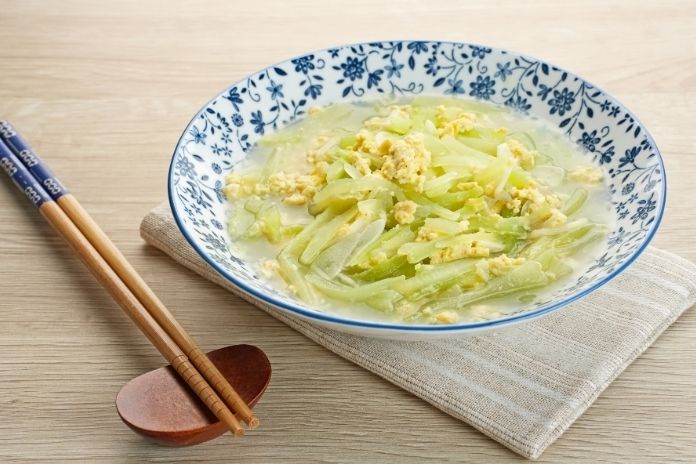
Chayote’s subtle taste is a big advantage: it absorbs flavors and works in sweet or savory dishes. Here’s how to use it.
Basic preparation tips
- Choose: Pick chayotes that are firm, bright green (or pale, depending on variety) and free of soft spots.
- Store: Keep in the refrigerator for up to 1–2 weeks; the high water content means it’s best used fresh.
- Peel or not: The skin is edible but can be slightly tough on larger fruit; many recipes leave the skin on, especially if organic. Some people report sap on the skin that can irritate sensitive hands. Rinse and wear gloves if you’re highly sensitive.
- Seed: The seed is edible; some cook it like a chestnut or slice it into dishes.
- Texture: Cooks quickly, steams, sautes, or roasts until tender-crisp (usually 10–20 minutes depending on cut).
Simple ways to eat it
- Raw: Thinly sliced into salads or slaws, it adds crunch and volume with almost no calories.
- Sautéed: With garlic, onion, and tomatoes, a fast side dish.
- Roasted: Cubed and roasted with other vegetables and a drizzle of olive oil.
- Soups and stews: Add to brothy soups or slow-cooked stews; it soaks up flavors and keeps a pleasant bite.
- Stir-fries: Works like zucchini, toss toward the end to keep texture.
- Pickled: Quick-pickle in vinegar, salt, and spices for a tangy condiment.
- Smoothies: In small amounts, peeled chayote adds hydration and fiber to green smoothies without changing flavor much.
Because chayote has a mild flavor, pair it with bold herbs (cilantro, parsley), citrus, chili flakes, garlic, or toasted seeds to make it pop.
Considerations and When to Be Cautious

Chayote is generally safe and well-tolerated, but it’s important to stay realistic about what the science does and doesn’t say. While its nutritional profile and antioxidant content are genuinely beneficial, the strength of evidence varies.
Many of the exciting findings come from lab and animal studies or research using concentrated chayote extracts, not from large human trials. That means we can’t yet quantify its direct clinical effects in real-world diets.
Think of chayote as a nutrient-rich, low-calorie addition to a healthy eating pattern, not as a cure or a replacement for medical care.
Possible Allergies and Skin Irritation
- True chayote allergies are rare, but they do occur.
- The peel releases a sticky sap that can irritate sensitive skin or cause mild tingling or dryness while cutting.
- If you notice itching, rash, or swelling after eating or handling chayote, stop using it and seek medical advice.
- To avoid irritation, wear gloves while peeling or slicing, especially if you’re prone to contact dermatitis.
Potassium and Kidney Disease
- Chayote naturally contains moderate levels of potassium.
- For most people, this supports healthy blood pressure and muscle function.
- However, if you have advanced kidney disease or follow a potassium-restricted diet, consult your nephrologist or dietitian before adding it regularly.
Not a Replacement for Medical Therapy
- Chayote can complement, but not replace, treatment for chronic conditions such as diabetes, heart disease, or fatty liver disease.
- Use it as part of an evidence-based eating plan, not as a standalone remedy.
- Clinical trials on extracts are promising but preliminary; they don’t substitute for prescribed medications or medical supervision.
How Much Chayote Should You Eat?
There’s no fixed “dose” for chayote. Treat it like any other vegetable: aim to include a variety of vegetables across your daily meals. One serving (roughly one small-to-medium chayote, ~150–200 g) provides fiber and micronutrients that make it a meaningful single-serve vegetable.
Eating chayote several times per week is a practical approach to gain benefits while keeping dietary variety. If you’re trying to target a specific condition (for example, using chayote as part of a blood-sugar control plan), discuss amounts with a registered dietitian or your clinician, who can place it into an individualized eating plan.
Bottom Line
Chayote is one of those ingredients that quietly earns its place on your plate. It’s not flashy or exotic, but it offers genuine nutritional value in a simple, affordable package. With its mix of fiber, folate, vitamin C, antioxidants, and hydration, chayote supports several areas of health, from heart and digestive function to blood-sugar balance and even early evidence of liver and metabolic benefits.
What makes it worth paying attention to is its practicality. You can toss it into soups, stews, stir-fries, or salads without changing the flavor profile of your meal, yet still increase its nutrient density and fiber content. For anyone aiming to eat more plants and fewer processed foods, chayote fits in seamlessly.
That said, it’s important to keep expectations grounded in science. Most of the more dramatic findings come from extract-based or animal studies, not long-term human research. So while chayote supports health, it shouldn’t be seen as a standalone solution for medical conditions.
In short, chayote is a low-risk, nutrient-rich, and highly adaptable vegetable-fruit that can help make everyday meals healthier. Its real strength lies not in being a miracle food, but in being an easy, consistent choice that supports the kind of diet where long-term wellness thrives.
References
- https://www.practo.com/consult/chayote-squash-daily-intake-chayote-squash-daily-intake-cause-any-sideffect-how-much-quantity-to-intake-daily/q
- https://pharmeasy.in/blog/ayurveda-uses-benefits-side-effects-of-chayote/
- https://www.netmeds.com/c/health-library/post/chayote-squash-chow-chow-nutrition-health-benefits-uses-and-recipes
- https://www.webmd.com/diet/health-benefits-chayote
- https://www.health.com/chayote-benefits-8432028
- https://www.researchgate.net/publication/390186558_Dietary_Intervention_with_Chayote_for_Blood_Pressure_Control
- https://fitelo.co/diet/chayote-benefits/
- https://www.researchgate.net/publication/390186558_Dietary_Intervention_with_Chayote_for_Blood_Pressure_Control
- https://www.clinikally.com/blogs/news/secrets-of-chayote-a-game-changer-in-skin-care
- https://pmc.ncbi.nlm.nih.gov/articles/PMC4774688/
- https://www.dawaadost.com/blog/chow-chow-vegetable-superfood-chayote-explained
- https://www.verywellfit.com/chayote-nutrition-facts-4772986
- https://megsird.gov.in/publications/Chayote_Package_Practices.pdf
- https://en.wikipedia.org/wiki/Chayote
- https://www.medicinenet.com/chayote_a_fruit_or_vegetable_what_health_benefits/article.htm
In this Article