










The relationship between circadian cycles and light exposure is essential for preserving sound sleep habits. Circadian rhythms, often called our internal biological clock, control several physiological functions, such as hormone production, metabolism, and sleep-wake cycles. Our bodies rely on light, particularly natural sunshine, to tell us when to wake up or sleep.
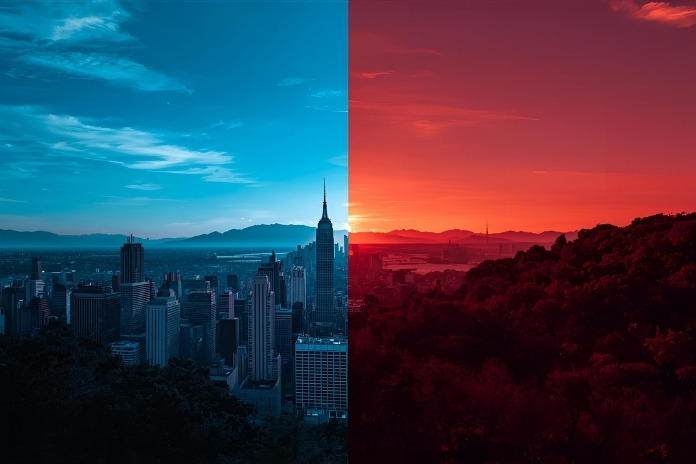
Red light and blue light have a significant influence on our sleep hygiene. Blue light emitted from screens and artificial lighting can inhibit melatonin, the hormone that regulates sleep, resulting in reduced sleep quality and difficulty falling asleep.
On the other hand, red light is believed to encourage calmness and relaxation and has less of an effect on melatonin levels. People can improve their sleep hygiene and enhance their general health and well-being by being aware of the effect of these two lights.
Read More: 10 Best Blue Light Blocking Glasses
Blue Light: Impact on Sleep Quality
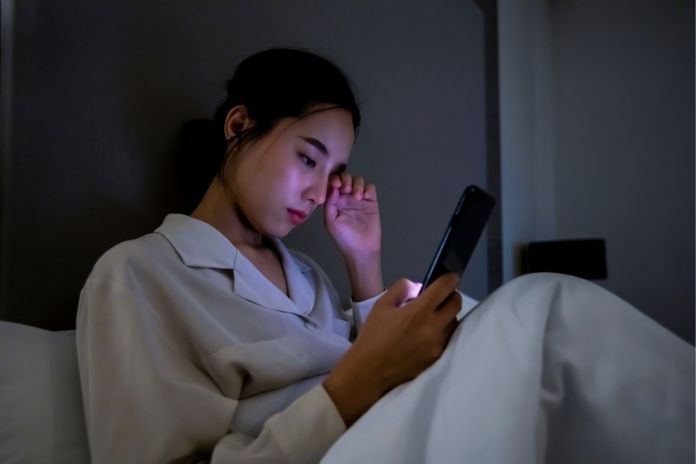
You can find blue light in every aspect of our technologically advanced environment, particularly from computer screens, phone screens, and LED lighting. Because it delays the generation of melatonin and interferes with our circadian cycles, this particular wavelength of light significantly impacts the quality of our sleep.
Our bodies naturally start to create melatonin as the evening draws near and the daylight diminishes, indicating it’s time to relax. However, our brain receives conflicting signals from blue light from gadgets, leading it to believe it is still sunlight.
Circadian disturbance can cause several detrimental consequences, such as trouble going to sleep, shorter sleep duration, and lower sleep quality. Frequent screen usage before bed impairs general health and the body’s capacity to get ready for sleep.
Making a blue light-free bedtime routine a priority is crucial to promoting restful nights and lively days.
Red Light: A Sleep-Friendly Alternative
Several individuals have sleep issues. It is important to know which type of light can have a positive impact on our sleep cycle. Red light has become a viable substitute for people looking to improve their nightly routines as the search for ways to achieve better sleep continues.
Exposure to red light before bed can promote relaxation and prepare the body for a good night’s sleep, in contrast to blue light, which disrupts melatonin production. This calming color creates a welcoming environment that promotes sleep by signalling to our brains that it’s time to wind down.
“We have shown that you can actually alert the brain by exposing people to that saturated red light,” said Mariana Figueiro, director of the Mount Sinai Light and Health Research Center in New York City.
A 2019 study led by Figueiro study examined whether delivering red light to closed eyes during sleep — via a red light mask — and to open eyes upon waking — using red light goggles — could reduce sleep inertia among 30 adults. Sleep inertia is a circadian process that modulates memory, mood, reaction time and alertness upon waking up, according to a 2015 study.
Some people experience impaired performance and grogginess during this time, and the effects of sleep inertia typically subside after 15 to 60 minutes, however, can also last up to a few hours.
Red light treatment devices are growing in popularity, and light therapy for better sleep has gained acceptance in health circles. Using red light in the hours before bed can help create a more tranquil and relaxing atmosphere.
Read More: Effects Of Blue Light On Sleep – Here’s How You Can Correct Them
Best Practices for Sleep Hygiene
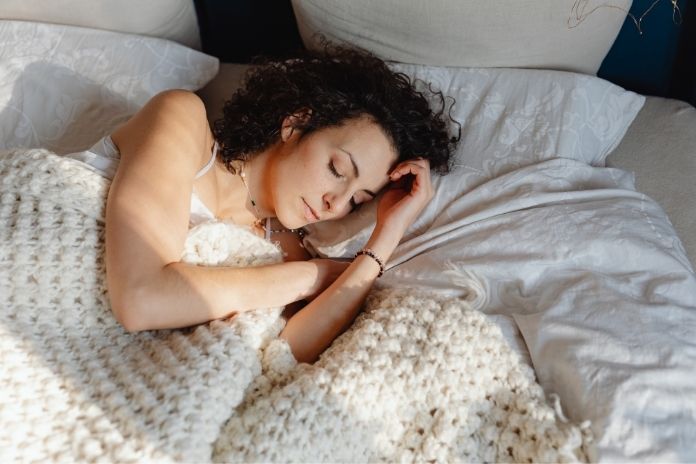
One of the simplest methods to prepare yourself for better sleep is to pay attention to sleep hygiene. A bedroom setting and daily habits supporting regular, undisturbed sleep are both components of good sleep hygiene. Individuals can customize their sleep hygiene regimen to meet their specific requirements. By doing this, you can develop healthy habits that will help you sleep through the night and wake up feeling refreshed.
Exposure to blue light in the evening is one of the main causes of disturbed sleep. Consider employing possible methods to lessen blue light at night, like turning on the night mode or applying screen filters on your electronics. These filters change the display to warmer hues that are less likely to disrupt the generation of melatonin. Additionally, to allow your body to relax, limit your usage of electronics at least one hour before bed.
Installing red light therapy lights or bulbs in your bedroom is an effective tactic. Adding red light to your pre-sleep atmosphere encourages calm and has been demonstrated to support melatonin levels.
When and How to Use Each Light Type

Using the power of light can significantly impact our daily routines and general health. Knowing when and how to use each type of light is crucial to maximizing its benefits. Blue light exposure during the day is essential for improving focus and raising attentiveness.
Including blue light in your daily routine, especially in the morning, helps your body recognize when it’s time to get up. Consider employing blue light-emitting light therapy lights to mimic natural sunlight for people who work indoors. It can boost their mood and increase their productivity.
As the sun sets, it’s time to turn toward the red light to unwind and get ready for sleep. Red light therapy works exceptionally well in the evening because it creates a relaxing atmosphere that encourages melatonin generation. Your body can relax by creating a calm environment with red light therapy lamps or switching to red light in your living areas.
For added convenience, explore apps with light filters designed to reduce blue light exposure from your devices in the evening. By strategically utilizing blue and red light throughout the day and night, you may efficiently control your circadian cycles and improve your alertness during the day and your ability to rest at night.
Read More: Effects Of Blue Light On Sleep – Here’s How You Can Correct Them
Conclusion
Understanding the different functions of red and blue light in preserving a regular sleep-wake cycle is essential to optimizing sleep. Red light promotes relaxation and generates melatonin at night, whereas blue light is necessary for improving daytime alertness and focus.
References
https://www.sleepfoundation.org/bedroom-environment/light-and-sleep
https://www.thensf.org/good-light-bad-light-and-better-sleep/
https://www.npr.org/sections/health-shots/2022/04/01/1089997121/light-disrupts-sleep
https://www.sleepfoundation.org/bedroom-environment/what-color-light-helps-you-sleep
https://sleepdoctor.com/sleep-environment/light-and-sleep/
https://www.sleepfoundation.org/bedroom-environment/sleeping-with-the-lights-on
https://www.health.harvard.edu/staying-healthy/blue-light-has-a-dark-side
https://www.sleepfoundation.org/bedroom-environment/blue-light
https://www.webmd.com/sleep-disorders/sleep-blue-light
https://pmc.ncbi.nlm.nih.gov/articles/PMC9424753/
https://www.medicalnewstoday.com/articles/blue-light-may-not-affect-sleep-wake-cycle
https://kidshealth.org/en/teens/blue-light.html
https://pmc.ncbi.nlm.nih.gov/articles/PMC6506010/
https://www.healthline.com/health/why-not-to-have-red-lights-on-at-night#facts-about-red-light
https://www.sleepfoundation.org/bedroom-environment/what-color-light-helps-you-sleep
https://edition.cnn.com/2023/06/01/health/red-light-therapy-benefits-sleep-wellness/index.html
https://www.sleepfoundation.org/sleep-hygiene
https://www.healthline.com/health/sleep-hygiene
https://health.clevelandclinic.org/sleep-hygiene
https://edition.cnn.com/2023/06/01/health/red-light-therapy-benefits-sleep-wellness/index.html
https://pmc.ncbi.nlm.nih.gov/articles/PMC6506010/
In this Article