











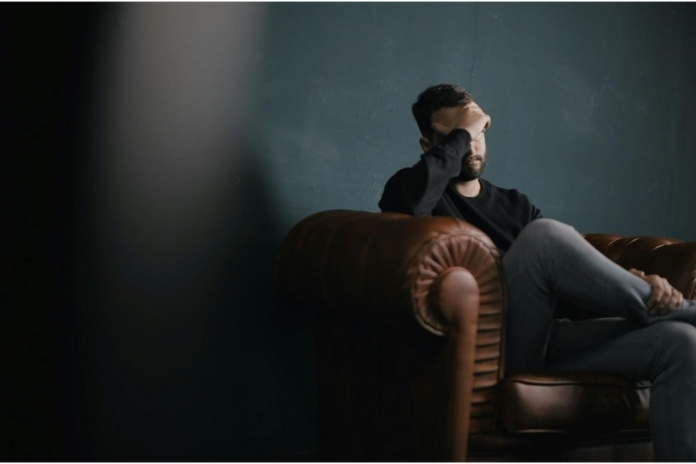
Why You Feel Low After the Holidays
You know that weird emptiness that hits once the lights come down, guests leave, and you finally unpack your bags? That’s the post-holiday blues – the quiet after noise. One day you’re surrounded by people, music, food, and chaos, and suddenly it’s just… silence, bills, and your alarm clock.
It’s more common than you think. This emotional dip comes from many small things stacked together, like a sudden routine change, financial stress after gifts and travel, missing people you love, fatigue from overdoing everything, and even those tiny unmet expectations you don’t talk about.
It’s not clinical depression, but it can mess with your mood, focus, and motivation. The good news? It passes. But instead of just waiting for it to “go away,” you can actually help your mind bounce back faster with a few smart tweaks.
So let’s talk about 10 real ways to beat the post-holiday blues – not the usual “drink water and meditate” advice, but ideas that actually work in daily life.
1. Ease Back Into Your Routine Gradually
Here’s the mistake most people make – they try to go from zero to a hundred on the first Monday after the holidays. Boom! Alarm at 6, laptop at 9, gym after work. It feels like trying to run a marathon after sleeping through winter.
You don’t have to jump back like that. Take it easy for the first few days. Do one proper thing each day – maybe clear your inbox today, fix your meals tomorrow, start your walk the day after. Small wins get your system back on track without the crash.
And hey, plan something nice in the middle of the week – a movie night, your favorite dinner, or even just a call with a friend. A little excitement between the “back-to-work” grind gives your brain something to look forward to.
Read More: 20 Natural Ways to Boost and Improve Blood Circulation
2. Prioritize Rest and Sleep

Let’s be honest – holidays are fun but exhausting. Too many late nights, travel, social stuff, endless food, and emotional highs. By the time it ends, your body’s tired, but your mind is restless.
A longitudinal study found that sleep quality influences next-day mood significantly more than mood influences subsequent sleep. In simple terms, if your sleep is bad, then your mood suffers worse than the other way around.
Getting your sleep rhythm back is like resetting your entire mood. Sleep isn’t just rest; it’s your brain’s way of doing repair work. Without it, even coffee can’t fake happiness.
Try this: go to bed at the same time for a week. Keep your phone away (yes, away), and skip the extra caffeine after evening. You’ll be surprised how just 3–4 nights of good sleep can lift that heavy fog.
As Dr. Charlene Gamaldo, director of the Sleep Center at Johns Hopkins, puts it: “We have solid evidence that exercise helps you fall asleep more quickly and improves sleep quality.”
Read More: How Stress Hormones Spike Blood Pressure and 6 Strategies to Reduce Stress for Heart…
3. Move Your Body (Even If You Don’t Feel Like It)

When you’re low, your body becomes lazy, and when your body’s lazy, your mind gets lower. It’s a loop. The way out? Movement.
You don’t need to “join the gym” or run 10K. Just move. Walk to buy groceries, stretch while watching a show, dance while making tea – anything that shakes your body a bit.
Physical movement boosts serotonin, endorphins, and dopamine – those natural mood stabilizers that your brain produces only when you stop being a statue. Even 10 minutes of movement can change your day’s energy.
Start small. Consistency beats intensity here.
Read More: Movement That Soothes: Exercises That Lower Cortisol Naturally
4. Reconnect With People
After the holidays, most people disappear into their own small worlds again. You go from crowded houses to quiet screens, and the silence starts to echo.
Humans are social beings – even the introverts among us. Talking to someone, laughing a little, or just sharing how dull you’re feeling actually helps release emotional pressure.
You don’t need to throw parties again. Just text a friend, grab coffee with your colleague, or call your cousin you actually like. Quality connection over quantity. Even short, genuine chats can pull you out of that grey zone.
Social support is a known protective factor against post-vacation depression and mood disorders. Even small social “doses” can shift your brain chemistry favorably.
Read More: What Happens To Your Body When You Are Quarantined? Know The Facts!
5. Eat Nourishing, Balanced Meals
Holiday food is great – until it’s not. All that sugar, alcohol, heavy meals, and weird timing mess up your blood sugar and gut, which in turn messes with your mood.
Now’s the time to eat like you actually care about yourself. Not diet food, not punishment – just real, simple meals. Fruits, veggies, pulses, eggs, grains – whatever keeps you full but light.
“What you eat and how you eat it has a real impact on how you feel — both in terms of your energy and your overall mood,” explains Dr. Chan, a well-known gastroenterologist.
Cook something colorful at home. The act of chopping, mixing, and smelling food – it’s strangely grounding. Food is not just fuel; it’s therapy you can eat.
Read More: When Being Too Healthy Turns Harmful: Signs You’ve Crossed the Line
6. Set New Goals (But Keep Them Gentle)
The new year often comes with a storm of “resolutions” – gym every day, no sugar, wake at 5 am. Two weeks later, most people feel like failures.
Forget the harsh goals. You don’t need to “fix” yourself – just realign gently. Ask yourself what genuinely makes you feel alive. Maybe reading before bed. Maybe learning a song. Maybe walking in silence.
Write down one small thing per week and do it. That’s enough. Small goals keep you moving without pressure. Progress, not perfection, brings peace.
Read More: This One Sleep Habit Could Be Sabotaging Your Weight Loss Goals (And How to…
7. Get Natural Sunlight or Fresh Air
Winter doesn’t help, right? Short days, cold weather, less light – all of it affects your brain chemistry. Reduced sunlight means less serotonin and more sluggishness. This is part of the mechanism behind seasonal affective disorder.
Even 10-30 minutes of sunlight can change that. Step outside in the morning, even if you just sit with your tea on the balcony.
If sunlight’s hard to find where you live, try a light therapy lamp or talk to your doctor about vitamin D. But don’t underestimate fresh air. Sometimes, what your mind calls “depression” is just your body craving sunlight.
Read More: 10 Health Benefits Of Sunlight You Definitely Need To Know
8. Limit Social Media Comparison
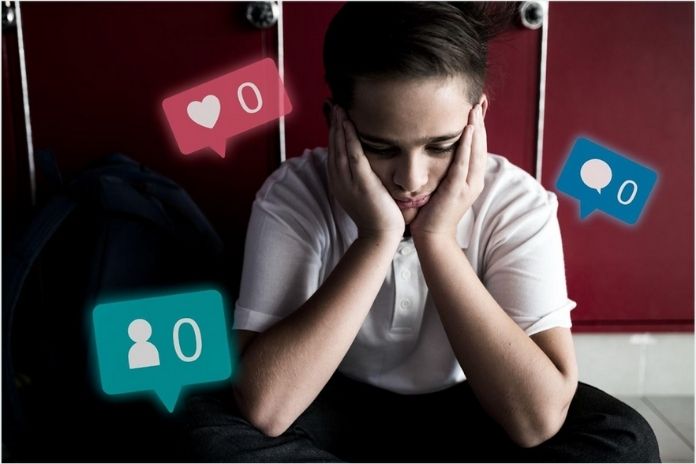
You know what worsens the post-holiday slump recovery? Scrolling through other people’s “perfect” holidays. Beaches, gifts, family hugs, filters – everything looks shinier online than in real life.
But you’re not seeing their fatigue, bills, or mood swings—just their highlight reel.
Take breaks from scrolling. Mute, unfollow, or just keep your phone down more often. The world won’t collapse. You’ll notice your mind feels lighter when you stop feeding it to everyone else’s perfection.
Focus on your small daily joys instead – your own coffee, your messy home, your peace.
Read More: The Power of Social Connections: Building a Supportive Network for a Vibrant Life
9. Practice Gratitude and Mindfulness
Sounds cliché, but gratitude is like mental detox. When you start focusing on what’s still good – your health, a warm meal, a friend’s message – your brain slowly rewires to notice positives again.
You don’t need fancy journals. Just note down three things you’re grateful for every morning – even if it’s “the fan is working” or “there’s leftover biryani.” It’s not about depth, it’s about direction.
Pair it with small mindfulness moments – deep breaths before you open your phone, sitting quietly for two minutes before bed, or walking without headphones. Simple awareness can calm the restless post-holiday mind as well as post-holiday anxiety better than any self-help book.
Read More: Finding Gratitude When Life is Hard: Strategies for Tough Times
10. Seek Help If the Blues Don’t Fade
If the low mood sticks around for more than a couple of weeks – if you feel drained, hopeless, or uninterested in daily life – it might not be just post-holiday blues. It could be seasonal affective disorder or depression.
That’s when it’s okay – actually, it’s wise – to talk to a professional, like a therapist, counselor, or even your doctor. Getting help isn’t a weakness; it’s maintenance for your mind, the same way you’d see a doctor for a fever.
Your mental health after holidays matters as much as your work deadlines. Treat it like that.
Key Takeaway
Feeling sad after the holidays doesn’t mean something’s wrong with you. It just means you experienced joy, and now your system’s recalibrating.
Life after celebration always feels a bit dull – that’s natural. But with a little sunlight, rest, connection, and care, you’ll find your rhythm again.
The real secret to beating the post-holiday slump is never about “hustle” or “motivation.” It’s always about balance – slowly returning to yourself without guilt.
Final thought
Don’t rush to “feel better.” You only need to take small, kind steps – sleep, sunlight, simple food, movement, and connection. The post-holiday blues are not a failure, but they’re your mind asking for gentle care after too much excitement.
References
- https://pmc.ncbi.nlm.nih.gov/articles/PMC6456824/
- https://www.nhlbi.nih.gov/health/sleep-deprivation/health-effects
- https://pmc.ncbi.nlm.nih.gov/articles/PMC11298280/
- https://pmc.ncbi.nlm.nih.gov/articles/PMC9902068/
- https://www.ncbi.nlm.nih.gov/books/NBK585650/
- https://pmc.ncbi.nlm.nih.gov/articles/PMC5514330/
- https://www.betterhealth.vic.gov.au/health/healthyliving/food-and-your-mood
- https://infocenter.nimh.nih.gov/publications/seasonal-affective-disorder
- https://health.clevelandclinic.org/how-much-sunshine-you-need-daily
- https://www.sciencedirect.com/science/article/pii/S0191886923003811
- https://www.healthdirect.gov.au/mindfulness
In this Article