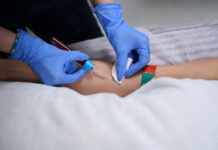











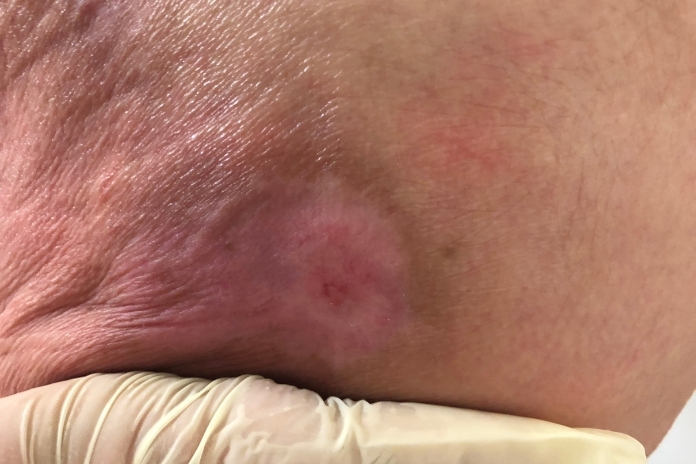
Prolonged sitting or lying in bed can harm a person’s skin and the tissues present beneath it. This results in painful wounds known as bed sores or pressure ulcers.
People who are bedridden, paralyzed, or recovering from severe conditions that restrict movement may develop bed sores. The good news is that, with the right care and attention, they are entirely preventable. Since a bed sore can become painful, infected, and take a long time to cure, and can occasionally result in significant problems, early care is crucial.
Our article focuses on practical, nurse-approved tips to help families and caregivers prevent their loved ones from getting bed sores.
Read More: 12 Effective Ways For Treatment For Bedsores For Faster Recovery
What other terms are used to describe bedsores?
The following phrases are commonly used to describe or refer to bedsores:
- Decubitus ulcers
- Pressure injuries
- Pressure sores
- Pressure ulcers
- Pressure wounds
10 Practical Ways to Prevent Pressure Ulcers and Keep Skin Healthy
1. Reposition the Patient Regularly

To prevent bedsores, it is essential to physically turn the patient who is confined to bed every two hours on their back, side, or stomach. Weight shifts in a sitting position should be encouraged every fifteen minutes.
To relieve pressure on bony areas and support the extremities, use pillows or foam wedges. Caretakers need to be careful to follow regular repositioning plans for individuals with restricted mobility. Remember that even slight changes in position can significantly reduce the risk of painful ulcers.
2. Use Pressure-Relieving Mattresses and Cushions
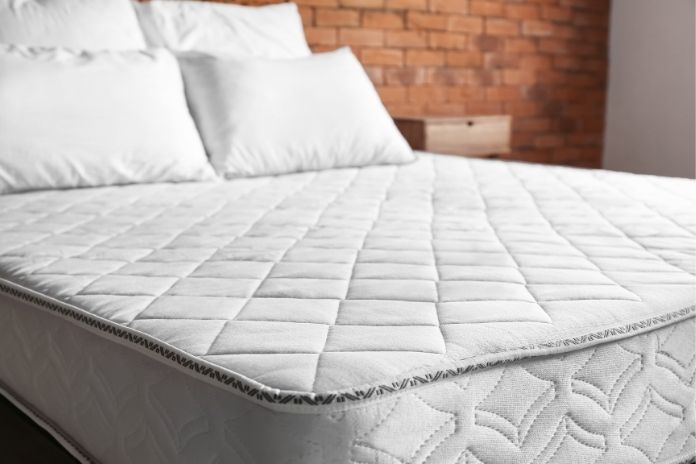
Using specialty beds and materials such as foam cushions, heel protectors, and water or air mattresses can lessen pressure injuries. These devices reduce strain and redistribute pressure in sensitive body parts.
For instance, heel protectors can lessen the tension on the heels, and soft wedges can prevent people from side-lying. Manual repositioning is still necessary; therefore, don’t rely only on machines with automated turning features.
3. Keep Skin Clean and Dry
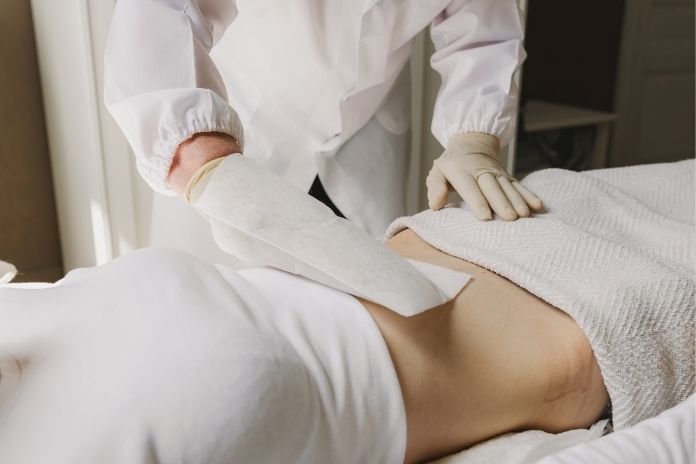
The chance of pressure injuries is significantly increased by incontinence. Skin rashes and rapid skin deterioration might result from prolonged exposure to urine or stool. Frequent perineal treatment using pH-balanced cleansers and moisture-wicking solutions is essential for caregivers to protect the skin.
Assume a Stage I pressure injury has occurred, and treat right away if redness appears. To prevent the area from worsening, apply a barrier cream for protection and regularly change positions.
Read More: Does Sleeping With Wet Hair Damage It? Experts Weigh In
4. Inspect Skin Every Day
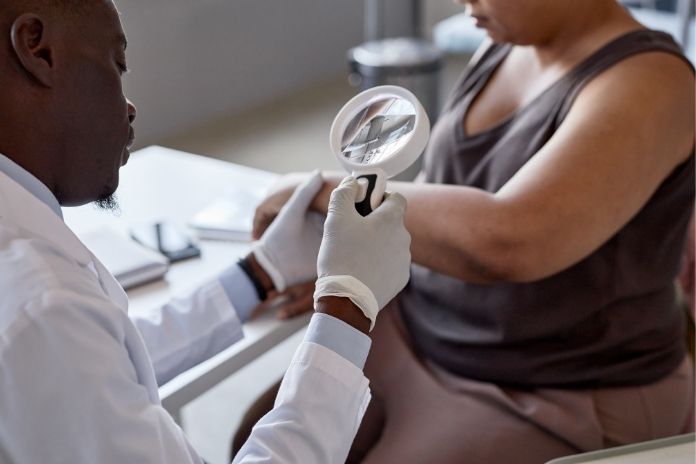
Examine the skin daily for early signs of a pressure injury developing, such as discoloration, heat, or redness. An early detection of a Stage I pressure injury can prevent its progression to more serious stages.
For example, in conditions where redness and sensitivity exist after prolonged periods of sitting, there may be indications of a pressure injury. These examinations are often made by attendants for people with limited mobility in the course of routine examination, changing dressings, and during hygiene checks.
5. Maintain Good Nutrition and Hydration

Diet is a significant factor in preventing wounds and maintaining skin health. Protein, vitamin, and mineral-rich meals promote tissue repair and stability. Seeking advice from a nutritionist can help individuals at risk receive balanced meals tailored to their individual needs.
Sustaining skin elasticity and general health requires adequate hydration. Preventing skin problems requires careful monitoring of fluid consumption, particularly for people with heart failure or kidney disease.
6. Encourage Gentle Movement or Physiotherapy

Even slight movements or range-of-motion exercises can enhance circulation and reduce the risk of any pressure ulcers by increasing mobility. Frequent changes in position and the use of reclining chairs or chairs with pads to relieve pressure on specific areas are beneficial for patients who use wheelchairs.
Passive activities may be helpful under the direction of a caretaker. Throughout the day, it’s crucial to support and encourage patients to get out of their seats or beds.
7. Handling Chronic Illness

Conditions like diabetes, heart disease, and poor circulation raise the risk of bedsores. Effective management of these diseases is necessary to prevent skin breakdown. Skin improvement requires adequate circulation, proper blood pressure, and regular testing for blood glucose.
It may be necessary to adjust medications or therapies after consulting with medical professionals to prevent unintentionally increasing risk.
Read More: Bedtime Rituals of Successful People: 5 Habits for a Restful Night’s Sleep
8. Maintain a Comfortable Room Temperature

Although people often disregard it, temperature control plays an integral part in maintaining healthy skin. A calm, well-ventilated environment allows you to forgo the excessive sweating, discomfort, and moistness it produces.
When it is too warm, the skin softens and becomes more susceptible to infection. Maintain a good comfortable room temperature and ensure proper airflow.
9. The Use of Appropriate Clothes and Bedding
Caregivers can use soft materials such as cotton to create smooth, wrinkle-free bedding, this may help reduce strain and friction on the skin. Positioning the patient in such a way that minimizes skin contact with bony areas is incredibly beneficial, achievable through the use of cushions like pillows and foam pads.
Clothing should be very loose and should be free from large zippers or seams that may irritate the skin. Well-fitting and comfortable shoes are essential; avoid shoes that rub or put pressure on the feet.
10. Seek Medical Help for Early Signs of Bed Sores

If you have persistent redness, pain, or swelling that does not resolve when pressure is relieved, you should see your doctor. Early treatment can prevent stage 1 sores from becoming open wounds.
The doctor or nurse will assess the skin structures and give the necessary treatments, which may include topical ointments, dressings that relieve pressure, and antibiotics for infection. For more serious cases, advanced wound treatments may consist of negative pressure therapy to ensure healing.
Read More: Best Foods to Eat Before Bed for Deep Sleep & Muscle Recovery
Conclusion
Caring for a bedridden loved one takes compassion and attention to detail; it’s not a simple task. Because bed sores may begin as a minor problem, if not treated, they can escalate into a significant issue.
Consider the prevention of bed sores as a collaborative effort among patients, helpers, and physicians, where small, consistent efforts provide adequate protection. In addition to preventing injuries, the objective is to enable the patient to live a comfortable, secure, and self-assured life despite their limited mobility.
FAQs
How often should a bedridden patient be turned to prevent bed sores?
Caregivers should turn bedridden patients at least every two hours to prevent bed sores. For those at the highest risk (for example, those with inadequate circulation, limited mobility, etc.), it may be necessary to turn them every hour.
What’s the best mattress for preventing pressure ulcers?
The best mattresses for preventing pressure sores are high-specification foam mattresses and alternating pressure air mattresses. Air mattresses are usually the best for those who are at high risk.
What are the first signs of Stage 1 pressure sore?
The skin of a Stage 1 pressure sore is red, discolored, or purple. There may also be alterations in the texture, firmness, or temperature of the skin (warm or cool). The area may also be painful or itchy.
How can caregivers safely move patients without causing friction?
Caregivers can move bedridden patients comfortably and without friction by placing a sliding or lifting sheet under them to prevent skin contact.
Place the sheet beneath the patient’s hips and back, and ask them to assist as much as possible. Then, have two caregivers pull the sheet to slide the patient toward the head of the bed, rather than lifting them.
References
- https://www.cdss.ca.gov/agedblinddisabled/res/VPTC2/8%20Paramedical%20Services/Preventing_Pressure_Ulcers_Patient_Guide.pdf
- https://my.clevelandclinic.org/health/diseases/17823-bedsores-pressure-injuries
- https://msktc.org/sci/factsheets/preventing-pressure-sores
- https://www.mayoclinic.org/diseases-conditions/bed-sores/diagnosis-treatment/drc-20355899
- https://wounds-uk.com/wp-content/uploads/2023/02/content_10451.pdf
- https://www.hollister.com/en/continencecare/continencelearningcenter/livingwithaneurologicalcondition/pressureulcers12waystopreventthem#
- https://www.mayoclinic.org/diseases-conditions/bed-sores/symptoms-causes/syc-20355893
In this Article