













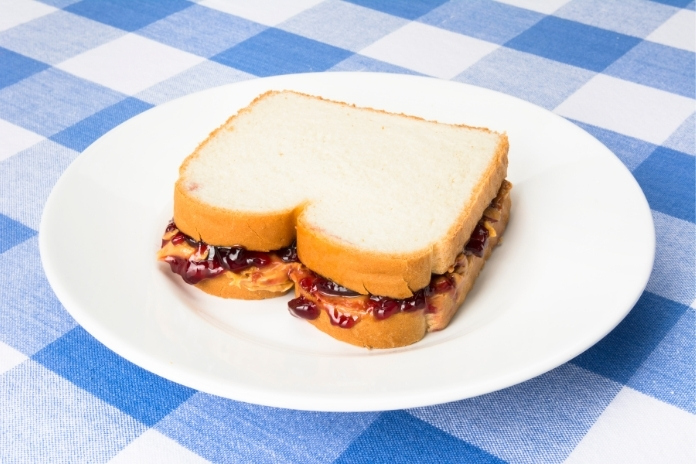
Peanut butter and jelly (PB&J) sandwiches are a quintessential comfort food, evoking childhood memories, easy school lunches, and a quick, satisfying snack when life gets busy. They’re simple, portable, and filling, which is why they’ve become a pantry staple for many. But despite their popularity, PB&Js often get mixed reviews in nutrition circles.
Here’s the reality: a PB&J can be a healthy, balanced meal, or it can lean toward a sugar-and-calorie trap, depending on the ingredients you choose, how much you eat, and how frequently it appears in your diet. The quality of the bread, the type of peanut butter, and even the kind of jelly or fruit spread all make a difference in the nutrition profile.
In this guide, we’ll break down what’s really in a typical PB&J, explore the science-backed benefits and potential downsides, and provide practical tips for making them healthier. You’ll also find answers to common questions about portion size, ingredient swaps, and how to enjoy this nostalgic favorite without compromising your health goals.
Wherever possible, I’ll reference studies and expert guidance so you can make informed choices rather than guessing.
Peanut Butter and Jelly Sandwich Nutrition Facts (Per 1 Sandwich)
Let’s define a typical sandwich for this analysis: 2 slices of whole-wheat bread + 2 tablespoons of peanut butter + 1 tablespoon of jelly. Nutrition varies by exact products, but typical values fall in these ranges:
- Calories: ~350–400 kcal (water-based, whole-wheat bread; oil-rich or extra jam versions will be higher).
- Protein: ~12–15 g (mostly from the peanut butter).
- Fat: ~16–18 g (mostly unsaturated fats; about 3 g saturated fat from typical peanut butter).
- Carbohydrates: ~35–40 g (from the bread and jelly).
- Sugar: ~10–18 g (depends heavily on type/amount of jam). A single tablespoon of fruit jam often contains ~9–10 g sugar.
- Fiber: ~3–5 g (higher with whole-grain or sprouted bread).
Why the ranges? Bread type (white vs whole-grain), peanut butter formulation (natural vs sweetened/stabilized), and jelly choice (regular vs reduced-sugar or fresh fruit) change totals substantially. In other words, the PB&J can be tweaked from a modestly nutritious meal to a high-sugar snack depending on product choices.
Health Benefits of Peanut Butter and Jelly Sandwiches
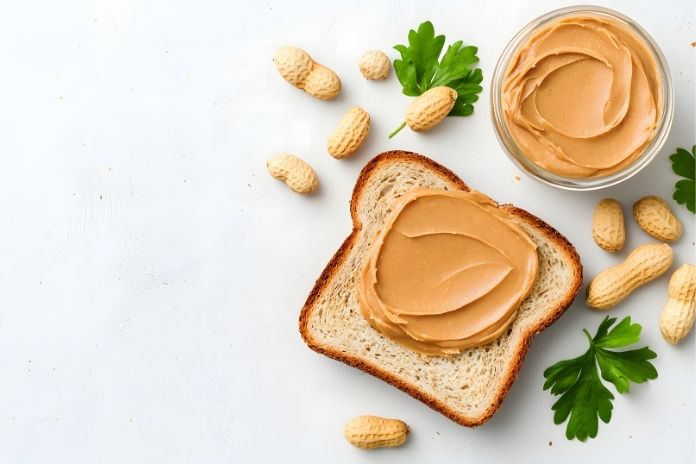
When made thoughtfully, PB&J sandwiches are more than just a nostalgic treat; they can be a convenient, nutrient-packed option that supports overall health.
The key is in the ingredients: choosing whole-grain bread, natural peanut butter, and minimally processed fruit spreads can turn a simple sandwich into a balanced snack. Here’s a closer look at the benefits:
- High-quality protein and healthy fats
Peanut butter provides plant-based protein and mostly unsaturated fats, which help with satiety, muscle repair, and overall metabolic health. Two tablespoons of peanut butter deliver roughly 7–8 grams of protein and 16–18 grams of fat, primarily healthy monounsaturated and polyunsaturated fats that support heart health.
- Steady energy from complex carbohydrates
Whole-grain bread adds complex carbohydrates and fiber, which release glucose gradually. This helps maintain steady energy levels, avoids sharp blood sugar spikes, and keeps you feeling full longer, perfect for school, work, or pre-workout fuel.
- Micronutrients and antioxidants
Peanuts provide magnesium, niacin, vitamin E, and phosphorus, while the bread and fruit spreads contribute B vitamins, vitamin C, and potassium. These nutrients support metabolism, nervous system function, and antioxidant defenses. Peanuts also contain bioactive compounds that may further promote health.
- Convenience, affordability, and satiety
PB&Js are quick to prepare, inexpensive, and satisfying. The calorie density of peanut butter helps curb hunger, often preventing mid-morning or mid-afternoon snacking. Eating a PB&J as a planned meal or snack can help with appetite control.
- Performance and recovery for exercise
A PB&J provides an effective combination of carbohydrates and protein, the classic pairing recommended for pre- or post-workout nutrition. This helps replenish glycogen stores and supports muscle repair, making the sandwich a practical option for anyone looking to fuel or recover from exercise.
Read More: What Happens to Your Body When You Eat Peanut Butter Every Day
Potential Downsides of PB&J Sandwiches
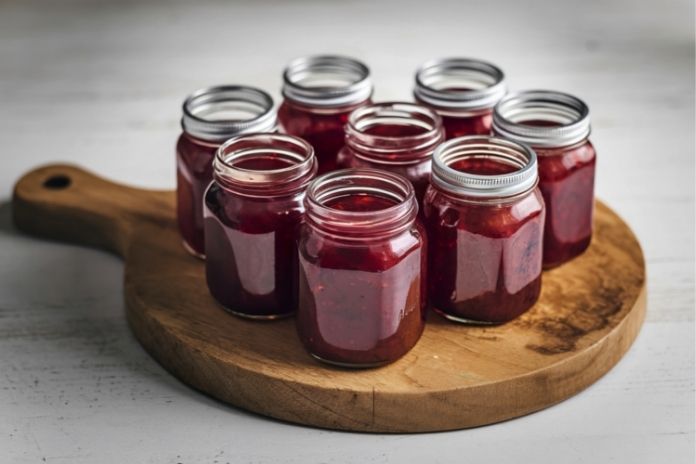
While PB&Js can be a convenient and nutritious option, they aren’t automatically healthy. Certain ingredients and portion choices can turn this classic sandwich into a source of excess sugar, calories, or refined carbs.
Understanding the potential pitfalls can help you enjoy PB&Js safely and make smarter ingredient swaps.
- Added sugar (from jelly)
Many commercial jellies and jams are high in added sugar. A single tablespoon can contain 9–10 grams of sugar, so two tablespoons can push a sandwich into a moderate-to-high sugar range. Frequent intake of added sugar is linked to weight gain, dental issues, and metabolic concerns. Choosing no-sugar-added preserves or mashed fruit can reduce this load.
- Calorie density, easy to overeat
Peanut butter is nutritious but calorie-dense, with two tablespoons containing roughly 190 calories. When paired with bread and jelly, calories can add up quickly. For weight management, portion awareness is important; measuring servings can help prevent accidental overconsumption.
- Refined carbs (if using white bread)
White bread is lower in fiber and micronutrients and can cause quicker blood sugar spikes than whole-grain versions. People managing blood sugar should opt for whole-grain bread and pair carbs with protein and fat to slow glucose release. Peanut butter helps blunt post-meal sugar spikes when combined with high-GI foods.
- Sodium and additives in processed peanut butters
Some commercial peanut butters contain added sugar, salt, or stabilizers. Hydrogenated oils may still appear in some brands, which introduce trans fats. Choosing natural, unsweetened, unsalted peanut butter avoids these concerns.
- Allergies and cross-contamination risk
Peanut allergy is common and can be severe. In communal settings like schools, consider allergy policies and alternatives such as sunflower seed butter or soy butter for a safe option.
How to Make a Peanut Butter and Jelly Sandwich Healthier
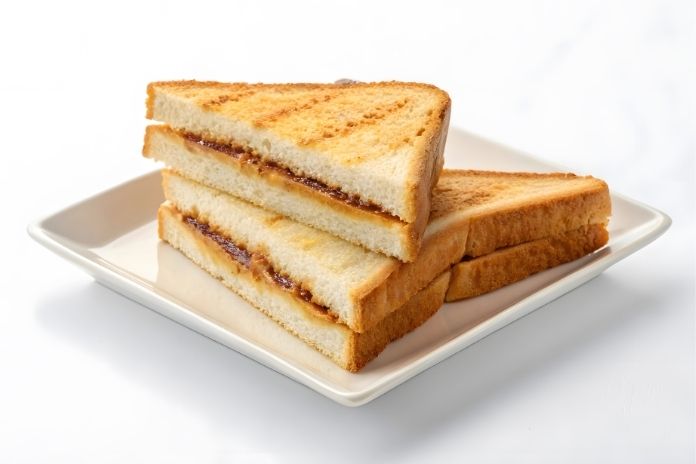
A PB&J doesn’t have to be a sugar-laden or calorie-heavy snack. With a few simple swaps and mindful choices, you can turn this classic sandwich into a balanced, nutrient-rich meal or snack.
Here’s how to upgrade your PB&J for better fiber, protein, healthy fats, and overall nutrition:
- Pick whole-grain or sprouted bread. Choose bread with at least 3–5 grams of fiber per slice to slow glucose absorption and add B vitamins and minerals. Sprouted grain bread often provides more bioavailable nutrients and a lower glycemic response.
- Use natural or minimally processed peanut butter. Opt for natural peanut butter made only from peanuts (and maybe a pinch of salt). Avoid added sugar, palm oil, or hydrogenated oils. Stick to 1–2 tablespoons per serving to keep portions in check.
- Replace jelly with mashed fruit or no-sugar fruit spread. Mashed banana or berries boost fiber, vitamins, and antioxidants while reducing added sugar. No-sugar-added preserves are another good option; check labels to match your health goals.
- Add extras for nutrition and texture. Sprinkle in chia seeds, ground flaxseed, or additional fruit for fiber, omega-3 precursors, and micronutrients. These small additions increase satiety and balance macronutrients.
- Control portions and pair wisely. One sandwich is usually sufficient. Pair it with Greek yogurt, fresh fruit, or veggie sticks instead of chips to create a more balanced meal.
- Smart timing for workouts. For exercise, enjoy a PB&J 60–90 minutes before activity to fuel your session with carbs and some protein. Post-workout, pair it with extra protein or dairy to support recovery from intense sessions.
Dr. Adrienne Seitz, MS, RD, LDN, a registered dietitian, notes that a peanut butter and jelly sandwich can be a nutritionally balanced meal filled with protein, healthy fats, fiber, and key nutrients.
She emphasizes that the health benefits of a PB&J depend on the types of bread, peanut butter, and jelly chosen. Opting for whole-grain or sprouted-grain bread, 100% natural peanut butter, and jelly with no added sugar can enhance the nutritional value of the sandwich.
Evidence & Expert Insights
Scientific research and expert guidance highlight that peanut butter and jelly sandwiches can offer meaningful health benefits when built thoughtfully. From supporting satiety and blood sugar control to contributing to heart health, studies show that key components like protein, healthy fats, and fiber play a role.
Nutrition experts generally recommend including nuts and nut butters in moderation as part of a balanced diet, making PB&Js a practical option when prepared wisely.
- Satiety and weight control: Randomized and observational studies suggest that peanut consumption can increase feelings of fullness and, when used as a snack or preload, may reduce total meal calories in the short term. A 2013 trial found that peanut preloads increased satiety versus carbohydrate preloads.
- Peanut butter and glycemic response: A clinical trial showed that adding ~2 tablespoons (32 g) of peanut butter to a high-glycemic meal reduced the blood glucose spike, meaning the fats and protein in peanut butter help blunt postprandial glucose. That’s promising for people managing blood sugar when they choose PB with lower-GI breads and minimal added sugars.
- Heart health and nut consumption: Large meta-analyses and cohort studies link higher nut intake to lower cardiovascular risk and mortality. While evidence specifically isolating peanut butter is mixed, population studies (including peanuts and peanut butter) often show benefits when nuts are eaten regularly as part of a healthy diet. This is attributed to favorable fatty acid profiles, fiber, magnesium, and polyphenols.
Registered dietitians and cardiology guidelines generally recommend including nuts and nut butters in moderation as part of a heart-healthy dietary pattern, emphasizing unsalted/natural choices and moderation because of calorie density.
The Academy of Nutrition and Dietetics highlights the value of combining carbohydrates and protein for fueling and recovery; PB&J fits that framework when built with whole grains and minimal added sugar.
Key Takeaways
A peanut butter and jelly sandwich can be a healthy, balanced meal when you make smart ingredient choices:
- Favor whole-grain or sprouted bread, natural peanut butter, and no-sugar or mashed-fruit spreads.
- Watch portions, peanut butter is nutritious but calorie-dense; 1–2 tablespoons is a reasonable serving.
- Pair with fresh fruit, vegetables, or yogurt to round out the plate.
- For blood sugar control or weight loss, reduce added sugar, choose whole grains, and monitor portion sizes.
- For workouts, a PB&J provides an effective blend of carbs and protein for energy and recovery when timed appropriately.
In short, PB&J is not “junk” when prepared intentionally, and it can be a practical, nutritious choice for busy lives.
FAQs About Peanut Butter and Jelly Sandwiches
Are peanut butter and jelly sandwiches good for weight loss?
Yes, if you control portions and choose whole grains and low-sugar spreads. Peanut butter’s protein and fat increase fullness and can help you eat fewer calories overall. However, overeating the peanut butter or using large amounts of jelly undermines weight-loss goals. Studies show peanuts can increase satiety and, when used in controlled amounts, fit into weight-loss diets.
Is PB&J good before or after a workout?
Both. As a pre-workout snack, PB&J gives carbs and some protein for sustained energy if eaten ~1–2 hours beforehand. As a post-workout option, it provides carbs for glycogen refilling and protein for repair; for intense training, add extra protein (e.g., Greek yogurt or a protein shake) to meet recovery targets. Academy guidelines support a carbs+protein mix around workouts.
What’s the healthiest jelly or jam to use?
No-sugar-added preserves, mashed fresh fruit (berries or banana), or low-sugar fruit spreads are healthier options. They reduce added sugar while preserving fruit flavor and nutrients. Read labels and prioritize options with real fruit and minimal added sugars.
Are peanut butter and jelly sandwiches good for diabetics?
They can be, when made with whole-grain bread, natural peanut butter, and low-sugar fruit spread, and when portion sizes are appropriate. Peanut butter’s protein and fat help blunt glycemic response; research shows adding peanut butter to a high-GI meal reduces glucose spikes. Nevertheless, people with diabetes should monitor their blood glucose responses individually and consult a dietitian.
How many PB&J sandwiches can I eat a week?
There’s no single rule, but moderation is key. If you build each sandwich with whole grains, measure peanut butter (1–2 tbsp), and limit added sugar, having a few per week can fit into a balanced diet. If you’re watching calories closely or have specific health conditions, consult a registered dietitian to tailor frequency.
References
- https://www.nutritionix.com/i/nutritionix/peanut-butter-and-jelly-sandwich-1-sandwich/5660be64732443e24734fe84
- https://www.nutritionix.com/food/peanut-butter-and-jelly-sandwich
- https://www.eatthismuch.com/calories/peanut-butter-and-jelly-sandwich-3006676
- https://www.nutritionvalue.org/Peanut_butter_and_jelly_sandwich%2C_with_regular_peanut_butter%2C_regular_jelly%2C_on_white_bread_42302015_nutritional_value.html
- https://hf-foodpro.austin.utexas.edu/foodpro/label.aspx
- http://info.cobbk12.org/centraloffice/foodservices/DataBase/NutritionLabel.aspx
- https://www.fatsecret.co.in/calories-nutrition/generic/peanut-butter-sandwich
- https://www.eatthismuch.com/calories/peanut-butter-and-jelly-33486
- https://www.mynetdiary.com/food/calories-in-peanut-butter-and-jelly-sandwich-sandwich-29637938-0.html
- https://www.myfooddiary.com/foods/7351555/peanut-butter-and-jelly-sandwich
- https://tap.health/how-many-calories-are-in-a-pb-and-j-sandwich/
- https://foods.fatsecret.com/calories-nutrition/generic/peanut-butter-and-jelly-sandwich
- https://www.allrecipes.com/recipe/49943/grilled-peanut-butter-and-jelly-sandwich/
- https://www.usatoday.com/story/life/health-wellness/2021/10/25/peanut-butter-jelly-healthy-nutritionists-weigh-sandwich/6102633001/
- https://www.snapcalorie.com/nutrition/peanut_butter_jelly_sandwich_nutrition.html
- https://www.quora.com/How-many-calories-are-in-a-peanut-butter-and-jelly-sandwich
- https://en.wikipedia.org/wiki/Peanut_butter_and_jelly_sandwich
- https://www.outsideonline.com/health/nutrition/health-ode-pbj/
- https://www.carbmanager.com/food-detail/nl:d82a7554a5c84775feb6bbdb102f0a3f/peanut-butter-and-jelly-sandwich
In this Article