













Winter brings longer nights, less sunlight, and more time indoors, perfect conditions for respiratory bugs to thrive. But which immunity boosters actually work? Here’s a breakdown of what science says about vitamin D, zinc, and sleep.
As temperatures drop and daylight hours shrink, your immune system quietly works overtime. Colder weather doesn’t directly cause illness, but it sets the stage for it. People spend more time indoors, ventilation worsens, and viruses spread more easily in dry air.
At the same time, less sunlight means lower vitamin D production, which can subtly dampen immune function. Add shorter days, disrupted sleep, and the stress of winter routines, and your body’s defenses can take a hit.
That’s why so many people turn to “immune boosters”, vitamin D, zinc, sleep aids, and herbal blends that claim to strengthen resilience. But what actually helps, and what’s just clever marketing?
In this article, we’ll unpack the science behind three of the most talked-about supports: vitamin D, zinc, and quality sleep. You’ll learn what research really says about their roles in immunity, how to use them safely, and what’s worth discussing with your doctor before adding anything new to your routine.
What Works Best in Winter (Quick Verdict)
Let’s cut through the noise. When it comes to keeping your immune system steady through the colder months, a few evidence-backed fundamentals matter far more than expensive powders or “immune elixirs.” Research consistently points to nutrient balance, sleep quality, and everyday preventive habits as the real foundation.
- Vitamin D: Correcting deficiency makes a measurable difference, especially if your blood levels dip during low-sun months. Supplementing as advised by your clinician helps maintain immune signaling and lowers the risk of respiratory infections.
- Zinc: Not a cure-all, but when taken at the first sign of a cold and at proper doses, zinc lozenges can modestly shorten illness duration and reduce symptom severity. Long-term high doses aren’t recommended; balance is key.
- Sleep: Getting a consistent 7–9 hours each night isn’t optional. Deep, regular sleep boosts immune memory, antibody response, and inflammation control. Skipping rest undermines all other efforts.
- Foundations: Vaccines, good hand hygiene, a protein-rich diet, regular movement, and stress management are still the most reliable defenses. Supplements can support you, but they can’t replace the basics.
Read More: One-Pot Healthy Meals That Are Perfect for Cold Weather
Vitamin D in Winter: Why It Matters
When daylight fades and your time outdoors shrinks, vitamin D becomes one of the first nutrients to dip. Unlike most vitamins, your main source isn’t food; it’s sunlight. UVB rays trigger vitamin D production in your skin, and during winter, that process slows or even stops in many regions. The result? A seasonal decline that can quietly influence your immune strength, bone health, and even mood.
Benefits and Mechanism
Vitamin D is a key player in immune regulation. It activates monocytes and macrophages, the cells that recognize and destroy invading pathogens, and helps balance inflammation so the immune system reacts effectively without overfiring. Studies link low vitamin D levels with higher rates of respiratory infections, slower recovery from illness, and greater fatigue during the colder months.
Testing and Targets
Because vitamin D levels vary widely from person to person, testing provides clarity. The Endocrine Society suggests keeping blood levels above 30 ng/mL (75 nmol/L) for optimal health. If you spend little time outdoors, live in northern latitudes, have darker skin, or manage chronic conditions like obesity or celiac disease, testing is especially worthwhile.
Food and Supplement Options
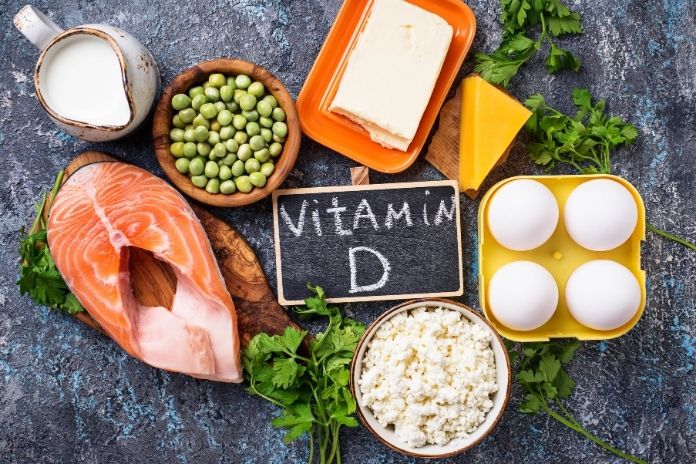
While sunlight is the most efficient source, diet can help fill the gap. Fatty fish (salmon, sardines, mackerel), fortified dairy or plant milks, and egg yolks are solid options. Still, many people need supplements in winter.
Vitamin D3 (cholecalciferol) is generally preferred because it’s better absorbed and longer lasting than D2. Pairing it with a meal containing fat helps improve absorption.
Safety
Vitamin D is fat-soluble, which means your body stores it, and excessive intake can build up over time. More is not better. High doses beyond 4,000 IU/day can lead to vitamin D toxicity, raising calcium levels in the blood and potentially harming the kidneys.
Always check with your clinician before starting or adjusting supplements, especially if you’ve had kidney stones, parathyroid issues, or take medications that affect calcium balance.
Dr. Adrian Martineau, Professor of Respiratory Infection and Immunity at Queen Mary University of London, emphasizes, “Vitamin D supplementation reduced the risk of acute respiratory tract infection among all participants… Protective effects were stronger in those receiving daily or weekly vitamin D without additional bolus doses.”
Read More: 6 Types of Fish That Naturally Boost Your Vitamin D Levels
Zinc for Colds: Timing, Forms, Safety

When cold season hits, zinc is often the first supplement people reach for, and with some justification. This trace mineral supports hundreds of cellular reactions, including those that help immune cells develop and communicate. It’s essential for wound healing, inflammation control, and antiviral defense. But like most immune supplements, timing and dosing matter more than hype.
What Zinc Can (and Can’t) Do
Zinc doesn’t prevent colds outright, but studies suggest it can shorten their duration and ease symptoms if taken early, ideally within the first 24–48 hours of feeling sick. Meta-analyses show modest benefits, particularly from zinc lozenges, which act locally in the throat and upper airways. Still, zinc isn’t a cure and shouldn’t replace proven measures like vaccination, rest, hydration, or good hygiene.
How to Use
Zinc lozenges or tablets are generally the best-tested form for cold relief. Typical doses range from 9–24 mg of elemental zinc, taken every few hours during illness, though it’s best to follow specific product instructions and avoid exceeding daily limits. Overdoing it can cause nausea or a metallic taste. Intranasal zinc sprays are not recommended; they’ve been linked to loss of smell (anosmia) in some users.
Safety and Interactions
Zinc is safe when used short-term and in moderate doses, but chronic high intake can backfire. Long-term use may interfere with copper absorption, leading to anemia or immune dysfunction. It can also interact with antibiotics (like quinolones and tetracyclines) and diuretics, reducing the effectiveness of both. If you take regular medications or plan to supplement long-term, check with your healthcare provider to set the right dose and duration.
Dr. George Eby, Clinical Researcher on Zinc Therapy, explains – “In our studies, patients who used zinc lozenges at the onset of cold symptoms experienced significantly shorter illness periods, sometimes a full week shorter compared to placebo. The key is local action: lozenges deliver zinc directly to the throat and upper airway, where the virus replicates.
But people need to follow the dosing instructions carefully. Taking too much can cause nausea, a metallic taste, or long-term issues with copper absorption. Zinc works best as a supportive measure, not a replacement for vaccines, sleep, or other preventive practices.”
Read More: Zinc for Cold and Flu: Evidence-Based Benefits and Dosage
Sleep for Immune Resilience

Your immune system works best when you do. Sleep isn’t just rest, it’s restoration. During those hours of deep sleep, your body recharges, repairs tissues, and strengthens its defenses against viruses and bacteria. Chronic sleep deprivation, on the other hand, weakens the immune response, making you more prone to infections.
How Sleep Supports Immunity: Adequate sleep enhances the production of cytokines, proteins that help fight infection and inflammation. It also supports the function of T-cells, which are critical for immune defense.
Practical Targets: Aim for 7–9 hours of quality sleep per night. Consistency is key; going to bed and waking up at the same time daily helps regulate the body’s internal clock.
Sleep Hygiene Playbook
- Wind down with relaxing activities.
- Limit screen time before bed.
- Keep the bedroom cool, dark, and quiet.
- Avoid caffeine and alcohol close to bedtime.
Read More: The Importance of Sleep Hygiene: Creating Your Ideal Sleep Environment
High-Impact Basics Most People Skip
When it comes to building a strong immune system, people often chase supplements or “immune boosters” and overlook the simple habits that make the biggest difference. The truth is, everyday routines, how you eat, move, rest, and care for your body, set the foundation for real resilience. These basics may not sound flashy, but they work.
- Vaccines and Hand Hygiene: Stay up to date with flu and COVID-19 vaccinations as recommended. Wash your hands thoroughly for at least 20 seconds and sanitize high-touch items regularly.
- Nutrition and Protein: Consume protein at every meal to support immune function. Include a variety of fruits, vegetables, and whole grains to provide essential nutrients and fiber.
- Daily Movement: Engage in at least 150 minutes of moderate-intensity activity per week. Outdoor exercise exposes you to natural light, which can help maintain vitamin D levels.
- Stress and Alcohol: Practice daily stress-reduction techniques such as meditation or deep breathing. Limit alcohol consumption, as it can impair immune function and disrupt sleep.
A review published in Frontiers in Immunology highlights that acute exercise boosts the activity of tissue macrophages and enhances the recirculation of immunoglobulins, anti-inflammatory cytokines, neutrophils, NK cells, cytotoxic T cells, and immature B cells, all of which play critical roles in immune defense activity and metabolic health.
What Probably Doesn’t Help Much
Every winter, shelves fill up with “immune booster” powders, gummies, and pills that promise to keep you from getting sick. The marketing sounds convincing, but much of it outpaces the science. Here’s a reality check on some of the most overhyped options and why they may not deliver the protection you expect.
“Immune Booster” Gummies and Powders
Many of these products contain proprietary blends with vague ingredient lists or underdosed vitamins. Without proper research or standardized formulations, it’s hard to know what you’re actually getting, or whether it does anything meaningful. Most lack strong clinical evidence and are often just expensive sugar with a sprinkle of vitamins.
High-Dose Vitamin C or E for Prevention
While vitamin C supports immune health, megadoses don’t prevent colds for most people. Studies show only a modest benefit in shortening symptoms, mainly for those under extreme physical stress. Similarly, excessive vitamin E can even be harmful in high doses, increasing bleeding risk. A balanced diet generally provides all you need.
Herbal Fixes Without Standardization or Evidence
Echinacea, elderberry, and similar herbal remedies often show inconsistent results because their potency varies by brand and batch. The lack of standardization and rigorous testing makes them unreliable for consistent immune support. Some may interact with medications or trigger allergies, so “natural” doesn’t always mean safe.
Safety First: Who Should Get Medical Advice Before Supplements
Consult a healthcare provider before starting supplements if you have:
- Kidney stones or a history of hypercalcemia (vitamin D caution).
- Are pregnant or breastfeeding, have a chronic illness, or take multiple medications (zinc/D interactions).
- For autoimmune or granulomatous disease, specialist guidance is recommended.
FAQs
Do I need a vitamin D test every winter?
If you have limited sun exposure, darker skin, or fatigue and muscle pain, testing once a year can help. Your doctor can tailor the dosage based on results rather than guessing. It’s a simple blood test that gives clarity before supplementing.
Best zinc form?
Zinc lozenges work best for colds when taken early, but they can upset your stomach if overused. Zinc gluconate or acetate forms are most studied. Avoid nasal sprays; they can permanently affect your sense of smell.
Can I “catch up” on sleep on weekends?
Weekend catch-up sleep helps a little but won’t fully undo chronic sleep debt. Consistent bedtime and wake time matter more for immune balance. Think routine, not recovery.
Should kids take these?
Kids’ nutrient needs differ from adults’, so don’t start supplements casually. A pediatrician can check if diet and sunlight are enough before recommending anything. Always confirm dosing and safety with a professional.
Conclusion
Staying healthy through the winter is less about chasing trendy “immune boosters” and more about building a solid foundation for your body to defend itself. Evidence shows that correcting vitamin D deficiency, using zinc wisely at the start of a cold, and maintaining consistent, high-quality sleep all provide measurable benefits.
Equally important are everyday habits: a balanced diet rich in protein, fruits, and vegetables, regular physical activity, vaccines, hand hygiene, and stress management.
Supplements can support these routines, but they are not a substitute for them. Over-the-counter powders, high-dose vitamins, and unstandardized herbal remedies rarely deliver meaningful protection, and some can even cause harm if misused. Instead, focus on proven strategies, maintain consistency, and track your health closely.
Finally, remember that immunity is multifaceted: what you do daily matters more than occasional fixes. By combining lifestyle basics with evidence-backed supplementation and professional guidance when needed, you can give your body the best chance to stay resilient.
Prevention, preparation, and awareness are your true defenses against winter illnesses.
References
- https://pubmed.ncbi.nlm.nih.gov/10066131/
- https://pmc.ncbi.nlm.nih.gov/articles/PMC4552515/
- https://www.med.upenn.edu/antibiotics/newsletters/2017_5.1_January.pdf
- https://nura.in/blog/winter-precautions-for-inflammatory-and-autoimmune-conditions/
- https://www.onedose.io/en/strengthening-the-immune-system-in-cold-weather-best-practices-and-advice/
- https://newsnetwork.mayoclinic.org/discussion/1-16mayo-clinic-minute-can-cold-weather-cause-a-cold/
- https://continentalhospitals.com/blog/can-cold-weather-really-make-you-sick
- https://www.franciscanhealth.org/community/blog/5-immune-boosting-foods-for-cold-and-flu-season
- https://www.medanta.org/patient-education-blog/everything-you-need-to-know-about-winter-health-checks-and-strong-immunity
- https://www.heart.org/en/news/2025/01/03/what-cold-weather-does-to-the-body-and-how-to-protect-yourself-this-winter
- https://www.uclahealth.org/news/article/new-study-links-nose-temperature-and-immune-response
- https://www.citizenshospitals.com/blogs/winter-pneumonia-why-cold-weather-increases-your-risk-and-how-to-prevent-it
- https://www.medicalnewstoday.com/articles/323431
- https://www.eskagsanjeevani.com/blog/5-common-winter-health-problems
- https://emersonhealth.org/boosting-your-immunity/
- https://www.health.harvard.edu/staying-healthy/preventing-seasonal-maladies
- https://www.sciencedirect.com/science/article/abs/pii/S030645652400189X
In this Article