














The biggest change a woman might experience after childbirth can be menopause. This phase is not just difficult, but its impact lasts longer than we think. Postmenopausal women face several challenges that can be corrected with the right lifestyle and diet. A postmenopausal diet is something that’s not discussed as often as it should be. So today, let’s understand this better.
Once through menopause, most women are struggling with constant weight gain, bone loss, and the risk of cardiovascular disease. The decline in estrogen may improve metabolism, soften bones, and change cholesterol levels, and diet has never been more critical.
Yet food isn’t simply prevention; it can actively help in maintaining hormonal balance, maintaining skeletal strength, and protecting the heart during this new phase of life.
This article offers a practical, evidence-based overview of the best diet for postmenopausal women. We will also discuss realistic meal strategies, precautionary tips, and everyday nutritional tips. Whether you’re newly postmenopausal or years past, a healthy diet can make a meaningful difference in energy, strength, and long-term wellness. Read on!
Read More: Why Menopause Can Change Body Odor (and How to Manage It)
How Menopause Changes Nutritional Needs
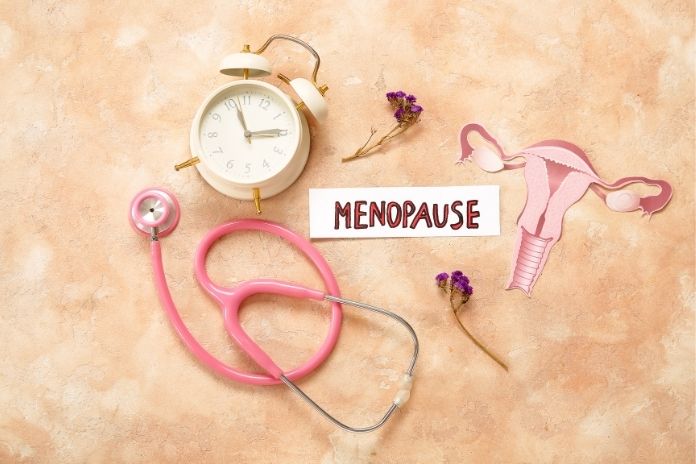
Menopause means not just losing fertility; it signifies a change in the metabolism and nutrient requirements of the body. With the loss of estrogen, women tend to experience decreased metabolism, gain fat around the abdominal area, and have less energy. This makes bone resorption speed up, and osteoporosis as well as cardiovascular diseases become more likely.
These shifts make it necessary to change nutritional priorities. More than ever before, the postmenopausal body needs foods high in nutrients. These can be particularly calcium, vitamin D, protein, magnesium, and antioxidants.
Estrogen has a function in regulating healthy cholesterol levels, bone turnover, and even insulin sensitivity. When it declines, women are increasingly dependent on diet and lifestyle to maintain these systems. That’s why the post-menopause diet must focus on nutrient density as opposed to restricting calories. The main sources can be nutrient-dense meals that stabilize hormones and ensure longevity.
Foods That Support Hormones After Menopause
One of the greatest challenges during menopause is managing hormonal symptoms like hot flashes, mood swings, and exhaustion. Midi’s Chief Medical Officer, Kathleen Jordan, MD. says, “Many of the hormone changes you experience as part of menopause are actually significant contributors to weight struggles. So focusing on nutrition becomes crucial during menopause to align with your body’s changing energy needs, especially on a weight loss journey.”
Although no food can ever replace hormones completely, some nutrients and plant chemicals have been found to ease the body’s adjustment more smoothly.
Phytoestrogens:
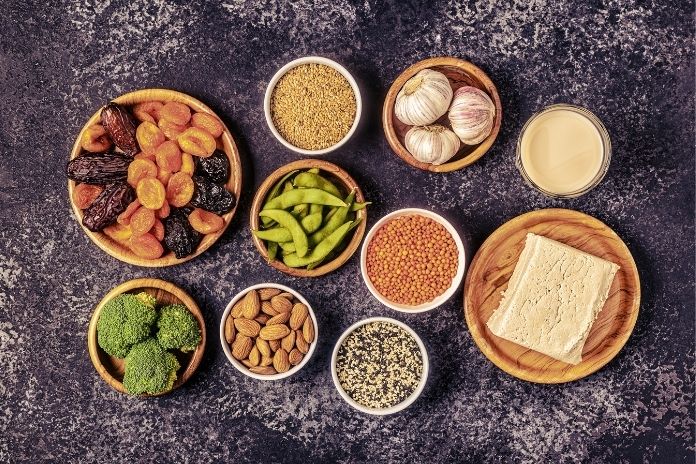
Plant-based compounds found in soy, flaxseeds, chickpeas, lentils, and whole grains mimic estrogen without increasing its levels in the body. Daily intake of these products can reduce the number of hot flashes, stabilize mood, and promote heart and bone health. Tofu, tempeh, soy milk, and ground flaxseed offer simple ways to add plant-based estrogens to your everyday meals.
Healthy Fats:
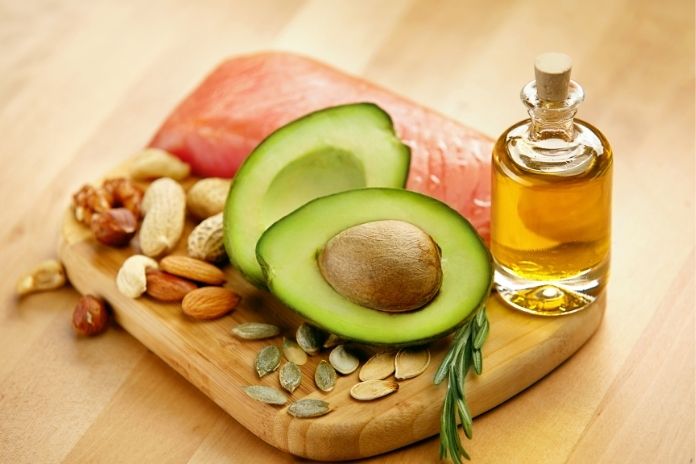
Hormones depend on dietary fat to synthesize and function correctly. Healthful sources such as olive oil, avocados, nuts, chia seeds, and fatty fish regulate inflammation, stabilize the hormones, and support brain and skin health. Swapping saturated or processed fats with these can make a huge impact on how you feel.
Protein Sources:
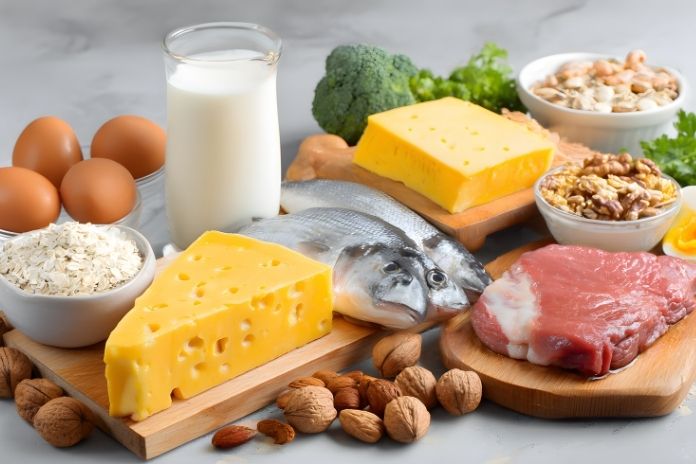
Protein maintains lean muscle mass, which decreases naturally as we age, and assists in metabolism and regulates sugar. Add protein to all meals, such as eggs for breakfast, beans or lentils for lunch, fish or tofu for dinner, and yogurt or nuts for snacks. Proper protein intake also aids in collagen formation and bone structure, providing both metabolic and physical strength during old age.
Foods That Strengthen Bones
Bone health is a top concern for women after menopause. This is due to reduced estrogen, leading to loss of bone more quickly. Diet can maintain density and prevent fractures in the long run.
Calcium-Rich Foods:
Calcium is critical for bone repair and maintenance. Try to include dairy foods such as cheese, yogurt, and milk; leafy vegetables like kale and bok choy; tofu prepared with calcium sulfate; and calcium-fortified plant milks. Sardines and salmon with bones are also rich in calcium.
Vitamin D Sources:
Vitamin D helps the body to use calcium effectively. It is present in fatty fish such as salmon, tuna, and mackerel, fortified foods such as cereals and plant milk alternatives, and through regular, safe sun exposure. Supplements may be advised for those with deficiencies by a health care provider.
Magnesium and Vitamin K:
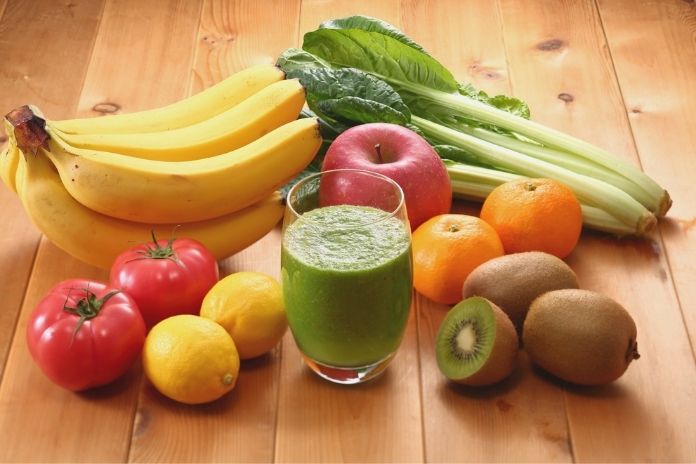
Magnesium helps convert vitamin D into its active state and bone structure. Nuts, seeds, whole grains, and leafy vegetables are excellent sources. Vitamin K, which is present in green vegetables, fermented foods, and some cheeses, helps bind calcium to bone, increasing density and strength.
Role of Protein:
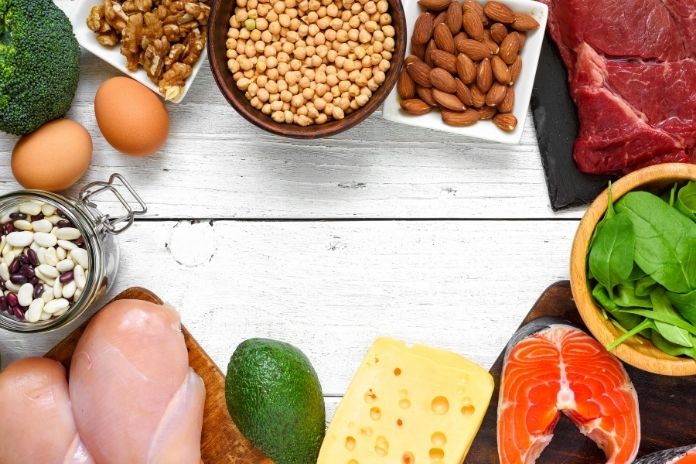
Protein isn’t just necessary for muscle, though. It’s necessary for bones, too. Collagen, which builds the bone’s framework, is made from amino acids. Having sufficient protein through foods such as eggs, legumes, fish, poultry, and dairy provides excellent strength to both muscles and bones.
A balanced diet for bones after postmenopause includes all of these things. Such as calcium, vitamin D, magnesium, vitamin K, and protein, preferably from whole foods eaten regularly over time.
Read More: Ease Menopause Symptoms: 6 Cooling Gel Pads for Hot Flash Relief
Foods That Protect the Heart
Low estrogen impacts cholesterol balance and the elasticity of arteries, so heart health is another foundation of postmenopausal diets. A proper diet can significantly reduce the risk of heart disease, which is a primary concern for women over 50.
Fiber-Rich Foods:
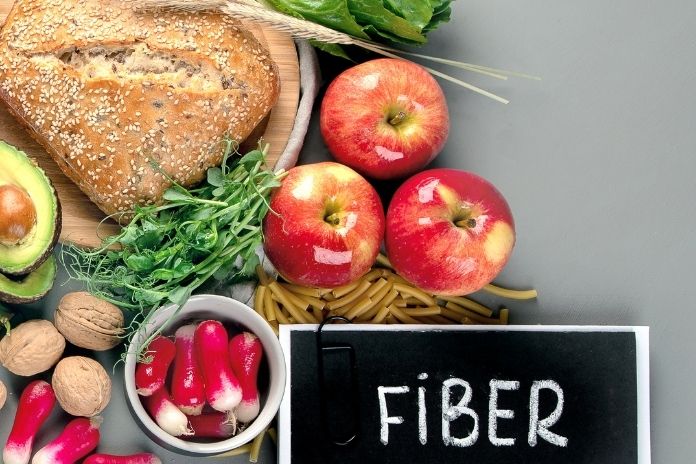
Soluble fiber decreases LDL (“bad”) cholesterol, while insoluble fiber aids digestion and glucose regulation. Eat a range of beans, lentils, oats, vegetables, fruits, and whole grains every day. Diets high in fiber are linked to enhanced cardiovascular function and healthier weight control.
Omega-3 Fatty Acids:
These anti-inflammatory fatty acids protect against arterial disease, lower triglycerides, and promote blood flow. Try two servings of fatty fish a week, like salmon, sardines, or trout. They come from plant sources like walnuts, chia seeds, flaxseeds, and hemp hearts. Omega-3s also support brain function and mood control.
Antioxidant-Rich Foods:
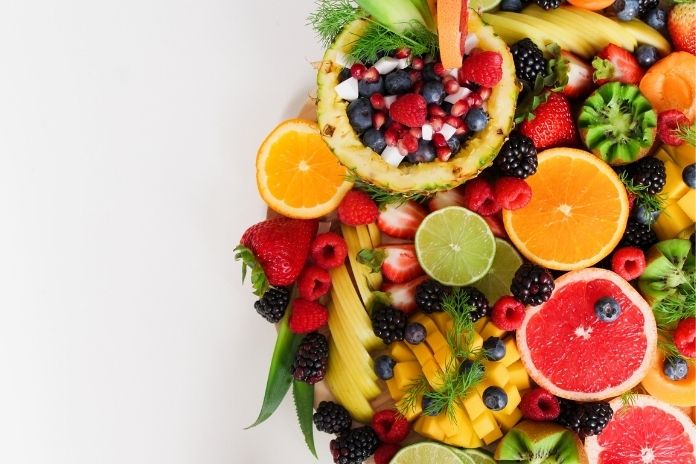
Oxidative stress is a factor in artery damage and aging. Opt for vibrantly colored fruits and vegetables, especially berries, tomatoes, dark leafy greens, and beets, which promote antioxidants that neutralize inflammation. Dark chocolate and green tea, consumed in moderation, also give antioxidant polyphenols.
Restrict Sodium, Processed Foods, and Added Sugars:

Excessive sodium raises blood pressure, while processed foods cause inflammation and stress the heart. Cutting back on packaged snacks, sweetened beverages, refined carbohydrates, and fried foods is necessary for cardiovascular protection. Substitute them with natural, whole-food products whenever possible.
Selecting a heart-healthy diet for women revolves around fiber, omega-3 fatty acids, antioxidants, and minimally processed foods to maintain arterial and metabolic function in the long term.
Best Overall Diet Patterns for Postmenopause
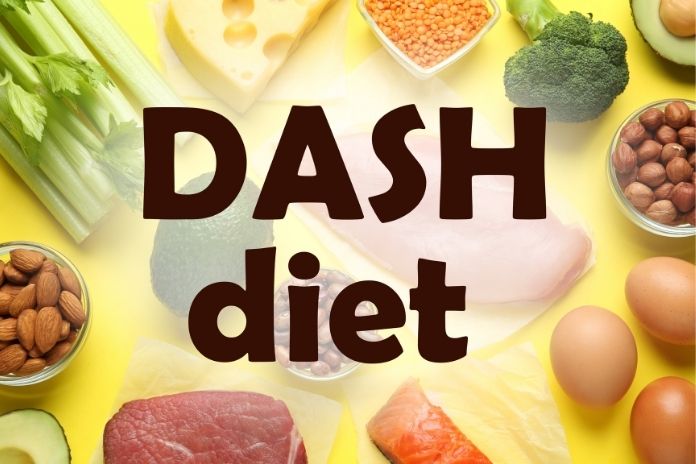
Instead of highlighting individual nutrients, adopting a comprehensive eating pattern is the best and most sustainable strategy. Two dietary patterns are noted as especially beneficial for postmenopausal health.
Mediterranean Diet:
It focuses on vegetables, fruits, legumes, whole grains, nuts, olive oil, and fish. Also, opt for some red meat and moderate amounts of dairy. It promotes hormonal balance, decreases inflammation, is protective against heart disease, and promotes healthy aging.
DASH Diet:
The DASH diet, short for Dietary Approaches to Stop Hypertension, is designed to reduce blood pressure and heart risk. It emphasizes fruits, vegetables, whole grain foods, low-fat milk and dairy, lean meats, and nuts, reducing the intake of sodium, added sugars, and red meat. It’s a great choice for postmenopausal women having increasing blood pressure or cholesterol.
High-Protein, Balanced Meals:
Protein is even more important after 50 to maintain muscle mass and bone density. Opt for well-balanced meals with protein, healthy fats, and fiber. Incorporate a mix of lean meats, fish, legumes, dairy foods, or fortified plant foods.
Easy Meal Ideas:
- Breakfast: Oatmeal with ground flaxseeds, berries, and Greek yogurt or soy milk fortified with vitamins.
- Lunch: Mixed greens salad with grilled salmon, chickpeas, olive oil, and lemon dressing.
- Snack: A handful of walnuts or almonds with a slice of fruit.
- Dinner: Quinoa or brown rice with tofu or chicken, steamed broccoli, and a drizzle of olive oil.
- Dessert (optional): Some squares of dark chocolate or fresh fruit.
These patterns leverage the benefits of hormone-balancing food, bone-building nutrients, and heart-supporting fats. All of which makes a diet that’s healthy and enjoyable.
Foods and Habits to Limit
Certain foods and lifestyle habits can counteract your intentions, particularly in the case of bone and heart health. It is not about restriction but conscious moderation.
- Excessive Alcohol: Alcohol hastens bone loss, disrupts hormone metabolism, and increases the risk of breast cancer.
- Too Much Caffeine: Excessive caffeine consumption can compromise calcium absorption and raise the risk of bone loss. Have coffee or tea in moderate amounts and make sure calcium intake is enough.
- Processed Items and Sweets: They are responsible for weight gain, inflammation, and cardiovascular stress. Restrict packaged snacks, pastries, fried foods, and added sugar.
- Extremely Low-Fat Diets: Cutting out all fats can disrupt hormonal balance and affect the absorption of fat-soluble vitamins A, D, E, and K. Consume healthy fats rather than totally avoiding them.
Moderation is key. A balanced lifestyle that allows you to indulge sometimes while maintaining mostly wholesome habits is the most sustainable approach.
Read More: Understanding the DASH Diet: A Tool for Managing Hypertension
Practical Tips for Everyday Eating
Sticking to changes requires consistency and simplicity. These everyday strategies make healthy eating easier:
- Use the Plate Method: Take a half plate of vegetables, one-quarter plate of lean protein, and one-quarter plate of whole grains or starchy vegetables. Include a source of healthy fat like olive oil, nuts, or avocado.
- Eat Smaller, Balanced Meals: Small meals often enough can regulate blood sugar, energy, and mood throughout the day.
- Stay Hydrated: Water aids digestion, joint health, and maintaining body temperature. Aim for a minimum of 8–10 glasses per day, with adjustments based on climate and activity.
- Plan: Prepare ingredients ahead of time, cooked grains, pre-washed greens, or boiled eggs, to reduce dependence on processed foods.
- Be Mindful: Eat slowly, enjoy flavors, and eat without multitasking. This avoids overeating and enhances digestion.
- Supplement Wisely: If diet alone can’t meet your needs, consider calcium, vitamin D, or omega-3 supplements after consulting a healthcare provider.
- Rotate Foods: Variety in foods ensures a broader nutrient intake and keeps meals interesting.
By practicing these simple steps, you’ll make healthy eating intuitive rather than restrictive.
Read More: 7 Estrogen-Rich Foods for Menopause Relief: Backed by Science
FAQs
-
Can diet alone prevent osteoporosis?
Nutrition is a key pillar of bone health, but it works best when combined with strength training, adequate vitamin D, and healthy lifestyle habits such as avoiding smoking and excessive use of alcohol use. Where bone density is poor, however, medication or specific therapy will be required in addition to diet.
-
Is intermittent fasting safe after menopause?
Intermittent fasting can be beneficial for some postmenopausal women, but it must be done cautiously. Prolonged fasting leads to loss of muscle mass if protein is inadequate. A moderate fasting interval of 12–14 hours overnight is usually better tolerated.
-
Do I need supplements if I have healthy eating?
If you get adequate calcium, vitamin D, omega-3s, and other nutrients through your diet all the time, you might not need supplements. Many women do have less than optimal vitamin D levels, though, so blood work and personalized guidance are suggested.
-
How much protein should postmenopausal women consume?
It is suggested 1.0–1.2 grams of protein per kilogram of body weight per day, more if you’re active or need to preserve muscle. Distribution of protein throughout the day enhances absorption and muscle building.
Conclusion
Once past menopause, diet is one of the strongest allies for maintaining long-term health. A balanced, high-fiber diet keeps hormones, bones, and heart function normal, and contributes to stable energy and emotional stability.
The secret is consistency, not perfection. Opting for Mediterranean or DASH-type eating habits, using whole foods as the priority, and remaining active can keep women healthy and strong well after menopause.
Remember, every meal is a chance to fuel strength, stability, and energy. By selecting the right foods each day, women can be energized, self-assured, and in charge of their health long after menopause. All the magic lies in your diet, don’t be scared of postmenopause, ease it with the right foods!
References
- https://www.siloamhospitals.com/en/informasi-siloam/artikel/10-foods-high-in-estrogen-to-consume-during-menopause
- https://pmc.ncbi.nlm.nih.gov/articles/PMC12002621/
- https://www.osteoporosis.foundation/patients/prevention/protein-other-nutrients
- https://jaims.in/jaims/article/download/3273/5237?inline=1
- https://www.siloamhospitals.com/en/informasi-siloam/artikel/10-foods-high-in-estrogen-to-consume-during-menopause
In this Article