













You’ve probably seen apple cider vinegar (ACV) all over your social media feed. ACV is a staple in many health-conscious American households. From supporting digestion to helping with blood sugar control and even weight management, research has demonstrated several benefits of it for metabolic health
But there’s a common question: What is the best time to take ACV to obtain maximum metabolic benefits? Morning or at night? Many people take apple cider vinegar on an empty stomach in the morning to curb hunger or at night to support their metabolism. — but does the timing really matter? The short answer is yes!
In this article, we’ll break down what science and nutrition experts say about the correct time to take ACV for maximum metabolic benefits. You’ll also discover real research findings, learn practical tips, and finally figure out whether morning or night ACV is right for you.
Why People Take Apple Cider Vinegar (ACV)
Apple cider has become incredibly popular in wellness circles, and for all the right reasons. It is prepared by fermenting apple juice with yeast and bacteria. The resulting tangy liquid is rich in acetic acid, along with vitamins, minerals, and a few probiotic-friendly compounds. But the key ingredient of ACV is acetic acid – the active compound responsible for most of ACV’s health effects.
Blood Sugar Control: Multiple studies have shown that ACV can help regulate blood glucose levels. A systematic review and meta-analysis found that acetic acid in ACV can effectively reduce fasting blood glucose and HbA1c ( the average blood glucose levels over the past 2-3 months).
ACV taken before meals, especially those rich in carbs, can effectively lower post-meal blood glucose and insulin spikes (by improving the body’s response to insulin), helping manage overall blood sugar levels.
Metabolic Support: Research states that ACV improves glucose metabolism. As a product derived from apples, ACV retains beneficial compounds—flavonoids like catechin, ferulic acid, caffeic acid, and gallic acid—which possess strong anti-inflammatory and antioxidant properties. According to a 2023 peer-reviewed preliminary study, these compounds may help prevent various chronic metabolic and lifestyle diseases, including type 2 diabetes and heart disease.
Appetite Control and Weight Management: Many people report feeling fuller and having fewer cravings when they regularly consume ACV alongside a restricted-calorie diet (RCD). This happens because ACV stabilizes blood sugar, preventing energy crashes that lead to unhealthy snacking.
About 4 in 10 adults in America are dealing with obesity. An independent study found that the combined use of a restricted-calorie diet (RCD) with apple cider vinegar (ACV) can lead to a reduction in body weight, BMI (body mass index), hip circumference, and visceral fat deposited around the organs in people with obesity. This makes ACV a popular addition to weight management diets.
Digestive Aid: The acetic acid, a key ingredient in apple cider vinegar, may help support digestion by promoting the production of stomach acid, though more research is needed to confirm this effect.
Heart Health: Research suggests that ACV can reduce blood triglycerides (TG) and total cholesterol (TC) levels, while increasing good cholesterol (High-density Lipoprotein, HDL-C) levels, thereby reducing the risk of heart-related problems.
The popularity of ACV in holistic wellness and weight-loss routines continues to grow as more people discover these potential benefits. But timing your intake smartly can help you maximize these effects.
Read More: L-Carnitine for Weight Loss: Benefits, Side Effects, and Best Dosage
Morning ACV: What Happens When You Take It Early
Starting your day with apple cider vinegar has become a popular health ritual. But what does the science actually say about drinking ACV in the morning?
How Morning ACV Supports Blood Sugar and Metabolism
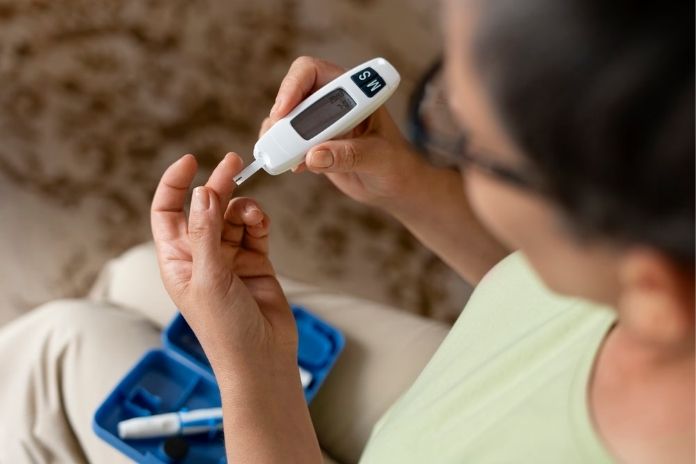
Research shows that taking apple cider vinegar before breakfast can help maintain your blood sugar throughout the day. This happens because acetic acid in ACV slows down the digestion of carbohydrates, preventing those sharp blood sugar spikes after meals. Slow energy release keeps you going through the day when energy is needed the most.
Studies also suggest that morning ACV use may improve insulin sensitivity. Research shows that insulin concentration is highest between noon and 6 pm. Logically, this would be the time when ACV exerts its maximum benefits.
Another benefit: morning ACV may promote fat oxidation early in the day, which could help you burn more fat during your daily activities.
Potential Energy and Digestion Boost
Many people who drink ACV in the morning report an increased energy boost and fewer cravings throughout the day.
Taking apple cider vinegar before meals can increase satiety – that feeling of fullness that helps you eat less. This enables slow gastric emptying, meaning food stays in your stomach longer, and you feel satisfied.
ACV may also aid in digestion by supporting stomach acid levels (as it has a similar pH 2~3). For individuals with low stomach acid (hypochlorhydria), this may help improve nutrient absorption by activating certain enzymes and maintaining the normal pH at which enzymes act, thereby ensuring proper digestion.
Best Practices for Morning ACV
If you plan on giving the apple cider vinegar morning routine a try, follow these guidelines:
- Dilute Properly: Mix 1-2 tablespoons of ACV into 8 ounces of warm water (this reduces the burning, strong feel)
- Best Time to Drink: Before breakfast or your first meal, keep a gap before eating.
- Use a straw: This helps protect your tooth enamel (the thin outer layer of the tooth) from acid exposure.
- Start Small: Begin with 1 teaspoon and gradually increase to 1-2 tablespoons
Pro Tip: Avoid taking ACV on an empty stomach if you have acid reflux (heartburn), GERD (gastroesophageal reflux disease), or sensitive digestion (like IBS, food intolerances). The acidity can irritate your stomach lining and may worsen these conditions.
Read More: 10 Morning Habits Cardiologists Recommend for a Healthier Heart
Nighttime ACV: Does It Help Metabolism While You Sleep?
While morning ACV gets most of the attention, research suggests that drinking apple cider vinegar before bed might offer unique metabolic advantages – especially for blood sugar control.
Why try it at Night?
A preliminary study in type 2 diabetics found that taking apple cider vinegar at bedtime benefits blood glucose levels after you wake up in the morning. Participants with fasting glucose levels above 130 mg/dL experienced reductions of approximately 6% after the vinegar treatment.
Research published in Diabetes Care (2007) has shown that participants who consumed two tablespoons of apple cider vinegar at bedtime had significantly lower fasting blood glucose levels the following morning. This is particularly beneficial for people who experience the dawn phenomenon – those frustrating early morning blood sugar spikes.
How does nighttime ACV work? The acetic acid slows gastric emptying, which means any food you eat for dinner gets digested more slowly overnight. This creates steadier glucose levels while you sleep, preventing those midnight blood sugar fluctuations.
Some people also find that evening ACV helps reduce late-night cravings. If you struggle with nighttime snacking, drinking ACV before bedtime might help you feel more satisfied and break that habit. Just don’t forget to dilute it with some water.
Potential Drawbacks of Nighttime ACV
Before you start a bedtime ACV routine, be aware of these potential issues:
Reflux and Nausea: Drinking ACV too close to bedtime can trigger acid reflux or heartburn, especially if you lie down soon after consuming it. This happens due to its acidic nature.
Tooth Enamel Erosion: The acid in ACV can damage tooth enamel over time if you don’t dilute it properly. This risk increases at night when saliva production decreases during sleep.
Not Ideal for Everyone: People with GERD, stomach ulcers, or acid sensitivity should avoid nighttime ACV. The horizontal position during sleep makes reflux more likely.
Lowers the Potassium in Your Body: ACV can lower potassium levels in your body. This can be a little worrisome for those on meds for controlling diabetes a blood pressure, the diuretics (water pills)
Dr. Zac Turner, medical practitioner specialising in preventative health and wellness at the University of Sydney, says: “Excessive consumption can lead to some delightful side effects, like a burning throat, upset stomach and even tooth enamel erosion.”
How to Take ACV Safely at Night
If you want to try ACV before bed, follow these safety guidelines:
- Mix 1-2 tablespoons ACV in about 8 ounces of water.
- Do not sleep or lie down immediately after you drink it.
- Rinse your mouth with plain water afterward.
- Skip it if you experience heartburn, bloating, or stomach discomfort.
- Consider taking it with a small protein snack to buffer the acidity.
Quick Takeaway: Both morning and night ACV have proven metabolic benefits. When you choose to take it, you should consider your specific health goals, digestive tolerance, and daily routine. Many people find success with morning consumption, while those with blood sugar concerns often benefit more from nighttime use.
Read More: Collagen vs. Gelatin – Which One Should You Take for Skin & Joints?
How to Maximize ACV’s Metabolic Effects
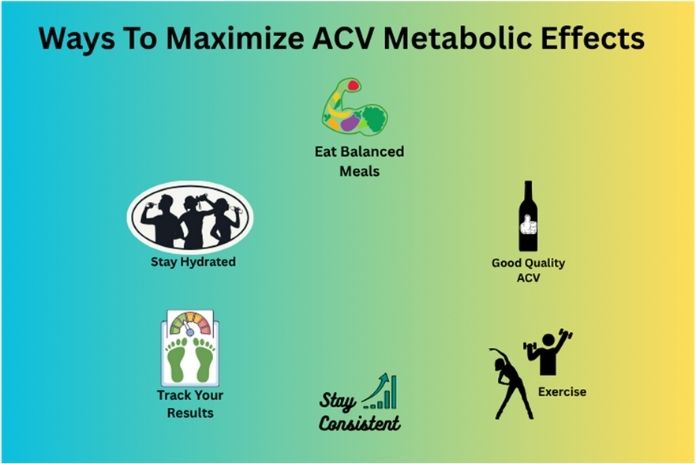
Getting the most from apple cider vinegar involves more than just choosing the right time. Following the strategies mentioned below helps to amplify the metabolic benefits of ACV:
Pair ACV with Balanced Meals: Research shows that ACV consumption can have a positive effect on blood sugar levels and lipid parameters in adults. For best results, combine ACV with meals rich in fiber, protein, and healthy fats. This combination creates even better blood sugar stability.
Stay Hydrated: Acetic acid can be dehydrating, so drink plenty of water throughout the day. Aim for at least 8 glasses daily, apart from your ACV drink.
Consistency Matters Most: An 8-week study found that fasting blood glucose decreased significantly in participants who consistently took ACV. Regular use matters more than perfect timing. Whether you choose morning or night, stick with your routine for at least 4-8 weeks to see meaningful results.
Add Light Exercise: Physical activity amplifies ACV’s metabolic effects. Even a 15-minute walk after drinking your diluted ACV can improve glucose uptake and insulin sensitivity.
Choose Quality ACV: Look for organic, unfiltered apple cider vinegar that has a cloudy sediment containing beneficial enzymes and probiotics, which floats or settles at the bottom of the bottle, also known as the “mother”. Brands like Bragg’s are popular, but any organic ACV having the “mother” works well.
Track Your Results: Keep a simple log of your blood sugar readings (if you monitor them), energy levels, and how you feel. This helps you determine whether morning or night timing works better for your body.
Safety Tips and Medical Recommendations
\While apple cider vinegar is generally safe, following these guidelines protects your health and maximizes benefits:
Always Dilute: Never drink ACV directly out of the bottle. The undiluted acid can burn your throat and damage tooth enamel. Always mix 1-2 tablespoons of ACV in at least 8 ounces of water.
Limit Your Intake: Stick to 1-2 tablespoons (15-30 ml) daily. Clinical trials typically use doses around 15-30 mL per day, and consuming more doesn’t provide additional benefits – it just increases the risk of side effects.
Medication Interactions: ACV can interact with certain medications:
- Diuretics: ACV may lower potassium levels when combined with water pills (diuretics).
- Insulin and Diabetes Medicines: ACV lowers blood sugar, so it can boost the action of diabetes meds further. It’s best to work with your doctor to adjust your medicine doses to prevent low blood sugar.
- Digoxin: Used for heart conditions, may interact with ACV’s potassium effects.
Seek Medical Advice If You Have:
- Diabetes (especially if taking medication)
- Gastroparesis (delayed stomach emptying)
- Kidney disease
- Osteoporosis (ACV may affect bone density with long-term use)
- You are pregnant or breastfeeding
Protect Your Teeth: After drinking ACV, rinse your mouth with plain water and wait 30 minutes before brushing. Brushing immediately can damage softened enamel.
Monitor for Side Effects: Stop using ACV if you experience persistent nausea, throat irritation, digestive pain, or worsening reflux. These signs indicate ACV isn’t right for you.
Read more: How to Get Your Toddler to Stay in Bed: Proven Tips for Peaceful Bedtimes
Frequently Asked Questions
Q1. Can I take ACV twice a day (morning and night)?
Yes! You can take ACV twice a day if you split a moderate total dose (e.g., 1 Tbsp in the morning and 1 Tbsp in the evening), ensure proper dilution, and monitor for side effects.
Q2. Does ACV break a fast?
1 tablespoon of ACV has ~3 calories and <1g carbs per tablespoon, so small, diluted amounts likely won’t break a fast. Avoid sugary mixers or large doses.
Q3. Should I drink ACV before or after meals?
General “best practice” is diluted ACV just before or at the beginning of a meal (e.g., 5–10 minutes before). If that causes discomfort, you can try during or just after a meal and see what suits you best.
Q4. Can ACV help with bloating and gut health?
ACV may offer modest benefits for gut health or reduce mild bloating (especially via microbiome modulation and aiding digestion), but it’s not a guaranteed remedy. Effects likely vary from person to person.
Key Takeaways
- Timing matters, but consistency matters more: Both morning and nighttime ACV consumption offer metabolic benefits. Choose the timing that fits your routine and stick with it for at least 4-8 weeks. Though research has shown that it can be safely taken up to 12 weeks.
- Morning ACV supports all-day blood sugar control: Take ACV before breakfast. This will help prevent post-meal blood glucose spikes, support insulin sensitivity, and may reduce cravings throughout the day.
- Nighttime ACV targets fasting blood sugar: Research shows that bedtime ACV consumption can lower morning fasting blood glucose by up to 6%. So if you are a diabetic and you are dealing with the dawn phenomenon, drinking it at bedtime can be really beneficial.
- Always dilute and protect your teeth: Mix 1-2 tablespoons of ACV in 8 ounces of water, use a straw, and rinse your mouth afterward to prevent acid damage to your tooth enamel.
- It’s not a magic solution: ACV supports metabolism and blood sugar control, but works best as part of a comprehensive approach including a healthy diet, regular exercise, and proper medical care.
Conclusion
So, what’s the verdict on apple cider vinegar – morning or night? The truth is, both times offer genuine metabolic benefits. Scientific research confirms that ACV can beneficially affect glycemic status and metabolic parameters, but it works best alongside balanced nutrition, regular physical activity, and adequate sleep.
Consult your healthcare provider before adding ACV to your routine, especially if you take medications or have existing health conditions. Your doctor can help you determine the best timing and dosage for your individual needs and monitor your progress safely.
Start small, stay consistent, and listen to your body – that’s the real secret to maximizing apple cider vinegar’s metabolic benefits.
References
- https://pmc.ncbi.nlm.nih.gov/articles/PMC8243436/
- https://pubmed.ncbi.nlm.nih.gov/28292654/
- https://diabetesjournals.org/care/article/30/11/2814/4824/Vinegar-Ingestion-at-Bedtime-Moderates-Waking
- https://pmc.ncbi.nlm.nih.gov/articles/PMC10679383/
- https://pubmed.ncbi.nlm.nih.gov/25168916/
- https://www.frontiersin.org/journals/nutrition/articles/10.3389/fnut.2025.1528383/full
- https://pubmed.ncbi.nlm.nih.gov/31451249/
- https://diabetesaction.org/article-vinegar
- https://www.uchicagomedicine.org/forefront/health-and-wellness-articles/debunking-the-health-benefits-of-apple-cider-vinegar
- https://news.asu.edu/content/vinegar-found-help-lower-waking-blood-glucose
In this Article