














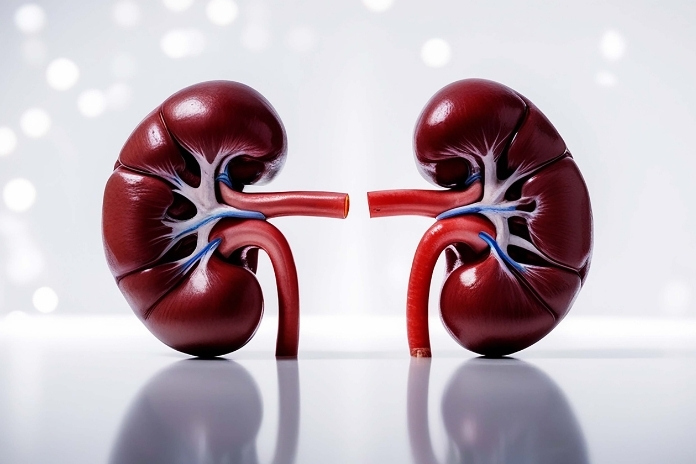
IgA Nephropathy, sometimes referred to as Berger’s disease derived from the Greek words meaning “kidney” (nephros) and “disease” (pathos). This is a kidney condition in which inflammation triggered by the immune system results in proteinuria, or the leakage of proteins into the urine. To prevent additional kidney damage or chronic kidney disease, persistent proteinuria is a sign that the kidneys’ filtration function is impaired and requires prompt treatment.
Since there is no known treatment, supportive care, which focuses on symptom reduction, is crucial for kidney protection and enhancing your quality of life if you have IgAN.
Young people are more likely to have IgAN, and their lives alter over time. When their symptoms subside or go away, some people experience remission; others develop end-stage renal disease and require dialysis.
Chronic proteinuria may eventually lead to renal impairment. You cannot cure IgA nephropathy; however, you can reduce urine protein levels and preserve kidney function in several ways.
Making lifestyle adjustments, taking medication, and monitoring your symptoms can all help delay the progression of your illness. It is how IgAN supportive care operates.
Read More: Polycystic Kidney Disease: Early Signs and Treatment Options
Understanding IgA Nephropathy and Proteinuria
IgA Nephropathy (IgAN) is the most common form of glomerulonephritis, or inflammation of the kidney filtering units called glomeruli. The chief culprit in its operation is an antibody known as immunoglobulin A (IgA).
During IgA nephropathy, immune complexes deposit in the glomeruli. These deposits are a cause of inflammatory changes, which can injure the kidneys, impairing their function. This damage produces proteinuria, or the presence of proteins that generally remain in the bloodstream, primarily albumin, which leaks into the urine.
This disease will sometimes go into spontaneous remission without treatment. However, in those in whom it progresses, it becomes a chronic process with specific varying degrees of injury to the kidneys. It is more common in countries of Asia and the Mediterranean, but also occurs in North America.
The diagnosis of IgA nephropathy is often made by accident during a routine urinalysis when blood and/or protein is detected. The presence of blood in the urine is sometimes the first indication of a disease that has followed a cold or flu. In sporadic instances, the disease will begin as an acute renal failure.
By understanding how IgA nephropathy causes proteinuria, patients and their physicians can take steps to control inflammation, minimize protein leakage, and maintain kidney health.
Why Reducing Proteinuria Matters

Because excessive protein in the urine directly accelerates kidney function decline, managing IgA nephropathy requires focusing on reducing proteinuria as a key objective.
Proteinuria, the presence of the protein in urine, can indicate various illnesses, including kidney disease. To effectively treat elevated protein levels in urine, it is very crucial to understand the underlying cause.
Known as “albuminuria” or “proteinuria,” elevated protein levels in the urine are associated with a higher risk of deterioration in kidney function over time, which leads to chronic kidney disease (CKD).
The greater the initial reduction in proteinuria during the first few months of treatment, the lower the risk of end-stage renal disease during treatment, as clinical research has shown that the degree of proteinuria reduction positively correlates with long-term renal protection.
Doctors use a urine albumin-to-creatinine ratio (ACR) test to measure proteinuria; a normal urine albumin level is less than 30 mg/g, and levels above 30 mg/g may indicate kidney disease.
One in every ten people worldwide suffer from chronic kidney disease (CKD), which causes kidney function to deteriorate and eventually result in kidney failure. In actuality, chronic kidney disease (CKD) is a catch-all term for a wide range of illnesses, including different primary disorders and stages of progression. The significant heterogeneity of patient populations can complicate treatment.
Read More: Hidden Salt Sources That Can Damage Your Kidneys
Medical Treatments That Help Lower Proteinuria

The cause of proteinuria determines the treatment approach, and each cause requires a different strategy. Doctors treat proteinuria caused by kidney disease with medication, dietary changes, and regular physical activity. If you have high blood pressure, your doctor may recommend a medication to lower blood pressure. You should arrange for yearly blood pressure checks and urine tests if your blood pressure is low.
You might need to control your blood sugar if you have diabetes. Additionally, you ought to have a GFR blood test annually.
Healthcare providers recommend that pregnant women with a history of preeclampsia attend regular checkups. Preeclampsia usually disappears days to weeks after your baby is born, even though it is a serious condition.
Your doctor may recommend blood pressure medication to help prevent kidney damage if you have proteinuria but no other medical conditions, such as diabetes or high blood pressure. To make sure you don’t have kidney disease, it’s a good idea to have your blood pressure and urine tested every six months.
Dietary and Lifestyle Strategies to Reduce Proteinuria Naturally

It’s normal to have a small amount of protein in your urine, and this typically improves over time. However, chronic proteinuria or excessive protein intake may indicate kidney issues. It can be very challenging to determine the most effective way to reduce the amount of protein in your urine. Nonetheless, a few easy dietary and lifestyle adjustments can be beneficial.
Reduce Your Protein Intake: Although low-carb, high-protein diets are standard, eating too much protein can cause blood protein to leak into your urine. If you have a kidney disease, diabetes, or high blood pressure, this becomes even more problematic.
What exactly qualifies as a high-protein diet is unclear. Nonetheless, studies indicate that consuming 1.68 grams of protein per kilogram of body weight daily causes the amount of protein in urine to increase. Protein in your urine can be considerably reduced by eating less protein or switching to a low-protein diet, according to a recent analysis.
Reduce Your Consumption of Salt: Consuming salt in excess can increase the blood pressure and damage the kidneys, potentially leading to increased protein in the urine. Those who consumed more salt had a higher protein output and lower kidney filtration, according to a study comparing a low-sodium diet to a high-sodium diet. Consuming more salt also causes blood pressure to rise, which has a detrimental effect on urine protein levels.
Check Your Blood Sugar: The two leading causes of chronic kidney disease are diabetes and persistently elevated blood sugar levels. Protein in the urine results from high blood sugar damaging the blood vessels that aid in the kidneys’ filtration of protein. Blood sugar control is very crucial for kidney health because strict glucose management dramatically lowers urine protein, including microscopic amounts known as microalbuminuria.
Exercise: After engaging in strenuous physical activity, such as running a marathon, you may experience proteinuria. This type of transient proteinuria is common and typically resolves within a few hours to days. It is generally brought on by dehydration, muscle damage, or your body concentrating on reabsorbing water and salt rather than filtering proteins. Lower-intensity exercise, however, can also help reduce urine protein levels.
Quit Smoking: If you also have diabetes, high blood pressure, or other kidney diseases, smoking increases your risk of developing proteinuria and chronic kidney disease. Researchers compared risk of kidney disease and the urine protein levels in smokers and those who had quit smoking over the course of a six-year study. The risk of proteinuria was 50% lower in the quitting group than in the continuing group.
Read More: Kidney Stones: Why They Happen and How to Prevent Them
Monitoring Progress and When to See a Doctor

You are likely to begin by visiting your primary care physician. However, your doctor may refer you to a nephrologist, a specialist in treating kidney disorders. The following advice will help you prepare for your appointment.
Check with your doctor’s office to determine if there are any restrictions, such as fasting, required for the blood test. List the following:
- Your signs and the time they started. Add any symptoms that do not relate to the reason for your visit.
- Every medication you take. Add over-the-counter medications, vitamins, herbs, and other supplements. Keep track of your dosage, or the amount of drugs you take.
- Here are some questions to ask the physician. It will enable you to make the most of your time together.
Ask a friend or a family member to accompany you to help you remember what your doctor tells you. You should ask your doctor the following questions:
- Which tests are required?
- What is the best thing to do? What is the duration of my medication?
- Can I control this illness by making dietary and lifestyle adjustments?
- I have additional medical issues. How can we jointly manage these conditions?
Your doctor may ask you the following questions:
- Do your symptoms occur frequently or infrequently?
- What is the severity of your symptoms?
- Is there anything that could improve them?
Conclusion
In IgA nephropathy, it is crucial to control proteinuria to preserve kidney function and slow the progression of the disease. Because proteinuria can be readily detected early and often through urine tests and kidney function tests, patients and doctors can institute treatment modifications promptly, which will help reduce the complications caused by the disease over time.
There are certain dietary factors that can help improve overall kidney health and may also complement the medical therapies involved. Reducing salt intake, eating high-quality proteins, controlling blood sugar and cholesterol levels, and engaging in regular physical activity are a few factors that can improve one’s chances of maintaining healthy kidneys.
By combining medical therapy with lifestyle improvements based on the totality of the evidence available in the medical literature, patients with IgA nephropathy will have a greater likelihood of an improved quality of life and a significantly better chance of a favorable outcome in terms of their kidney disease.
Read More: Back Pain vs. Kidney Pain: How to Tell the Difference
FAQs
Does diet alone reduce proteinuria?
A low-protein diet can reduce proteinuria, especially in a patient with chronic kidney disease who does not have diabetes. Reductions in proteinuria have a favorable effect on lipid metabolic disorders and serum albumin levels.
What foods should be avoided with IgA nephropathy?
Avoid food that is very high in sodium, potassium, and phosphorus. Doctors should also consider a low-protein and low-saturated-fat diet in patients with IgA nephropathy. Processed meats, canned foods, salty snacks, flavored drinks, and foods high in potassium, such as tomatoes and bananas, are some of the various foods to limit.
How often should I monitor urine protein?
If a urine test indicates presence of protein in the urine, your physician may order additional tests. Since the protein in urine can be transient, it may be a good idea to repeat the urine test in the morning or a few days later. The physician may also require a 24-hour urine collection for laboratory testing.
References
- https://igan.org/tips/5-ways-to-lower-protein-in-the-urine-with-igan/
- https://my.clevelandclinic.org/health/diseases/16428-proteinuria
- https://www.nutimahealth.com/iga-nephropathy-and-naturopathic-medicine/
- https://kidneydisease.myhealthteam.com/resources/supportive-care-for-iga-nephropathy-why-its-essential
- https://ugatl.com/services/blood-in-urine/how-to-reduce-protein-in-urine/
- https://www.kidneyfund.org/sites/default/files/media/documents/IgAN-Proteinuria-Guide-Final-April-2025.pdf
- https://kinpeygopatient.co.uk/wp-content/uploads/2025/03/Understanding-IgAN-Booklet-A5_pdf_lr.pdf
- https://emedicine.medscape.com/article/238158-treatment?form=fpf
- https://www.astrazeneca.com/what-science-can-do/topics/disease-understanding/high-proteinuria-chronic-kidney-disease.html
- https://www.mayoclinic.org/diseases-conditions/iga-nephropathy/diagnosis-treatment/drc-20352274
- https://my.clevelandclinic.org/health/diseases/5990-iga-nephropathy
In this Article