













When I started working out, I saw many people taking creatine. While there were a few like me who never tried it, others just loved it.
Did this happen to you? When you step into any gym, more than likely, you’ll catch someone arguing about creatine. Some claim to rely on it for instant strength and quicker gains, while others avoid it entirely. They are worried it will turn them “puffy” or lead to undesired weight gain. Given that creatine is one of the most researched supplements in the field of sports nutrition, the confusion should have long been cleared by now. And still, one question remains: does creatine cause weight gain?
The short answer is yes, but not the way most people think. Creatine does add body weight to many users, but the kind of weight is much more important than the amount on the scale.
In this article, we’ll understand how creatine works, why weight changes occur, and whether you should even care. You’ll know exactly what science says about creatine, water retention, muscle growth, and fat gain by the end.
Read More: Creatine vs. Pre-Workout: Key Differences, Benefits, and Which One You Should Choose
How Creatine Works in the Body
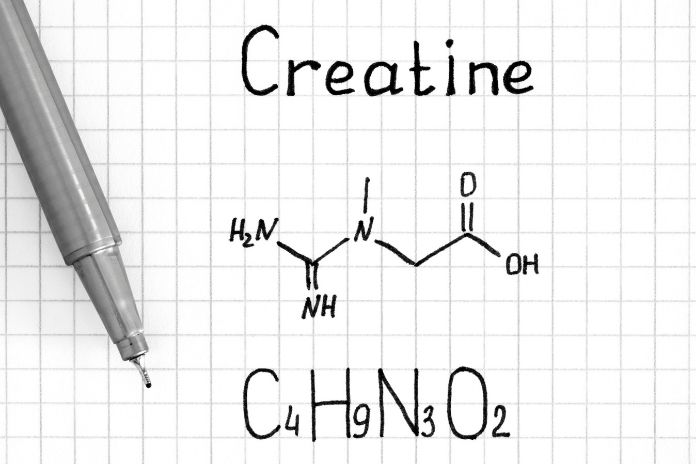
Creatine is a substance present naturally in small quantities in food such as meat and fish, and produced in the liver and kidneys. Once within muscle cells, it is held as phosphocreatine, a fast-access energy store. When you perform high-intensity exercise, such as sprinting, heavy weights, or explosive movements, your body uses ATP (adenosine triphosphate).
However, here’s the problem: ATP exhausts quickly. That’s where creatine fits in. By transferring a phosphate group, phosphocreatine recycles ATP virtually in an instant, giving your muscles additional energy for some time.
This boost doesn’t just improve workout performance at the moment. Over time, being able to lift heavier, push harder, or recover quicker leads to better training. This is due to the strength and added endurance in repeated bursts, and eventually, it makes more muscle mass. This mechanism is key to understanding why creatine may cause the scale to shift.
Does Creatine Cause Weight Gain?

Here are a few factors that make us think that creatine can cause weight gain:
Water Retention:
One of the initial things noticed when beginning creatine is a quick 1–3 pound weight gain in the first week. This is not fat, but water retention.
Creatine draws water into your muscle cells, making intracellular water levels higher. Imagine it like “filling up your muscles as water balloons.” Instead of being harmful, this intracellular water actually causes your muscles to work more effectively and can even trigger anabolic (muscle-building) activities. The key here is that this is not the same as bloating on your stomach or in your face. The water is retained within your muscles.
This may be unsettling for those concerned with scale weight, particularly athletes, but the water weight is harmless and even a good thing. The majority of it stabilizes once you cross the loading phase, so you won’t just keep adding more fluid. So, yes, creatine and water retention go hand in hand.
Dr. Aubrey Jonathan Grant, M.D., director of sports and performance cardiology at MedStar Health in Washington, D.C, shares his thoughts on the same. “In general, for healthy men using creatine responsibly and paired with a solid training program, small weight increases should not be a source of concern — they are often a marker of increased lean body mass and performance adaptation,” Dr. Grant says.
Muscle Growth:
Apart from water, creatine aids real lean muscle gain in the long term. By providing you with additional training capability, it helps you to lift more reps, push more sets, and recover quicker between workouts.
For instance, studies indicate that creatine users doing resistance training tend to gain 1.4 pounds of lean mass over a few weeks versus non-users.
Over weeks, strength exercises contribute to improved muscle thickness and power, not just temporary water weight. The weight on the scale that you see here is progress, not a regression. In other words, creatine prepares your body to promote your training, converting some of the “weight gain” into lean muscle.
Fat Gain Myth:
One of the biggest myths is that creatine leads to fat gain. This just isn’t accurate. Creatine contains zero calories and does not contribute to fat storage. What you do gain is water or lean tissue, and not fat.
Several studies have indicated that creatine supplementation, together with training, has no added fat mass over controls. Indeed, since it allows you to train harder, creatine has the potential to indirectly aid in reducing fat in some cases. The confusion actually is between water weight and fat weight. Therefore, if your aim is fat loss, creatine does not hinder it; it can help to get better results.
Read More: Can You Mix Creatine with Coffee? What Happens When You Combine Them
Side Effects and Misconceptions
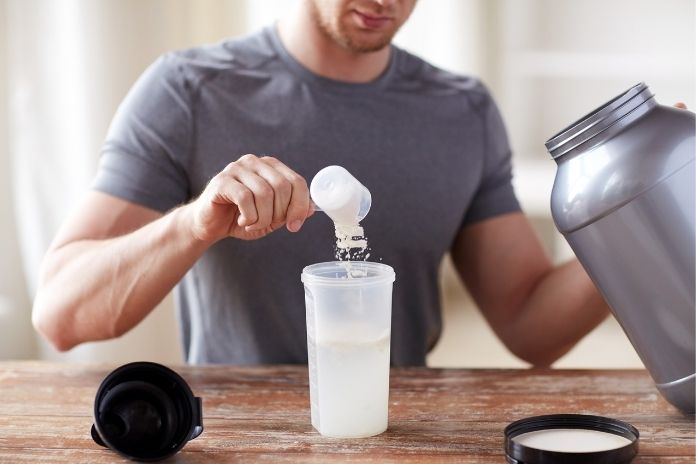
Despite being extremely popular, many believe creatine can cause a few problems. A few misconceptions are listed below:
- Bloating: A few users complain about bloating, particularly when loading up. But since most water is intracellular, this “bloated appearance” is really hyped.
- Dehydration: A common worry is that creatine draws water into muscles, leaving the rest of the body dehydrated. Studies don’t support this claim. In fact, creatine users often experience fewer cramps and heat-related issues when properly hydrated.
- Kidney Health: Worries regarding kidney injury continue since creatinine (a product of breakdown) is used to ascertain your kidney health. However, many long-term trials indicate that creatine is safe for people with healthy kidneys in the recommended doses. Individuals with kidney illness, however, must steer clear of supplementation unless approved by a physician.
In general, bloating due to creatine and other purported risks is more fiction than fact. Taken appropriately, creatine is one of the safest supplements on the market.
How to Avoid Unwanted Weight Gain

If you care about scale weight or looks, this is how to have creatine benefit you without the unwanted side effects:
- Avoid the loading phase. Instead of 20 g/day for one week, be consistent with a steady 3–5 g/day of creatine. This prevents the water weight rush while still saturating muscles eventually.
- Keep yourself hydrated. Since creatine raises water needs in muscle cells, consuming sufficient water avoids cramps, tiredness, or any discomfort related to dehydration.
- Time it wisely. Although consistency is most important, many people find it convenient to take creatine post-workout with a meal to support assimilation and avoid stomach discomfort.
- Pair with strength training. The true value of creatine comes through when used with resistance exercise. In this way, excess weight falls into lean muscle, not water alone.
- Monitor progress on the scale and off the scale as well. Pay attention to strength, body measurements, and muscle definition. An increase in body weight can actually signify better performance and look.
By using these tips, you can reap the rewards of creatine. These include increased energy, improved training, and leaner gain, without worrying about appearing puffy or “gaining the wrong type of weight.”
Read More: Do You Need Creatine Even If You Don’t Lift Heavy? Benefits Explained
Who Should (and Shouldn’t) Take Creatine?

Here’s a list of people who get the most benefits from creatine:
- Athletes and Lifters: It is best for those who want to enhance strength, power, or muscle mass.
- Vegetarians and Vegans: Because their diet is missing natural creatine from meat and fish, supplementation typically gives better results.
- Older Persons: Research indicates that creatine helps prevent age-related muscle wasting (sarcopenia) and maintains mobility.
- Rehabilitation Patients: It might assist in injury recovery by maintaining muscle mass.
Who should avoid or be careful:
- People who participate in strict weight-class sports (such as boxing, wrestling, MMA), as even 1–2 kg of water weight influences competition levels.
- Individuals with kidney disease or on nephrotoxic drugs, as creatine metabolism is via renal mechanisms.
- Pregnant or breastfeeding women, because creatine lacks safety data in this case.
For most healthy adults, however, creatine is safe, effective, and one of the best performance and muscle health supplements out there.
Conclusion
So, does creatine cause weight gain? Yes, but it’s probably the type you desire. Short-term weight gain is due to water retained within your muscles, not body fat. Eventually, creatine will assist you in gaining more lean body muscle, enhancing the effects of your training.
Far from being dangerous, creatine is one of the safest, most studied, and most potent supplements on the market. When used wisely with the right amount of water, regular dosing, and strength training, it can promote your performance and physique. Rather than worrying about the scale, love what it actually means: better muscles and a healthier body!
References
- https://www.steadfastnutrition.in/blogs/news/is-the-creatine-loading-phase-worth-it-a-complete-guide
- https://pubmed.ncbi.nlm.nih.gov/31859895/
- https://pmc.ncbi.nlm.nih.gov/articles/PMC10609732/
- https://www.unsw.edu.au/newsroom/news/2025/03/sports-supplement-creatine-makes-no-difference-to-muscle-gains-trial-finds
- https://www.physio-pedia.com/Adenosine_triphosphate_(ATP)
In this Article