













A few years ago, when I welcomed my twins, we faced a few challenges. And one of the bittersweet challenges as new parents was the lack of sleep. While I needed to attend to the babies all through the night, it became difficult for my husband to get a good night’s sleep and focus on his job the next morning.
We thought through this and came to a rather unique solution, something that we had never attempted. We decided to sleep in separate rooms. This not only helped him sleep better and look after the babies during the day, while I rested. It also helped both of us focus better and be less irritated. Years later, when I read about something similar, it occurred to me that this was indeed ‘sleep divorce’!
For decades, it has been considered a sign of intimacy in a relationship to share a bed. From romantic comedies to cultural mores, the notion of couples sleeping together is regularly seen as a sign of closeness. But increasingly over the past few years, more and more couples are wondering whether sleeping together is actually the healthiest choice. The practice of “sleep divorce” is, where couples sleep in different beds or even different bedrooms, not due to an emotional disconnect, but in search of better sleep.
Surprisingly, this trend isn’t as uncommon as you’d imagine. A survey by the American Academy of Sleep Medicine discovered that roughly 31% of Americans sometimes sleep in a different room from their partner to improve the quality of sleep. What is driving this trend? And does it help or damage relationships?
In this article, let’s understand sleep divorce, the pros and cons, and how couples can practice it mindfully.
Read More: What Is Sleep Divorce—and Should You Consider It for Better Rest?
What Is Sleep Divorce?
The term “sleep divorce” might sound over-the-top, but it doesn’t indicate relationship demise. Rather, it’s a choice that couples make to sleep in different beds or rooms so that they can both get quality sleep. It’s not an emotional separation or not because they do not love each other anymore, but it’s a practical choice to enhance health and well-being.
The phrase came into the limelight in the media and grabbed attention for what many couples were secretly doing at home already. With time, it’s gradually gained social approval, particularly as sleep science calls out the hazards of sleeping too little. Certain experts even call it a “sleep alliance,” stressing that it’s a collaborative, conscious choice instead of conflict.
Today, surveys indicate that nearly one-third of American adults have experimented with some form of sleep divorce. Far from signaling trouble, it reflects a modern perspective: that prioritizing individual rest is a form of mutual care.
Why Couples Are Choosing Sleep Divorce
There are a number of different reasons why couples are more willing to sleep apart. For most of them, it’s not about emotional separation but about guarding their sleep and general well-being. Some of the most common triggers include:
Snoring:
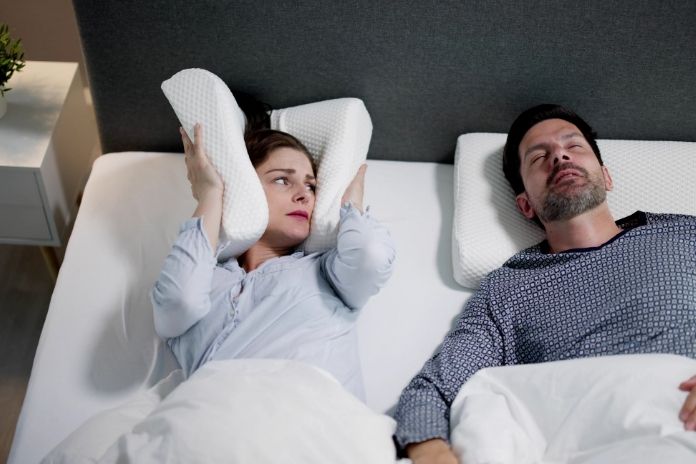
Many couples might agree with this. One of the most common causes of disturbed sleep between couples is snoring. Even simple snoring can disturb the other person continuously, resulting in frustration, tiredness, and resentment. This can damage not only sleep but also the peace in your relationship over time. In couples for whom earplugs, nasal strips, or treatments are useless, sleeping alone in separate beds or rooms usually seems to be the only option for a peaceful night.
Restless Movements:
Another challenge of sleeping together is when your partner tosses and turns, kicks, or gets up often at night. Although these movements may not disturb the sleeping person, they are likely to disturb their partner a great deal. The frequent disruptions affect deep sleep and make mornings even more tiring. Sleeping separately in this case ensures both partners get good sleep.
Different Sleep Schedules:
Today’s work and lifestyle requirements can often lead to broken sleeping patterns. In a married couple one person might be a late riser who enjoys staying up all night, whereas the other is an early bird. Irregular work schedules, midnight cramming, or even varied TV viewing habits can cause trouble. Separate bedrooms ensure each member can sleep as per their own timetable without compromise.
Temperature and Comfort Level:
It’s a universal issue with couples. The AC temperature, the light settings, or even the aroma in the room, can be different from their partner’s preferences. Everyone doesn’t see eye-to-eye on what is a good sleeping situation. One would like a warm, snuggly room with thick blankets, but the other requires cool air and light bedding. Fighting over fans, thermostats, or blanket wars can ruin the night. Sleeping in separate beds allows each to control their own conditions for better rest.
Sleep Disorders and Medical Conditions:
Problems such as sleep apnea, insomnia that lasts, or restless leg syndrome are not only felt by the person but by their partner as well. Noisy CPAP devices, waking up often, or bizarre sleep activities may impact both partners’ sleep. Having separate rooms seems a viable solution while one partner gets the necessary treatment.
Anxiety Related to Poor Sleep:
Poor sleep in itself can cause anxiety, particularly when there is a concern that one’s partner might wake up. Such stress only makes it more difficult to fall asleep, forming a vicious circle. Couples eliminate the stress of “doing” a good night’s sleep for their partner by sleeping separately, minimizing nighttime anxiety, and promoting better mental well-being.
At the center of these decisions is the understanding that sleep is not a luxury. It is crucial for good health. By opting for sleep divorce, couples are taking care of themselves and making room for a more powerful, more vibrant relationship.
Read More: Why You Jerk Awake Right Before Falling Asleep
Health Benefits of Sleeping Apart
Better Sleep Quality:
One of the most obvious benefits of sleeping in individual beds is uninterrupted sleep. With no snoring, restlessness, or prematurely set alarms, both partners can reach deeper stages of sleep, including REM, the phase when the brain stores memory, resets mood, and repairs the body.
Studies indicate couples who attempt sleep divorce frequently receive almost 30–40 minutes of better-quality sleep per night. Week after week, month after month, that adds up to better concentration, more stable moods, and improved overall physical well-being. And since they’re less cranky or fatigued, many couples find that they interact better throughout the day.
Physical Health Benefits:
Chronic poor sleep is associated with weight gain, increased blood pressure, compromised immune function, and an enhanced risk of diabetes and heart disease. By eliminating nighttime disruption, couples can reduce these risks and enable the body to heal.
Quality sleep also affects hormones such as cortisol and leptin, which manage stress and hunger. That means reduced cravings at midnight, more consistent energy levels, and less stress on the cardiovascular system. Collectively, these impacts over time may equal diet and exercise for preserving long-term health.
Mental Health and Mood:
Sleep and mood are closely related. With insufficient sleep, irritability, anxiety, and even depression set in. On the other hand, good sleep restores patience, empathy, and sense.
Couples who practice sleep divorce find that they fight less, laugh more, and feel close. This is not because they are sleeping together, but because they are being together during the day in a better mood. When individuals ask, “Is sleep divorce healthy?”, the response, for many couples, is a definite yes.
Relationship Impacts: Pros and Cons
As with any shift in habits, sleep divorce will have its advantages and disadvantages. While for most couples the benefits will prevail over the negatives, it pays to weigh both sides thoroughly.
The Pros

- Less Resentment over Sleep Habits:
When a partner is constantly awake due to snoring, turning over, or midnight phone use, frustration mounts over time. Little irritations over months can turn to resentment. Sleeping apart reduces this annoyance, so both partners wake up refreshed and ready for the day.
- More Energy for Intimacy and Quality Time:
Bad sleep saps energy and reduces libido. Rested couples, by contrast, tend to discover they’re more loving, playful, and inclined to be both physically and emotionally intimate. By getting both partners rested, sleep divorce can promote daytime intimacy, even if nighttime intimacy is lost.
- Improved Communication and Partnership:
Sleeping apart is not an easy choice. Couples who succeed tend to be open with their needs, set boundaries, and communicate with each other regularly. This improves communication abilities and reaffirms the feeling of pulling together for a common purpose: happiness and health.
- A Shared Sense of Caring and Compromise:
Instead of causing distance, sleep divorce can be reinterpreted as a loving act. By sleeping separately, both partners show they care enough about each other’s rest and well-being to protect them. Most couples find this setup less like a rejection and more like support from one another, building respect within the relationship.
- Health Benefits:
For individuals with sleep disorders such as insomnia or sleep apnea, the presence of a partner worsens things. Sleeping in separate bedrooms enables both partners to cope with health issues without undermining each other’s health. Quality sleep boosts immunity, concentration, and emotional stability.
The Cons
- Decreased Physical Closeness During Nighttime:
Bedtime might lead to certain moments of closeness, from cuddling, hand-holding, or even just being close. Sleeping in separate beds takes away these natural bonding moments, so couples might need to make an effort to stay close.
- Social Stigma and Misunderstanding:
While its popularity continues to grow, sleep divorce remains a taboo for many. Friends, relatives, or even the couples themselves might perceive it as a sign of relationship problems. Breaking these stereotypes takes courage and honest communication regarding the reasons for having a sleep divorce.
- Emotional Distance:
Whereas some couples take comfort in personal space, others can feel isolated emotionally when sleeping apart. Bedtime routines shared among partners affirm partnership; without these routines, one or both partners can feel lonely or disconnected.
- Logistical Issues:
Separate bedrooms can translate to additional furniture, bigger houses, or extra expense. Travel and seeing family may also need to be adjusted in order to continue the routine, which can be stressful if not well planned.
- Risk of Covering Underlying Problems:
At times, couples employ sleep divorce to avoid marital or relationship issues such as gaps in communication or emotional distance. Unless controlled deliberately, the setup may then serve as a replacement for actual conversation, not a solution to sleep disturbance.
Read More: Mouth Taping for Sleep: Does It Really Improve Breathing and Sleep Quality?
Expert Insights: What Doctors and Therapists Are Saying
Sleep experts point out that quality sleep is the foundation of good health. “With the rise of technology and increasingly busy lifestyles, we’re just not getting as good sleep as we used to,” says Rana Ali, M.D., sleep medicine specialist. “Many couples today are exploring different options for getting a good night’s rest, including sleep divorce. By sleeping separately, each partner can take control of their own comfort level while still maintaining an intimate relationship with their significant other.”
“Your relationship might suffer, especially if one person doesn’t want to sleep apart or doesn’t like the new sleeping environment,” says Dr. Stephanie Collier, a psychiatrist at Harvard-affiliated McLean Hospital. Adding, “the conversation can be embarrassing. It requires you to be vulnerable, and a lot of sensitive topics might come up beyond sleep behavior,” Dr. Collier says. “If it’s hard to communicate about it, consider a couples counseling session with an objective third party to guide you.”
Therapists emphasize that it’s not a one-size-fits-all solution. Some couples benefit from the closeness of sleeping side by side, while others find that sleeping apart helps them wake with more energy, mental clarity, and emotional presence during the day. The takeaway: valuing sleep is not selfish; it’s a self-care practice that helps both partners and the relationship.
Finding Balance: Is Sleep Divorce Right for You?
Sleep divorce does not always have to be an all-or-nothing proposition. Some couples try partial solutions, including:
- Sharing a wider bed to reduce sleep disruptions.
- Individual blankets or mattresses with varying firmness.
- Planning a few nights during the week apart rather than every night.
- Keeping some pre-sleep cuddling or conversation rituals intact.
Communication and agreement are the most important things. Sleep divorce is helpful when both people talk openly about their needs and continue other levels of intimacy. Positioning it as a team effort to enhance health and happiness makes it easier to adopt without guilt or resentment.
FAQs
- Does sleep divorce equal a bad marriage?
Not at all. In most cases, it’s a practical solution to a health problem, not a sign of emotional distance.
- Is it better to sleep together or apart for health?
It depends. Couples who sleep well together may benefit from closeness, but if shared beds lead to poor rest, sleeping apart can be healthier for both partners.
- Can a sleep divorce affect intimacy?
Yes, but perhaps not in a bad way. Though it decreases spontaneous nighttime intimacy, most couples experience more intimacy during the day when well-rested.
- How prevalent is sleep divorce today?
One-third of adults have attempted it, and its use is becoming increasingly acceptable, particularly among couples with hectic lifestyles or sleep disorders.
Conclusion
At its core, sleep divorce is not about drifting apart. But it’s about finding new ways to thrive together. For many couples, separate beds or rooms aren’t a sign of fading love, but a commitment to health, patience, and mutual respect. When you’re well-rested, you’re more likely to laugh together, communicate better, and handle life’s challenges as a team.
If you and your partner have trouble sleeping at night, don’t be afraid of the stigma. Think of other options, separate beds, different mattresses, or assigned “sleep nights” apart. Love doesn’t count in terms of the number of hours you spend under a single blanket. But it shows up in the quality of life you create when both of you are awake, well-rested, and present.
References
- https://therapygroupdc.com/therapist-dc-blog/the-psychology-of-sleep-divorce-why-some-couples-choose-separate-beds-2
- https://www.health.harvard.edu/staying-healthy/tips-to-navigate-a-sleep-divorce
- https://www.tribuneindia.com/news/trending/sleep-divorce-why-more-couples-are-choosing-separate-beds-for-a-better-relationship
- https://www.health.com/do-sleep-divorces-lead-to-better-sleep-11780674
- https://www.webmd.com/sleep-disorders/sleep-101
- https://pmc.ncbi.nlm.nih.gov/articles/PMC7426303
In this Article